Potatoes are the quiet heroes of vegetarian cooking. Whether mashed into silky smoothness, roasted to crisp perfection, or stirred into a creamy curry, they have the magical ability to enhance nearly every dish. But when those potatoes come from your own garden, the flavor, freshness, and satisfaction they bring reach a whole new level.
The thesis “How to Grow Potatoes That Make Every Veggie Dish Shine” celebrates the idea that growing your own potatoes isn’t just about gardening — it’s about cultivating ingredients that elevate your cooking, nourish your body, and reconnect you to nature. In this article, we’ll explore everything from selecting the right potato varieties and preparing healthy soil to harvesting and using them in delicious vegetarian meals.
1. Why Homegrown Potatoes Outshine Store-Bought Ones
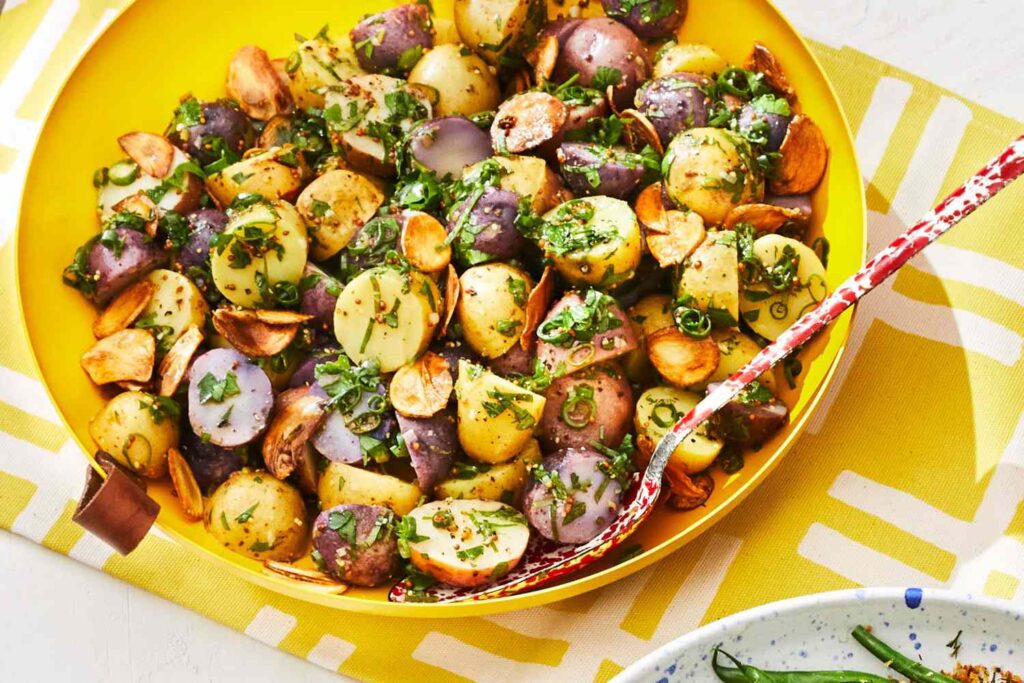
A store-bought potato may look perfect, but its journey from farm to plate can be long and nutrient-depleting. By the time it reaches your kitchen, it has often lost moisture, flavor, and vitamin content. Homegrown potatoes, in contrast, are harvested at peak freshness.
Here’s why they stand out:
- Superior flavor: Freshly dug potatoes have a delicate sweetness and earthy aroma that store-bought ones rarely match.
- Nutrient-rich: Growing your own allows you to control soil health and avoid chemical fertilizers, preserving natural vitamins and minerals like potassium and vitamin C.
- Zero waste: You harvest only what you need, reducing spoilage and packaging waste.
- Emotional reward: Digging your first crop is a joy that connects you directly to your food’s origin.
In short, homegrown potatoes don’t just shine on your plate — they add a glow of accomplishment to your kitchen.
2. Choosing Potato Varieties That Complement Vegetarian Dishes

Different potato types serve different culinary purposes. Selecting the right variety can make your veggie dishes truly remarkable.

A. Starchy Potatoes: The Fluff Masters
- Best for: Mashing, baking, and frying.
- Examples: Russet Burbank, King Edward, Maris Piper.
These potatoes break down easily, creating light and airy textures perfect for mashed potatoes or crispy fries.
B. Waxy Potatoes: The Shape Keepers
- Best for: Salads, soups, and curries.
- Examples: Red Pontiac, Charlotte, Fingerling, Yukon Gold.
They retain their structure after boiling, making them ideal for vegetarian stews or warm salads with herbs.
C. All-Purpose Potatoes: The Versatile Favorites
- Best for: Almost any dish.
- Examples: Desiree, Kennebec, Gold Rush.
They balance moisture and starch beautifully, ensuring success in gratins, patties, and casseroles.
D. Specialty & Heirloom Varieties
- Purple Majesty and All Blue add stunning color and antioxidants to your meals.
- Pink Fir Apple brings a nutty flavor, perfect for gourmet vegetarian dishes.
When planning your garden, grow a mix of types to match your favorite recipes — one variety for soups, another for roasting, and a third for creamy mash.
3. Preparing the Soil: The Foundation of Flavor

Healthy soil is the secret ingredient to flavorful potatoes. They grow best in light, well-drained, slightly acidic soil (pH 5.5–6.5).
Steps to Prepare the Perfect Potato Bed:
- Pick a Sunny Spot: Potatoes need at least 6–8 hours of direct sunlight daily.
- Loosen the Soil: Dig about 25–30 cm deep so tubers can develop freely.
- Add Organic Matter: Mix compost or aged manure to enrich the soil naturally.
- Ensure Good Drainage: If your soil is heavy clay, use raised beds or large containers.
- Test Soil Health: If possible, test your soil pH and nutrient levels to fine-tune your compost mix.
Avoid synthetic fertilizers — they may speed growth but often reduce flavor. Instead, organic matter builds soil life, improving both yield and taste.
4. Planting: Setting the Stage for Growth

Potatoes are planted from “seed potatoes” — small tubers with eyes that sprout into new plants.
How to Plant Potatoes:
- Chit the Potatoes: Place them in a bright, cool place for 2–3 weeks until they form short sprouts.
- Dig Trenches: About 10–15 cm deep and 60 cm apart.
- Plant the Tubers: Place each seed potato 30 cm apart with sprouts facing upward.
- Cover Lightly: Mound soil or compost over the tops.
- Water Gently: Keep the soil moist but not soggy.
Tip: If space is limited, grow them in containers or grow bags. Potatoes thrive in deep containers, and you can “earth up” (add soil as they grow) just as in garden beds.
5. Caring for Your Potato Plants Naturally
Growing great potatoes doesn’t require constant attention — just consistent care.
Watering:
- Water deeply twice a week during dry spells.
- Avoid overwatering — soggy soil can cause rot.
Earthing Up:
When plants reach about 15 cm tall, mound soil around their bases. This protects developing tubers from sunlight (which turns them green and toxic) and boosts yield.
Feeding:
- Apply compost tea or diluted seaweed fertilizer every 3–4 weeks.
- Avoid nitrogen-heavy fertilizers that produce lush leaves but fewer tubers.
Pest & Disease Control:
- Rotate crops yearly to avoid soil-borne diseases.
- Plant marigolds or basil nearby — they deter pests naturally.
- Use neem oil spray if needed; it’s organic and effective.
With these practices, you’ll nurture strong, healthy plants that deliver a generous harvest.
6. The Joy of Harvest: When Effort Meets Reward
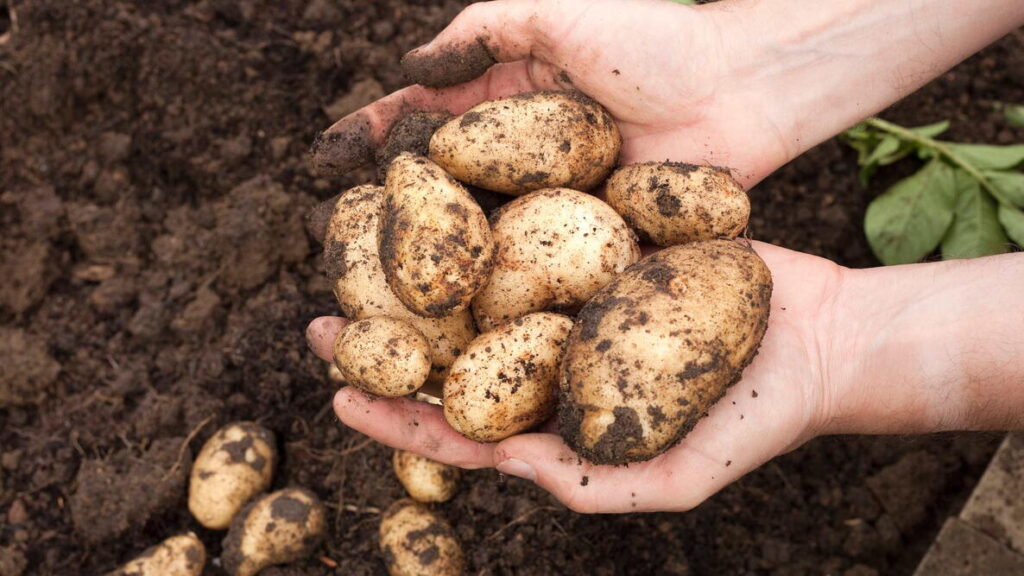
Harvesting potatoes is like uncovering hidden treasures beneath the soil.
When to Harvest:
- New Potatoes: 8–10 weeks after planting, when plants flower. They’re small, tender, and great for boiling or salads.
- Maincrop Potatoes: 15–20 weeks after planting, when the foliage begins to yellow and wilt.
How to Harvest:
- Use a garden fork or gloved hands to loosen the soil carefully.
- Gently pull the plant and collect the tubers.
- Let them dry in a shaded area for a few hours.
- Cure for about 10 days in a cool, dark space — this toughens the skin for longer storage.
Properly cured potatoes can last for months, ensuring your veggie dishes stay flavorful all season.
7. From Garden to Kitchen: Potatoes That Transform Vegetarian Meals
The real magic happens when your homegrown potatoes reach the kitchen. Their natural sweetness and creamy texture bring out the best in vegetarian cooking.
Here are some delicious ideas:
A. Creamy Potato and Leek Soup
Simmer leeks, garlic, and sliced potatoes in vegetable broth, then blend for a smooth, comforting meal. Add herbs like thyme or dill for extra depth.

B. Golden Potato Gratin with Spinach
Layer thin slices of potatoes with sautéed spinach, garlic, and a light cream sauce. Bake until golden and bubbling — a showstopper for any veggie table.
C. Crispy Herb-Roasted Potatoes
Toss cubes of your homegrown potatoes in olive oil, rosemary, and sea salt, then roast until crisp. Serve with grilled vegetables or tofu.
D. Potato and Chickpea Curry
Cook potatoes with chickpeas, tomatoes, and aromatic spices like cumin, turmeric, and coriander. Serve with rice or flatbread.
E. Potato Cakes with Green Peas
Mix mashed potatoes with peas, coriander, and breadcrumbs, shape into patties, and pan-fry until golden. Perfect for brunch or snacks.
Each dish celebrates the versatility and richness of the potato — proving that simple ingredients, when homegrown, can make any vegetarian dish shine.
8. Sustainability: A Greener Kitchen from the Ground Up
Growing potatoes at home is more than a culinary adventure — it’s a step toward a sustainable lifestyle.

- Less Waste: You grow what you need, cutting down on packaging and transportation emissions.
- Compost Connection: Potato peels and kitchen scraps can return to your compost pile, feeding next season’s soil.
- Water Efficiency: Mulching around your plants conserves water and reduces evaporation.
- Seed Saving: Small, healthy tubers can be reused for next season’s crop — closing the loop naturally.
By turning your kitchen and garden into a sustainable cycle, you not only cook better meals but also contribute to a greener planet.
9. The Emotional Rewards of Growing Your Own Food
Beyond taste and sustainability, there’s something profoundly fulfilling about growing your own potatoes. You witness life sprout, grow, and give back. It’s an act of mindfulness — a way to slow down, reconnect with nature, and appreciate the effort behind every meal.
Harvesting becomes a moment of gratitude. Cooking those same potatoes turns into an act of celebration. Every dish carries a story — of soil, sunlight, and care.
Homegrown food doesn’t just nourish your body; it feeds your spirit.
10. Conclusion: Let Your Veggie Dishes Shine Brighter Than Ever
Growing potatoes is one of the simplest yet most rewarding gardening projects. With minimal effort, you can cultivate a versatile ingredient that brings life to every vegetarian recipe you love.
The thesis “How to Grow Potatoes That Make Every Veggie Dish Shine” is a reminder that true flavor begins in the soil. When you nurture your potatoes with patience and organic care, the reward is not only a better harvest but also richer, more vibrant meals.

From fluffy mashed potatoes to aromatic curries and crisp roasts, every dish you create becomes a reflection of your dedication and connection to nature.
So, dig into the earth, plant those seed potatoes, and let your garden — and your cooking — shine brighter than ever. Because when your ingredients come from your own hands, every meal tastes like happiness. 🥔🌿✨