If there’s one household chore I’ve always dreaded, it’s cleaning windows. No matter how much effort I put in, I’d step back only to find streaks, smudges, and cloudy spots that looked worse than before. I’d tried name-brand glass cleaners, microfiber cloths, newspaper, and even those “streak-free” sprays everyone swears by. Nothing gave me that perfect, crystal-clear shine.
That all changed the day I tried a simple homemade solution I’d seen mentioned countless times online — a mix of white vinegar and dish soap. Honestly, I didn’t expect much. It seemed too easy and too inexpensive to compete with commercial cleaners. But when I gave it a try, I was blown away. My windows came out sparkling clean and completely streak-free for the first time ever.
Here’s exactly how I did it, why it works so well, and the science behind this magical combination of two humble ingredients.
Why Windows Get So Dirty — and Why Streaks Happen
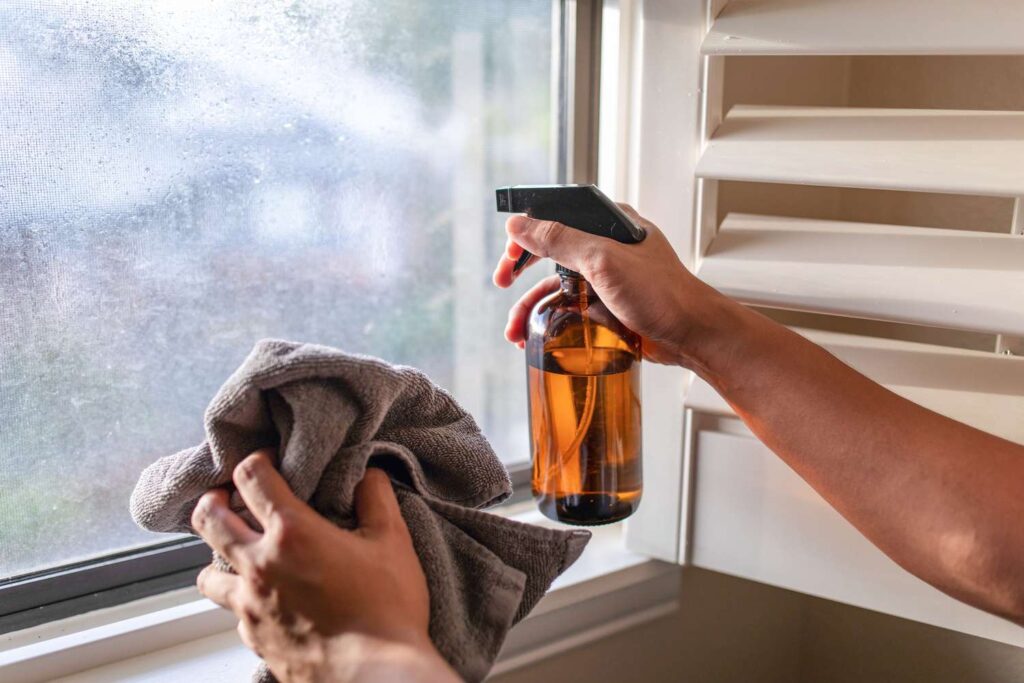
Before diving into the cleaning method, it helps to understand why windows can be such a pain to clean properly.
Windows collect a lot more grime than we think. Over time, they gather:
- Dust and pollen from the air
- Fingerprints and skin oils
- Hard water spots from rain or sprinklers
- Pollution residue and smoke film
- Greasy buildup, especially on kitchen windows
When you spray on a cleaner and wipe, that dirt doesn’t always lift away — it often just spreads around. Many store-bought glass cleaners also contain ammonia or alcohol, which can evaporate too quickly, leaving behind streaks or haze if the surface wasn’t completely clean to begin with.
The key to truly streak-free windows is breaking down grease, lifting dirt, and rinsing residue completely. And that’s exactly what vinegar and dish soap do together.

The Science Behind the Solution
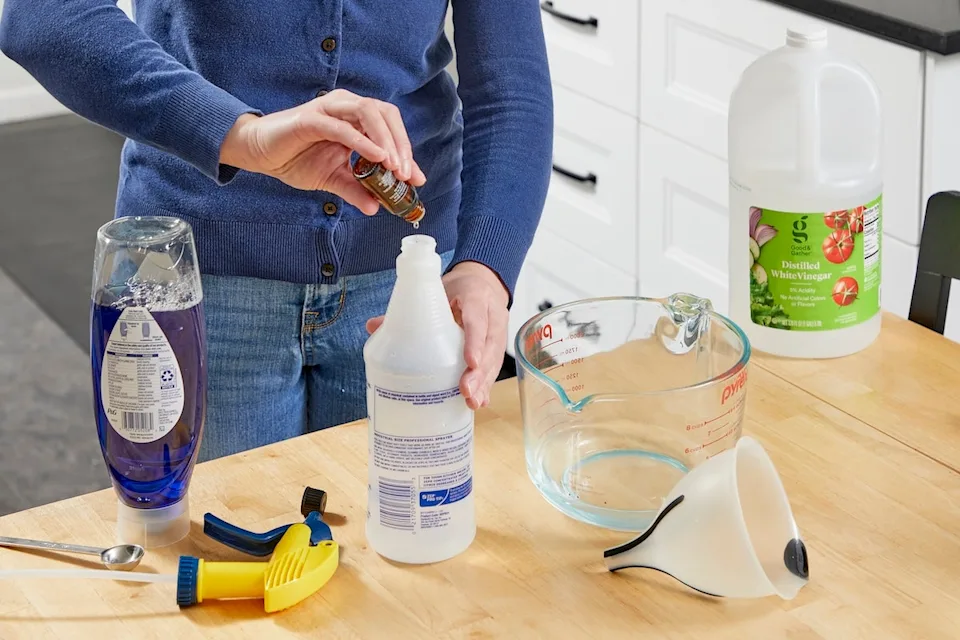
The vinegar-and-dish-soap combo works because the two ingredients complement each other perfectly:
- White vinegar is a natural acid (acetic acid) that cuts through mineral deposits, hard water stains, and grime. It also breaks down the film left behind by oils and soap scum.
- Dish soap acts as a surfactant — it lowers the surface tension of water so it can spread evenly and loosen greasy residues. It also helps the vinegar cling to glass longer instead of dripping right off.
Together, they dissolve dirt and lift it away, while the water rinses everything off without leaving streaks.
Think of vinegar as the “degreaser” and dish soap as the “dirt lifter.” The combination ensures that when you wipe the surface, nothing — not grease, not residue, not lint — gets left behind.
What You’ll Need
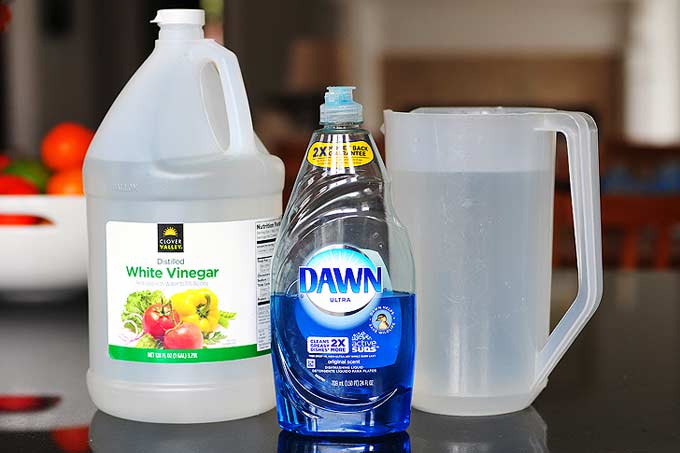
You don’t need anything fancy. Here’s the simple setup I used:
- 1 cup white distilled vinegar
- 1 cup warm water
- 1 teaspoon dish soap (any mild brand works; I used regular blue Dawn)
- Spray bottle
- Microfiber cloth or lint-free towel
- Optional: Squeegee for large windows
You can easily double or halve the recipe depending on how many windows you’re cleaning.
Step-by-Step: How I Cleaned My Windows to a Perfect Shine
Step 1: Mix the Solution
I started by filling a spray bottle with equal parts vinegar and warm water, then added a teaspoon of dish soap. Warm water helps the vinegar and soap blend better and loosens dirt more effectively.
After sealing the bottle, I gave it a gentle swirl (not a shake — you don’t want too many bubbles).

Step 2: Wipe Away Dust First
Before spraying anything, I quickly wiped the windows with a dry microfiber cloth to remove loose dust and cobwebs. This step prevents dirt from turning into muddy streaks once the liquid hits.
Step 3: Spray Generously
Next, I sprayed the vinegar-soap mixture liberally across the windowpane. For outdoor windows or those with heavy grime, I let it sit for a minute to dissolve buildup.
The smell of vinegar was strong at first, but it quickly faded — and it’s worth it for the results.
Step 4: Wipe and Buff
Using a clean microfiber cloth, I started wiping in circular motions to lift off dirt, then finished with vertical and horizontal swipes for a streak-free finish.
If you’re cleaning larger windows, you can use a squeegee: start at the top and pull straight down in overlapping strokes, wiping the squeegee blade after each pass.
Step 5: Dry Thoroughly
The final secret is drying the glass completely. I used a second dry microfiber towel to buff away any remaining moisture. This step gives the glass that flawless, crystal-clear shine.
The Results: Truly Streak-Free Windows
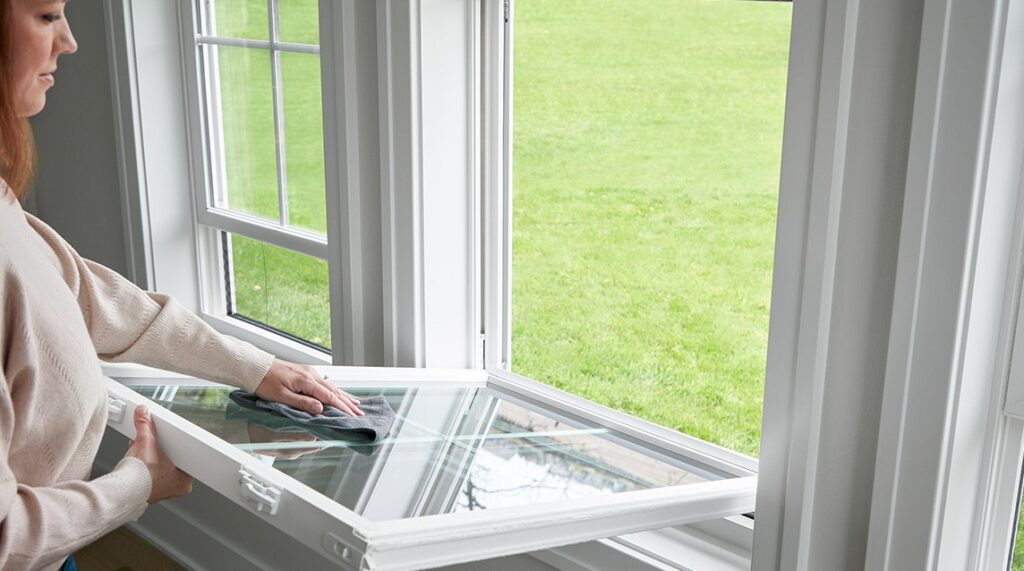
When I stepped back to look, I could hardly believe it. The windows looked invisible—no streaks, no film, no cloudy spots. Even when sunlight hit them directly, they gleamed without any smudges.

What amazed me most was how quickly it worked. No endless wiping, no waiting for the glass to “clear up.” The dirt and fingerprints just melted away, leaving a perfect finish.
And because vinegar and dish soap are gentle and residue-free, the clean look actually lasted longer than when I used commercial sprays.
Tips I Learned Along the Way
After using this method several times, I picked up a few handy lessons to make it even easier and more effective:
- Avoid cleaning in direct sunlight. The heat can cause the solution to dry too quickly, leading to streaks. Early morning or evening is best.
- Use two cloths. One for the initial wipe and one for the final dry buff. This prevents reapplying moisture.
- Wash your microfiber cloths often. Dirty cloths can leave lint or residue.
- For exterior windows: Add a few drops of lemon juice for extra cutting power against pollen and grime.
- For very dirty windows: Pre-wash with plain soapy water, rinse, then finish with the vinegar solution for a final polish.
These tweaks make a big difference, especially if you’re dealing with outdoor windows or long-neglected glass.
Why This Method Beats Commercial Cleaners
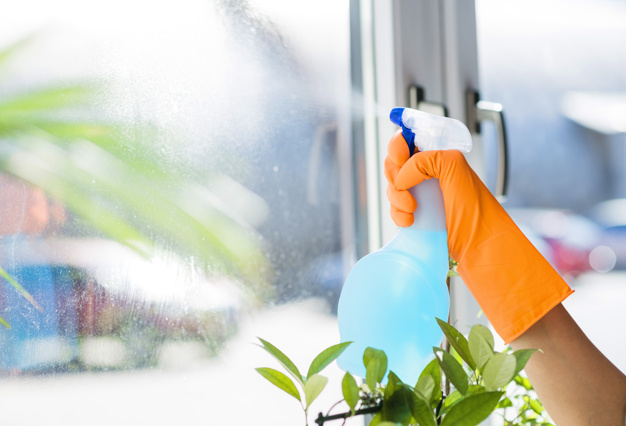
After years of buying glass sprays that promised “no streaks” but never delivered, I’ve completely switched to this homemade cleaner. Here’s why:
- No harsh chemicals: Store-bought cleaners often contain ammonia or artificial fragrances that can irritate your eyes and lungs. Vinegar and dish soap are non-toxic and safe around pets and kids.
- Costs pennies to make: You can clean your entire house with ingredients you already have in your pantry.
- Eco-friendly: Fewer plastic bottles, fewer chemical residues, and no aerosols.
- Versatile: This same mixture can clean mirrors, shower doors, car windows, stainless steel, and even countertops.
It’s proof that sometimes the simplest, oldest methods are still the best.
Bonus Uses for the Same Mixture
Once I discovered how powerful this vinegar-and-soap cleaner was, I started using it in other parts of my home — and the results were just as impressive.

- Bathroom mirrors: No fog, no streaks.
- Glass shower doors: Cuts through hard water stains and soap scum easily.
- Kitchen appliances: Perfect for leaving stainless steel gleaming without fingerprints.
- Car windows: Works just as well outside the house!
It’s become my go-to cleaner for nearly any shiny surface.
A Quick Note on the Vinegar Smell
Yes, vinegar has a strong odor when you first spray it. But don’t worry — the smell doesn’t linger once it dries. If it bothers you, add a few drops of essential oil (like lemon, lavender, or eucalyptus) to the mix for a pleasant scent.
The vinegar smell is actually part of what makes it so effective, as it naturally kills bacteria and deodorizes.
Eco-Friendly and Wallet-Friendly Cleaning
One of the most satisfying things about this discovery is realizing how sustainable and budget-conscious it is.
Think about it — you’re replacing expensive commercial cleaners (often filled with chemicals and packaged in single-use plastic) with two simple, biodegradable ingredients. You’re also cutting down on waste and avoiding unnecessary additives that can end up in waterways.
It’s a small change that makes a surprisingly big impact — for your wallet, your home, and the environment.
Troubleshooting: If You Still See Streaks
If your windows don’t come out perfectly clear the first time, here are a few common culprits:

- Too much soap: A tiny amount is enough. Too much leaves residue.
- Dirty rags: Old, linty towels can smear dirt instead of lifting it.
- Water quality: Hard water can leave mineral streaks; use distilled water if necessary.
- Old film buildup: If you’ve used waxy cleaners before, you might need to clean twice to remove old residue.
Once your glass is truly clean, future cleanings will be easier and streak-free every time.
Final Thoughts: The Simplest Cleaning Hack That Actually Works
After years of trying every cleaning gimmick under the sun, this one feels like discovering a hidden gem that’s been right in front of me all along.
The combination of vinegar and dish soap isn’t glamorous, but it’s effective. It’s natural, affordable, and dependable. And most importantly, it works without effort — no streaks, no smudges, no endless buffing.
Now, instead of dreading window cleaning day, I actually look forward to it. There’s something incredibly satisfying about standing back and seeing sunlight pour through spotless glass — knowing it took just a few minutes and ingredients from my kitchen.