If you cook often, you probably have that one pan — the one that used to shine but now looks permanently stained. Maybe it’s from burned sauce, stuck-on grease, or stubborn mineral buildup that just won’t scrub away. I had one too — my old stainless-steel saucepan that I’d used for years to make everything from oatmeal to caramel. Over time, it had developed a brown film and a dull, cloudy finish that never seemed to go away, no matter how much elbow grease I used.
Then I came across a simple cleaning trick that sounded almost too easy: boil vinegar and water in the pan, and it will clean itself. No scrubbing, no harsh cleaners, just two ingredients I already had in my kitchen. Skeptical but curious, I decided to give it a try — and what happened next completely changed how I clean my cookware.
The Problem with Dirty Pans
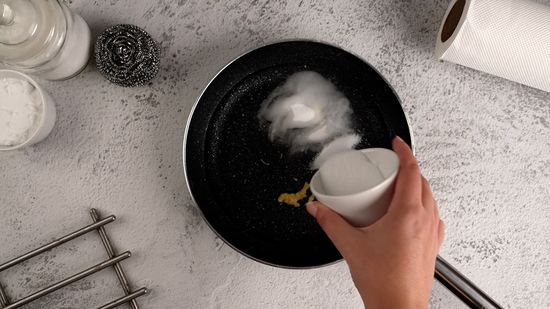
Even with regular washing, pans tend to build up residue over time. Burnt food, oil, and mineral deposits from water create layers that dull the shine and can even affect cooking performance. Stainless steel and aluminum are especially prone to discoloration and burnt-on stains when used over high heat.
Most of us reach for steel wool, abrasive powders, or chemical cleaners to deal with this buildup. I’d spent countless hours scrubbing, only to end up with sore arms and a pan that still looked dirty. Plus, harsh scrubbing can scratch the surface of cookware, especially nonstick and stainless-steel pans.
That’s why this vinegar method intrigued me — it promised a way to restore my pan’s shine without scrubbing at all.
Why Vinegar Works
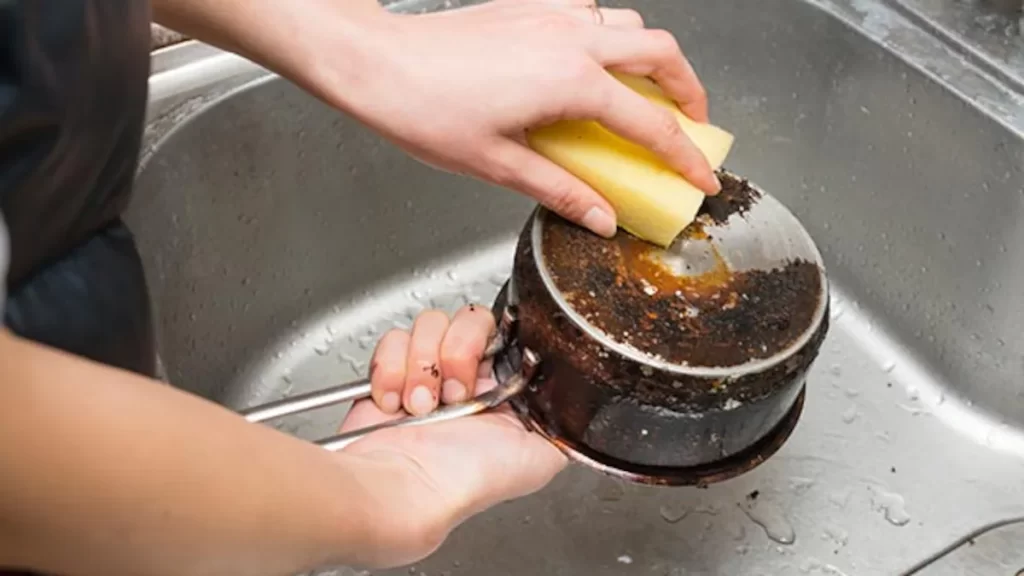
Vinegar is one of nature’s most effective cleaning agents, thanks to its high acidity. Here’s what makes it so powerful:

- Breaks down mineral deposits: Hard water leaves calcium and magnesium residues that create cloudy films. The acetic acid in vinegar dissolves these minerals easily.
- Cuts through grease: Vinegar loosens oily buildup and burnt food residue, making it easy to rinse away.
- Kills bacteria naturally: It has antimicrobial properties, helping sanitize surfaces safely.
- Restores shine: By dissolving dulling buildup, vinegar helps metal surfaces look polished again.
When heated, vinegar becomes even more effective. The steam helps loosen grime, and the warm acid penetrates tough stains that cold cleaning can’t reach.
How I Did It – Step-by-Step
I followed a simple process that took less than 20 minutes from start to finish.
What You’ll Need:
- 1 cup white vinegar
- 1 cup water
- A dirty pan
- A soft sponge or cloth
Step 1: Add the vinegar and water
I poured equal parts vinegar and water into my stained stainless-steel saucepan — enough to cover the discolored bottom completely.
Step 2: Bring it to a boil
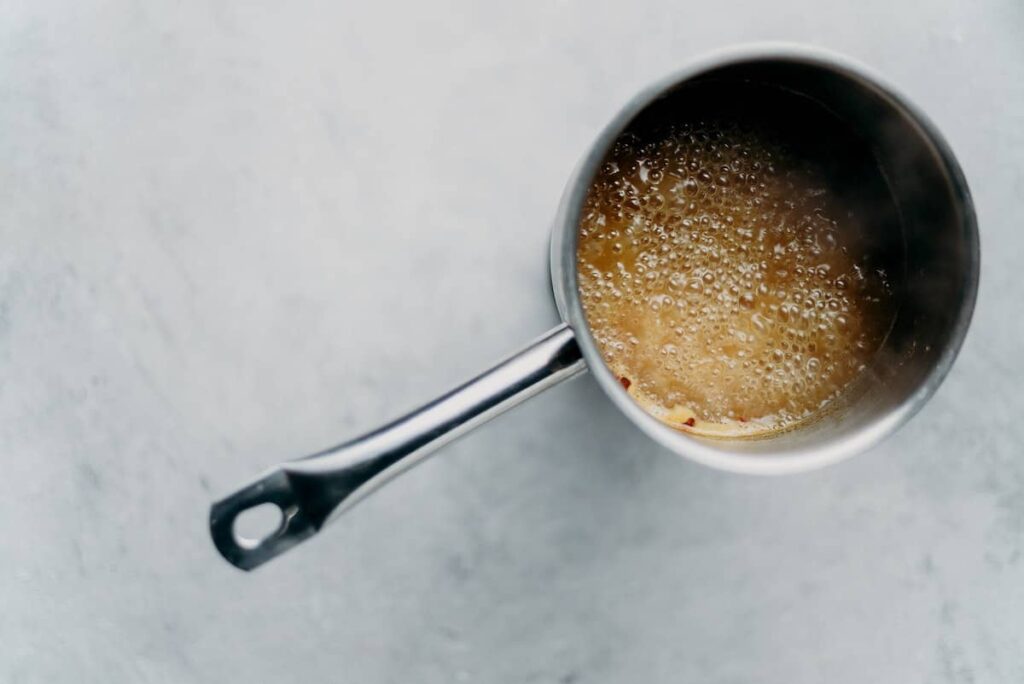
I placed the pan on the stove and brought the mixture to a gentle boil. As it heated up, I noticed tiny bubbles forming and a faint smell of vinegar filling the kitchen (not unpleasant, just tangy).
Step 3: Let it simmer for a few minutes
I let it bubble for about 5 minutes. During this time, I could already see bits of residue loosening from the surface. The mixture even started turning slightly brownish — proof that it was working.

Step 4: Turn off the heat and cool slightly
I turned off the stove and let the mixture sit for about 10 minutes. This allowed it to keep dissolving grime as the pan cooled.
Step 5: Wipe it clean
After pouring out the liquid, I grabbed a soft sponge and gently wiped the pan. To my surprise, all the brown stains and cloudy residue wiped away effortlessly. No scrubbing, no force — just a smooth, shiny surface underneath.
My old pan looked practically new again. The dull gray spots were gone, and the metal gleamed like it had when I first bought it.
For Stubborn Spots – Add Baking Soda
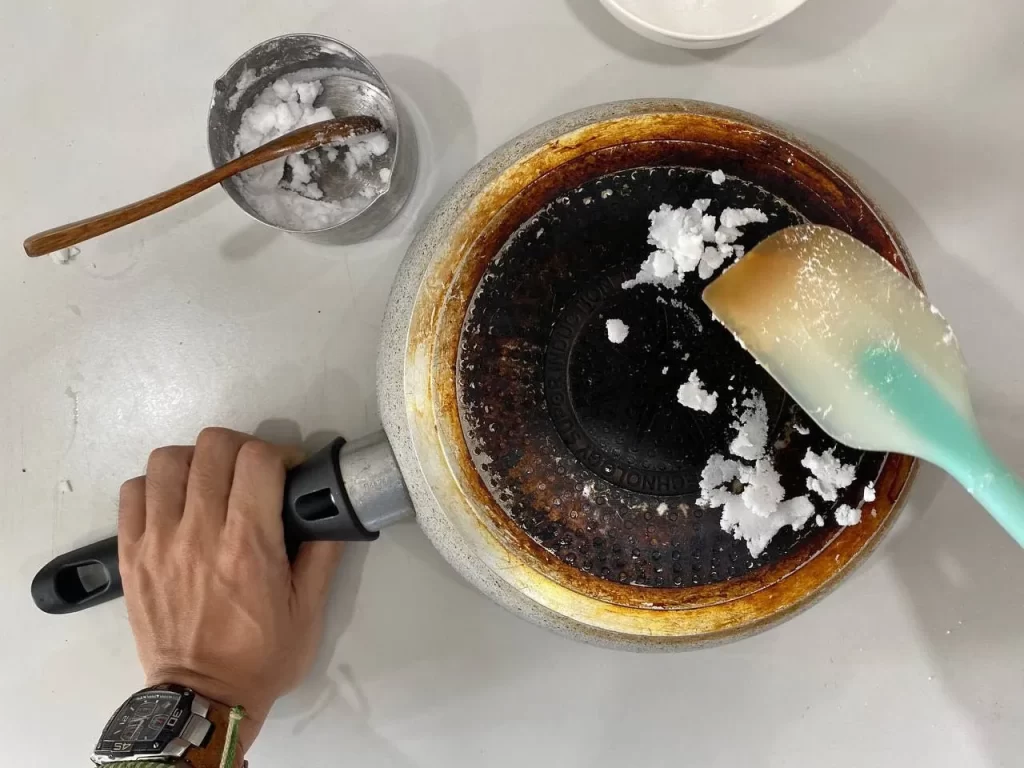
If your pan has burnt patches that don’t come off completely after boiling, you can take it a step further by using baking soda.
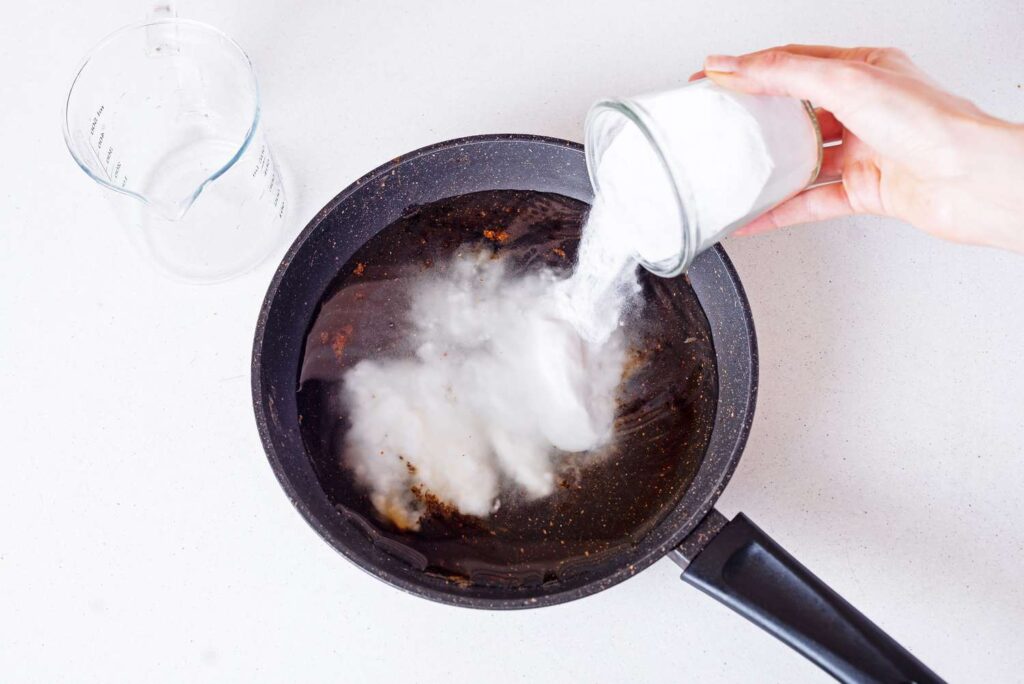
After pouring out the vinegar water, sprinkle a tablespoon or two of baking soda onto the still-warm pan. The slight acidity left from the vinegar reacts with the baking soda, creating a gentle fizz that lifts any remaining grime.
Let it sit for a few minutes, then wipe it down with a sponge. The combination of vinegar and baking soda works like a natural cleaning powerhouse — tough on stains but gentle on your cookware.

Why This Method Is So Effective
Boiling vinegar and water works on several levels:
- Heat expands the metal surface, loosening grime and mineral buildup.
- Vinegar dissolves deposits and cuts through grease.
- Steam helps soften stuck-on food, making it easier to wipe away.
- No harsh abrasives means your pan stays smooth and scratch-free.
It’s a chemical-free cleaning method that works as well — or better — than store-bought degreasers.
It’s Safe for More Than Just Pans
After seeing how well it worked on my saucepan, I tried the same method on other items — and the results were just as impressive.
- Kettles: Boil vinegar and water to remove limescale buildup from the inside of your electric or stovetop kettle.
- Coffee makers: Run a cycle with diluted vinegar to clean mineral deposits inside the machine.
- Glass cookware: The steam and acid combination restores clarity and removes film.
- Microwave: Heat a bowl of vinegar water for 5 minutes, then wipe away softened food splatters with ease.
It’s amazing how versatile this simple combination is for household cleaning.
A Greener Way to Clean
Beyond being effective, this trick aligns perfectly with a more sustainable, eco-friendly lifestyle.
- No harsh chemicals: Many commercial cleaners contain strong acids, synthetic fragrances, and other ingredients that can irritate skin or lungs. Vinegar is safe and natural.
- Non-toxic: You can use it around kids and pets without worry.
- Budget-friendly: A bottle of vinegar costs a fraction of specialty cleaning products and lasts for months.
- Less waste: You’re using ingredients you already have, reducing the need for disposable wipes or single-use sprays.
It’s a small but meaningful step toward a cleaner home and a cleaner planet.

How to Keep Pans Clean Longer
After discovering this trick, I also changed how I care for my cookware to prevent buildup in the first place. Here are a few helpful tips:
- Don’t overheat empty pans: High heat can discolor metal and cause sticking.
- Clean right after cooking: Letting residue sit makes it harder to remove later.
- Avoid abrasive scrubbers: Use soft sponges to protect the surface.
- Rinse with hot water: It helps loosen grease before it cools and hardens.
- Do a vinegar rinse monthly: A quick boil with vinegar and water every few weeks prevents future stains.
These small habits keep your pans shiny and prolong their lifespan.
A Small Change with Big Results
I was genuinely amazed by how effortless this method turned out to be. I went from scrubbing endlessly with steel wool to watching stains dissolve before my eyes — just from boiling vinegar and water.
Even the toughest, brown-burned spots lifted off easily. My old, neglected saucepan now gleams like it’s straight out of the box. The best part? I didn’t need to buy a single cleaning product or use any chemicals.
This simple, natural approach made me rethink how I clean in general. Sometimes, the best solutions aren’t found in the cleaning aisle — they’re already sitting in your pantry.
Final Thoughts
If you’ve got a stained or grimy pan that seems impossible to clean, try boiling a mixture of vinegar and water before giving up on it. It’s one of the easiest, most satisfying kitchen cleaning tricks you’ll ever try.

The science is simple, the ingredients are safe, and the results are stunning. You’ll not only save time and money but also avoid the need for harsh chemicals that can damage cookware or irritate your skin.
Now, whenever one of my pots or pans starts looking a little worse for wear, I don’t reach for scouring pads or harsh cleaners anymore. I just fill it with vinegar and water, let it boil for a few minutes, and watch the magic happen.
It’s proof that sometimes, the simplest solutions are the most powerful ones — and a little kitchen chemistry can make even your dirtiest pan look brand new again.