Lemon plants are among the most rewarding fruit trees to grow at home. Not only do they provide fragrant leaves and bright yellow fruits, but they also add a refreshing touch to your garden or balcony. However, lemon plants can sometimes show signs of stress or decline, leaving gardeners worried about their health. The good news is that most lemon plant problems are solvable with proper care.
This comprehensive guide explains common lemon plant problems, why they occur, and practical solutions to save your dying lemon plant. With these tips, you can restore your plant to health and enjoy lush foliage and abundant fruits once again.
1. Identifying Common Lemon Plant Problems
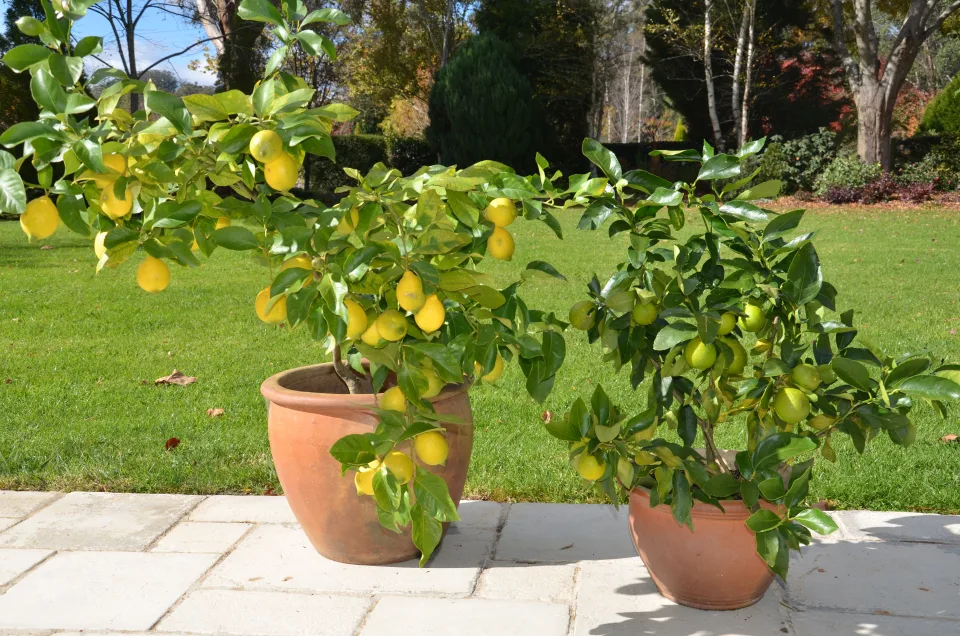
Before taking action, it’s important to recognize the signs of a stressed or dying lemon plant. Some common issues include:
- Yellowing Leaves: Can indicate overwatering, nutrient deficiency, or pest infestation.
- Leaf Drop: Often caused by sudden environmental changes, underwatering, or root stress.
- Brown Leaf Tips: Usually a sign of low humidity, salt buildup, or over-fertilization.
- Slow Growth: Caused by insufficient sunlight, poor soil, or lack of nutrients.
- Pests: Aphids, spider mites, scale insects, and whiteflies can damage leaves and stems.
- Diseases: Fungal infections like root rot, powdery mildew, or citrus canker affect plant health.
Identifying the exact problem is the first step in reviving a lemon plant.
2. Assessing Watering Issues
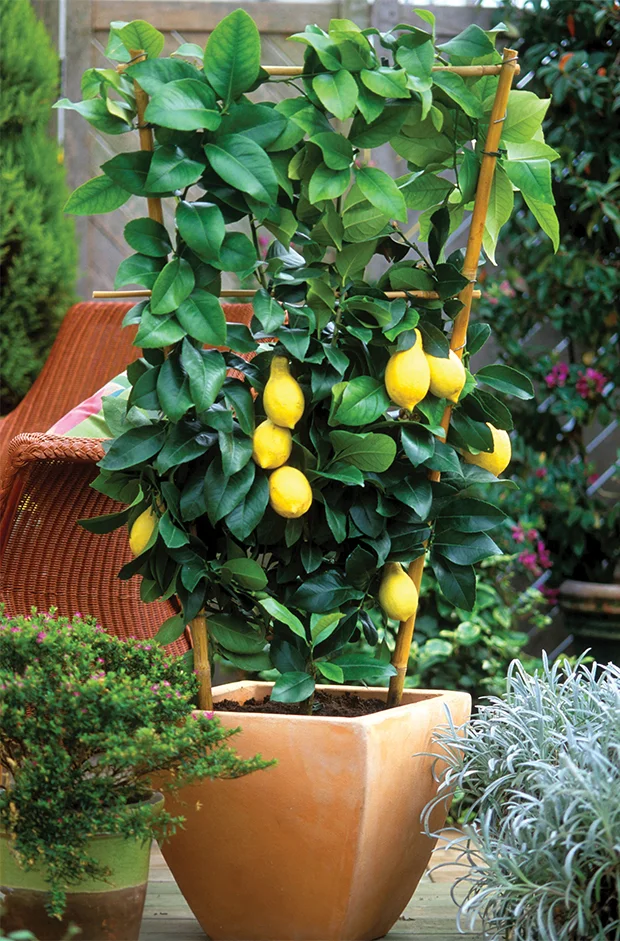
Watering is the most common factor affecting lemon plants. Both overwatering and underwatering can cause severe stress:

- Overwatering: Roots may rot if soil is waterlogged. Signs include yellowing leaves, soft stems, and a foul smell from the soil.
Solution: Remove the plant from the pot, trim any rotting roots, and repot in well-draining soil. Water only when the top 1–2 inches of soil are dry. - Underwatering: Leaves curl, brown at the edges, or drop prematurely.
Solution: Water deeply and consistently. Mulch around the base to retain moisture.
Proper watering ensures the plant’s roots are healthy, which is critical for leaf growth and fruit development.
3. Providing Adequate Sunlight
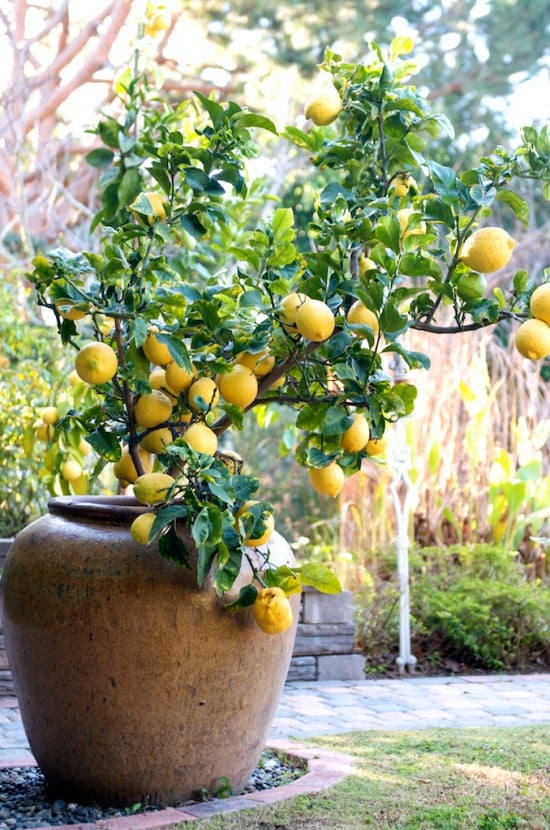
Lemon plants require at least 6–8 hours of direct sunlight daily. Insufficient light can lead to:
- Slow growth
- Pale or yellow leaves
- Lack of flowers or fruit
Solution: Move potted lemon plants to a sunny spot, or prune surrounding trees and plants in the garden to allow more light. For indoor plants, place them near a south-facing window or use grow lights. Adequate sunlight restores energy and stimulates flowering.
4. Correcting Nutrient Deficiencies
Nutrient deficiencies often cause yellowing leaves, poor growth, and weak plants:
- Nitrogen Deficiency: Causes yellowing of older leaves.
- Magnesium Deficiency: Yellowing between leaf veins, often in mature leaves.
- Iron Deficiency: Yellowing leaves with green veins, usually on new growth.
Solution: Apply a balanced citrus fertilizer or use specific nutrient supplements. Slow-release fertilizers are ideal for consistent nutrient supply. Organic options like compost or well-rotted manure also improve soil health. Regular fertilization ensures strong roots, vibrant leaves, and healthy fruit.

5. Managing Pests and Insects
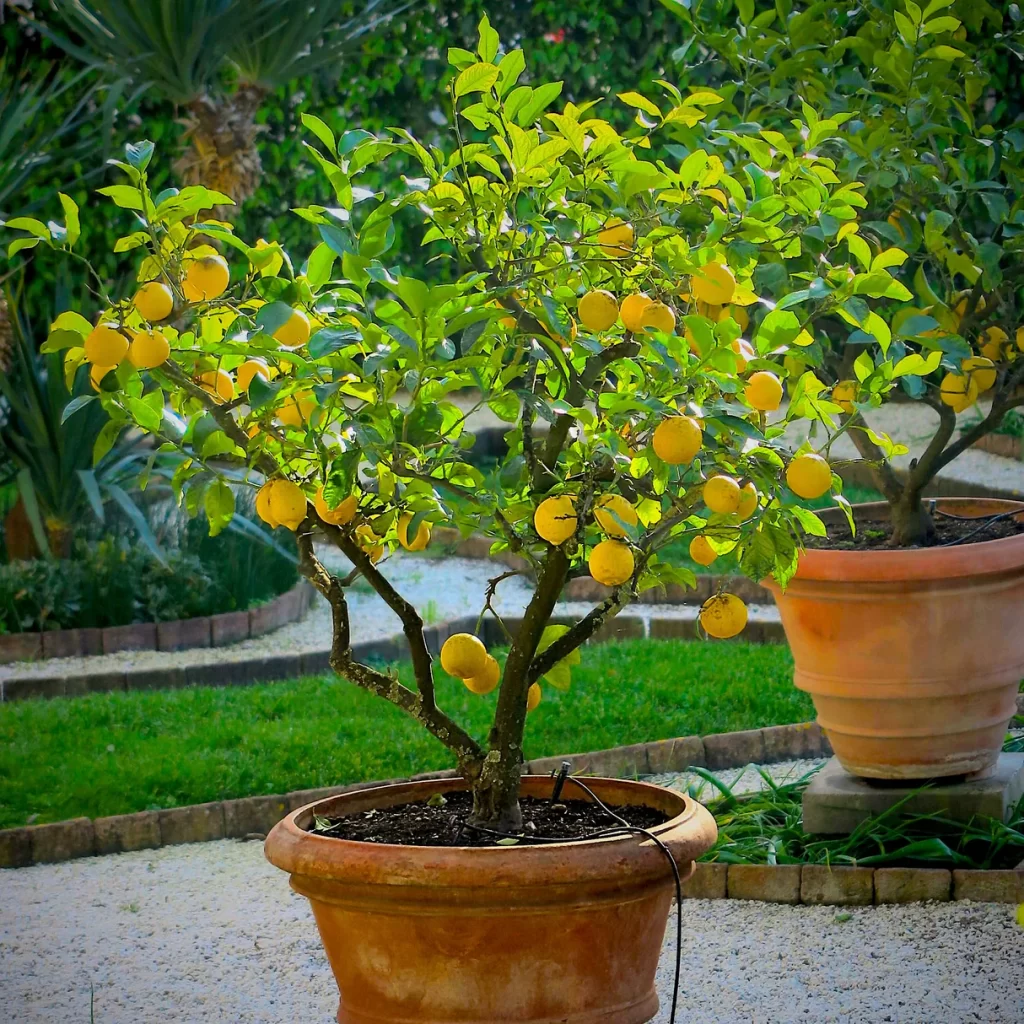
Pests can weaken lemon plants by feeding on leaves, stems, and sap:
- Aphids: Small green or black insects, often found on new growth.
- Spider Mites: Tiny red or brown dots on leaves causing yellow speckles.
- Scale Insects: Brown or white bumps on stems and leaves.
- Whiteflies: Small white insects flying around the plant when disturbed.
Solution:
- Spray plants with neem oil or insecticidal soap weekly.
- Remove heavily infested leaves or stems.
- Maintain good air circulation around plants to discourage pests.
Controlling pests ensures the plant recovers quickly and grows vigorously.
6. Preventing and Treating Diseases
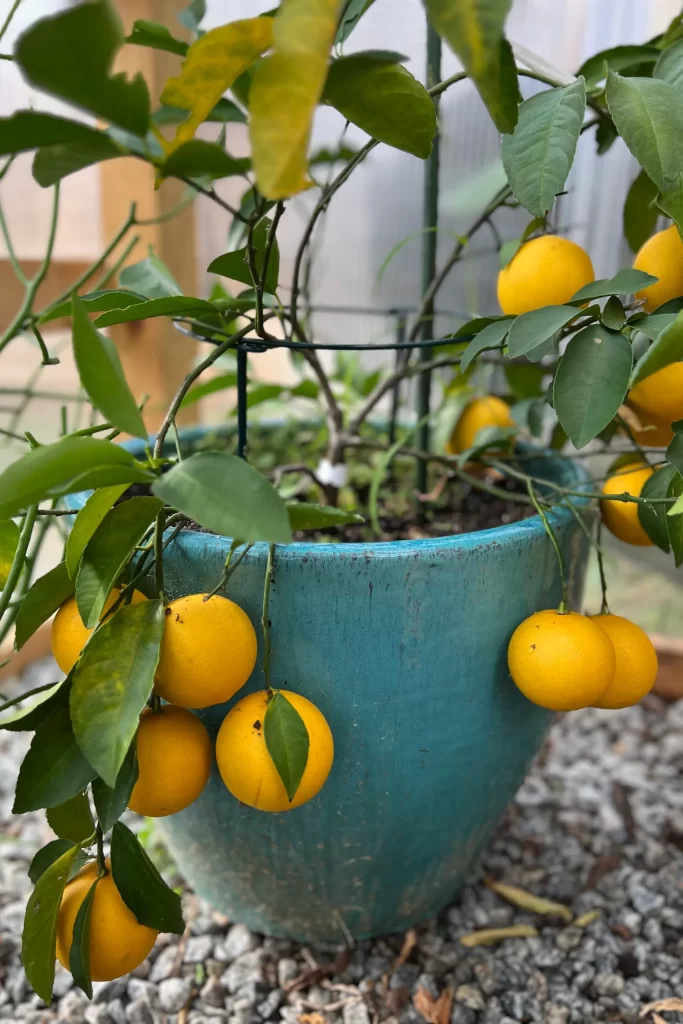
Common diseases affecting lemon plants include:
- Root Rot: Caused by waterlogged soil and fungal infections.
Solution: Repot in well-draining soil and trim affected roots. - Powdery Mildew: White, powdery coating on leaves.
Solution: Spray with a fungicide or baking soda solution. - Citrus Canker: Bacterial infection causing lesions on leaves, stems, and fruit.
Solution: Remove infected parts and apply copper-based fungicide.
Healthy cultural practices like proper watering, spacing, and pruning reduce the risk of disease and revive struggling plants.
7. Pruning and Plant Care
Pruning helps lemon plants focus energy on new growth and fruit production:
- Remove dead, damaged, or diseased branches.
- Thin out overcrowded branches to improve air circulation.
- Prune lightly in early spring to stimulate growth.
Regular pruning promotes strong structure, better flowering, and fruiting.
8. Environmental Stress Factors
Lemon plants are sensitive to sudden changes in environment:
- Temperature: Ideal range is 20–30°C. Frost or extreme heat can stress plants.
- Humidity: Low humidity may cause brown leaf tips.
- Wind: Strong winds can damage leaves and branches.
Solution: Protect plants with shade cloth during extreme heat, move potted plants indoors during frost, and increase humidity with misting. Proper environmental management ensures steady recovery and growth.
9. Repotting and Soil Management
Over time, soil becomes compacted and nutrient-depleted:

- Repot plants every 2–3 years with fresh, well-draining soil.
- Add compost or organic matter to replenish nutrients.
- Ensure pots have adequate drainage to prevent root rot.
Fresh soil and appropriate pot size allow roots to grow freely and absorb nutrients efficiently.
10. Regular Monitoring and Updates
Saving a dying lemon plant requires consistent observation:
- Check leaves, stems, and roots regularly for signs of pests or disease.
- Monitor watering and adjust according to seasonal changes.
- Fertilize appropriately and prune when necessary.
- Track recovery and note improvements or recurring issues.
Regular updates and attentive care ensure that your lemon plant regains health and thrives.
Tips for Keeping Lemon Plants Healthy
- Water consistently but avoid overwatering.
- Provide at least 6–8 hours of sunlight daily.
- Use balanced fertilizer or organic compost regularly.
- Inspect for pests and treat promptly.
- Prune dead or damaged branches to stimulate new growth.
- Repot every 2–3 years with fresh soil.
- Protect from frost, extreme heat, and strong winds.
- Mulch around the base to retain moisture and regulate soil temperature.
Following these tips will prevent problems and ensure long-term plant health.
Conclusion
A dying lemon plant is not beyond hope. With proper care, attention, and timely intervention, most lemon plant problems can be solved. By correcting watering practices, providing adequate sunlight, addressing nutrient deficiencies, managing pests and diseases, and maintaining good environmental conditions, your lemon plant can recover and flourish.

Home-grown lemons not only beautify your garden but also provide fresh, organic fruits for years to come. Start applying these techniques today, and watch your lemon plant bounce back to life with lush foliage and vibrant fruits.