Lemon trees are a wonderful addition to any home garden or balcony. Not only do they provide fresh, tangy lemons year-round, but they also add a refreshing fragrance and a splash of green to your space. Growing lemon trees in pots is an excellent solution for those with limited garden space, allowing you to enjoy homegrown lemons even in apartments. In this guide, we will explore how to grow lemons in pots, including soil requirements, watering, fertilization, pruning, and pest control tips.
Why Grow Lemon Trees in Pots?
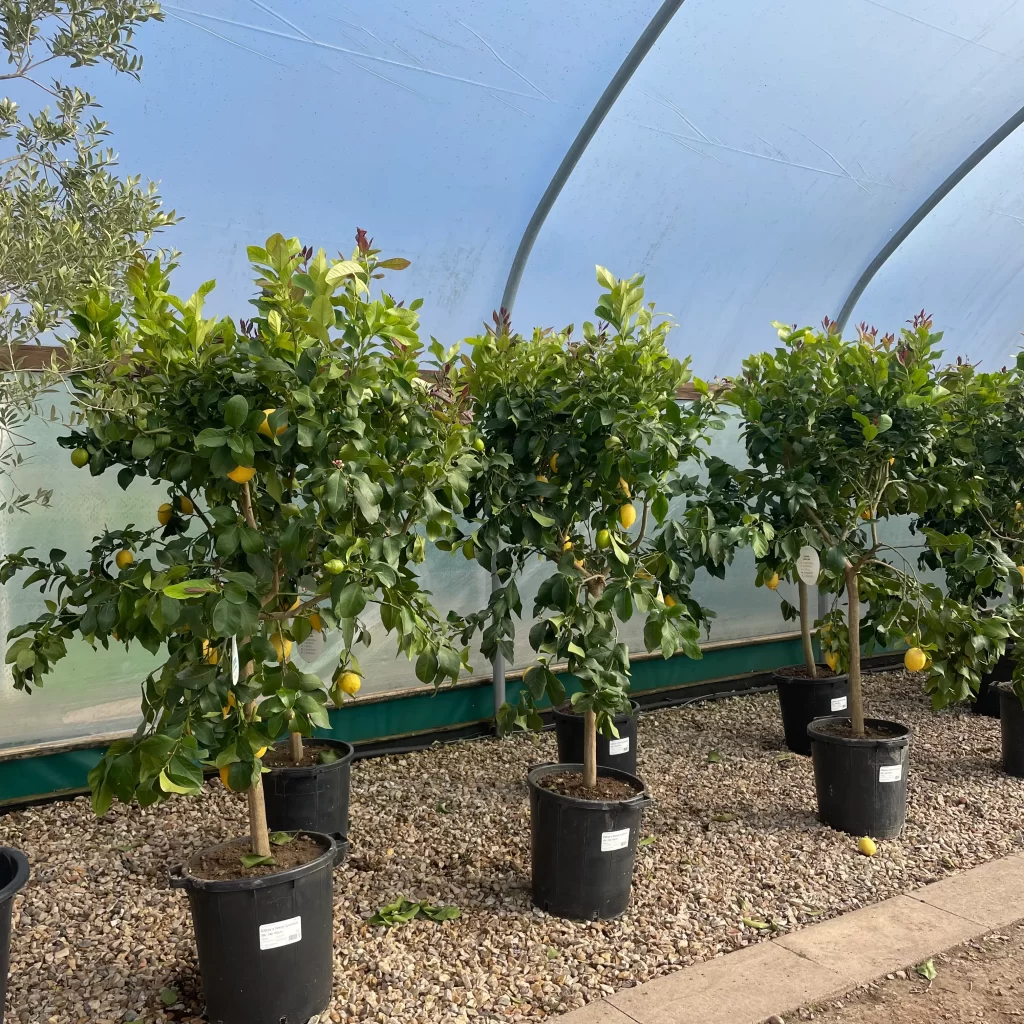
- Space-Saving – Ideal for balconies, patios, and small gardens.
- Mobility – Potted lemon trees can be moved indoors during cold weather.
- Control Over Soil and Watering – Easier to manage soil quality and drainage.
- Continuous Fruit Production – With proper care, potted lemon trees can produce fruit year-round.
Choosing the Right Lemon Variety for Pots
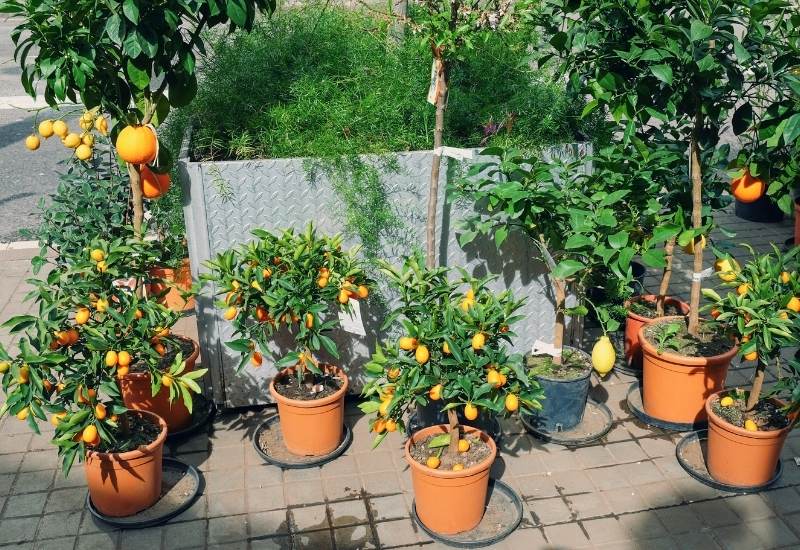
Not all lemon varieties are suited for container growth. Some compact and dwarf varieties are perfect for pots:
- Meyer Lemon – Small, sweet, and slightly less acidic; ideal for indoor and balcony pots.
- Eureka Lemon – Classic large yellow lemons; best in sunny outdoor pots.
- Lisbon Lemon – Hardy and productive; suitable for both indoor and outdoor containers.
- Ponderosa Lemon – Large, thick-skinned fruits; grows well in deep pots.
Tip: Dwarf or semi-dwarf varieties are easiest to manage in containers.
Materials Needed
Before planting, gather the following essentials:
- Lemon sapling or grafted plant
- Large container (minimum 15–20 inches in diameter) with drainage holes
- Well-draining potting mix (preferably a citrus-specific mix)
- Organic compost or manure
- Fertilizer (balanced NPK and micronutrients)
- Mulch
- Watering can or hose
Step-by-Step Guide to Growing Lemon Trees in Pots
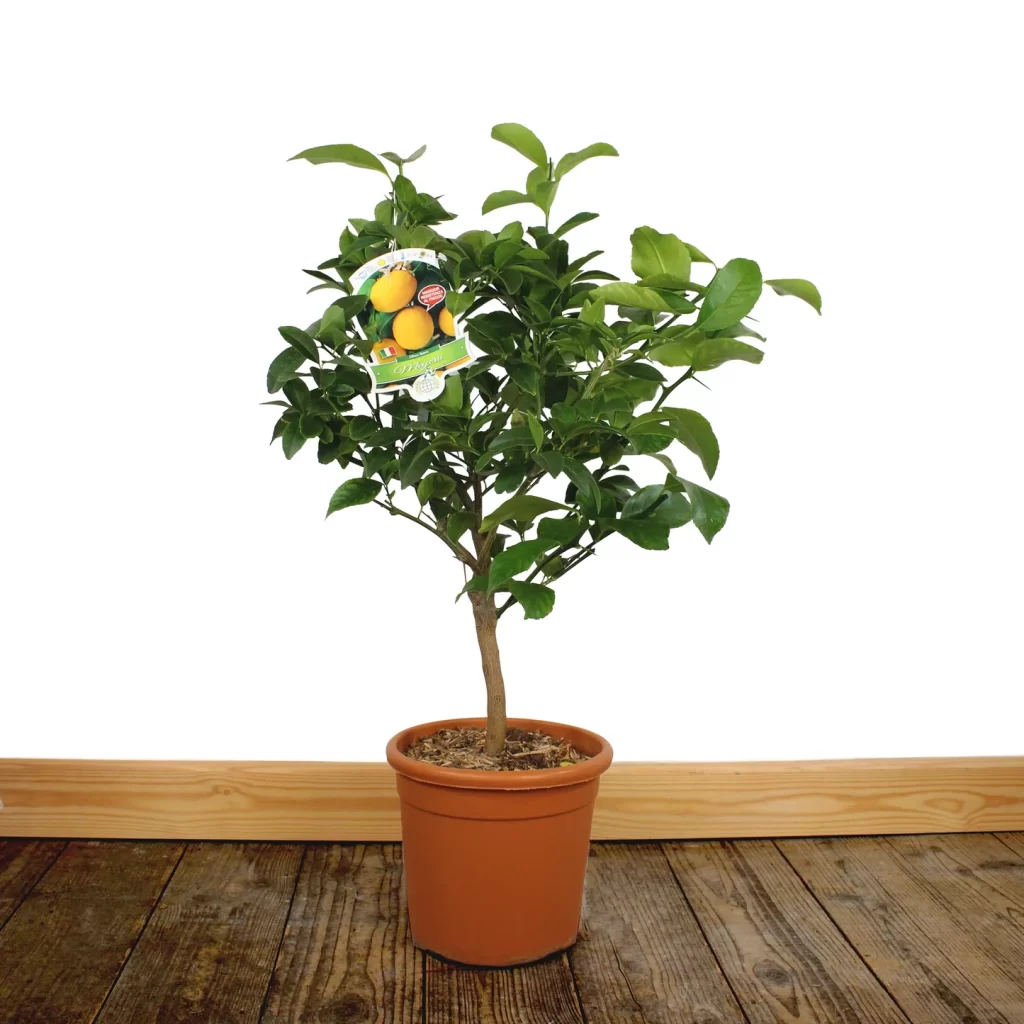
Step 1: Choosing the Right Pot
- Ensure the pot has sufficient depth (at least 18 inches) for root growth.
- Use clay, ceramic, or plastic pots; clay provides good aeration, while plastic is lightweight.
- Make sure there are enough drainage holes to prevent waterlogging.
Step 2: Preparing the Soil
- Lemon trees prefer well-draining, slightly acidic soil with a pH of 5.5–6.5.
- Mix potting soil with sand, perlite, and compost to improve drainage and fertility.
- Avoid heavy garden soil as it can retain too much water and cause root rot.
Step 3: Planting the Lemon Tree
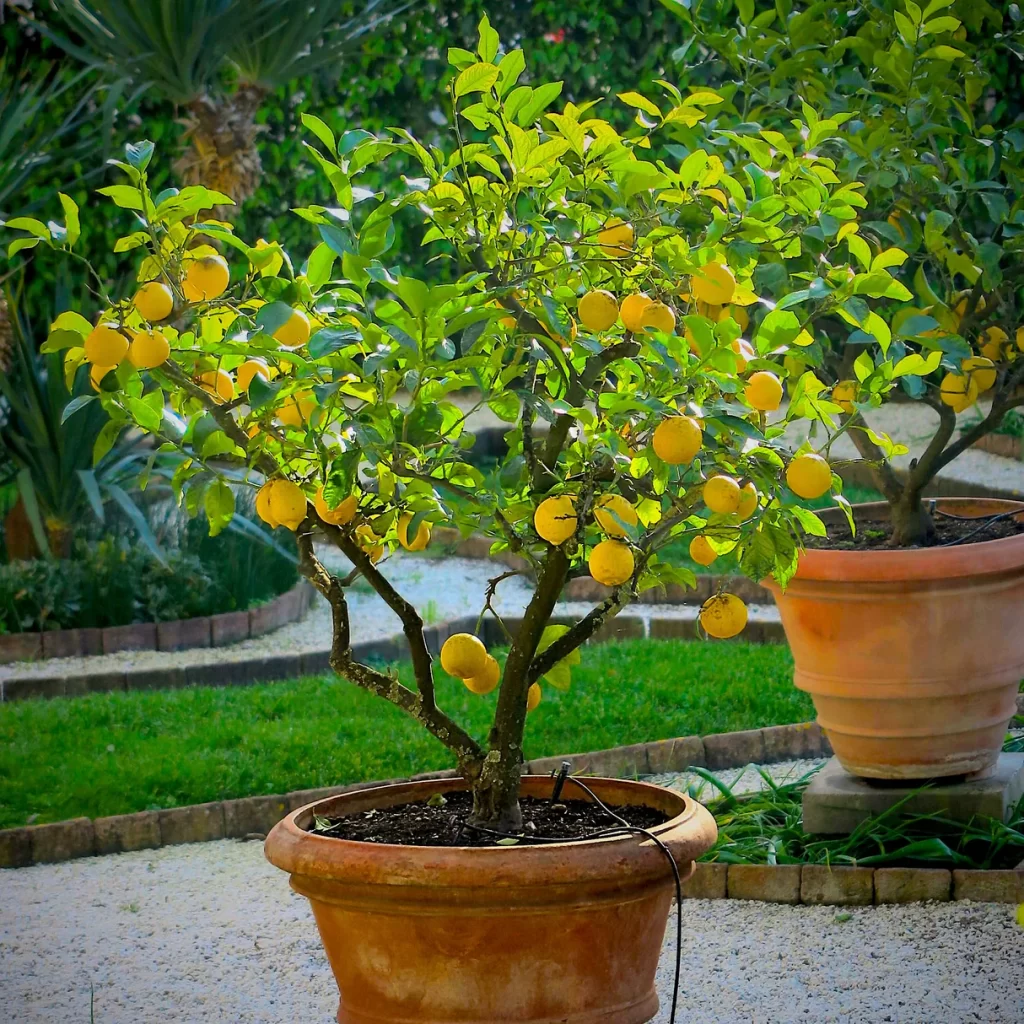
- Place a layer of gravel or small stones at the bottom of the pot for extra drainage.
- Fill the pot partially with soil mix.
- Remove the sapling from its nursery container, gently loosening the roots.
- Position the plant in the center of the pot and fill around it with soil.
- Water thoroughly to settle the soil and remove air pockets.
Update Tip: Avoid planting too deep—the top of the root ball should be slightly above the soil surface.
Step 4: Watering
Proper watering is key to a healthy lemon tree:
- Keep the soil consistently moist but not waterlogged.
- Water when the top 1–2 inches of soil feels dry.
- During hot summer months, potted lemon trees may require daily watering.
- Reduce watering in winter when growth slows.
Tip: Mulching around the base helps retain moisture and reduce evaporation.
Step 5: Sunlight Requirements
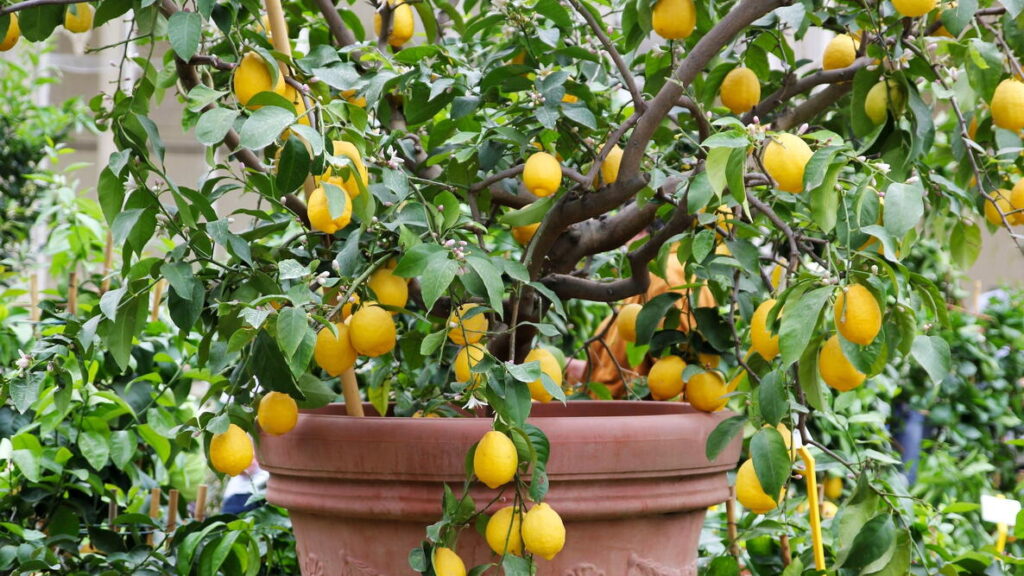
- Lemon trees thrive in full sunlight—6–8 hours of direct sunlight daily is ideal.
- For indoor pots, place near a south-facing window or use grow lights.
- Rotate the pot occasionally to ensure uniform growth.
Step 6: Fertilization
- Use a balanced citrus fertilizer or slow-release granular fertilizer with NPK 6:6:6 or 8:8:8.
- Feed every 6–8 weeks during the growing season (spring and summer).
- Include micronutrients such as magnesium, zinc, and iron for healthy foliage and fruiting.
- Reduce fertilization in winter when the plant is dormant.
Update Tip: Foliar feeding with liquid fertilizer every 2–3 weeks can improve flowering and fruit set.
Step 7: Pruning and Maintenance
- Prune lightly to maintain shape and remove dead, diseased, or weak branches.
- Remove shoots growing inward or crossing branches to improve air circulation.
- Avoid heavy pruning during fruiting as it can reduce yield.
Step 8: Flowering and Fruit Set
- Lemon trees typically flower in spring and summer.
- Pollination is essential for fruit set—outdoor plants are naturally pollinated by bees.
- For indoor plants, gently shake flowers or use a small brush to transfer pollen.
Tip: Warm, sunny conditions and consistent watering encourage continuous flowering and fruiting.
Pest and Disease Management
- Aphids and Mealybugs – Treat with neem oil or insecticidal soap.
- Spider Mites – Spray with water regularly to remove mites or use horticultural oil.
- Root Rot – Caused by waterlogging; ensure proper drainage and avoid overwatering.
- Leaf Yellowing – Often due to nutrient deficiency, especially nitrogen or iron. Adjust fertilization accordingly.
Tips for Maximum Fruit Production
- Provide adequate sunlight and warmth.
- Water consistently and avoid sudden changes in soil moisture.
- Fertilize regularly with citrus-specific fertilizers.
- Ensure good pollination, especially for indoor potted plants.
- Keep the plant stress-free; minor drought can stimulate flowering, but prolonged stress reduces fruit.
Winter Care for Potted Lemon Trees
- Move the pot indoors or to a sheltered area during cold months (below 10°C / 50°F).
- Reduce watering and fertilization during dormancy.
- Provide as much sunlight as possible, using grow lights if necessary.
Tip: Insulate the pot by wrapping with jute or bubble wrap to protect roots from frost.
Container Tips for Healthy Growth
- Repot every 2–3 years to refresh soil and prevent root binding.
- Prune roots slightly during repotting to encourage new growth.
- Ensure the container is large enough for root development—crowded roots reduce flowering and fruiting.
Conclusion
Growing lemon trees in pots is an excellent way to enjoy fresh, homegrown lemons while adding beauty and fragrance to your garden or balcony. With proper care—including well-draining soil, consistent watering, sunlight, fertilization, and pruning—your potted lemon tree can thrive for years.
Whether you choose Meyer, Eureka, Lisbon, or Ponderosa varieties, container gardening allows flexibility and mobility, especially in regions with colder winters. By following these tips, you can cultivate a healthy, fruitful lemon tree that produces vibrant blooms and juicy lemons year after year.

Start today and enjoy the satisfaction of harvesting your very own lemons from the comfort of your home!