Rain lilies, also known as Zephyranthes, are charming bulbs that bloom after rain or watering, producing delicate, star-shaped flowers in shades of white, pink, and yellow. They are perfect for pots, borders, and small garden spaces, offering seasonal bursts of color. Their easy-to-grow nature and low maintenance make them a favorite among gardeners. In this guide, we’ll cover everything you need to know about growing Rain Lilies in pots—from planting to care, flowering tips, and troubleshooting—along with updated practices for healthier growth.
Why Grow Rain Lily in Pots?
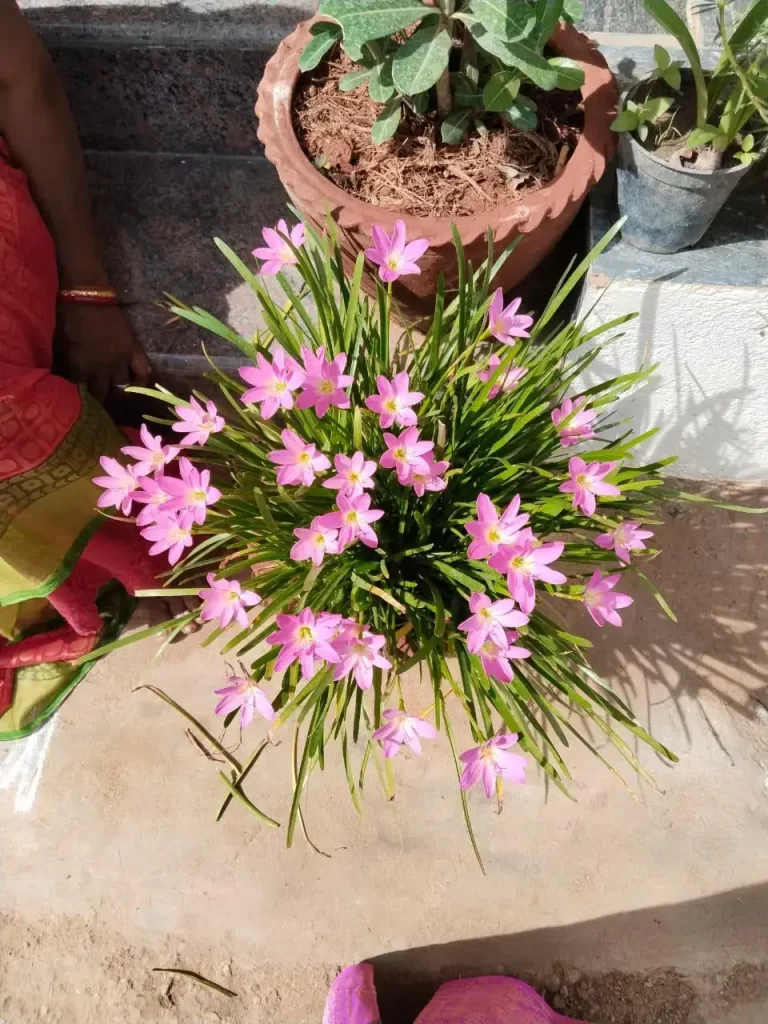
- Space-Efficient – Ideal for balconies, patios, and small gardens.
- Portable – Potted plants can be moved indoors or to shaded areas during extreme weather.
- Quick Blooming – Rain lilies bloom in response to watering, adding surprise bursts of color.
- Low Maintenance – Requires minimal care, making them perfect for beginners.
Materials Needed to Grow Rain Lily in Pots
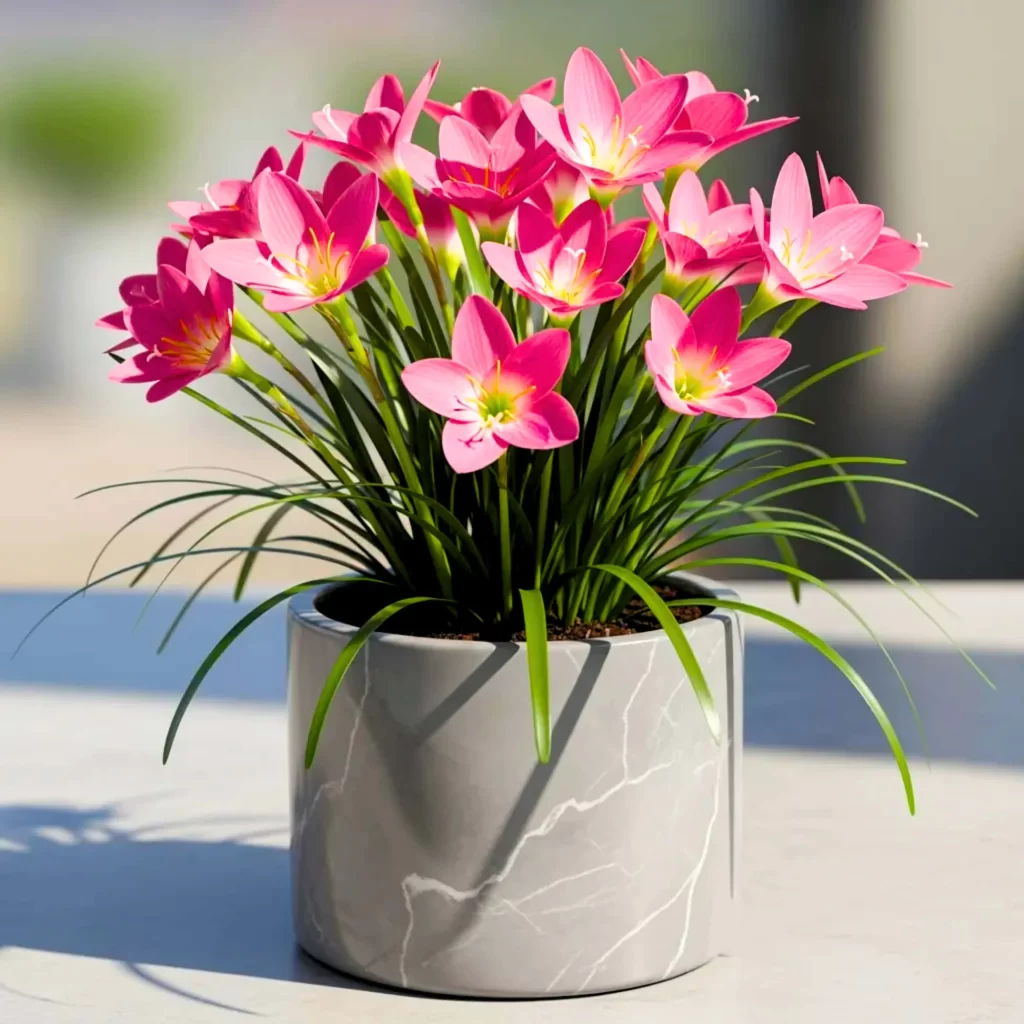
- Healthy Zephyranthes bulbs
- Medium to large pots (at least 6–8 inches deep) with drainage holes
- Well-draining soil (loamy or sandy soil mixed with compost)
- Mulch (optional)
- Watering can or hose
- Fertilizer (balanced or bloom-promoting)
Update Tip: Choose bulbs from reputable nurseries to ensure high germination and flowering success.
Step-by-Step Guide to Growing Rain Lily in Pots
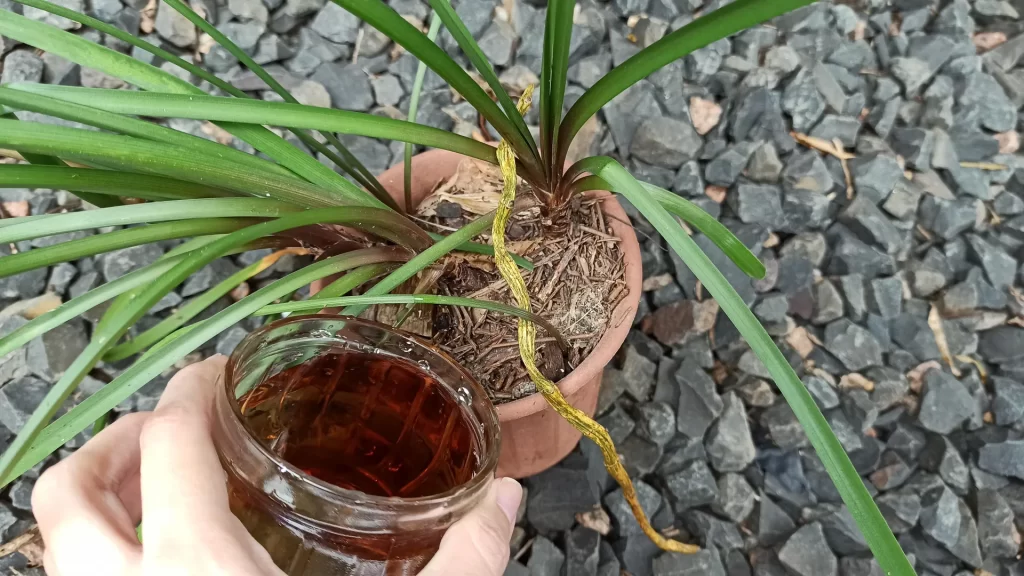
Step 1: Choosing the Right Pot
- Use a pot with drainage holes to prevent waterlogging.
- Terracotta or ceramic pots are ideal as they allow airflow to roots.
- For clustered planting, use wider pots to accommodate multiple bulbs.
Tip: Rain lilies spread quickly, so ensure enough space between bulbs for healthy growth.

Step 2: Preparing the Soil
- Rain lilies prefer well-draining, slightly sandy or loamy soil.
- Mix garden soil with sand and compost (2:1:1) to improve drainage and fertility.
- Ensure the soil is loose to allow bulb roots to grow freely.
Update Tip: Adding a handful of bone meal or slow-release fertilizer to the soil before planting helps stimulate flowering.
Step 3: Planting Rain Lily Bulbs
- Fill the pot partially with soil.
- Place bulbs with the pointed end facing upwards, spacing them 2–3 inches apart.
- Cover the bulbs with 1–2 inches of soil, ensuring they are slightly exposed at the tip.
- Water lightly after planting to settle the soil.
Tip: Avoid planting bulbs too deep; shallow planting encourages quicker emergence.
Step 4: Watering Requirements
- Rain lilies are responsive to water—they bloom after rainfall or watering.
- Keep soil consistently moist but not soggy.
- Reduce watering slightly during dormancy (usually winter).
Update Tip: Use lukewarm water to prevent shocking the bulbs and ensure uniform flowering.

Step 5: Sunlight and Placement
- Rain lilies thrive in full to partial sunlight.
- Place pots where they receive 4–6 hours of sunlight daily.
- Partial shade is acceptable but may reduce flower production.
Update Tip: Rotate pots occasionally to ensure even growth and uniform flowering.
Step 6: Fertilization
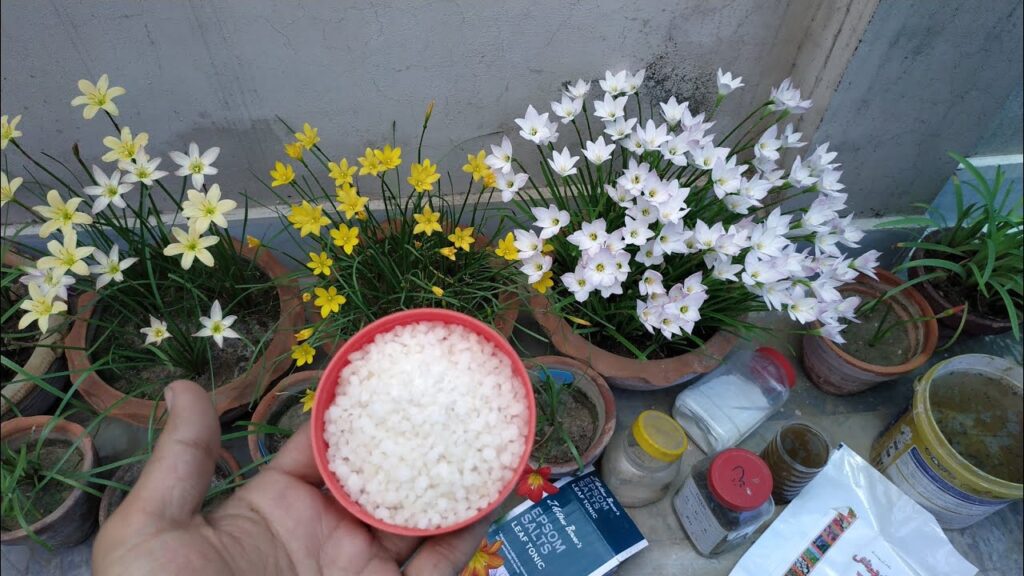
- Use a balanced fertilizer (NPK 10:10:10) for regular growth.
- During flowering season, apply a bloom-promoting fertilizer high in phosphorus (NPK 10:30:10).
- Fertilize every 4–6 weeks during the active growing season.
Tip: Foliar sprays of diluted liquid fertilizer can encourage brighter blooms.
Step 7: Flowering and Bloom Care
- Rain lilies bloom after rainfall or watering, typically producing small, delicate flowers that last 1–2 days.
- Deadhead spent flowers to encourage further blooms.
- Cluster planting increases the visual impact of multiple flowers blooming together.
Update Tip: Ensure bulbs are not crowded and receive sufficient sunlight for consistent flowering.

Propagation of Rain Lily
Rain lilies can be propagated through seeds or bulb division:
- Bulb Division:
- After 2–3 years, lift bulbs and separate offsets.
- Replant offsets in fresh soil.
- This is the fastest method to increase plants.
- Seed Propagation:
- Collect seeds after flowers fade.
- Sow in well-draining soil and keep moist.
- Seedlings may take longer to flower (6–12 months).
Tip: For faster flowering, use bulb division over seeds.
Common Problems and Solutions
- Yellowing Leaves – Often due to overwatering or poor drainage.
- Solution: Reduce watering and improve soil drainage.
- Poor Flowering – May be caused by insufficient sunlight or nutrients.
- Solution: Move pots to sunnier location and apply bloom-promoting fertilizer.
- Pests – Aphids and spider mites may appear.
- Solution: Treat with neem oil or mild insecticidal soap.
- Bulb Rot – Caused by waterlogged soil.
- Solution: Use well-draining soil and avoid overwatering.
Tips for a Vibrant Rain Lily Pot Garden
- Cluster Planting: Group 5–10 bulbs per pot for a fuller, more vibrant display.
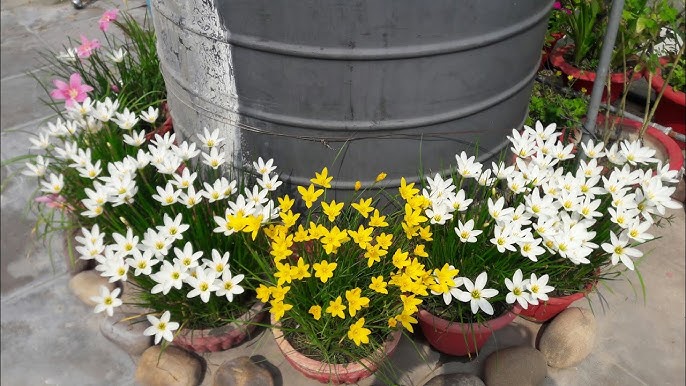
- Mixed Colors: Plant pink, white, and yellow bulbs together for a cheerful rainbow effect.
- Container Arrangement: Use tiered stands or decorative pots to enhance visual appeal.
- Seasonal Care: Increase watering slightly during summer and monsoon to simulate rainfall conditions that trigger flowering.
- Regular Maintenance: Remove weeds, dead leaves, and spent flowers to keep plants healthy.
Advantages of Potted Rain Lilies
- Portable and perfect for patios, terraces, and balconies.
- Easy to control soil, water, and sunlight conditions.
- Allows for decorative arrangements, including borders, rock gardens, or container clusters.
- Encourages surprise blooms after each watering, making gardening fun and rewarding.
Conclusion
Rain lilies (Zephyranthes) are beautiful, low-maintenance bulbs that bring seasonal charm to any garden or balcony. Growing them in pots allows gardeners to control soil, water, and sunlight while enjoying the delight of flowers that bloom after rainfall. By following these simple steps—choosing the right pot, preparing well-draining soil, proper planting, watering, sunlight, fertilization, and pest care—you can cultivate a thriving, vibrant potted Rain Lily garden.

Whether you’re a beginner or an experienced gardener, these tips will help you enjoy a colorful display of delicate blooms year after year. With cluster planting, proper maintenance, and occasional bulb division, your Rain Lily pots will provide continuous bursts of color, transforming your garden into a lively, tropical oasis.