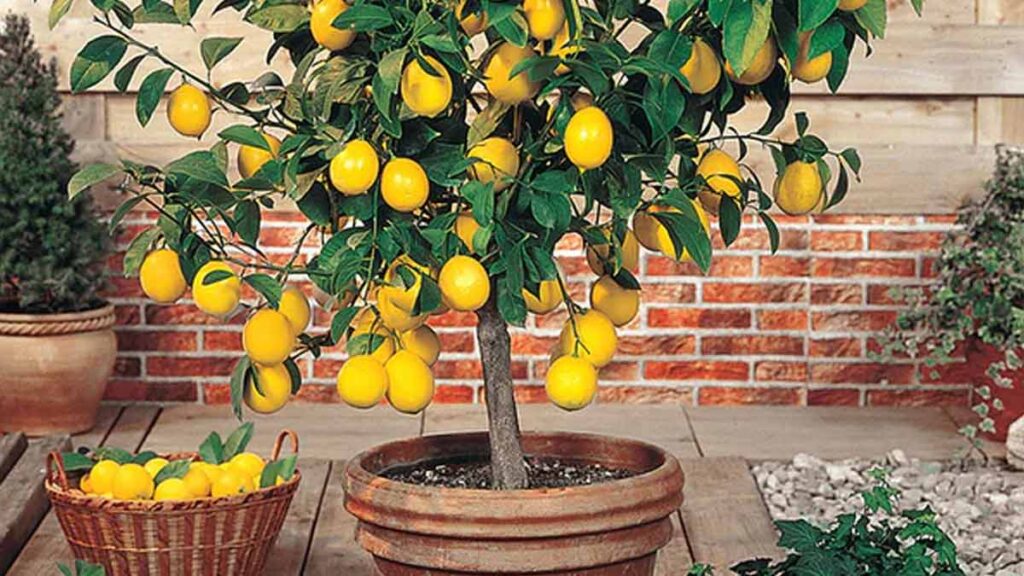
Lemon trees are a delightful addition to any garden or patio. Known for their fragrant blossoms, glossy green leaves, and tangy fruits, lemon trees provide beauty, nutrition, and a refreshing citrus scent all year round. Growing lemon trees may seem intimidating, but with proper care and guidance, even beginners can cultivate healthy, fruit-bearing trees. In this guide, we’ll explore step-by-step how to grow lemon trees, from selecting the right variety to watering, fertilizing, pruning, and pest management.
Why Grow Lemon Trees at Home?
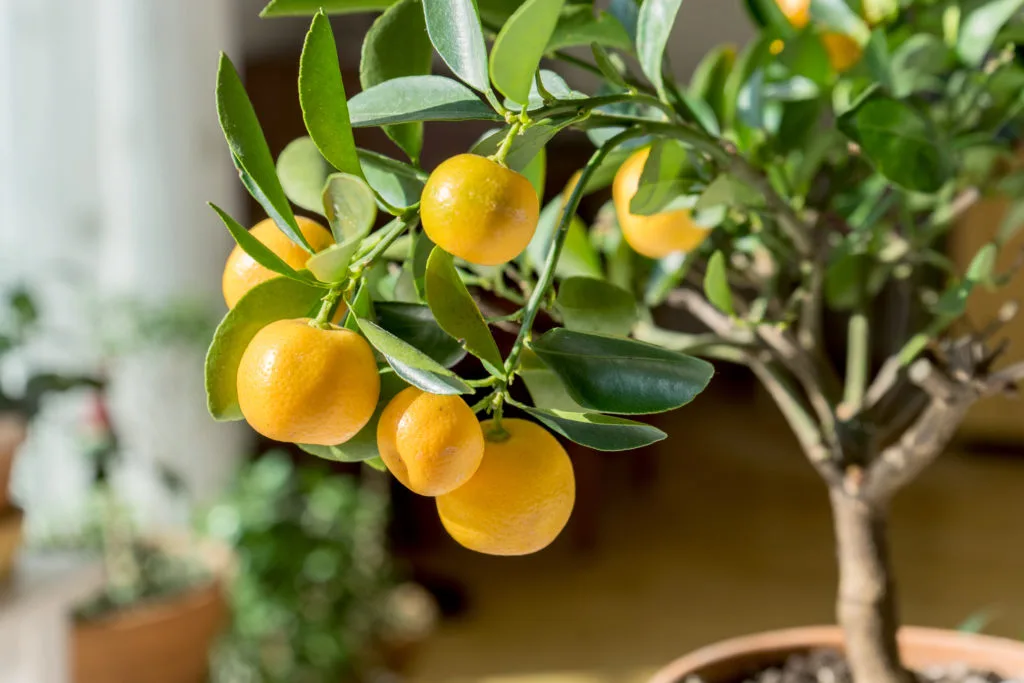
- Fresh Citrus Fruits – Enjoy organic lemons right from your garden.
- Aesthetic Appeal – Adds greenery and fragrance to gardens, patios, or balconies.
- Health Benefits – Rich in vitamin C and antioxidants, supporting immunity.
- Cost-Effective – Saves money on store-bought lemons.
- Environmental Control – You control pesticides and fertilizers, ensuring safe produce.
Choosing the Right Lemon Variety
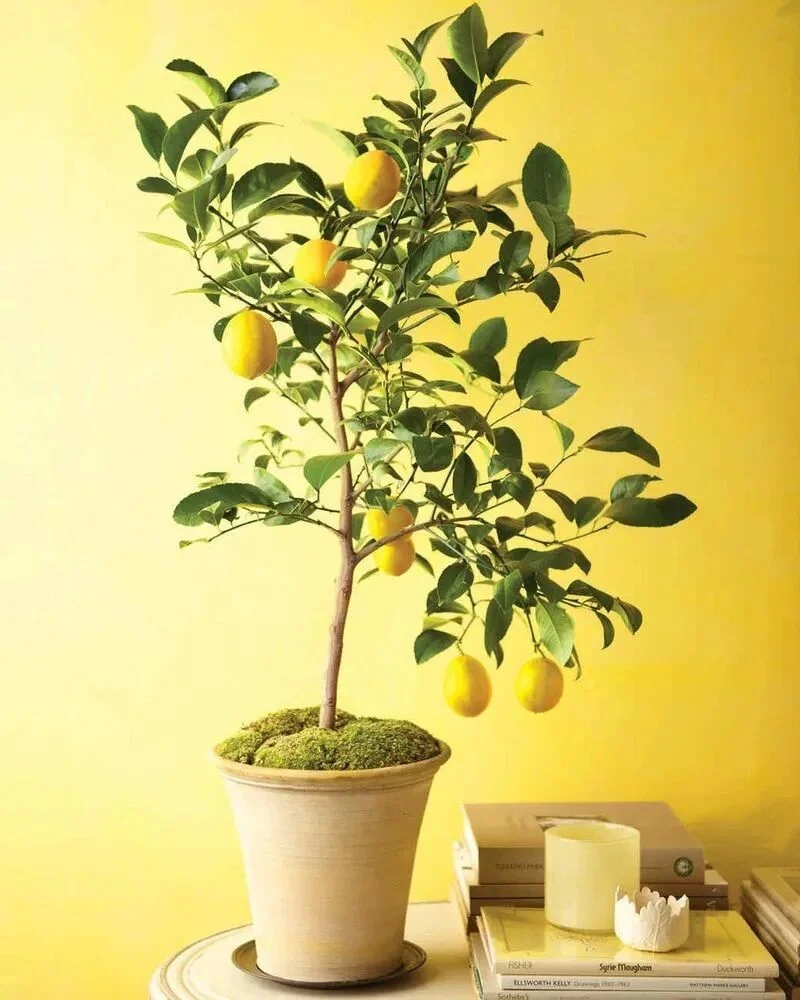
Not all lemon trees are suitable for every climate or space. For best results, choose varieties that match your growing conditions:
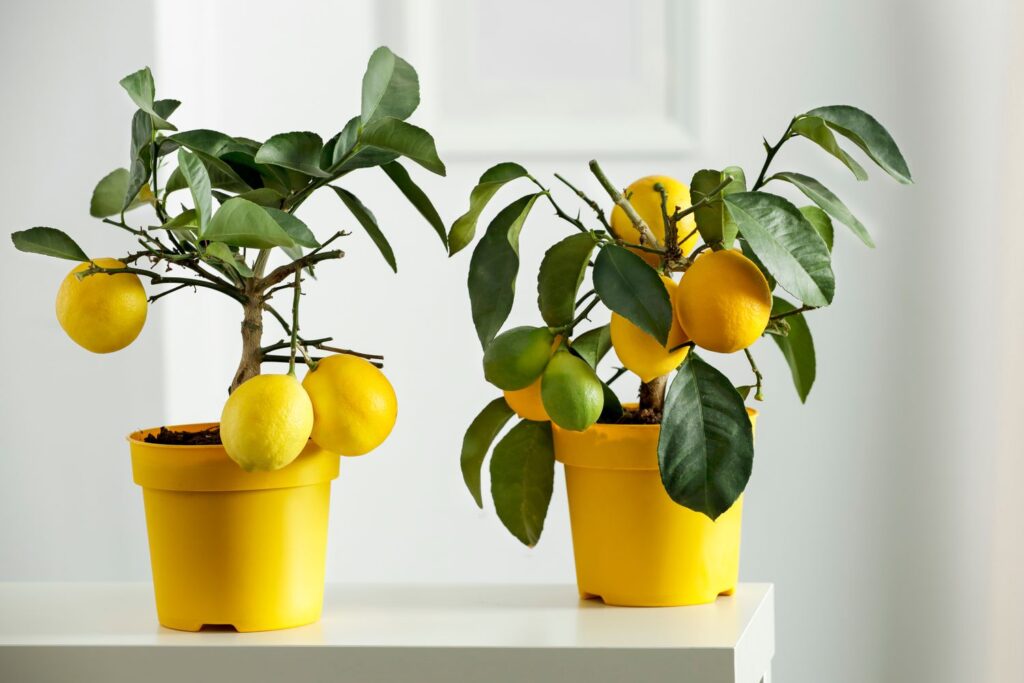
- Meyer Lemon – Dwarf variety, sweet flavor, suitable for pots or small gardens.
- Eureka Lemon – Classic lemon, larger fruits, grows well in warm outdoor spaces.
- Lisbon Lemon – Hardy and productive, suitable for both garden beds and containers.
- Ponderosa Lemon – Large fruits, thick skin, perfect for home gardens or large pots.
Tip: Dwarf varieties are ideal for container gardening or limited spaces.
Planting a Lemon Tree
Step 1: Choosing the Location
- Lemon trees require full sunlight—6–8 hours of direct sun daily.
- Avoid shady spots or areas with strong winds.
- Ensure good air circulation to reduce fungal problems.
Step 2: Soil Requirements
- Well-draining soil is crucial to prevent root rot.
- Ideal soil is slightly acidic (pH 5.5–6.5).
- Mix garden soil with sand, compost, and organic matter for fertile soil.
Step 3: Planting Process
- Dig a hole slightly larger than the root ball.
- Remove the sapling from its nursery container and gently loosen the roots.
- Place the sapling in the hole and fill with prepared soil.
- Water thoroughly to settle the soil and eliminate air pockets.
- Mulch around the base to retain moisture and prevent weeds.
Update Tip: Avoid planting too deep—the top of the root ball should sit slightly above soil level.
Watering a Lemon Tree
- Water regularly to keep the soil moist but not waterlogged.
- Young trees require frequent watering (2–3 times per week), while mature trees can be watered less often.
- Deep watering encourages stronger root growth.
- Reduce watering during winter or dormancy.
Tip: Use mulch around the base to retain moisture and reduce evaporation.
Sunlight and Temperature Requirements
- Lemon trees thrive in temperatures between 21–32°C (70–90°F).
- Dwarf and Meyer lemon varieties can tolerate some indoor conditions if placed near a sunny window.
- Protect young trees from frost; cover or move pots indoors during cold weather.
Fertilization and Nutrient Requirements
- Use citrus-specific fertilizer or a balanced NPK fertilizer (6:6:6 or 8:8:8).
- Fertilize every 6–8 weeks during the growing season (spring and summer).
- Include micronutrients like magnesium, zinc, and iron to promote healthy leaves and fruits.
- Reduce or stop fertilization during winter when the tree is dormant.
Update Tip: Foliar spraying with a diluted liquid fertilizer can boost flowering and fruit production.
Pruning and Maintenance
- Prune lightly to remove dead, weak, or crossing branches.
- Shape the tree for better air circulation and sunlight penetration.
- Avoid heavy pruning during flowering to prevent fruit loss.
- Remove suckers growing from the base of the trunk to focus energy on main branches.
Flowering and Fruit Development
- Lemon trees generally flower in spring and summer.
- Flowers are fragrant and white, attracting bees and pollinators.
- Fruit development can take 6–9 months depending on the variety and climate.
- Hand pollination may be necessary for indoor potted trees.
Tip: Consistent watering, proper fertilization, and sunlight encourage more blooms and better fruit set.
Pest and Disease Management
- Aphids and Mealybugs – Treat with neem oil or insecticidal soap.
- Spider Mites – Spray water or use horticultural oil to prevent infestations.
- Fungal Infections – Avoid overhead watering and maintain good air circulation.
- Root Rot – Caused by waterlogged soil; ensure proper drainage.
- Leaf Yellowing – Indicates nutrient deficiency; adjust fertilization.
Container Gardening Tips
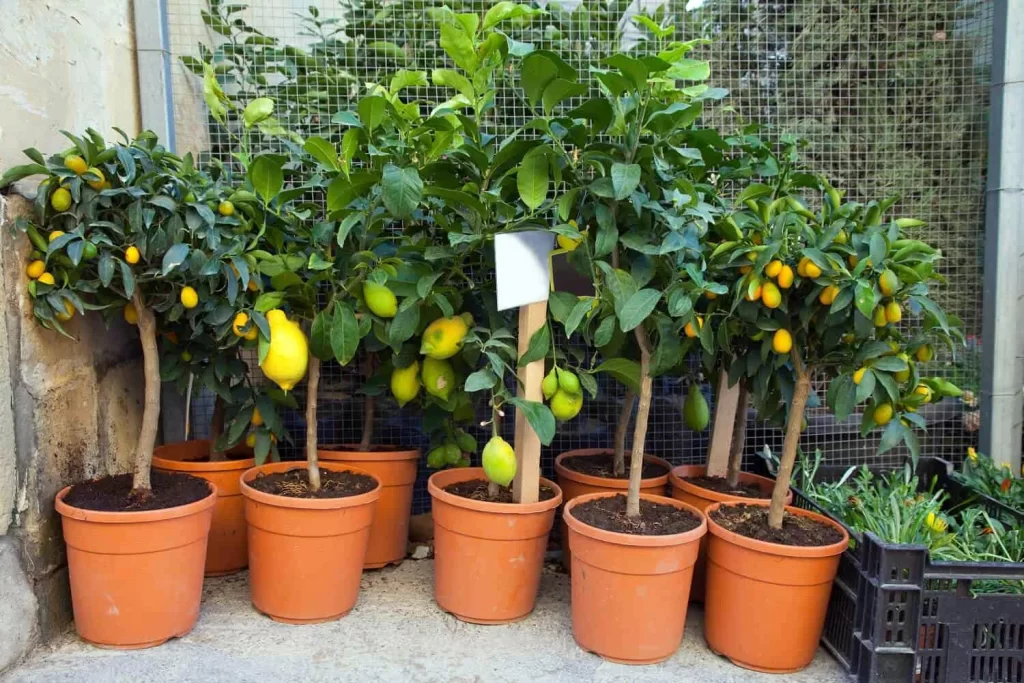
- Use large pots (at least 15–20 inches diameter) for dwarf or semi-dwarf varieties.
- Ensure proper drainage to prevent root rot.
- Repot every 2–3 years with fresh soil to support growth.
- Protect containers from frost by moving indoors or insulating during winter.
Tip: Container gardening allows mobility, ideal for protecting the tree during extreme weather conditions.

Harvesting Lemons
- Lemons are typically ready to harvest 6–12 months after flowering.
- Fruits turn bright yellow and are firm but slightly soft to touch when ripe.
- Cut fruits with a sharp knife or scissors to avoid damaging branches.
- Regular harvesting encourages continuous fruit production.
Update Tip: Avoid leaving overripe lemons on the tree, as they can attract pests.
Tips for Maximum Fruit Production
- Ensure full sunlight exposure.
- Maintain consistent soil moisture and proper drainage.
- Fertilize with a bloom-promoting citrus fertilizer during flowering.
- Prune lightly and remove weak branches for better energy allocation.
- Ensure pollination for indoor trees, using hand pollination if necessary.
Winter Care for Lemon Trees
- Move potted trees indoors or to a protected area during frost.
- Reduce watering and stop fertilization during dormancy.
- Provide supplemental light if indoor conditions are low on sunlight.
- Mulch the base to insulate roots from cold temperatures.
Conclusion
Growing a lemon tree at home is both rewarding and practical. By following proper care techniques—including selecting the right variety, providing adequate sunlight, watering, fertilization, pruning, and pest control—you can enjoy fresh, juicy lemons year-round. Whether planted in the garden or in containers, lemon trees enhance your space with their beautiful foliage, fragrant flowers, and nutritious fruits.
With patience and consistent care, your lemon tree can thrive for many years, providing abundant fruits and a touch of greenery to your home. Start today, and enjoy the satisfaction of harvesting homegrown lemons straight from your own garden!