Sunflowers are more than just a beautiful garden plant—they are versatile, edible, and incredibly rewarding to grow at home. With their bright yellow petals and towering stems, sunflowers (Helianthus annuus) not only add charm to your garden but also provide seeds that can be roasted, added to recipes, or even pressed for sunflower oil.
In this guide, we’ll share our personal journey of growing sunflowers at home, from planting seeds to harvesting, and even turning them into tasty treats on the grill. Whether you want to grow sunflowers for aesthetics, nutrition, or culinary purposes, this step-by-step guide will help you maximize their potential.
1. Why Grow Sunflowers at Home?
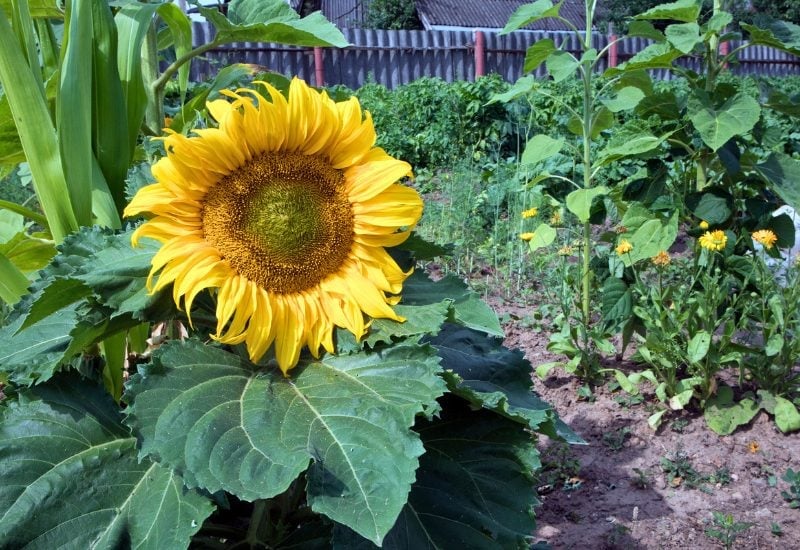
Growing sunflowers at home has many benefits:
- Beautiful garden addition: Their tall, vibrant stems brighten any outdoor space.
- Pollinator-friendly: Sunflowers attract bees, butterflies, and other pollinators.
- Edible seeds: Sunflower seeds are nutritious and high in protein, healthy fats, and vitamins.
- Versatile use: Seeds can be roasted, added to salads, or pressed for oil.
- Fun for kids and beginners: Easy to grow and fast to germinate.
With these advantages, sunflowers are not only a feast for the eyes but also for the palate.
2. Choosing the Right Sunflower Variety
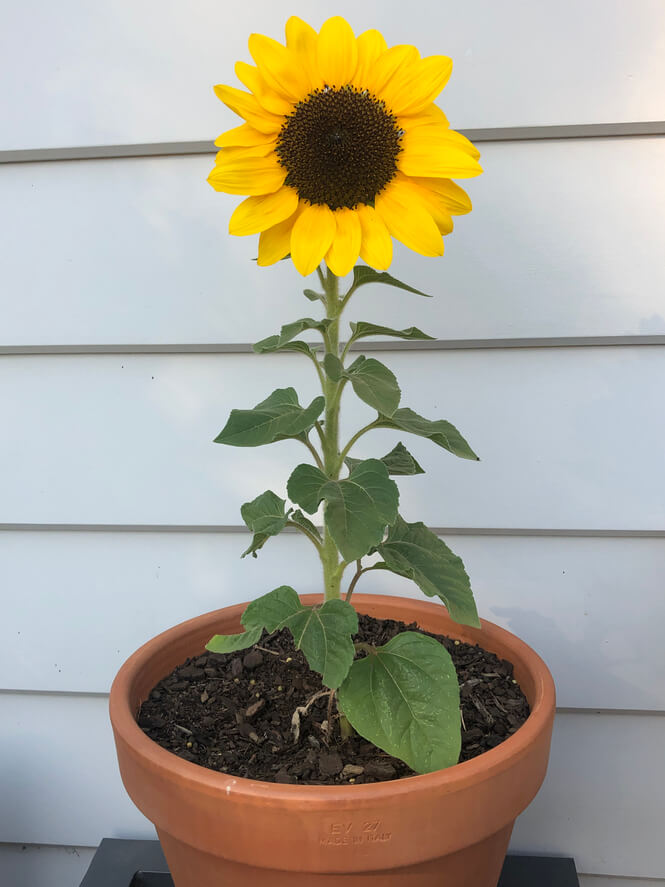
Sunflowers come in many sizes and colors, so choosing the right variety depends on your goals:
- Giant Sunflowers: Ideal for stunning garden displays; can grow 6–12 feet tall.
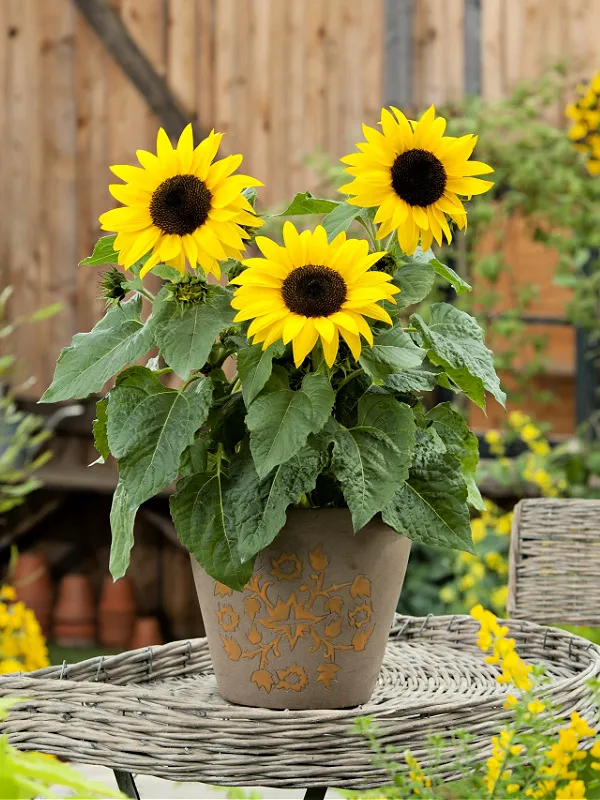
- Medium Sunflowers: 3–6 feet tall, perfect for smaller gardens and balcony pots.
- Dwarf Sunflowers: Compact varieties, 1–3 feet tall, great for containers.
- Edible Seed Varieties: Varieties like ‘Mammoth’ or ‘Russian Giant’ produce large, nutty seeds.
- Decorative Varieties: Multi-colored or smaller blooms for ornamental purposes.
For a combination of beauty and edible seeds, we chose the ‘Mammoth’ sunflower for our garden.
3. Preparing the Garden Bed
Sunflowers are hardy but thrive in well-prepared soil:
- Location: Choose a sunny spot with at least 6–8 hours of direct sunlight.
- Soil: Well-draining, loamy soil with a neutral to slightly acidic pH (6.0–7.5).
- Fertilizer: Mix compost or well-rotted manure into the soil to provide nutrients for rapid growth.
- Spacing: Space seeds 12–24 inches apart depending on the variety to allow ample room for stems to grow.
Proper preparation ensures strong, healthy plants that produce large, vibrant blooms.
4. Planting Sunflower Seeds
Planting is simple and requires minimal effort:
- Timing: Sow seeds in spring after the last frost date.
- Depth: Plant seeds 1–2 inches deep into the soil.
- Watering: Water gently after planting to settle the soil.
- Thinning: Once seedlings reach 6 inches, thin them to avoid overcrowding.
Sunflowers germinate quickly, often within 7–10 days, giving you fast-growing green shoots to admire.
5. Caring for Sunflowers
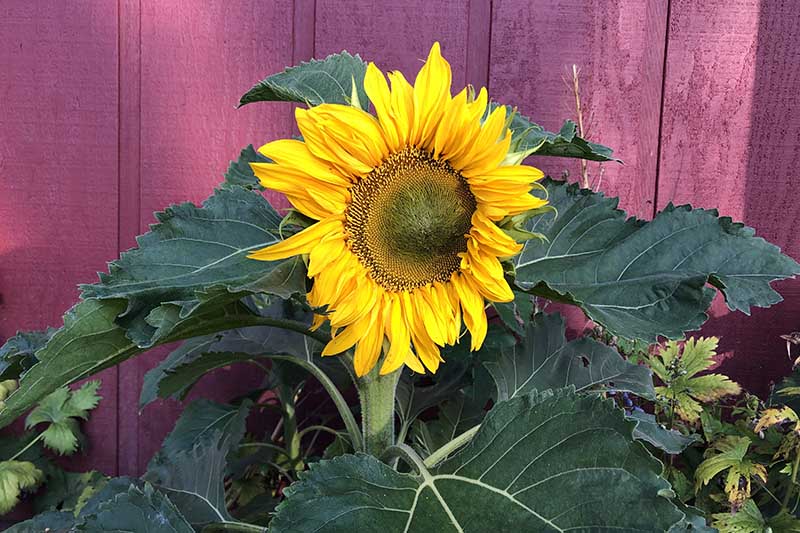
Sunflowers are low-maintenance but benefit from regular care:
- Watering: Keep soil consistently moist until seedlings establish; after that, deep watering 1–2 times per week is sufficient.
- Mulching: Apply mulch around the base to retain moisture and suppress weeds.
- Support: Tall varieties may need staking to prevent stems from bending or breaking.
- Fertilization: Side-dress with compost or balanced fertilizer every 3–4 weeks for optimal growth.
By maintaining proper care, your sunflowers will grow tall and bloom abundantly.
6. Protecting Sunflowers from Pests and Diseases
Common pests and diseases can affect sunflower growth:
- Aphids and caterpillars: Spray with neem oil or use natural predators like ladybugs.
- Birds: Cover heads with netting if birds are eating seeds.
- Fungal diseases: Ensure proper spacing and air circulation to prevent mildew.
Early intervention helps maintain healthy plants and maximizes seed production.
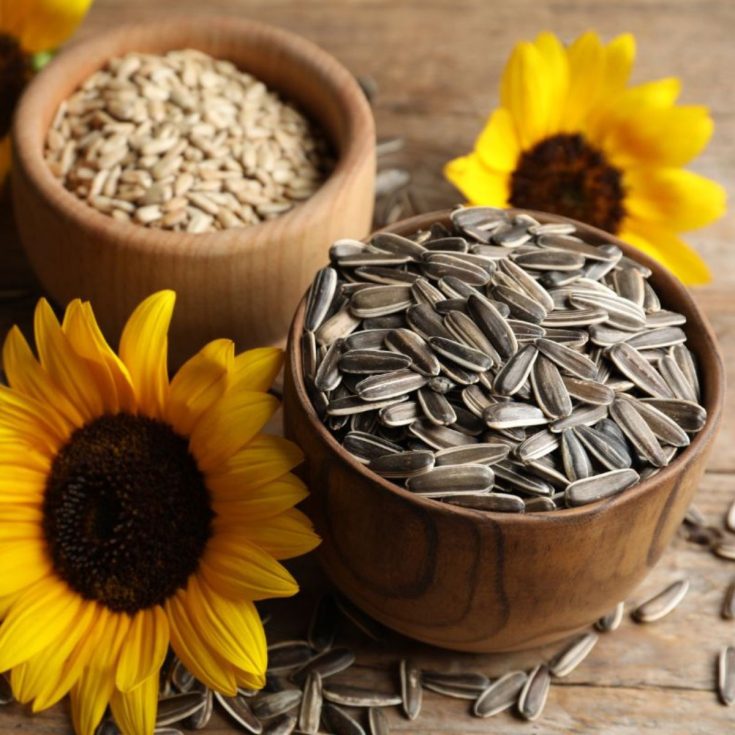
7. Harvesting Sunflower Seeds
Once your sunflower heads are fully mature, it’s time to harvest the seeds:
- Wait until petals wilt and the back of the sunflower turns yellow-brown.
- Cut the heads and leave them to dry in a well-ventilated area.
- Rub seeds from the head or use a soft brush.
- Dry seeds thoroughly before storing to prevent mold.
Freshly harvested seeds are nutritious and perfect for roasting or snacking.
8. Roasting Sunflower Seeds for Delicious Snacks
Homegrown sunflower seeds can be turned into a tasty snack with a simple roasting process:
- Cleaning: Rinse seeds and remove any debris.
- Seasoning: Toss seeds with a little olive oil, salt, or your favorite spices.
- Roasting: Spread seeds on a baking tray and roast at 325°F (160°C) for 15–20 minutes, stirring occasionally.
- Cooling: Allow seeds to cool before storing in an airtight container.
Roasted seeds are perfect as a healthy snack or salad topping.
9. From Garden to Grill: Sunflower Culinary Ideas
Sunflowers aren’t just for seeds. You can enjoy them in creative ways:
- Sunflower seed pesto: Blend roasted seeds with olive oil, garlic, and herbs.
- Sunflower oil: Press seeds to extract nutritious oil for cooking.
- Grilled sunflower seed crust: Use crushed roasted seeds as a crunchy coating for fish or chicken.
- Snack bars and granola: Incorporate roasted seeds for protein and crunch.
Growing sunflowers at home allows you to experiment with flavors and recipes straight from your garden.
10. Decorating with Sunflowers
Beyond culinary uses, sunflowers make beautiful natural decor:
- Cut flowers for fresh indoor bouquets.
- Dry heads for rustic decorations and wreaths.
- Use petals for natural dyes or creative art projects.
Sunflowers provide both beauty and functionality, making them versatile for home gardeners.
11. Tips for a Successful Sunflower Garden
- Succession planting: Plant seeds every 2–3 weeks to enjoy continuous blooms and harvests.
- Rotate locations: Sunflowers can deplete soil nutrients, so rotate beds annually.
- Monitor growth: Tall varieties may need support to prevent bending.
- Companion planting: Grow with corn, beans, or cucumbers for natural support and pest management.
By following these tips, you can maintain a healthy, productive sunflower garden.
Conclusion
Growing sunflowers at home is fun, rewarding, and highly versatile. From sowing seeds in your garden to harvesting and roasting nutritious seeds, the process combines beauty, nutrition, and culinary creativity. Sunflowers not only brighten your garden with their vibrant blooms but also provide seeds that can be transformed into snacks, oils, or innovative dishes straight from your grill.
With proper planting, care, and pest management, homegrown sunflowers thrive, giving you a bountiful harvest and endless opportunities for delicious recipes. From garden to grill, sunflowers prove that a simple, bright plant can offer aesthetics, nutrition, and culinary delight all in one.
Start your sunflower journey today and experience the joy of watching your garden blooms turn into tasty treats!