Peppers are a staple in kitchens worldwide, adding flavor, spice, and color to countless dishes. From bell peppers to chili peppers, growing your own at home can be both rewarding and cost-effective. While many gardeners focus on watering, sunlight, and soil quality, pruning is often the secret ingredient for a bountiful pepper harvest.
In this guide, we’ll explore how to grow peppers at home successfully and share pruning techniques that improve plant health, increase fruit production, and make your plants stronger.
1. Why Grow Peppers at Home?
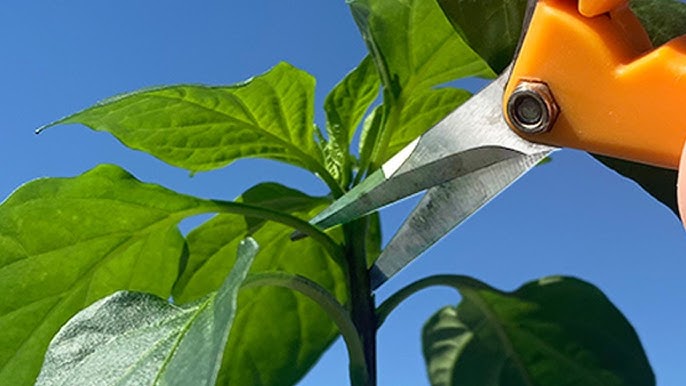
Growing peppers at home offers numerous benefits:
- Freshness and flavor: Homegrown peppers are more flavorful and nutritious than store-bought varieties.
- Variety: Grow different types and colors, from sweet bell peppers to hot chilies.
- Cost-effective: One plant can produce multiple harvests throughout the season.
- Pesticide control: You can grow chemical-free peppers safely.
- Satisfaction: Watching a tiny seedling grow into a fruitful plant is incredibly rewarding.
Home cultivation gives you complete control over quality, flavor, and timing.
2. Selecting the Right Pepper Variety
Choosing the right pepper variety is essential for home gardening:
- Bell Peppers (Capsicum annuum): Sweet, crunchy, ideal for salads and cooking.
- Chili Peppers: Small, hot varieties for spice lovers; can be grown in containers or gardens.
- Jalapeño or Cayenne: Medium-hot peppers that are versatile for cooking or pickling.
- Compact Varieties: Perfect for small spaces, balconies, or container gardening.
Select varieties suited for your climate, garden space, and personal taste preferences.
3. Preparing the Garden or Containers
Peppers thrive in warm, sunny locations:
- Sunlight: 6–8 hours of direct sunlight daily.
- Soil: Well-draining, fertile soil rich in organic matter. A slightly acidic to neutral pH (6.0–7.0) is ideal.
- Containers: Use pots with good drainage if space is limited. 5–10 gallons per plant works well.
- Spacing: Provide 18–24 inches between plants to allow proper airflow and growth.
Proper preparation ensures healthy roots, strong stems, and high yields.
4. Planting Pepper Seeds and Seedlings
Peppers can be grown from seeds or seedlings:
- From seeds: Start indoors 8–10 weeks before the last frost. Sow seeds ¼ inch deep in seed-starting mix, keeping soil moist and warm.
- Transplanting seedlings: Once seedlings have 2–3 true leaves and the outdoor temperature is consistently warm, transplant them into garden beds or containers.
Peppers prefer a warm environment for optimal growth and flowering.
5. Watering and Fertilizing
Proper watering and fertilization are key to healthy growth:
- Watering: Keep soil consistently moist but avoid waterlogging. Deep watering encourages strong roots.
- Mulching: Apply mulch to retain soil moisture and regulate temperature.
- Fertilization: Use a balanced fertilizer high in phosphorus and potassium to support fruit formation. Avoid excessive nitrogen, which promotes leafy growth at the expense of fruits.
Well-nourished plants produce bigger, healthier peppers.
6. Understanding the Importance of Pruning
Pruning peppers may seem optional, but it offers multiple benefits:
- Encourages bushier growth: Removing certain leaves or branches directs energy toward producing flowers and fruits.
- Improves airflow: Reduces the risk of fungal diseases and pest infestations.
- Enhances sunlight penetration: Promotes uniform growth and fruit ripening.
- Supports stronger stems: Prevents plants from becoming tall, leggy, and prone to breaking.
Pruning is not just about aesthetics—it directly improves yield and plant health.
7. Pruning Techniques for Peppers
A. Pinching the Top:
- When plants are 6–8 inches tall, pinch off the top growing tip.
- This encourages side branches to develop, creating a bushier plant that can support more flowers and fruits.
B. Removing Suckers and Side Shoots:
- Remove small shoots growing in the leaf axils (where leaves meet the main stem).
- Focus the plant’s energy on developing main branches and fruits.
C. Trimming Lower Leaves:
- Remove leaves near the soil surface that may be shaded or prone to disease.
- This improves air circulation and reduces the risk of soil-borne fungal infections.
D. Pruning for Fruit Support:
- For heavy-fruiting plants, remove some flowers or small fruits early on to prevent branch breakage.
- This allows the plant to focus energy on producing larger, healthier peppers.
8. Timing Your Pruning
- Early pruning: Start when plants are young to shape growth and encourage branching.
- Ongoing maintenance: Continue removing dead, yellowing, or overcrowded leaves and branches throughout the season.
- Pre-harvest pruning: Light pruning a week before harvest can improve fruit quality and ripening.
Regular pruning keeps plants vigorous and productive.
9. Supporting Your Pepper Plants
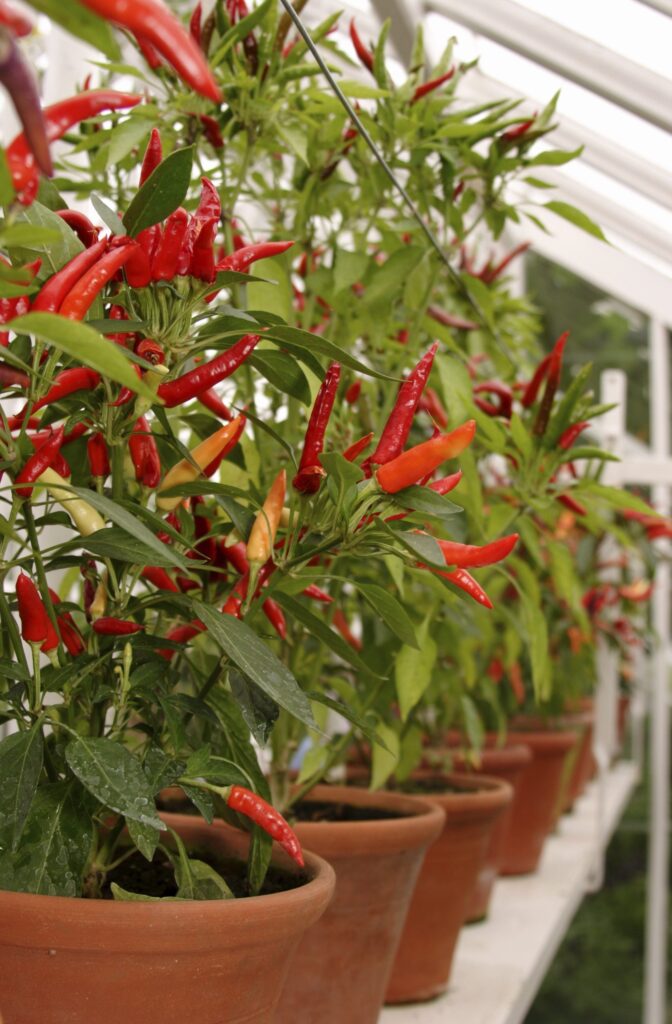
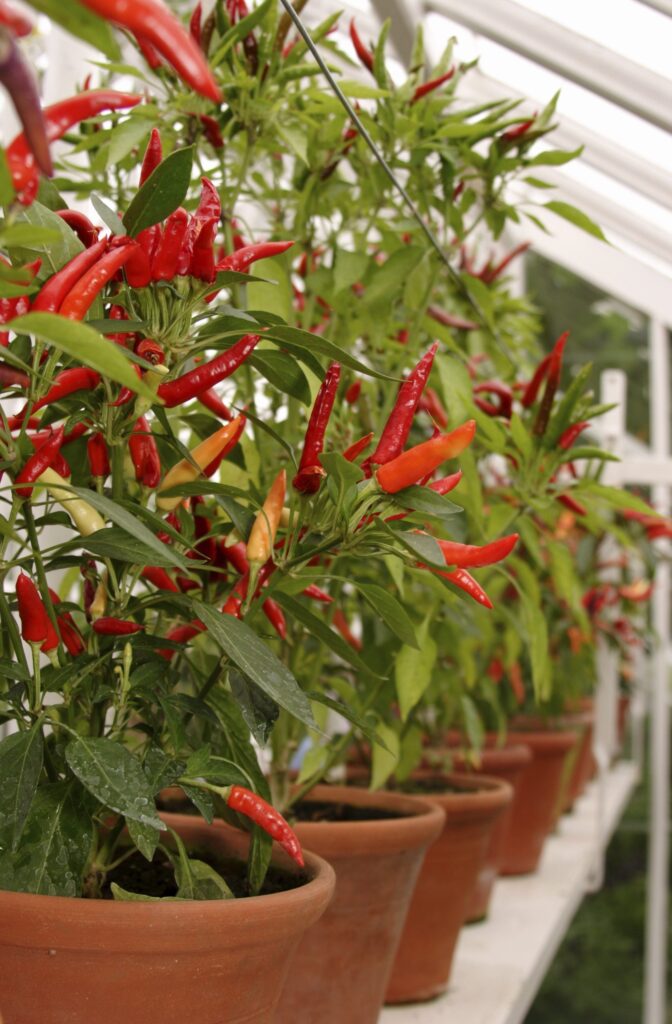
Peppers, especially tall or heavy-fruited varieties, may need support:
- Use stakes, cages, or trellises to keep plants upright.
- Tie stems loosely with garden twine to prevent snapping under the weight of fruits.
- Pruned, bushy plants are easier to tie and manage than leggy, unpruned ones.
Support structures combined with pruning ensure strong, healthy plants with high yields.
10. Preventing Pests and Diseases
Healthy, well-pruned plants are less susceptible to pests and diseases:
- Aphids and spider mites: Spray with neem oil or insecticidal soap.
- Fungal infections: Proper spacing, pruning, and airflow prevent mildew and blight.
- Fruit pests: Monitor for caterpillars, beetles, or pepper borers and remove them manually.
By pruning and maintaining plants, you create an environment less favorable for pests and diseases.
11. Harvesting Peppers
Harvesting at the right time ensures maximum flavor and nutrition:
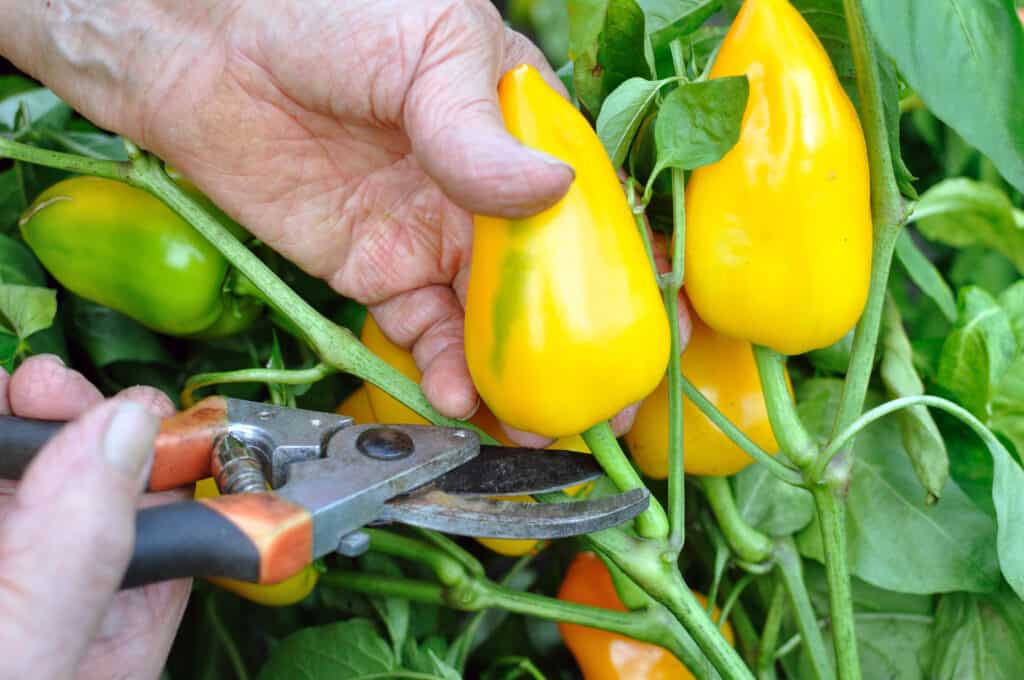
- Bell peppers: Pick when they reach full size and are firm. Green peppers can be harvested earlier; red, yellow, or orange peppers are sweeter when fully colored.
- Chili peppers: Harvest when they reach desired heat and color.
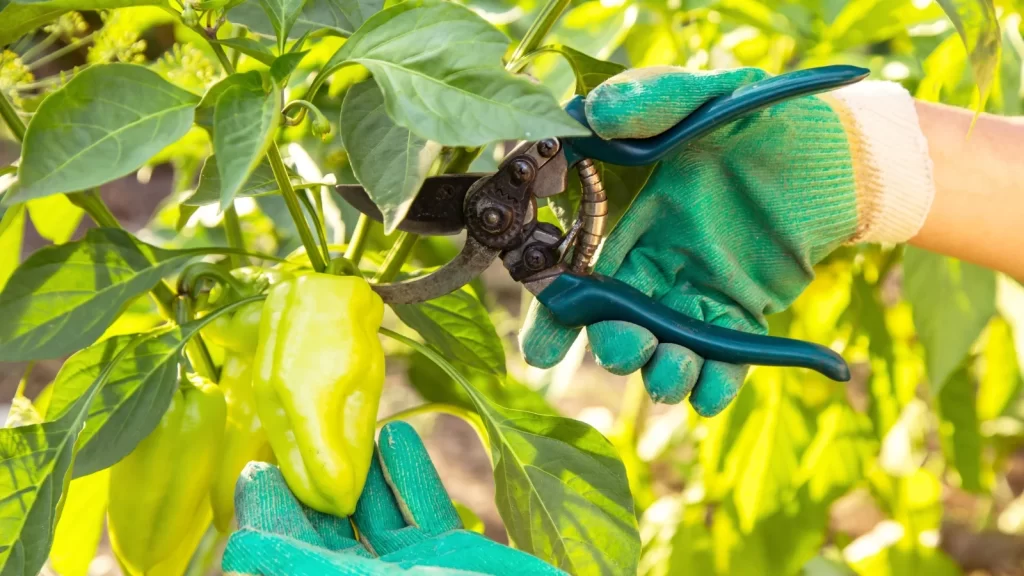
- Technique: Use sharp scissors or pruning shears to cut peppers from the plant, avoiding damage to branches.
Regular harvesting encourages new flower and fruit production.
12. Additional Tips for Maximizing Pepper Yield
- Sunlight: Ensure 6–8 hours of direct sunlight daily.
- Companion planting: Grow basil, onions, or marigolds nearby to repel pests.
- Consistent watering: Avoid letting soil dry out completely, as this can cause flower drop.
- Crop rotation: Change planting location yearly to reduce soil-borne diseases.
- Pruning observation: Adjust pruning intensity based on plant vigor and growth patterns.
These small adjustments can dramatically improve yield and plant health.
Conclusion
Growing peppers at home is rewarding, cost-effective, and fun, and pruning is the key to maximizing yields and maintaining plant health. By selecting the right variety, preparing the soil, planting carefully, and incorporating strategic pruning techniques, you can enjoy bigger, healthier, and more flavorful peppers all season long.
From pinching tops to removing side shoots, proper pruning ensures that your pepper plants grow bushy, strong, and capable of supporting a bountiful harvest. Combined with consistent care, watering, and pest management, homegrown peppers can transform your meals with fresh, vibrant flavor straight from the garden.
Start pruning today and watch your homegrown peppers thrive like never before, providing delicious, nutrient-rich fruits for months to come.