Blueberries are one of the most delicious and nutrient-packed fruits you can grow at home. Bursting with antioxidants, vitamins, and flavor, these berries are a treat for your breakfast bowls, desserts, smoothies, and even snacking straight from the garden. But did you know that blueberries can thrive in containers, making them perfect for balconies, patios, and small gardens?
With the right techniques, you can grow your own blueberries in pots and enjoy bigger, juicier harvests year after year. In this guide, we’ll cover everything from choosing varieties and preparing containers to pruning, fertilizing, and harvesting blueberries successfully.
1. Why Grow Blueberries in Containers?
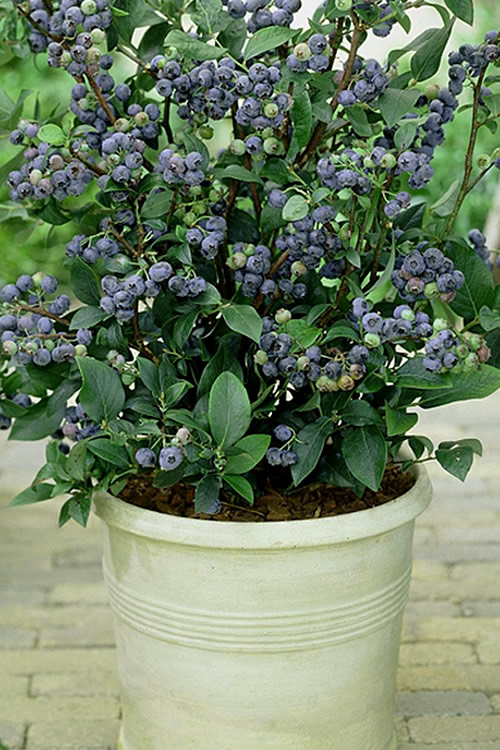
Container gardening offers unique advantages for blueberries:
- Space-saving: Ideal for balconies, terraces, or small gardens.
- Soil control: You can provide the acidic soil blueberries love without worrying about your native soil conditions.
- Mobility: Move containers to follow sunlight or protect plants from frost.
- Pest management: Easier to monitor and control pests and diseases.
- Accessibility: Perfect for gardeners who prefer to work at a comfortable height.
Container-grown blueberries can produce abundant fruit, sometimes even outperforming those planted in-ground, when cared for properly.
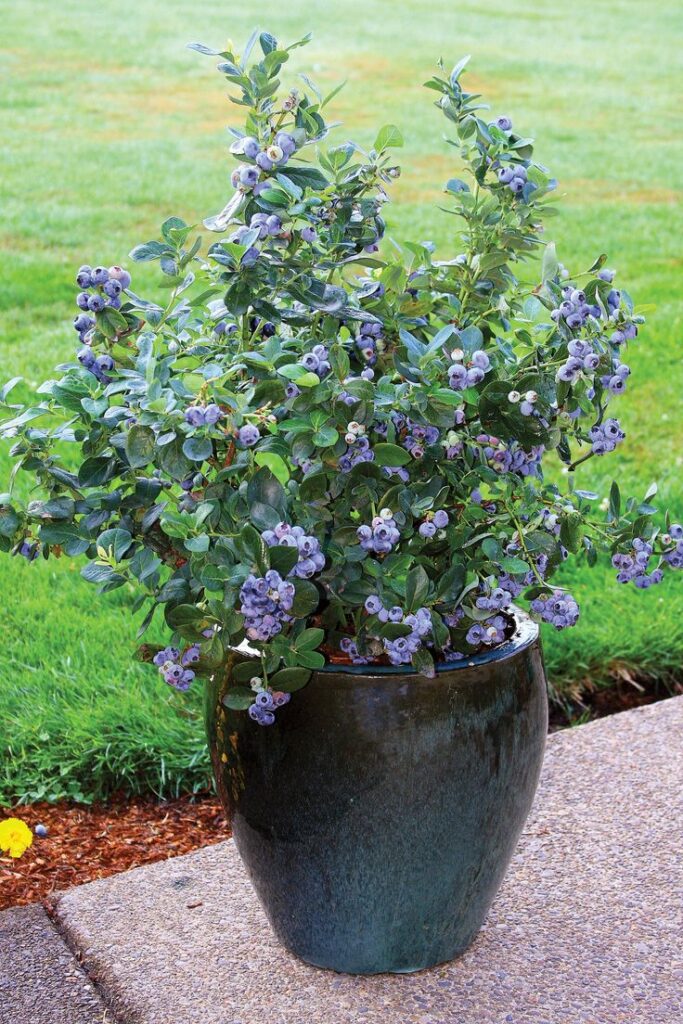
2. Choosing the Right Blueberry Varieties for Containers
Not all blueberries are ideal for pots. Container-friendly varieties include:
- Dwarf Varieties: ‘Top Hat’, ‘Jelly Bean’, ‘Sunshine Blue’—grow 1–2 feet tall, perfect for small spaces.
- Compact Bushes: ‘Patriot’, ‘Northblue’, ‘Bluecrop’—medium-sized, great for patios and small gardens.
- Early or Late Season: Choose varieties with different ripening times to extend your harvest season.
For a larger harvest, it’s recommended to plant at least two compatible varieties for cross-pollination, which increases fruit set.
3. Choosing the Right Containers
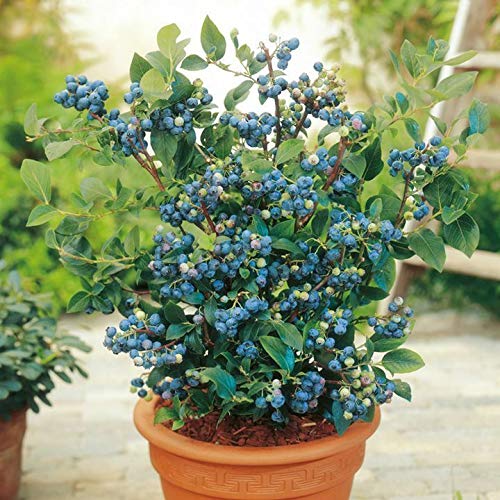
Blueberries have specific root requirements, so container selection is critical:
- Size: Minimum 15–20 gallons for dwarf varieties, larger for taller bushes.
- Material: Plastic, ceramic, or wooden pots with good drainage. Avoid heavy clay pots if you need mobility.
- Drainage: Ensure multiple holes at the bottom to prevent waterlogging, which can rot roots.
Using the right container ensures healthy roots and maximizes fruit production.
4. Preparing the Perfect Soil Mix
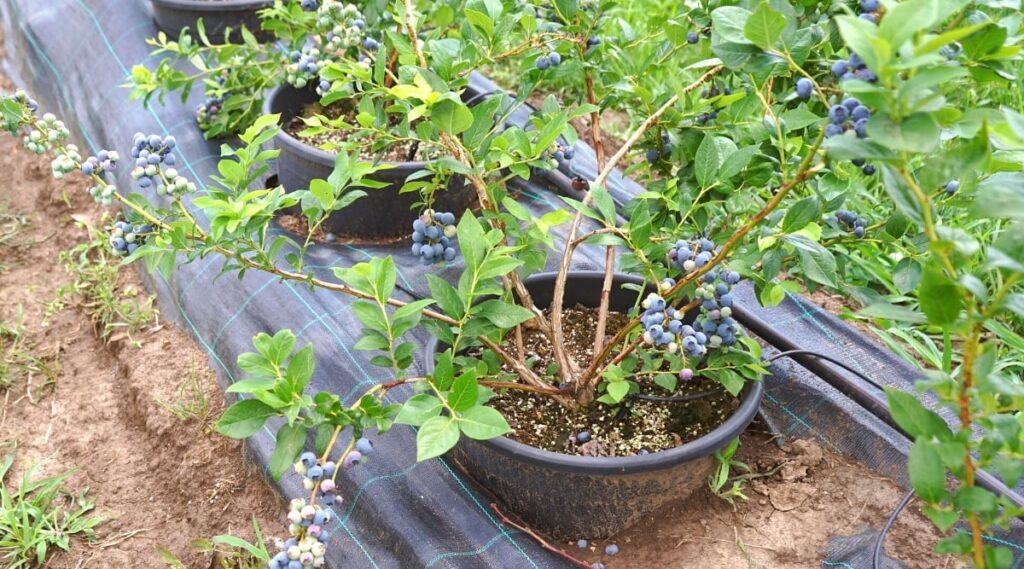
Blueberries thrive in acidic, well-draining soil:
- pH requirement: 4.5–5.5 (acidic).
- Soil mix: Combine peat moss, pine bark, and perlite in equal parts for excellent drainage and aeration.
- Fertilization: Mix in slow-release acidic fertilizer designed for blueberries or azaleas.
Regularly testing soil pH ensures your blueberries absorb nutrients efficiently, promoting bigger harvests.
5. Planting Blueberries in Containers
Step-by-step planting ensures strong growth:
- Fill the container with your prepared soil mix, leaving a few inches at the top.
- Remove the blueberry plant from its nursery pot and gently loosen roots.
- Plant at the same depth as in the original pot, firming soil around the base.
- Water thoroughly to settle soil and remove air pockets.
- Place the container in full sun, ideally 6–8 hours daily.
Correct planting sets the stage for healthy root development and vigorous growth.
6. Watering and Mulching
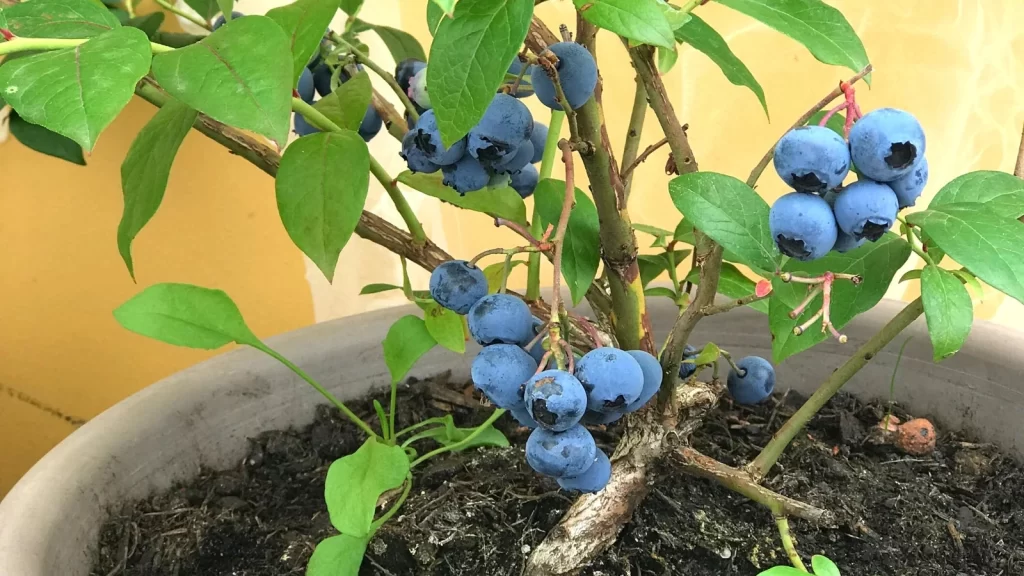
Blueberries need consistent moisture, especially in containers:
- Watering: Keep soil evenly moist but not soggy. Containers dry faster than garden soil.
- Mulching: Apply 2–3 inches of pine bark, pine needles, or wood chips on top to retain moisture, regulate temperature, and add acidity.
Proper watering and mulching reduce stress on the plant and improve fruit size and quality.
7. Fertilizing Blueberries for Bigger Harvests
Blueberries are heavy feeders and require the right nutrition:
- Early season: Use a balanced, acidic fertilizer (Azalea fertilizer or 10:10:10) when leaves begin to emerge.
- Mid-season: Apply a high-potassium fertilizer to encourage flower and fruit development.
- Late season: Stop fertilizing 6–8 weeks before the first frost to prevent new growth that could be damaged by cold.
Over-fertilizing, especially with nitrogen, encourages leaf growth at the expense of fruit, so follow recommended doses.
8. Pruning Blueberries for Maximum Yield
Pruning is critical for container-grown blueberries to maintain plant health and fruit production:
- Remove weak or dead branches in early spring before new growth begins.
- Thin out older wood: Focus energy on 2–3-year-old canes, which produce the best fruit.
- Shape the plant: Maintain an open center to allow sunlight and airflow, reducing disease risk.
- Pinch early-season growth: Helps the plant focus on fruit rather than excessive leafy growth.
Pruned blueberries produce larger, sweeter, and more abundant berries.
9. Pollination Tips
- Most blueberry varieties require cross-pollination to set fruit, so plant at least two compatible varieties.
- Bees and other pollinators are essential for fruit set. Encourage them with nearby flowers or a small pollinator garden.
- Hand pollination with a soft brush can help increase yields in areas with fewer pollinators.
Better pollination directly contributes to bigger, fuller harvests.
10. Pests and Disease Management
Container blueberries are relatively easy to manage, but vigilance is key:

- Birds: Cover fruit with netting to protect ripe berries.
- Aphids and mites: Spray neem oil or insecticidal soap if necessary.
- Fungal infections: Ensure proper spacing, good drainage, and airflow. Remove dead leaves promptly.
Healthy, well-maintained plants produce more fruit with less loss.
11. Harvesting Blueberries
Timing your harvest ensures maximum flavor and nutrition:
- Ripeness: Berries should be fully blue, slightly soft, and easily come off the stem.
- Frequency: Pick every few days during peak season to encourage new fruiting.
- Storage: Store in the refrigerator for a few days or freeze for long-term use.
Frequent harvesting ensures your plants continue producing throughout the season.
12. Extending the Blueberry Season
- Container mobility: Move pots to warmer areas in early spring or cover during frost.
- Variety selection: Plant early, mid, and late-season varieties for a continuous harvest.
- Fertilization timing: Adjust fertilizer application based on growth stage to prolong fruiting.
These simple tricks can extend your harvest and maximize yield from a few containers.
13. Additional Tips for Bigger Harvests
- Container size matters: Larger containers allow stronger root systems and bigger berries.
- Consistent care: Regular watering, feeding, pruning, and mulching are key.
- Sunlight: Ensure at least 6–8 hours of sunlight daily.
- Winter care: Protect containers from freezing or bring indoors if possible.
Following these tips ensures your container blueberries thrive year after year.
Conclusion
Growing blueberries in containers is a fantastic way to enjoy fresh, homegrown fruit even in small spaces. By selecting the right varieties, using proper soil mixes, maintaining consistent watering, and applying smart pruning techniques, you can achieve bigger, sweeter, and more abundant harvests.
Container-grown blueberries offer the advantage of mobility, better soil control, and ease of care, making them perfect for beginners and seasoned gardeners alike. By encouraging pollination, managing pests, and regularly harvesting ripe berries, your blueberry plants will continue producing delicious, nutrient-packed fruits season after season.
With patience, care, and these proven tricks, you can transform a few simple containers into a bountiful blueberry garden, bringing the joy of fresh, juicy berries right to your home.