A Complete 1200-Word Guide for Healthier, Pest-Free, High-Yield Plants
Growing a BIO garden in a box is one of the smartest, most space-efficient, and sustainable ways to cultivate vegetables, herbs, and small fruit plants at home. Whether you live in a small apartment, have a balcony garden, or simply love compact gardening systems, the box garden approach gives you the flexibility to control soil quality, manage water efficiently, and keep pests under control — all within an eco-friendly setup.
This complete preview focuses on three powerful pillars of successful box gardening:
🌿 TRAP – Natural pest management
🌿 FERTILIZATION – Organic, nutrient-rich feeding
🌿 TUTORING – Training and supporting plants for maximum production
Each one plays a crucial role in creating a healthy, productive garden. When combined, they transform a simple box into a high-yield micro-farm.
Let’s explore each element deeply and understand how to apply these techniques effectively.
🌼 I. BIO TRAPS: Natural Pest Control for a Clean, Healthy Garden

Pests such as whiteflies, fungus gnats, aphids, leafminers, and thrips often appear in box gardens because the environment is compact, warm, and rich in organic matter. Instead of using chemical pesticides, BIO gardening relies on eco-friendly traps to maintain natural balance.
1. Yellow Sticky Traps
Yellow traps attract pests that are drawn to the color of fresh vegetation. They are effective against:
- Whiteflies
- Leafminer flies
- Fungus gnats
- Aphids
- Thrips
How to Use Them in a Box Garden
- Place 1–2 traps per box, depending on plant density.
- Position them slightly above the plant canopy.
- Replace them every 2–3 weeks or when fully covered.
Why They Work
The yellow color mimics tender new leaves, tricking insects into landing on the adhesive surface. It is one of the safest and simplest ways to monitor and control flying pests.
2. Vinegar and Sugar Trap (For Fruit Flies & Gnats)

Many box gardens include compost-rich substrates that attract small flies. A homemade trap is highly effective.
Recipe:
- 3 tablespoons vinegar
- 1 tablespoon sugar
- Water
- A drop of liquid soap
How It Works
The sweet smell attracts insects, while the soap breaks surface tension, causing them to sink.
3. Beer Trap (For Snails & Slugs)
If your garden is outdoors, slugs may appear. Small cups with beer attract and drown them. Safe, effective, and chemical-free.
4. Garlic–Neem Spray (Protection)
Not exactly a trap, but essential for prevention.
Mix:
- 1 liter water
- 1 tsp neem oil
- 2 crushed garlic cloves
- 1 tsp mild soap
Spray every 7–10 days at sunset. This keeps aphids, mites, and caterpillars away without harming beneficial insects.
🌱 II. BIO FERTILIZATION: Feeding Plants for Explosive Growth
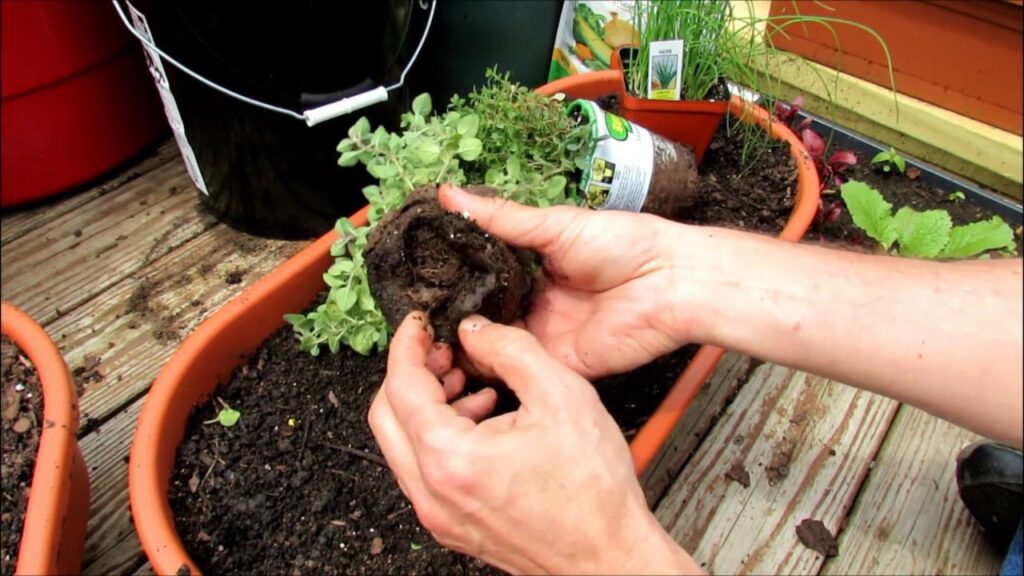
Healthy soil = Healthy plants.
A box garden gives you full control over the substrate and fertilizers, allowing you to create an ideal ecosystem for strong root development, flowering, and fruiting.
Here are the most efficient BIO fertilization techniques for all growth stages.
1. Base Substrate Fertility
Before planting, the box substrate should already contain:
- Compost
- Worm castings
- Coco peat
- Perlite or rice husk
- Mycorrhizae
This creates a nutrient-rich, airy soil that drains well yet retains moisture.
2. Weekly Liquid Fertilization
Liquid fertilizers are easy to prepare, fast-acting, and perfect for box gardens.
Best Liquid Fertilizers for BIO Gardens
✔ Compost Tea
Boosts beneficial microbes and provides balanced nutrition.
Apply every 10–12 days.
✔ Banana Peel Tea
Rich in potassium — essential for flowering and fruit setting.
Good for tomatoes, peppers, cucumbers, and strawberries.
✔ Eggshell Calcium Water
Strengthens cell walls and prevents blossom end rot (tomatoes, peppers).
Soak crushed eggshells for 5 days in water before using.
✔ Nettle Tea (if available)
Provides nitrogen for leafy green growth.
Use in early stages but avoid during flowering.
3. Slow-Release Solid Fertilizers
These nutrients stay in the soil and feed plants gradually.
Examples:
- Worm castings
- Bokashi
- Crushed bones (phosphorus)
- Wood ash (potassium)
- Compost top-dressing
Apply lightly around the base of each plant every 20–30 days.
4. Fertilizing According to Growth Stage
🌿 Vegetative Stage (First 3–4 weeks)
Plants need nitrogen. Use:
- Nettle tea
- Compost tea
- Worm castings
🌸 Flowering Stage
Shift to potassium-phosphorus-heavy fertilizers such as:
- Banana peel fertilizer
- Wood ash water
- Fish emulsion (BIO)
🍅 Fruiting Stage
Use calcium and potassium:
- Eggshell water
- Banana fertilizer
- Compost top-dressing
This combination ensures firm, sweet, high-quality fruits.
🌿 III. TUTORING (Training) – Essential for Productive Plants
In a box garden, vertical space is just as important as soil space. Tutoring or training plants helps:
✔ Maximize airflow
✔ Prevent fungal diseases
✔ Increase exposure to sunlight
✔ Strengthen stems
✔ Promote more flowers
✔ Keep fruits clean and off the soil
Let’s look at the best tutoring practices.
1. Tomato Tutoring
Tomatoes require strong vertical support.
Methods:
- Tall bamboo stakes
- Trellis netting
- String drop system (wrap the stem gently)
Additional Tips:
- Remove lower leaves to prevent moisture disease.
- Prune suckers to increase fruit size.
- Keep the stem growing upward in a single line.
2. Cucumber and Melon Tutoring
Vining crops need horizontal and vertical support.
Best Systems:
- A-frame trellis
- Nylon netting
- Overhead string system
Tie gently to avoid stem damage.
3. Pepper Tutoring
Peppers don’t climb but benefit from light support.
Use:
- Single stake
- Soft ties
- Tomato clips
This prevents branches from snapping when fruits get heavy.
4. Raspberry, Blackberry, and Loofah in Boxes
Even these plants grow very well when trained properly.
Training Method:
- Use a vertical trellis
- Tie primocanes loosely
- Guide growth upward to prevent overcrowding
This method improves fruit size and air circulation.
🌱 Integrating Trapping, Fertilization & Tutoring for Maximum Success
All three elements come together to create a balanced environment.
Here’s what a well-managed BIO box looks like:
✔ Healthy, nutrient-rich soil
Plants absorb nutrients efficiently and grow faster.
✔ Active pest management
Low pest pressure ensures leaves stay clean and strong.
✔ Proper training
Maximizes sunlight, airflow, and overall production.
✔ Controlled watering
Deep, regular watering strengthens root systems.
✔ Mulching
Keeps moisture in and reduces fungal issues.
A box garden managed this way can outperform even traditional gardens in productivity and plant health.
🌼 Final Thoughts: A Well-Managed Box Garden Is a Miniature Farm
A BIO garden in a box isn’t just a hobby—it is a powerful, controlled growing system that:
🌿 Saves space
🌿 Saves water
🌿 Produces more food
🌿 Avoids chemicals
🌿 Encourages biodiversity
🌿 Protects plants naturally
With effective traps, thoughtful fertilization, and proper tutoring, your garden becomes stronger, more productive, and more resilient every week.
Whether you grow tomatoes, strawberries, peppers, lettuce, or herbs, this system guarantees healthier plants and abundant harvests.