Cucumbers are among the most satisfying vegetables to grow at home—fast, productive, refreshing, and perfect for warm seasons. But to get the most out of your cucumber plants, one thing is essential: a strong structure for vertical growth. Whether you are gardening in a small backyard, a balcony, or a large vegetable patch, giving cucumbers a structure to climb not only saves space but also improves harvest quality dramatically.
In this 1200-word guide, you’ll learn how to build the best structures for cucumber plants, the benefits of vertical growth, materials you can use, DIY trellis ideas, expert tips, and everything else needed to support a productive cucumber garden.
🌿 Why Cucumbers Need a Structure to Climb
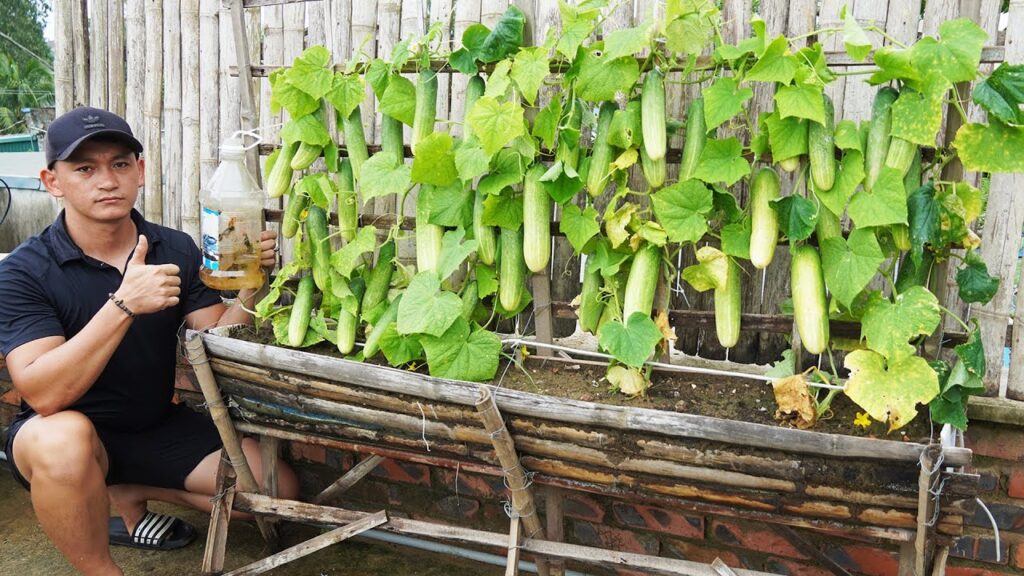
Cucumbers are natural climbers. In their native environment, they latch onto anything nearby—trees, shrubs, or fences. When you provide an intentional structure, the plants grow:
✔ Healthier
Better airflow reduces fungal diseases.
✔ Cleaner
Fruits stay off the soil, avoiding pests and rot.
✔ More Productive
Vertical growth boosts sunlight exposure, leading to more flowering and fruiting.
✔ Space Efficient
A small garden can yield big harvests with upward-growing vines.
✔ Easier to Harvest
Fruits are visible and accessible, reducing accidental damage.
Growing cucumbers on the ground is possible, but a structure unlocks their full potential.
🪴 Choosing the Best Structure for Cucumbers
There is no single “perfect” structure. Instead, think about which style suits your space, budget, and gardening goals. Below are the most effective options for home growers.
🌱 1. A-Frame Trellis
One of the most popular and practical structures is the A-frame trellis.
Why it works well:
- It supports heavy vines and fruit
- Easy to build even with basic tools
- Allows planting on both sides
- Provides a shaded area beneath (good for spinach or lettuce)
Materials Needed:
- Wooden stakes or bamboo poles
- Strong nylon string, twine, or welded wire mesh
- Screws or rope for fastening
How to Build:
- Create two triangular sides using poles or wood.
- Connect the top with a long horizontal beam.
- Attach mesh or string vertically for vines to grab.
- Plant cucumbers at the bottom of both sides.
This simple structure gives cucumbers the perfect environment to climb naturally.

🌿 2. Vertical Wall Trellis
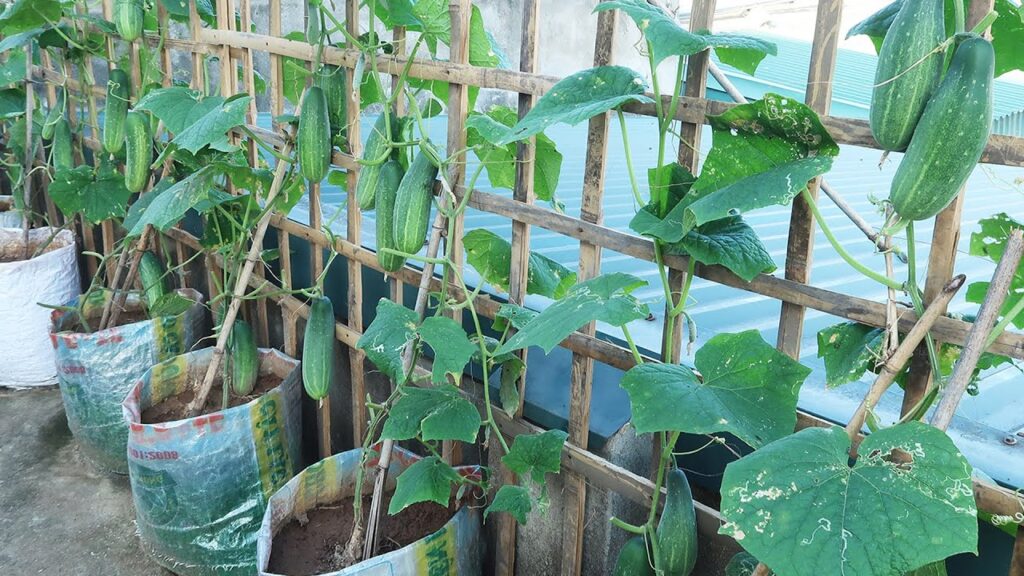
A vertical trellis is ideal for balconies, patios, or gardens with limited space.
Features:
- Straight, tall support
- Can be attached to walls or stand freely
- Requires minimal materials
Materials:
- Metal mesh, bamboo lattice, or wire fencing
- Wooden or metal frame
- Zip ties or rope
How to Build:
- Set up the frame upright.
- Stretch mesh or fencing tightly across it.
- Anchor the base firmly to withstand wind.
- Position pots or ground plantings below.
This trellis keeps cucumbers neat, accessible, and off the ground.
🌾 3. Arch Trellis
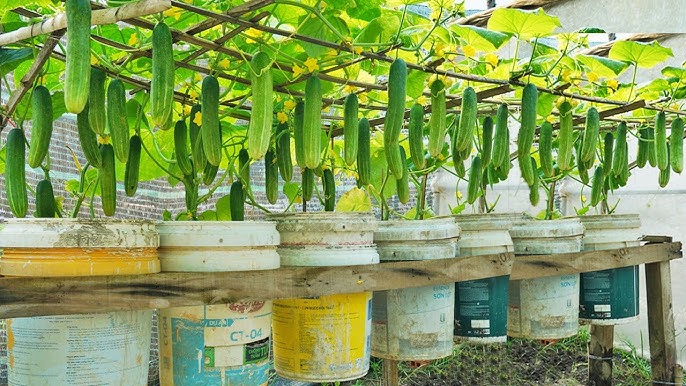
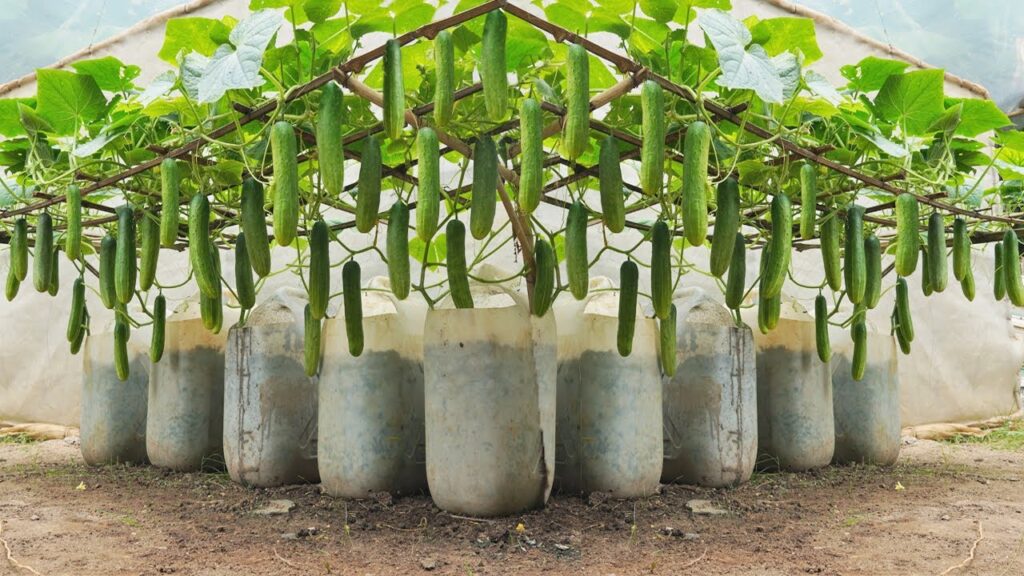
The arch trellis is both beautiful and highly functional.
Benefits:
- Creates a cooling green tunnel
- Allows cucumbers to hang down for easy picking
- Perfect for garden aesthetics and photography
Materials:
- Cattle panel (flexible metal grid)
- Thick bamboo poles
- PVC pipes bent into arches
How to Build:
- Bend the cattle panel or PVC pipe into an arch.
- Secure both sides deeply into the soil or planter boxes.
- Use cable ties for reinforcement.
- Plant cucumbers at the base.
As vines grow upward and over the arch, they form a fruitful canopy of green.
🌱 4. Teepee Trellis
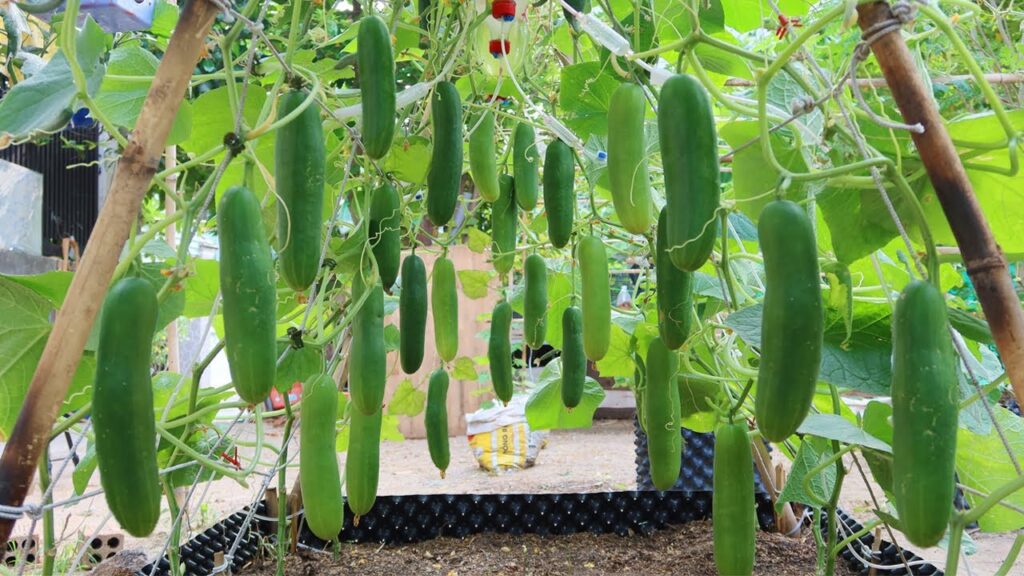
The teepee trellis is simple, cheap, and surprisingly effective.
Materials Needed:
- 3–5 long bamboo poles
- Strong rope or zip ties
How to Build:
- Gather poles into a teepee shape.
- Tie them together securely at the top.
- Spread out the bases for stability.
- Wrap twine around for additional climbing support.
- Plant cucumbers around the base.
Perfect for kids’ gardens, small spaces, and quick setups.

🌿 5. Hanging String Trellis (Ideal for Pots)
If you grow cucumbers in containers, this structure is excellent.
Materials:
- Strong overhead bar (pipe or wooden beam)
- Nylon string
Setup:
- Fix the overhead support.
- Tie strings tightly from the top down to the pot.
- Train vines by wrapping tendrils around the string.
This maximizes vertical space without bulky frames.
🛠️ DIY Materials You Can Use
Here are budget-friendly options you may already have at home:
- Bamboo sticks
- Old pipes
- PVC conduits
- Wooden pallets
- Metal mesh
- Sturdy ropes
- Netting
- Recycled bed frames
- Tomato cages
Cucumbers are adaptable and can climb almost anything sturdy.
🌞 Where to Position Your Cucumber Structure
Cucumbers love warmth and sunlight. Choose the right spot:
✔ 6–8 hours of direct sunlight
✔ Away from strong winds
✔ Near a water source
✔ With enough space for airflow
Remember: sunlight + airflow = less disease + more productivity.
🌱 How to Train Cucumbers to Climb
Cucumbers naturally climb using tendrils, but guiding them early helps.
Training Steps:
- When the plant is 20–25 cm tall, gently wrap the main stem onto the trellis.
- Tie loosely using soft garden ties or cloth strips (avoid tight knots).
- Remove lower leaves to promote upward growth.
- Redirect side shoots if they wander off the structure.
- Lift hanging fruits to prevent ground contact.
With minimal training, cucumbers quickly cover the structure.
💧 Watering and Maintenance Tips
Your structure supports the vines, but plant care ensures healthy results.
Watering
- Cucumbers need consistent moisture.
- Water deeply at the roots, not the leaves.
- Mulch to keep soil cool and moist.
Feeding
- Start with compost-rich soil.
- Feed every 2–3 weeks with organic fertilizer.
- Add potassium-rich feed during fruiting stages.
Pruning
- Remove yellow/excess leaves.
- Trim unnecessary side vines.
- Improve airflow for disease resistance.
🥒 Common Problems and How the Structure Helps Solve Them
1. Powdery Mildew
Vertical structures improve airflow, reducing fungal buildup.
2. Fruit Deformities
Hanging fruits grow straight and smooth.
3. Pest Attacks
Elevation prevents insects such as slugs and beetles from damaging the vines.

4. Rot and Yellowing
Keeping fruits off wet soil prevents rot.
5. Tangled Vines
A trellis guides vines neatly, preventing messy sprawl.
🌿 Additional Tips for Maximum Yield
✔ Plant flowers nearby to attract pollinators
✔ Use drip irrigation for even watering
✔ Mulch around the base
✔ Choose climbing cucumber varieties
✔ Keep pruning tools clean
Good structure + good care = abundant cucumbers.
🌱✨ Final Thoughts: Build Upwards for Bigger Harvests
Building a structure for growing cucumbers is one of the smartest decisions a gardener can make. With the right trellis—whether simple bamboo poles or a beautiful arch—you’ll enjoy:
- Cleaner fruits
- Higher yields
- Better airflow
- Faster growth
- Space-saving convenience
Cucumbers flourish when given the chance to climb. By selecting the right structure and training your vines, you’ll turn your home garden into a productive, green oasis bursting with delicious cucumbers.