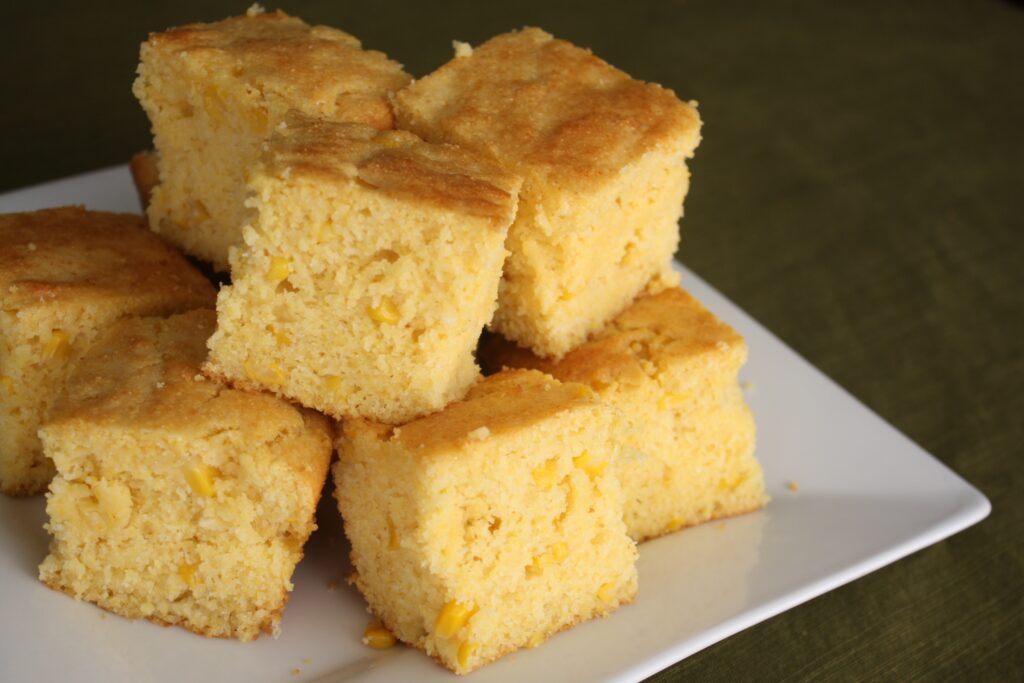
Few foods evoke the warmth of home quite like a golden slice of cornbread—especially when it’s made with your own freshly harvested, garden-grown corn. Sweet, moist, and rich with flavor, cornbread is a comfort classic that pairs perfectly with plant-based chili, grilled vegetables, or a bowl of soup. But when you make it using corn you’ve grown yourself, every bite becomes a celebration of nature’s sweetness and your gardening success.
Growing corn for sweet veggie cornbread isn’t just about cultivating a crop; it’s about cultivating connection—to the soil, the seasons, and your kitchen. Corn is one of the most rewarding garden crops, and with a little planning and care, you can harvest golden ears bursting with natural sugars ready to transform into delicious, homemade cornbread.
This detailed guide will show you exactly how to grow corn for sweet veggie cornbread, from choosing the right varieties and preparing your soil to harvesting and using your corn in the kitchen.
Why Grow Your Own Corn for Cornbread?

Store-bought cornmeal may be convenient, but it can’t match the flavor or freshness of homegrown corn that’s freshly milled or pureed. When you grow your own corn, you can select sweet or heirloom varieties that give your cornbread a naturally rich, nutty, and vibrant taste.
Here’s why it’s worth growing your own:
- Unmatched Freshness: Sweet corn begins to lose its sugar soon after harvest. Fresh-picked corn retains its natural sweetness, giving your cornbread that irresistible depth of flavor.
- Nutritional Benefits: Corn is packed with fiber, vitamins B and C, and antioxidants like lutein and zeaxanthin, which support eye and heart health.
- Sustainability: Homegrown corn reduces your carbon footprint and gives you full control over what goes into your food.
- Culinary Versatility: Beyond cornbread, you can use your harvest for soups, salsas, or grilled corn on the cob.
Homegrown corn turns a simple recipe into something wholesome, authentic, and proudly homegrown.
Choosing the Right Corn Variety for Cornbread
There are several types of corn, but not all are ideal for baking. The variety you choose will determine your cornbread’s texture and flavor.
Here’s a quick guide to help you pick:
1. Sweet Corn (Zea mays saccharata)
- Best for: Fresh eating and making moist cornbread.
- Flavor: Naturally sweet with tender kernels.
- Varieties to Try: Honey Select, Sugar Buns, Golden Bantam, Peaches & Cream.
- Tip: Perfect if you plan to use corn kernels directly in your cornbread batter.
2. Flint Corn (Indian Corn)
- Best for: Drying and grinding into cornmeal.
- Flavor: Rich, nutty, and slightly sweet.
- Varieties to Try: Floriani Red, Glass Gem, Cascade Ruby-Gold.
- Tip: Great if you want to make your own cornmeal from scratch.
3. Dent Corn
- Best for: Traditional cornbread meal (used in southern-style recipes).
- Flavor: Deep, earthy, and savory.
- Varieties to Try: Hickory King, Bloody Butcher, Reid’s Yellow Dent.
Pro Tip: For the sweetest and softest cornbread, grow sweet corn and use freshly cut kernels. For a more rustic, hearty loaf, dry flint or dent corn and grind it into cornmeal.
Preparing the Soil: Building the Base for Sweetness

Corn is a heavy feeder—it needs nutrient-rich soil and consistent moisture to produce plump, sweet kernels.
Soil Requirements:
- Type: Loamy, well-drained soil enriched with organic matter.
- pH: Neutral to slightly acidic (6.0–6.8).
- Preparation:
- Before planting, mix in 2–3 inches of compost or aged manure.
- Add a balanced organic fertilizer high in nitrogen to support strong stalk growth.
Sunlight:
Corn loves the sun! Choose a location that gets at least 6–8 hours of direct sunlight daily.
Wind Protection:
Because corn plants are tall and top-heavy, they can be damaged by strong winds. If possible, plant near a fence or hedge for natural protection.
Planting Corn: Step-by-Step
1. Timing Your Planting
Corn is a warm-season crop.
- When to Plant: After the last frost, when soil temperatures reach at least 60°F (15°C).
- In Warm Climates: You can plant multiple successions for extended harvests.
2. Planting Technique
Corn is best planted in blocks, not single rows, to ensure good pollination.
- Plant Seeds: 1–1½ inches deep and 8–12 inches apart.
- Rows: Space 24–30 inches apart.
- Block Planting: Plant in squares of 4+ rows for better kernel formation.
3. Watering
Corn needs consistent moisture, especially during tasseling (flowering) and ear development.
- Water 1–1.5 inches per week.
- Deep watering encourages strong root systems.
- Mulch around plants to retain soil moisture and reduce weeds.
4. Fertilizing
Feed corn regularly throughout the growing season.
- Early Growth: Use a nitrogen-rich fertilizer to encourage stalk and leaf growth.
- During Pollination: Switch to a balanced fertilizer with phosphorus and potassium to promote ear and kernel development.
Caring for Your Corn Crop
Growing corn successfully depends on giving it the right support through every stage.
1. Weed Control
Weeds compete with corn for nutrients and water.
- Mulch with straw or grass clippings to suppress weeds.
- Hand-weed gently to avoid disturbing shallow roots.
2. Pollination
Corn relies on wind pollination. Each kernel corresponds to a successfully pollinated silk, so proper pollination is key.
- Tip: Gently shake tassels (the top flowers) every few days once they release pollen to help distribute it over the silks.
3. Pest Management
Common pests include:
- Corn Earworms: Use neem oil or Bacillus thuringiensis (Bt) spray.
- Cutworms: Use cardboard collars around seedlings.
- Aphids: Spray with a mixture of water and mild soap.
Healthy soil and crop rotation are your best defenses against most pests.
Harvesting Sweet Corn
The right harvest time makes all the difference in taste.
For Fresh Sweet Corn:
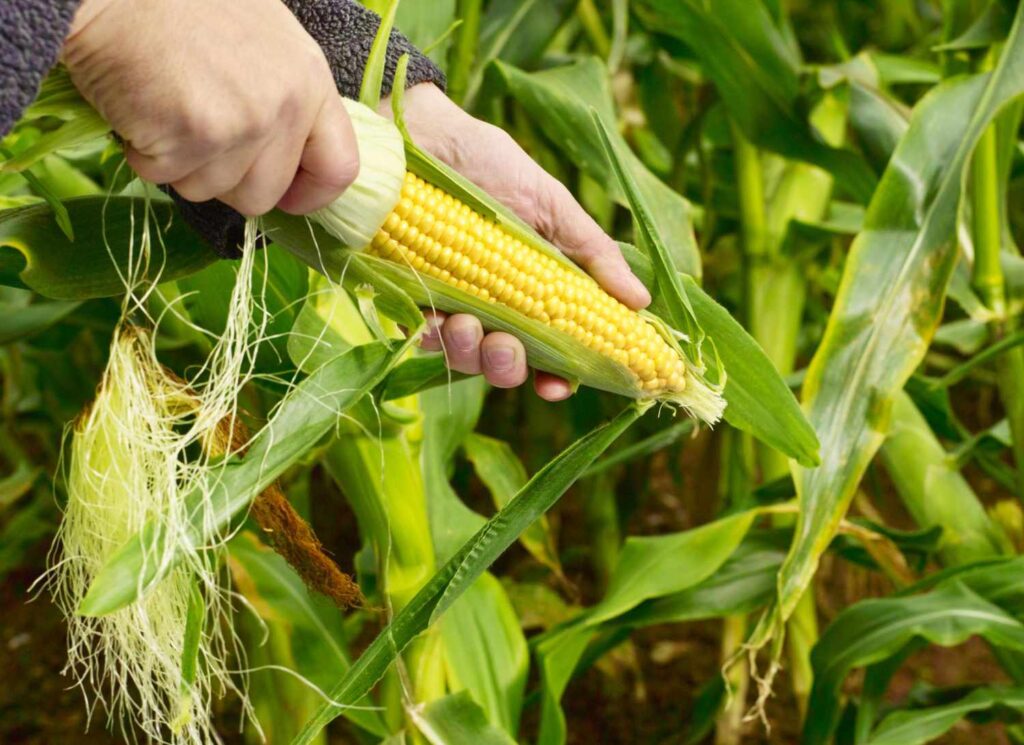
- Harvest when the silks turn brown but are still moist at the tips—about 20 days after silk first appears.
- Kernels should be plump and milky when pierced.
How to Harvest:
- Hold the ear firmly and twist downward to snap it off the stalk.
For Cornmeal (Flint or Dent Corn):
- Allow the ears to dry on the stalks until husks are papery and kernels are hard.
- Harvest before the first frost.
- Hang ears in a dry, ventilated area for 2–3 weeks before shelling.
Pro Tip: The sooner you use freshly harvested sweet corn, the better the flavor. The natural sugars start converting to starch soon after picking.
Turning Your Corn Harvest into Cornbread
Now comes the delicious part—transforming your garden’s bounty into sweet, moist veggie cornbread.
For Fresh Cornbread (Using Sweet Corn Kernels):
- Cut kernels from 2–3 ears of fresh corn.
- Blend half of them into a coarse puree for added moisture.
- Mix into your batter with cornmeal, flour, plant-based milk, and a touch of sugar.
For Traditional Cornmeal Cornbread (Using Dried Corn):
- Grind dried kernels using a grain mill or sturdy blender until you get a fine meal.
- Sift out larger bits if you prefer a smoother texture.
- Use this fresh cornmeal as the base of your cornbread for incredible flavor and aroma.
Recipe: Sweet Veggie Cornbread
Ingredients:
- 1 cup cornmeal (freshly ground if possible)
- 1 cup all-purpose or whole wheat flour
- 1 cup plant-based milk (almond, soy, or oat)
- 2 tablespoons olive oil or vegan butter
- 1 tablespoon baking powder
- ½ teaspoon salt
- 2 tablespoons sugar or maple syrup
- 1 cup fresh corn kernels
- ½ cup chopped bell pepper or scallions (optional for a veggie twist)
Directions:

- Preheat oven to 375°F (190°C). Grease a baking dish or cast-iron skillet.
- In a large bowl, combine dry ingredients (cornmeal, flour, baking powder, salt).
- In another bowl, whisk milk, oil, and sweetener.
- Mix wet and dry ingredients, then fold in corn kernels and veggies.
- Pour batter into the pan and bake for 25–30 minutes until golden brown.
- Cool slightly before slicing.
Serving Ideas:
Pair with veggie chili, a hearty salad, or roasted corn salsa for a wholesome, plant-based meal.
Sustainability and Seasonal Living
Growing corn for your own cornbread is more than just a cooking project—it’s an act of sustainability. Each seed you plant reduces reliance on processed food and reconnects you with seasonal eating.
To make your garden more sustainable:
- Compost corn husks and stalks for next season’s soil.
- Rotate crops yearly to prevent soil depletion.
- Save seeds from heirloom corn varieties for future planting.
Your garden can become a continuous cycle of growth, nourishment, and renewal—one cornbread at a time.
The Joy of Garden-to-Table Cornbread
There’s a simple, grounding joy in knowing your food from start to finish—planting seeds, tending crops, harvesting, and finally, baking a golden loaf of cornbread from your own hands. The sweetness isn’t just in the corn; it’s in the experience itself.
Homegrown corn transforms your cornbread from ordinary to extraordinary, infusing it with freshness and flavor that no store-bought ingredient can match. Each bite reflects the sun, soil, and care that went into growing it.
Final Thoughts
Learning how to grow corn for sweet veggie cornbread is about more than cultivating a crop—it’s about cultivating connection. With the right soil, sunlight, and care, your garden can produce golden ears bursting with flavor. And when you finally pull that steaming pan of cornbread from the oven, you’ll taste more than sweetness—you’ll taste the story of your garden.
So plant those seeds, nurture your stalks, and get ready to enjoy cornbread that’s as wholesome as it is heartwarming—straight from your garden to your table. 🌽💛