As the summer heat fades and crisp breezes roll in, fall ushers in a new rhythm — one filled with golden leaves, cozy sweaters, and the irresistible craving for comfort food. But imagine this: instead of buying your ingredients from the store, you step into your own garden, gather fresh produce, and create wholesome, plant-based dishes that warm you from the inside out.
This is the heart of “How to Grow Fall Veggies for Plant-Based Comfort Food.” It’s more than a gardening guide — it’s a celebration of seasonal living, showing how you can nurture fall vegetables that thrive in cooler weather and transform them into hearty, nourishing meals. From creamy soups to roasted veggie bowls, your garden can be the perfect source of both comfort and sustainability.
Let’s explore how to grow the best fall crops, care for them naturally, and bring your harvest to the table in delicious, plant-based ways.
1. Why Fall Is the Perfect Time for Growing Comfort Veggies
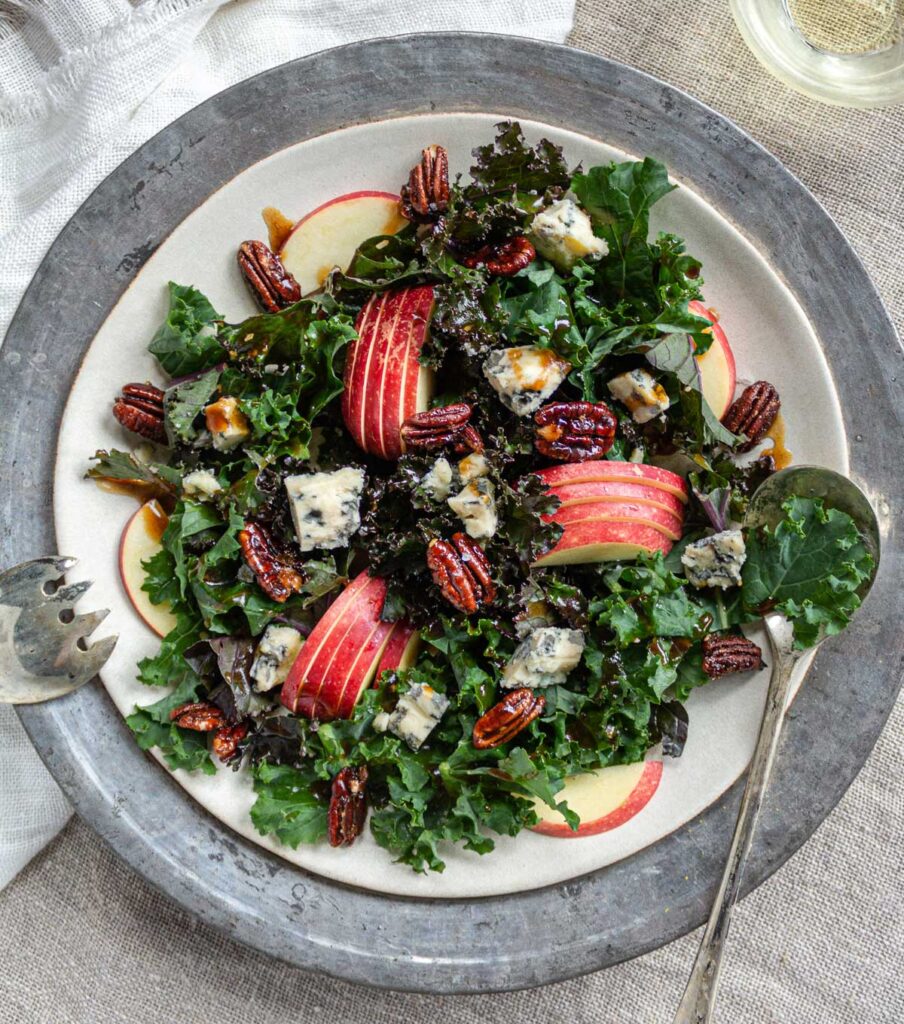
Fall is one of the most underrated — yet most rewarding — seasons for gardeners. While summer gardens overflow with tomatoes and peppers, autumn is ideal for growing hearty, nutrient-rich vegetables that thrive in cool soil and mild sunlight.
The key advantages of fall gardening include:
- Cooler Temperatures: Many leafy greens and root veggies prefer chilly weather, developing sweeter flavors after a light frost.
- Fewer Pests: The lower insect activity in fall helps you grow healthier crops with less effort.
- Better Soil Moisture: Autumn’s dew and rainfall make it easier to maintain consistent moisture levels.
- Flavor Boost: Cold nights enhance sugar content in vegetables like carrots and kale, giving them a naturally richer taste.
These environmental perks make fall the ideal time to grow the very vegetables that define plant-based comfort food — earthy, flavorful, and packed with nutrition.
2. Top Fall Vegetables to Grow for Comfort Cooking
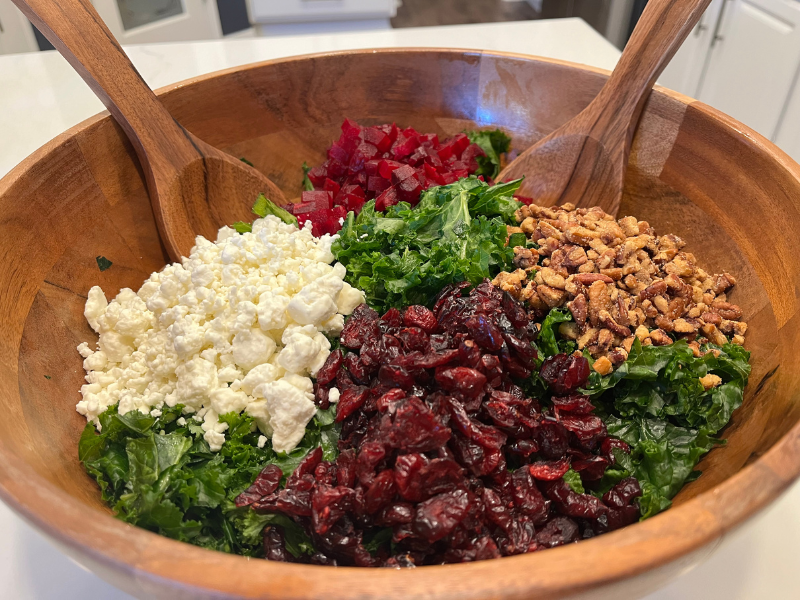
Comfort food is all about heartiness, warmth, and texture — and fall vegetables deliver all three. Here’s a look at some of the best crops to plant and how to grow them successfully.
1. Carrots: Sweet Roots for Cozy Dishes
Why They’re Perfect:
Carrots add sweetness and color to soups, stews, and roasts — a fall kitchen essential.
How to Grow:
- Planting Time: 8–10 weeks before the first frost.
- Soil: Loose, sandy, and stone-free for straight roots.
- Sunlight: Full sun (6 hours daily).
- Care: Keep soil moist; thin seedlings to avoid crowding.
- Harvest: After frost for enhanced sweetness.
Cooking Tip: Use roasted homegrown carrots in lentil stews or mash them into creamy, dairy-free carrot-ginger soup.
2. Kale: The Cold-Weather Green Powerhouse
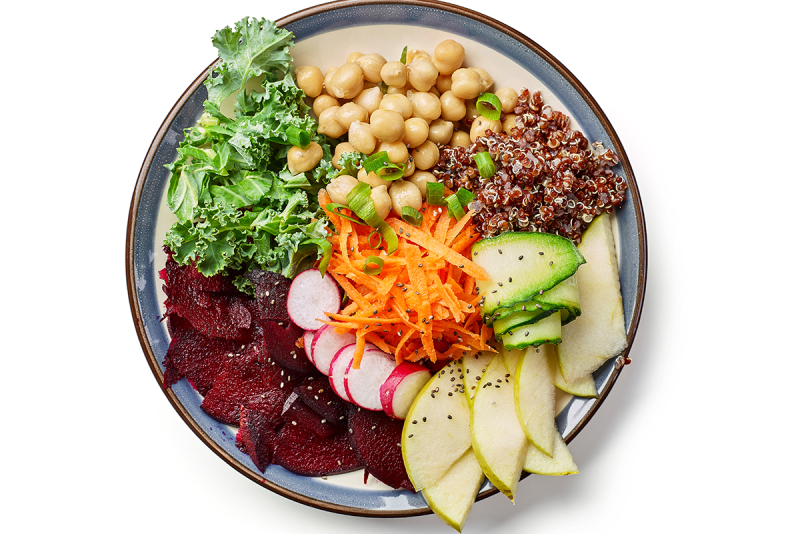
Why It’s Perfect:
Kale loves cold weather — its flavor improves after frost. Packed with vitamins and minerals, it’s ideal for plant-based meals.
How to Grow:
- Planting Time: Mid to late summer for fall harvest.
- Soil: Rich in compost, well-draining.
- Sunlight: 6–8 hours daily.
- Care: Water regularly and remove damaged leaves to promote new growth.
- Harvest: Pick outer leaves as needed.
Cooking Tip: Make a creamy kale and potato casserole or toss sautéed kale into whole-grain pasta with olive oil and garlic.
3. Beets: Earthy, Vibrant, and Nutrient-Dense
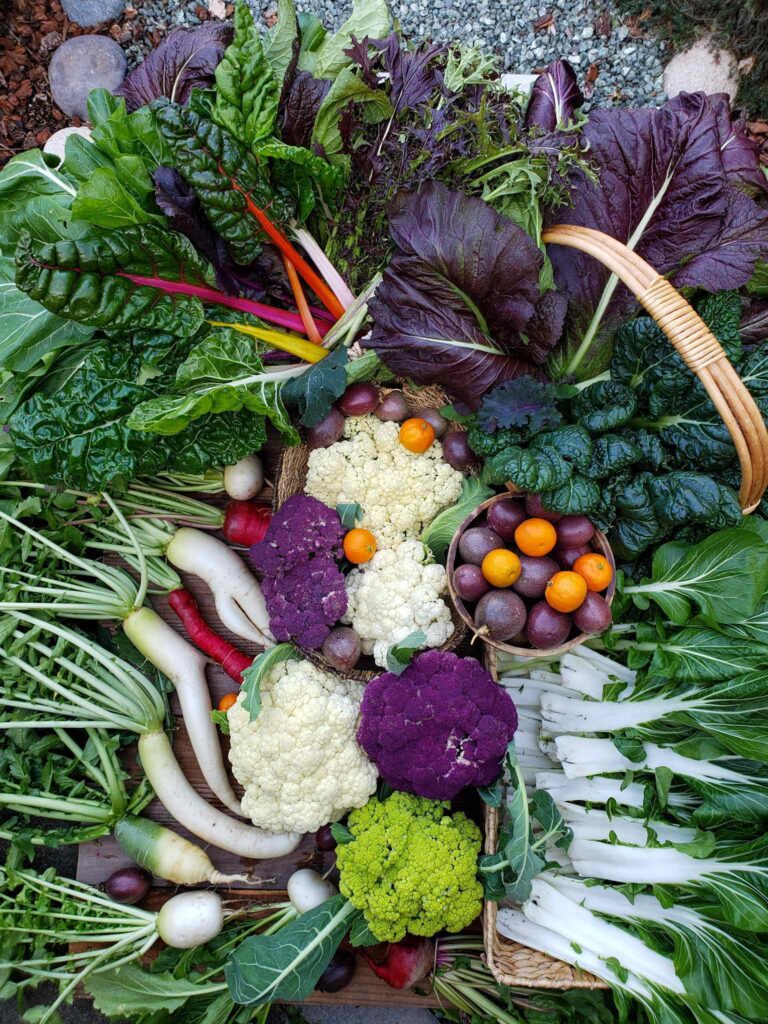
Why They’re Perfect:
Beets are a fall staple with a naturally sweet, earthy flavor. They’re fantastic roasted or pureed into soups.
How to Grow:
- Planting Time: 10 weeks before frost.
- Soil: Fertile, sandy, and free of clumps.
- Sunlight: Full to partial sun.
- Care: Keep evenly moist; thin plants for larger roots.
- Harvest: When bulbs are 2–3 inches wide.
Cooking Tip: Roast beets with balsamic glaze or make beet and chickpea patties for a vibrant plant-based burger.
4. Broccoli: The Star of Plant-Based Comfort Bowls
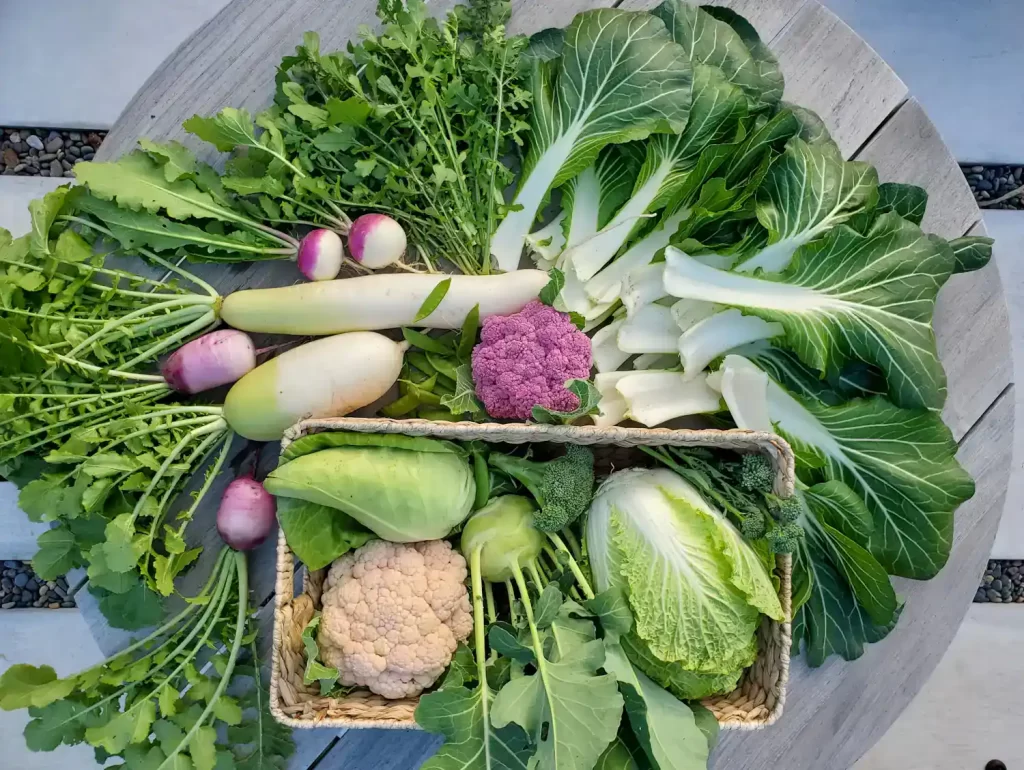
Why It’s Perfect:
Broccoli is packed with protein and fiber, making it a filling base for vegan casseroles, soups, and stir-fries.
How to Grow:
- Planting Time: Late summer to early fall.
- Soil: Fertile and moist with good drainage.
- Sunlight: Full sun.
- Care: Feed with compost and protect from cabbage worms.
- Harvest: Cut the central head before florets open, encouraging side shoots to grow.
Cooking Tip: Try a creamy dairy-free broccoli soup or bake broccoli with cashew “cheese” for the ultimate comfort dish.
5. Cabbage: The Cozy Classic
Why It’s Perfect:
Cabbage adds heartiness to fall stews, rolls, and stir-fries, while storing well for weeks in cool conditions.
How to Grow:
- Planting Time: Start indoors 10 weeks before frost or sow outdoors 6 weeks before.
- Soil: Rich and moist with compost.
- Sunlight: Full sun.
- Care: Keep consistent watering; mulch to maintain soil temperature.
- Harvest: Cut heads when firm and compact.
Cooking Tip: Make stuffed cabbage rolls filled with quinoa and veggies or use shredded cabbage in hearty miso soup.
6. Spinach: The Fast-Growing Fall Favorite
Why It’s Perfect:
Spinach grows quickly in cool weather and adds lush green texture to comfort foods like casseroles and pasta bakes.
How to Grow:
- Planting Time: 6 weeks before frost.
- Soil: Moist, fertile, well-draining.
- Sunlight: Partial shade.
- Care: Keep soil evenly moist; harvest outer leaves for continuous growth.
Cooking Tip: Layer spinach into lasagna, blend it into creamy soups, or toss into warm grain bowls.
7. Garlic: The Flavor Foundation
Why It’s Perfect:
Garlic adds depth and aroma to every plant-based dish — from roasted veggies to creamy sauces.
How to Grow:
- Planting Time: Mid-fall, before the ground freezes.
- Soil: Loose and nutrient-rich.
- Sunlight: Full sun.
- Care: Mulch heavily for winter protection; water lightly.
- Harvest: Early summer when leaves begin to brown.
Cooking Tip: Roast whole garlic cloves to spread over toast or blend into vegan mac-and-cheese sauce for extra richness.
3. Building the Perfect Fall Garden
Creating a productive fall garden requires thoughtful timing and preparation. Here’s how to make sure your crops thrive even as temperatures drop.
Step 1: Prep the Soil
After summer harvests, enrich your beds with compost or aged manure. Loosen compact soil to improve drainage and root growth.
Step 2: Choose Cool-Weather Varieties
Opt for quick-growing or cold-hardy cultivars. Look for seed packets labeled “fall crop” or “frost-tolerant.”
Step 3: Plant in Succession
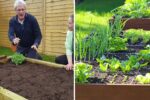
To extend your harvest, stagger plantings every 2–3 weeks for crops like lettuce, spinach, and radishes.
Step 4: Protect from Frost
Use row covers, cloches, or cold frames to shield tender plants from early frosts while allowing sunlight and air circulation.
Step 5: Harvest Smartly
Harvest leafy greens frequently to encourage regrowth and pull root crops like carrots and beets as needed — they can stay in the ground until you’re ready to cook.
4. Turning Your Harvest into Comfort Food
Fall’s bounty lends itself perfectly to the flavors of warmth and nostalgia. Here are some creative plant-based comfort dishes that make the most of your homegrown produce.
1. Creamy Roasted Vegetable Soup
Ingredients: Carrots, beets, garlic, and onions.
Roast your veggies with olive oil until tender, then blend with vegetable broth and plant-based cream. Serve with warm, crusty bread for a cozy dinner.
2. Hearty Kale and Lentil Stew
Ingredients: Kale, carrots, garlic, onions, and lentils.
Simmer lentils with sautéed vegetables, thyme, and a splash of tomato paste for a satisfying, protein-packed meal.
3. Broccoli and Potato Casserole
Ingredients: Broccoli, potatoes, spinach, and garlic.
Layer thin slices of potatoes with blanched broccoli and spinach, pour over cashew cream sauce, and bake until golden and bubbly.
4. Warm Beet and Quinoa Bowl
Ingredients: Beets, kale, and garlic.
Toss roasted beets with cooked quinoa, sautéed kale, and a drizzle of tahini-lemon dressing for a nutrient-rich, colorful dinner.
5. Spiced Cabbage Stir-Fry
Ingredients: Cabbage, carrots, and garlic.
Stir-fry with soy sauce, ginger, and sesame oil. Serve over brown rice or noodles for an Asian-inspired comfort meal.
5. Benefits of Fall Gardening and Plant-Based Living
Growing fall veggies and embracing a plant-based diet complement each other beautifully — both rooted in mindfulness and respect for nature.
Health Benefits:
- Homegrown produce is fresher, richer in antioxidants, and pesticide-free.
- Plant-based comfort foods lower cholesterol and improve heart health.
- Gardening offers gentle exercise and stress relief.
Environmental Benefits:
- Reduces carbon footprint by cutting down on transportation.
- Encourages organic, waste-free living.
- Promotes biodiversity through soil health and pollinator support.
Emotional Rewards:
There’s an unmatched satisfaction in preparing a meal from your own garden — a reminder that slow, mindful living is not just good for the planet, but deeply comforting for the soul.
6. The Cozy Conclusion: Harvesting Warmth from the Earth
Fall gardening is more than a seasonal activity — it’s a ritual of renewal. As you dig into the soil and nurture your vegetables, you’re also cultivating patience, purpose, and gratitude. And when you turn those vegetables into steaming soups, hearty stews, or golden casseroles, you taste the rewards of your care.
“How to Grow Fall Veggies for Plant-Based Comfort Food” is about embracing that cycle — growing what sustains you, eating what you nurture, and letting nature guide your table.
So as the days grow shorter, step into your garden one last time before winter, gather your vibrant harvest, and bring the warmth of fall straight to your plate. Because true comfort isn’t found in the store — it grows, one seed at a time, right in your backyard. 🍁🥕🥔🌿