Spring is nature’s grand awakening — a season of renewal, color, and growth. After the chill of winter, the warming soil and lengthening days invite us back outdoors to dig, plant, and dream of vibrant harvests. For those who love cooking and eating plant-based meals, spring is the perfect time to plan a garden that nourishes both body and soul.
By aligning your garden design with your kitchen needs, you can fill your plates with homegrown greens, herbs, and vegetables bursting with flavor and freshness. This article explores everything you need to know to plan your spring garden for fresh, plant-based meals — from choosing the right crops and preparing soil to designing space-efficient layouts and harvesting with purpose.
1. Why Spring Garden Planning Matters
Spring sets the tone for your entire year of gardening. The planning you do now determines what you’ll be harvesting not only in the coming weeks but also through summer and beyond.
Benefits of planning early include:
- Longer harvest season: Early planting gives crops more time to mature.
- Healthier soil: Proper preparation and rotation boost fertility.
- Better organization: You’ll make efficient use of space and sunlight.
- Culinary inspiration: You can grow exactly what fits your plant-based recipes.
Whether you’re working with a backyard plot, balcony garden, or raised bed setup, thoughtful planning ensures your garden becomes an extension of your kitchen — one that fuels creativity, health, and sustainability.
2. Setting Goals for Your Plant-Based Garden
Before you grab a spade, it helps to define your goals. Ask yourself:
- What kind of plant-based meals do I cook most often?
- Do I prefer leafy greens, hearty roots, or fruiting vegetables?
- How much time can I dedicate to garden care?
- Do I want quick yields (like lettuce) or longer-season crops (like tomatoes)?
For instance, if you enjoy salads, smoothies, and light stir-fries, prioritize greens, herbs, and tender veggies. If your meals lean toward stews and grain bowls, focus on root vegetables, legumes, and hardy herbs.
Planning with your kitchen in mind ensures nothing goes to waste — and that your meals stay exciting throughout the season.
3. Preparing Your Garden for Spring Planting
Healthy plants begin with healthy soil. Spring is the time to rejuvenate your garden bed after the long dormancy of winter.
Steps for soil preparation:
- Clear winter debris: Remove dead leaves, weeds, and old roots.
- Loosen the soil: Turn it gently to aerate and improve drainage.
- Add compost: Enrich the soil with organic matter to boost fertility.
- Test soil pH: Most veggies thrive in slightly acidic to neutral soil (pH 6–7).
- Apply mulch or straw: Helps retain moisture and keep weeds down.
If you garden in containers, refresh your potting mix by blending old soil with compost or organic fertilizer. Well-prepared soil ensures your young plants get the nutrients and structure they need to thrive.
4. Choosing the Best Spring Crops for Plant-Based Meals
Spring is ideal for cool-weather vegetables that thrive before summer’s heat sets in. These crops grow fast, taste best when freshly picked, and form the base of countless plant-based dishes.
A. Leafy Greens: The Foundation of Fresh Meals
- Lettuce: Quick-growing and perfect for daily harvests.
- Spinach: Rich in iron and ideal for salads, soups, or sautés.
- Kale: A hardy superfood that thrives in cool air.
- Arugula: Peppery and flavorful — perfect for fresh salads or pesto.
🪴 Garden Tip: Stagger your planting every 2–3 weeks for continuous harvests.
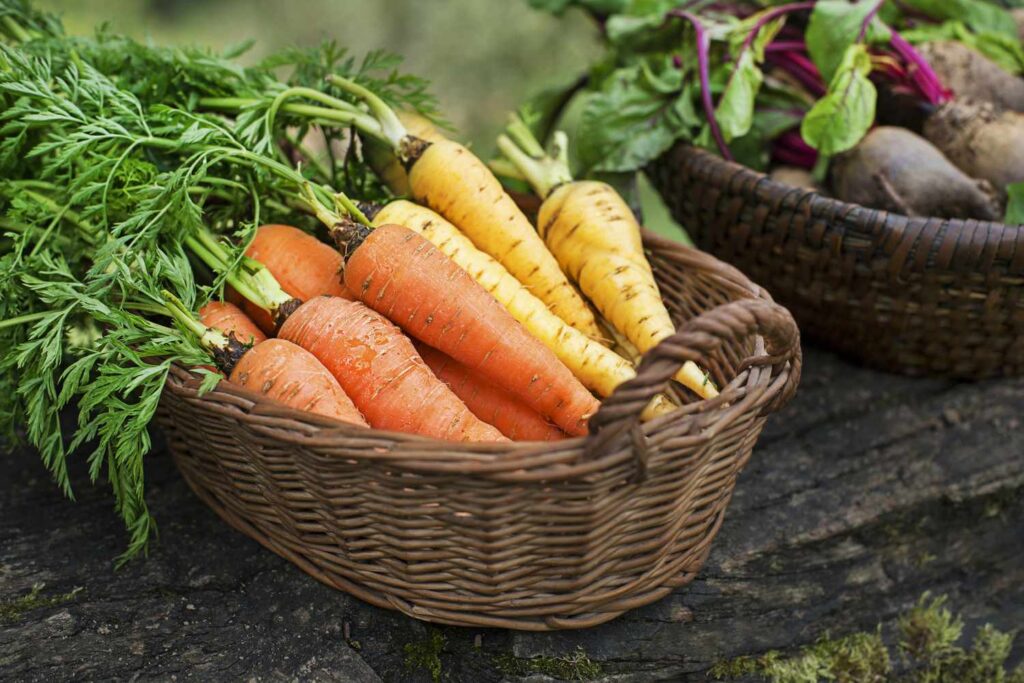
B. Root Vegetables: Sweet, Crunchy, and Colorful
- Carrots: Great for snacking, roasting, or juicing.
- Radishes: Fast-growing (ready in 25 days!) and add a peppery crunch.
- Beets: Dual-purpose crop — both roots and greens are edible.
- Turnips: Mild and tender when young, ideal for soups and stir-fries.
🪴 Kitchen Inspiration: Roast beets and carrots with olive oil and herbs for a colorful side dish or add shredded roots to grain bowls for extra texture.
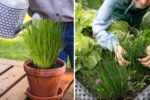
C. Herbs: The Secret to Flavorful Vegan Cooking
- Basil: Pairs with tomatoes and makes fresh pesto.
- Parsley: Adds brightness to any dish.
- Cilantro: Perfect for global-inspired meals like tacos or curries.
- Mint: Refreshing for teas, salads, and desserts.
🪴 Garden Tip: Grow herbs near your kitchen door or windowsill for easy access while cooking.
D. Fruiting and Pod Vegetables: Early Producers
- Peas: Sweet, crisp, and nitrogen-fixing — they enrich the soil.
- Broccoli: Thrives in cool weather; great for stir-fries or roasting.
- Cauliflower: Versatile in vegan cooking — from rice to steaks.
🪴 Kitchen Inspiration: Make a creamy vegan broccoli soup or cauliflower tacos using your garden harvest.
5. Designing a Space-Efficient Garden Layout
Whether you have a large backyard or a few containers, strategic layout design maximizes productivity.
Tips for efficient garden planning:
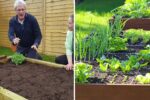
- Use raised beds: Improve drainage and soil quality.
- Group plants by sunlight and water needs: Keep similar crops together.
- Practice companion planting: Pair crops that benefit each other (e.g., basil near tomatoes, carrots with onions).
- Vertical gardening: Use trellises for peas, beans, or cucumbers to save space.
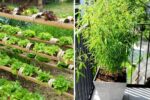
For small spaces, containers or hanging baskets can yield surprising amounts of produce. You can grow leafy greens in window boxes, tomatoes in pots, and herbs in vertical planters.
6. The Art of Succession Planting
Succession planting — sowing new crops as soon as old ones are harvested — keeps your garden productive from spring through fall.
Example succession plan:
- Early spring: Lettuce, spinach, and radishes.
- Mid-spring: Carrots, beets, and peas.
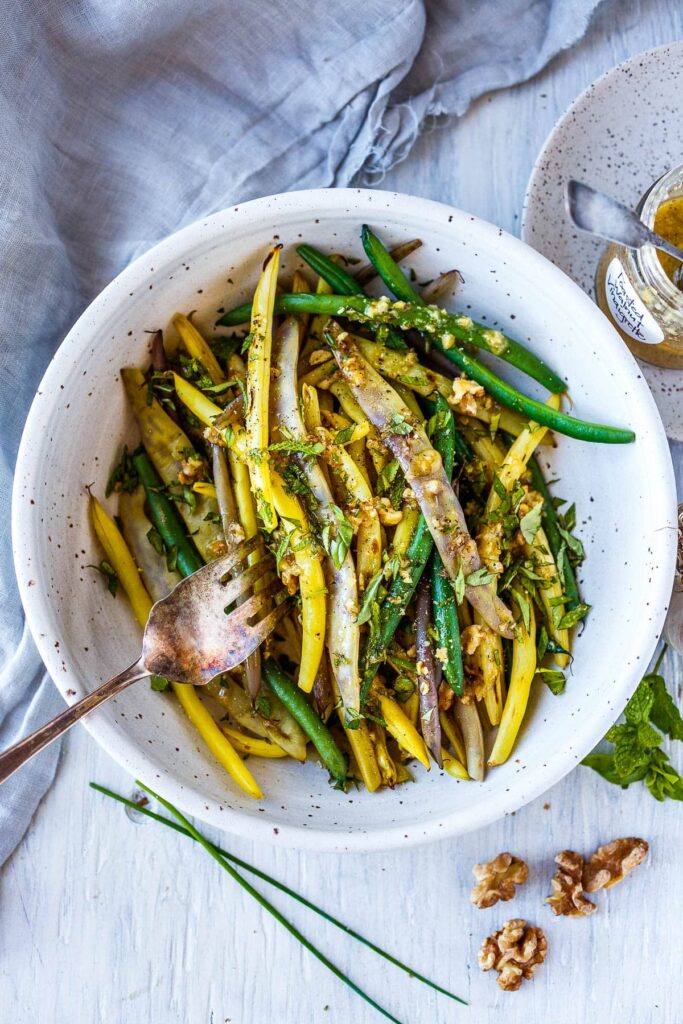
- Late spring: Transition to tomatoes, peppers, and beans.
This method ensures a constant flow of ingredients for your plant-based meals and reduces wasted garden space.
7. Sustainable Gardening Practices for a Greener Kitchen
Plant-based living goes hand in hand with sustainability. Apply eco-friendly practices in your spring garden to minimize waste and support the planet.
Sustainable techniques:
- Composting: Recycle kitchen scraps into nutrient-rich compost.
- Water conservation: Use drip irrigation or rain barrels.
- Organic pest control: Introduce ladybugs, neem oil, or companion plants like marigolds to deter pests naturally.
- Crop rotation: Prevents soil depletion and disease buildup.
These practices make your garden both productive and environmentally conscious — reflecting the very values behind a plant-based lifestyle.
8. Harvesting for Maximum Freshness
Knowing when and how to harvest is as important as planting.
Harvesting tips:
- Pick greens early in the morning when they’re crisp and hydrated.
- Pull root vegetables gently to avoid damage.
- Cut herbs frequently to encourage new growth.
- Store produce properly — greens in damp cloths, roots in cool storage.
When you harvest only what you need for the next meal, you ensure every bite is at its flavor peak — fresh, crisp, and nourishing.
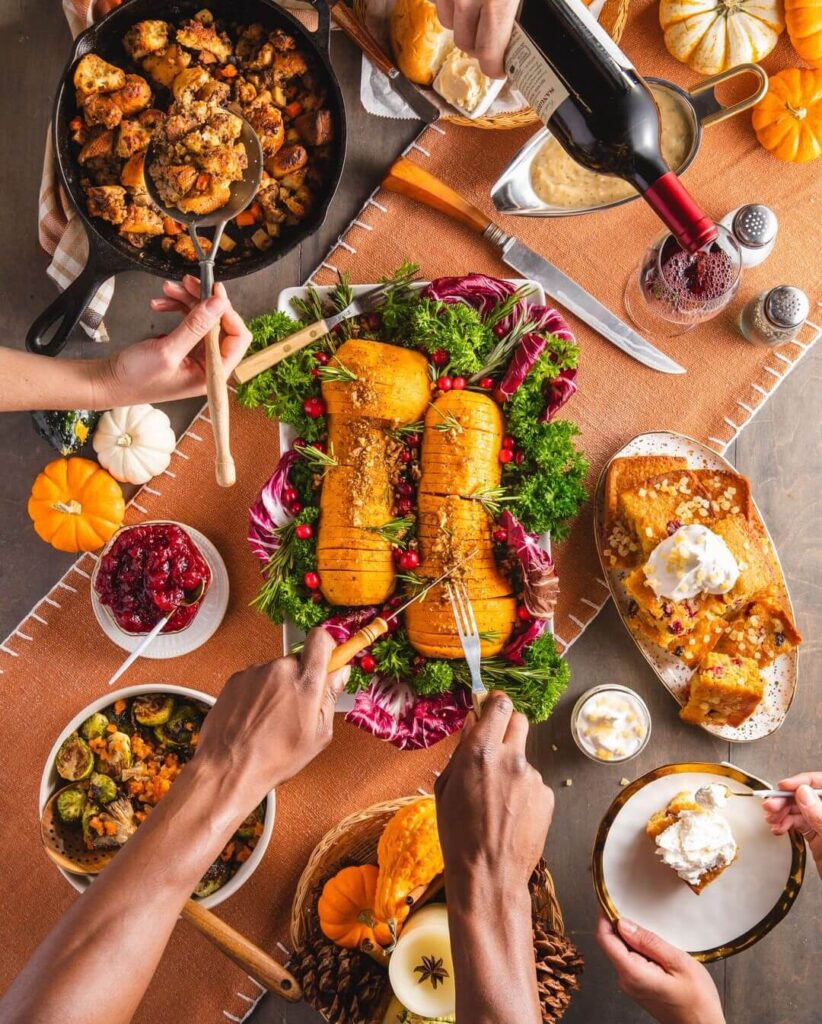
9. Cooking Inspiration: From Garden to Plate
With a well-planned spring garden, your kitchen becomes a seasonal playground. Here are some plant-based meal ideas that showcase your fresh harvest:
🌱 Breakfast: Green smoothie with spinach, banana, and fresh mint.
🥗 Lunch: Rainbow salad with arugula, radish, and citrus dressing.
🍜 Dinner: Stir-fried spring peas and kale over quinoa with ginger-tahini sauce.
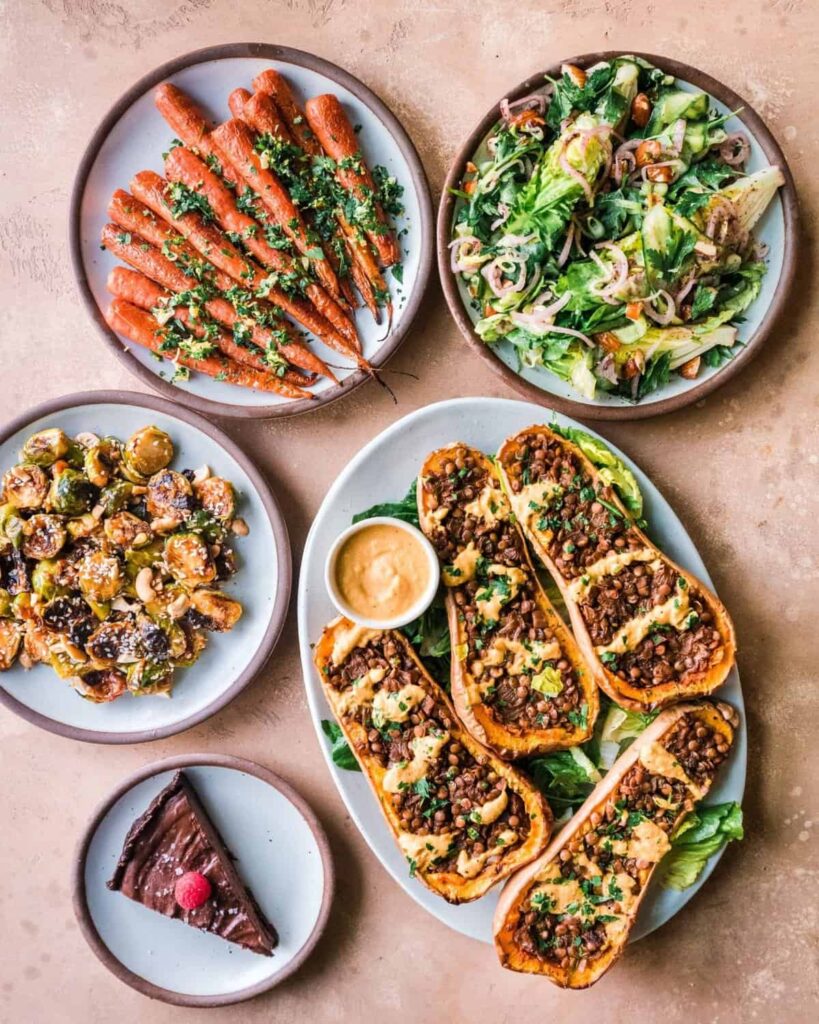
🥕 Snack: Roasted carrots with maple glaze and sesame seeds.
🌿 Beverage: Mint-cucumber-infused water or herbal tea.
Every dish tells a story of freshness, sustainability, and creativity — proof that plant-based eating is not only healthy but deeply flavorful.
10. Extending the Spring Harvest into Summer
With a little foresight, you can make your spring crops feed your summer meals.
Tips to extend productivity:
- Replant quick crops: Once lettuce or radishes are harvested, replant beans or herbs.
- Preserve herbs: Dry or freeze extra basil, parsley, and cilantro.
- Transition slowly: As days warm, replace cool-weather greens with heat-tolerant crops like tomatoes and peppers.
By overlapping planting cycles, you ensure your kitchen stays stocked with fresh produce well beyond spring.
11. Common Mistakes to Avoid in Spring Garden Planning
Even experienced gardeners make errors when starting the season. Watch out for:
- Planting too early: Late frosts can damage tender seedlings.
- Overcrowding: Restricts airflow and causes disease.
- Ignoring soil health: Leads to nutrient imbalances.
- Neglecting succession planting: Creates gaps in harvests.
Careful observation and gradual adjustments are key — gardening is a learning process that improves every year.
12. The Joy of Growing and Cooking Your Own Food
There’s something profoundly satisfying about harvesting ingredients minutes before cooking. You not only know where your food comes from but also experience its full freshness and nutritional value.
Planting your spring garden connects you to nature’s rhythm, reduces food waste, and transforms your meals into mindful acts of nourishment. Every salad, soup, or smoothie becomes a celebration of your effort, patience, and creativity.
13. Conclusion: From Seed to Supper, A Plant-Based Spring Awakening
Spring is more than a season — it’s a promise of renewal. When you plan your garden around your plant-based meals, you create a sustainable cycle of growth and gratitude.
From tender greens to crisp roots and fragrant herbs, every crop represents a step toward self-sufficiency, wellness, and environmental harmony. With a thoughtful plan, your garden becomes your pantry — alive, abundant, and endlessly inspiring.
So grab your gloves, open your seed packets, and start your spring garden planning for fresh plant-based meals. By the time the season blooms in full, your kitchen will overflow with flavor, color, and the unmatched satisfaction of growing what you eat.