Summer is the season of sunshine, long evenings, and smoky grills — and nothing complements the outdoor cooking season quite like fresh, tender summer squash. From buttery zucchini to golden-yellow crooknecks and striped pattypans, these versatile vegetables are the true stars of warm-weather gardens and cookouts alike.
Growing summer squash at home not only rewards you with abundant harvests but also transforms your summer meals. Whether you’re layering grilled zucchini in veggie sandwiches, skewering chunks with herbs, or roasting slices over an open flame, summer squash adds texture, sweetness, and color to every plant-based dish.
In this article, we’ll explore how to grow summer squash for delicious veggie grilling — covering everything from planting and care to harvesting, storage, and creative grilling ideas that showcase your garden’s bounty.
1. Why Grow Summer Squash?
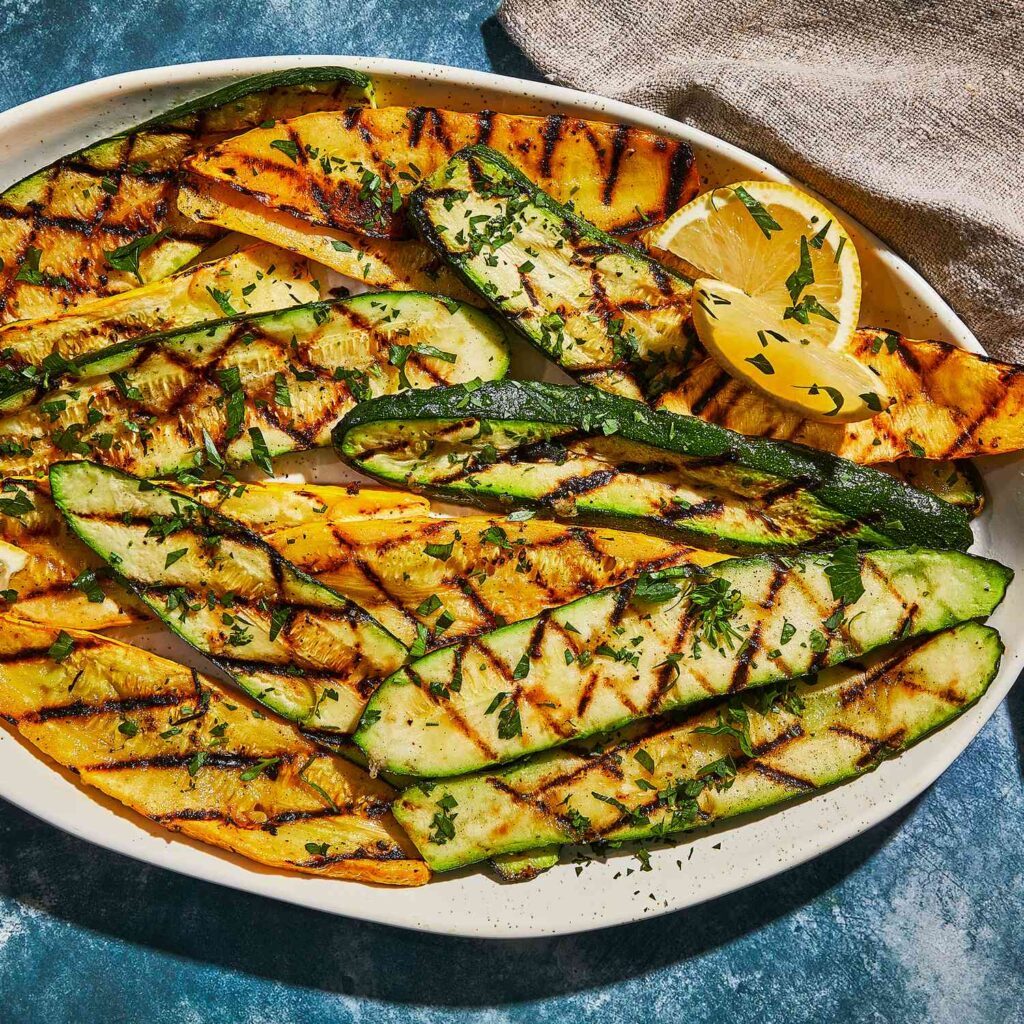
Few vegetables capture the essence of summer quite like squash. They’re easy to grow, fast to produce, and remarkably prolific — a few healthy plants can supply weeks of harvests.
Key Benefits:
- Abundant Yields: Each plant can produce dozens of fruits through the season.
- Quick Growth: From seed to harvest in just 45–60 days.
- Nutrient-Rich: Packed with vitamin C, potassium, and antioxidants.
- Culinary Versatility: Perfect for grilling, roasting, stir-frying, or baking.
For vegan and vegetarian kitchens, summer squash is a must-have ingredient — light, flavorful, and ideal for grilling, where its mild flesh soaks up marinades and develops delicious charred edges.
2. Understanding Summer Squash Varieties

“Summer squash” isn’t just one plant — it’s a family of tender, edible-skinned varieties harvested while still immature and soft. Here are the most popular types to grow for grilling:
Zucchini (Green and Yellow)
Classic, fast-growing, and perfect for slicing into long strips for the grill. Varieties like ‘Black Beauty’ and ‘Golden Delight’ offer excellent yields and vibrant color.

Yellow Crookneck Squash
Curved-necked, buttery, and tender. Its bright yellow skin adds visual appeal to mixed veggie skewers.
Pattypan Squash
Small, scalloped, and slightly nutty in flavor. Ideal for roasting or grilling whole. Try varieties like ‘Sunburst’ or ‘Peter Pan’.
Costata Romanesco
An Italian heirloom zucchini known for its ribbed skin and rich flavor — a top choice for gourmet grilling.
Each type brings unique shape and flavor to the table, so growing a mix ensures variety in both your garden and your summer recipes.
3. When and Where to Plant
Summer squash thrives in warm, sunny conditions. To ensure success, timing and site selection are key.
When to Plant
- Wait until after the last frost, when soil temperatures reach at least 18°C (65°F).
- In most regions, this means planting in late spring to early summer.
- You can start seeds indoors 2–3 weeks early for a head start.
Where to Plant
- Choose a sunny spot (minimum 6–8 hours of direct sunlight daily).
- Ensure well-drained, fertile soil with plenty of organic matter.
- Avoid planting where squash, cucumbers, or melons grew the previous year to prevent disease carryover.
Ideal Soil Conditions:
- pH: 6.0–6.8
- Add compost or aged manure before planting.
- Raised beds or mounds help prevent waterlogging.
4. How to Plant Summer Squash
Squash can be started from seeds or transplants.
Direct Sowing (Most Common)
- Form small hills or mounds about 2 feet apart in rows spaced 3–4 feet apart.
- Plant 2–3 seeds per hill, about 1 inch deep.
- Once seedlings sprout, thin to the strongest plant.
Transplanting
If you start seeds indoors, transplant seedlings outdoors once they have 2–3 true leaves and all frost risk has passed.
Tip: Cover young plants with row covers for the first few weeks to protect them from squash vine borers and beetles.
5. Watering and Feeding for Optimal Growth
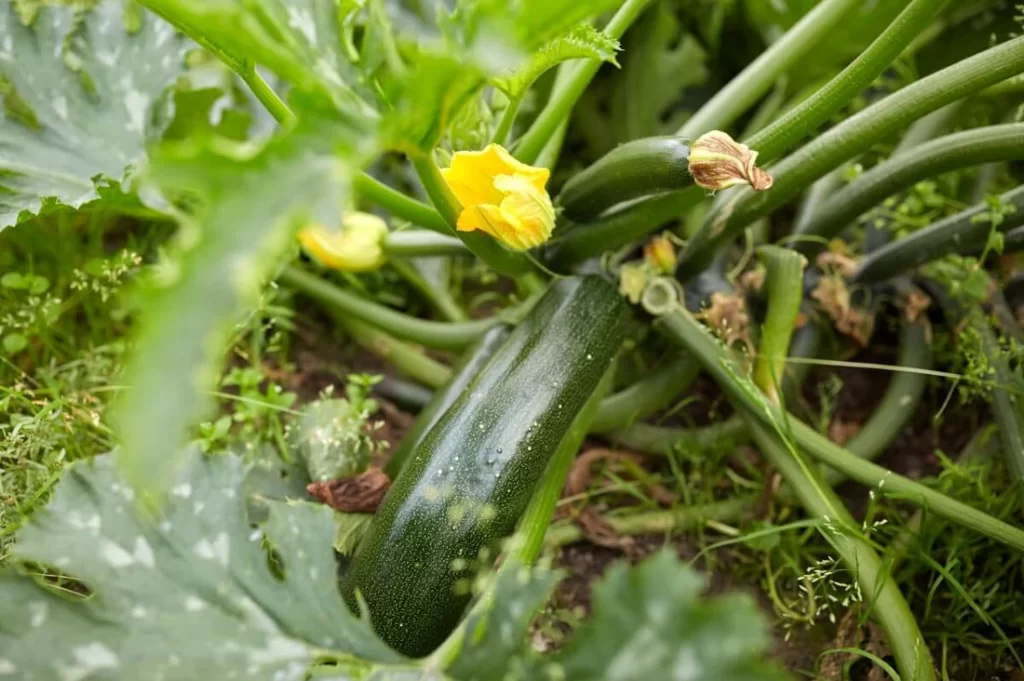
Summer squash plants grow quickly and need consistent moisture to thrive.
Watering:
- Provide 1–1.5 inches of water per week.
- Water deeply at the base to encourage strong root growth.
- Avoid overhead watering to reduce leaf diseases.
Feeding:
- Incorporate compost before planting.
- Apply a balanced organic fertilizer (10-10-10) every 3–4 weeks.
- Use compost tea or seaweed extract as a midseason booster.
Squash plants are heavy feeders, so regular nutrition ensures lush leaves and continuous fruit production.
6. Managing Pests and Diseases
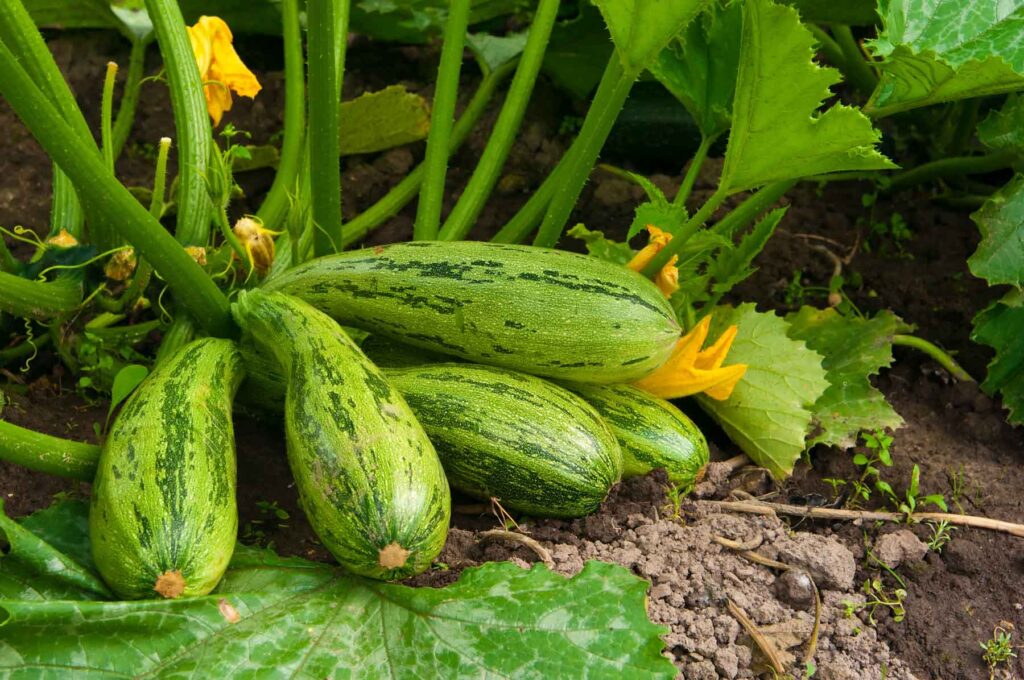
Like most cucurbits, summer squash can attract a few common pests — but with vigilance and natural methods, you can keep them in check.
Common Pests:
- Squash Vine Borers: Lay eggs near stems. Protect with row covers early on and destroy larvae inside infested stems.
- Squash Bugs: Hand-pick and remove eggs from leaves. Neem oil can deter them.
- Cucumber Beetles: Use floating row covers and yellow sticky traps.
Diseases to Watch:

- Powdery Mildew: Appears as white patches on leaves. Improve airflow and apply organic sulfur spray if needed.
- Downy Mildew or Blossom End Rot: Caused by poor watering practices. Maintain consistent soil moisture.
Healthy soil, proper spacing, and crop rotation are your best defenses against these problems.
7. Harvesting Summer Squash
The joy of growing squash lies in how quickly it rewards you — most plants start producing within 45–60 days after planting.
Harvesting Guidelines:
- Pick zucchini and yellow squash when 6–8 inches long for best texture.
- Pattypan squash taste best when 2–4 inches wide.
- Use a sharp knife or scissors to cut fruit cleanly from the stem.
- Harvest frequently (every 2–3 days) to encourage more production.
If fruits grow too large, they become tough and seedy — great for soups or baking, but not ideal for grilling.
8. Storing and Preserving Your Harvest
Freshly harvested squash can last up to 7 days in the refrigerator. Store unwashed in a breathable produce bag.
For longer preservation:
- Freeze: Slice, blanch for 2 minutes, cool, and freeze.
- Dehydrate: Makes lightweight chips for snacks.
- Pickle: Marinated squash slices with herbs make delicious sides.
Preserved squash brings a taste of summer to your meals long after grilling season ends.
9. From Garden to Grill: Cooking with Fresh Squash
Once your garden rewards you with baskets of summer squash, it’s time to take it to the grill — where this vegetable truly shines. Its mild flavor and tender texture make it a perfect canvas for smoky, charred notes and herb-infused marinades.

Grilling Preparation Tips:
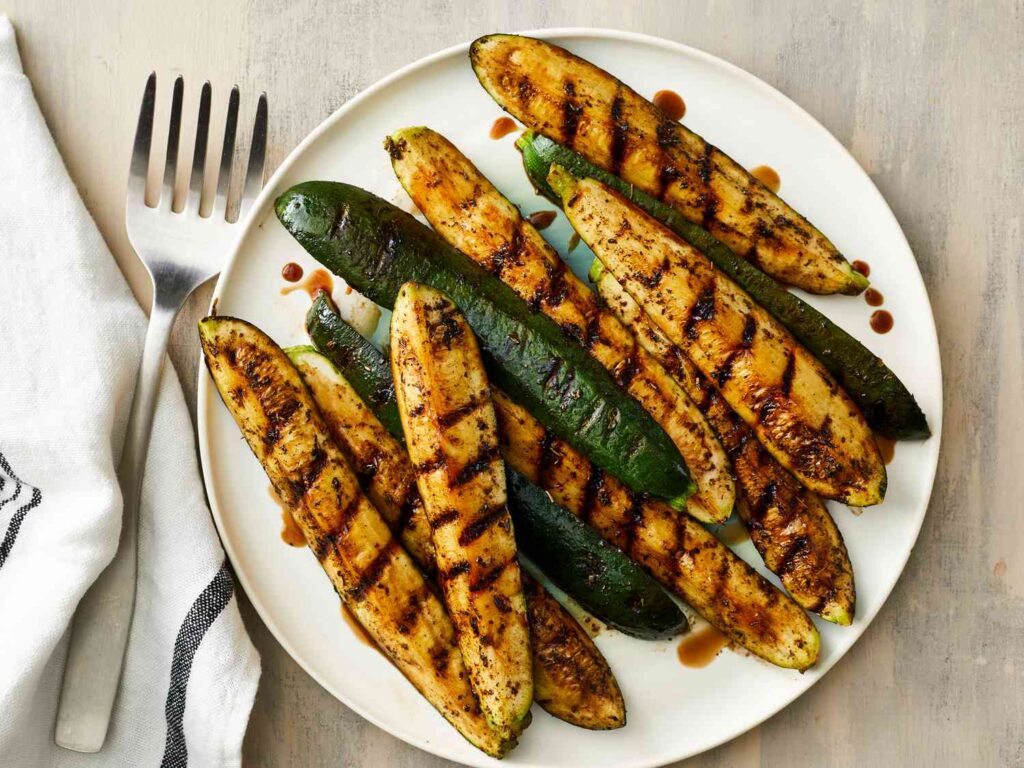
- Slice zucchini or yellow squash lengthwise or into thick rounds.
- Brush with olive oil and season with salt, pepper, and herbs.
- Grill over medium heat (350–400°F) for 3–4 minutes per side until tender and marked.
- Don’t overcook — slightly firm squash retains its texture and flavor.
Delicious Vegan Grilling Ideas:
1. Herb-Marinated Zucchini Ribbons
Toss long zucchini ribbons in olive oil, lemon juice, garlic, and thyme. Grill briefly and serve over quinoa or couscous.
2. Smoky Veggie Skewers
Alternate chunks of squash, bell peppers, mushrooms, and onions on skewers. Brush with balsamic glaze and grill until caramelized.
3. Grilled Pattypan “Steaks”
Slice pattypans thickly, marinate in soy sauce and smoked paprika, and grill until golden. Serve with chimichurri sauce.
4. Summer Squash Tacos
Char-grill sliced zucchini and yellow squash, then wrap in tortillas with avocado, lime, and cilantro for a light vegan taco night.
5. Lemon-Herb Grilled Salad
Combine grilled squash with cherry tomatoes, arugula, and a drizzle of tahini dressing for a refreshing summer side.
10. Saving Seeds for Next Season
If you want to continue your summer squash legacy, you can save seeds from mature fruits.
How to Save Seeds:
- Allow a few squash to fully mature on the plant until the skin hardens.
- Scoop out seeds, rinse, and dry for several days.
- Store in a cool, dark place until next spring.
Saving seeds not only saves money but also builds resilience by adapting your plants to your local growing conditions over time.
11. Sustainability in the Squash Garden
Growing your own summer squash contributes to a sustainable lifestyle. It reduces reliance on store-bought produce, cuts food miles, and encourages eco-friendly practices.
Eco-friendly Tips:
- Use organic compost and natural pest control.
- Mulch with straw or leaves to conserve water.
- Reuse greywater from rinsing veggies for irrigation.
- Share excess produce with neighbors or local food banks.
Sustainability turns your summer garden into both a source of nourishment and a positive environmental impact.
12. Conclusion: From Soil to Grill — The Joy of Growing and Sharing
Few things capture the essence of summer more beautifully than grilling vegetables fresh from your own garden. By growing your own summer squash, you’re not just cultivating a crop — you’re cultivating experiences: the joy of tending the soil, watching vines sprawl, and serving smoky, homegrown dishes at sunset.
Whether you’re a first-time gardener or a seasoned grower, summer squash offers the perfect balance of simplicity and abundance. It grows quickly, rewards generously, and inspires countless recipes that celebrate nature’s flavors.
So this season, plant a few squash seeds, tend them with care, and prepare to enjoy delicious veggie grilling straight from your garden — fresh, flavorful, and bursting with summer sunshine.