When autumn arrives, the air turns crisp, the days grow shorter, and kitchens once again fill with the aroma of slow-simmering comfort food. For plant-based cooks, this means one thing: it’s stew season. Nothing warms the soul like a hearty, vegetable-packed stew — and there’s no better way to elevate those flavors than by growing your own ingredients.
Fall is the perfect time to plant a variety of cold-tolerant vegetables that thrive in cooler weather and lend rich, earthy flavors to vegan stews. From root crops that add heartiness to leafy greens that bring nutrition and color, your autumn garden can become the secret ingredient to every bowl.
This article explores what to plant in fall for cozy vegan stews, offering detailed insights on the best crops, growing conditions, harvesting tips, and delicious ways to bring your garden to your table.
1. Why Fall Gardening Is Perfect for Stew Lovers
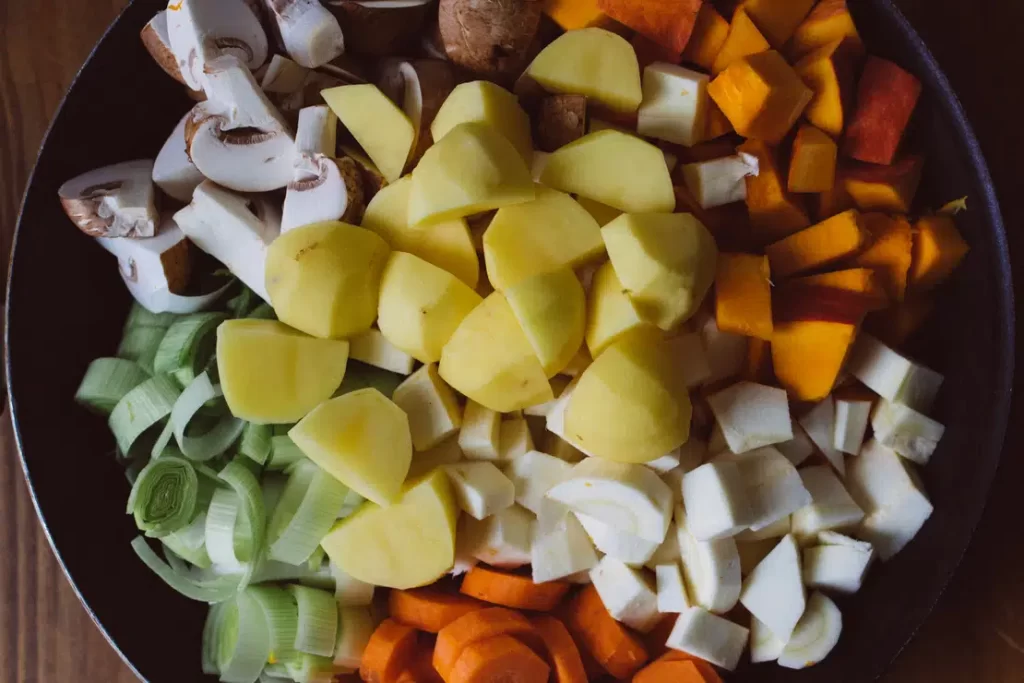
While many gardeners see fall as the end of the growing season, seasoned growers know it’s actually a fresh beginning — especially for cool-weather vegetables.
Fall advantages:
- Cool temperatures mean fewer pests and diseases.
- Steady moisture supports healthy root development.
- Sweeter flavors: Some vegetables, like carrots and kale, become naturally sweeter after a light frost.
- Extended harvests: With a little planning, you can keep picking well into winter.
For anyone who loves vegan stews, fall gardening offers the ideal opportunity to grow ingredients that add depth, texture, and seasonal character to every spoonful.
2. Planning Your Fall Garden
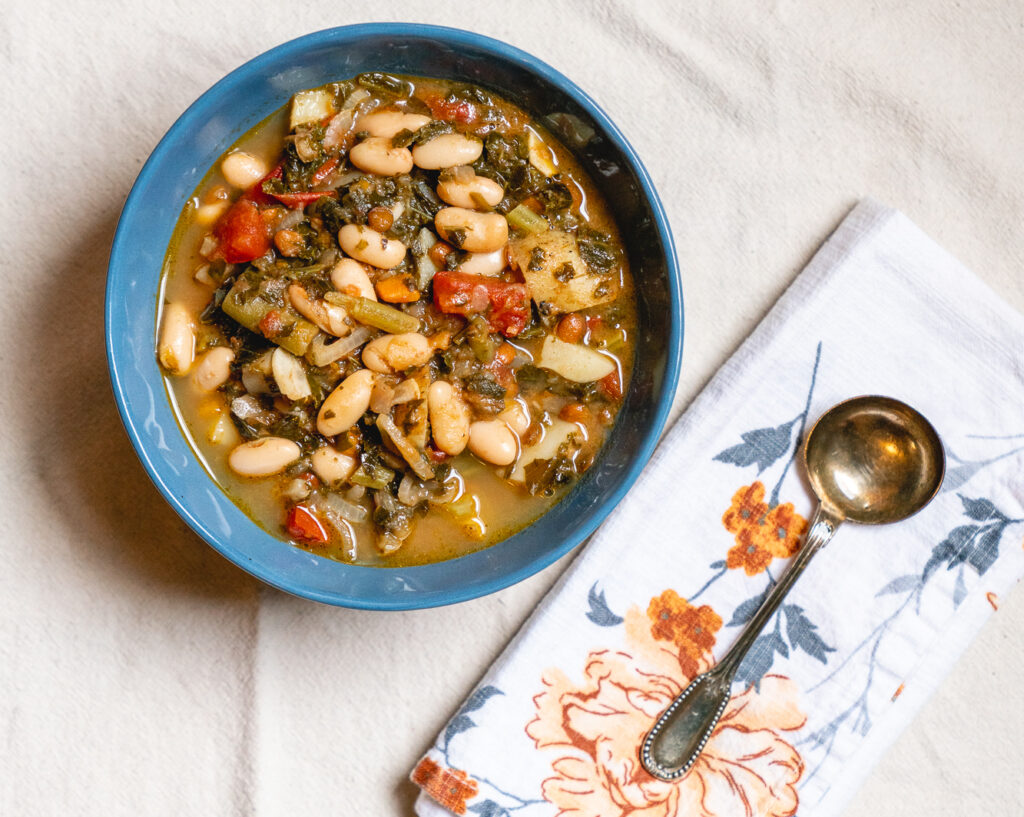
Before diving into what to plant, a little planning ensures your garden thrives.
Key considerations:
- Timing: Start seeds in late summer to early fall (depending on your region). Aim for crops that mature in 45–90 days.
- Location: Choose a sunny site with at least 6 hours of daily light.
- Soil preparation: Enrich soil with compost to replace nutrients depleted from summer crops.
- Protection: Use row covers or cold frames to extend the growing season into early winter.
By staggering planting times and selecting frost-tolerant varieties, you can enjoy a steady stream of fresh stew ingredients from October through December.
3. Root Vegetables: The Heart of Every Stew
Root vegetables form the hearty base of most cozy vegan stews — rich, earthy, and full of texture. Luckily, these crops thrive in cool soil and improve in flavor as temperatures drop.
Carrots
- Why plant: Add sweetness, color, and substance to soups and stews.
- Growing tips:
- Sow directly in loose, sandy soil about ¼ inch deep.
- Keep soil consistently moist for uniform roots.
- Thin seedlings to 2 inches apart.
- Harvest in 60–80 days, or leave in the ground until after a light frost for extra sweetness.
- Best varieties: ‘Bolero’, ‘Napoli’, and ‘Autumn King’.
Parsnips
- Why plant: Add a nutty, sweet flavor that enhances lentil or chickpea stews.
- Growing tips:
- Sow seeds in early fall; they need 100–120 days to mature.
- Like carrots, they become sweeter after frost.
- Harvest before the soil freezes.
Turnips
- Why plant: Great for adding a peppery edge and firm bite to soups.
- Growing tips:
- Sow seeds ½ inch deep, 2 inches apart.
- Harvest small roots in 30–40 days for tenderness.
- Both roots and greens are edible.
Beets
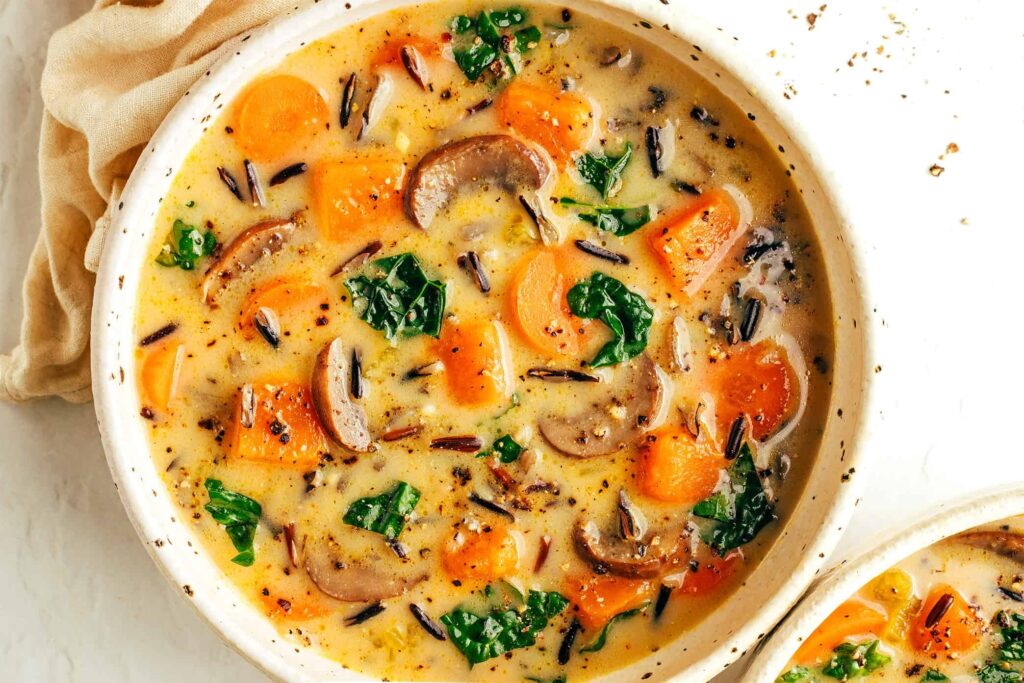
- Why plant: Their deep, earthy flavor and vibrant color enrich any vegan stew.
- Growing tips:
- Sow seeds directly ½ inch deep and thin to 3 inches apart.
- Harvest in 50–70 days.
- Use young beet greens as nutrient-dense additions to soups.
Potatoes
- Why plant: The ultimate stew thickener and comfort ingredient.
- Growing tips:
- Plant early in fall in well-drained soil.
- Use seed potatoes cut into chunks with at least one eye each.
- Hill soil around plants as they grow to encourage tuber development.
- Harvest once foliage yellows and dies back.
4. Leafy Greens: Nutrient-Packed Additions
No vegan stew is complete without greens that add vitamins, color, and a touch of bitterness to balance hearty ingredients. Many leafy crops thrive in cool fall weather and even tolerate frost.
Kale
- Why plant: Adds texture, flavor, and incredible nutrition to stews.
- Growing tips:
- Sow seeds ½ inch deep or transplant seedlings.
- Keep soil moist and well-drained.
- Harvest outer leaves regularly.
- Frost sweetens the flavor.
- Best varieties: ‘Winterbor’ and ‘Red Russian’.
Spinach
- Why plant: Tender, mild, and quick-growing. Perfect for stirring into stews at the end of cooking.
- Growing tips:
- Sow seeds ½ inch deep every two weeks for successive harvests.
- Grows best in soil temperatures between 10–20°C (50–68°F).
- Harvest outer leaves as needed.
Swiss Chard
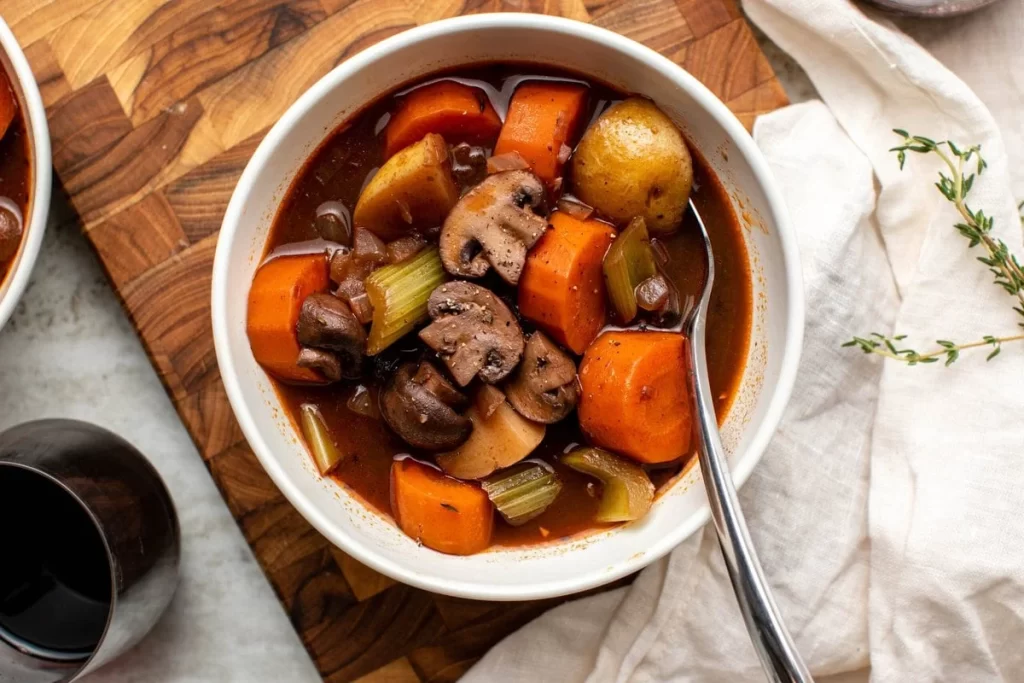
- Why plant: Colorful stems and broad leaves make it both beautiful and hearty.
- Growing tips:
- Direct sow seeds in early fall.
- Keep soil moist but not soggy.
- Continues producing through light frosts.
Collard Greens
- Why plant: Add robust, earthy flavor that stands up to long cooking times.
- Growing tips:
- Plant transplants 18–24 inches apart.
- Water deeply once a week.
- Harvest from the bottom up for ongoing yields.
5. Legumes and Protein-Rich Additions
Vegan stews need plant-based protein for balance and heartiness. While beans and lentils are often pantry staples, certain varieties can be grown in the fall garden too.
Bush Beans
- Why plant: Quick-maturing and great for small gardens.
- Growing tips:
- Plant seeds in late summer for a fall harvest.
- Harvest pods before the first frost.
- Use fresh or dried beans in stews.
Peas
- Why plant: Sweet peas or shelling peas add gentle sweetness and texture.
- Growing tips:
- Plant in late summer when soil begins to cool.
- Provide trellises for climbing varieties.
- Harvest pods when full but tender.
- Use fresh peas in stews or freeze for later.
Lentils (for mild climates)
- Why plant: Add natural protein and fiber for wholesome stews.
- Growing tips:
- Require about 90 days to mature.
- Plant in well-drained soil and avoid overwatering.
6. Flavor Builders: Herbs, Aromatics, and Alliums

A great vegan stew depends on layers of flavor — and fresh garden aromatics make all the difference.
Garlic
- Why plant: A stew essential, offering depth and aroma.
- Growing tips:
- Plant individual cloves in mid to late fall, 2 inches deep and 6 inches apart.
- Mulch heavily to protect through winter.
- Harvest in summer for next year’s stews.
Onions & Shallots
- Why plant: Add sweetness and umami base flavor.
- Growing tips:
- Use sets or transplants in fall.
- Water consistently for plump bulbs.
- Harvest when tops yellow and fall over.
Leeks
- Why plant: Their mild flavor enhances creamy or lentil-based stews.
- Growing tips:
- Sow seeds indoors in late summer; transplant when 6 inches tall.
- Hill soil around stems to blanch and sweeten the base.
Herbs
- Best options for fall: Thyme, rosemary, parsley, and sage.
- Growing tips:
- Plant in pots or raised beds for easy winter protection.
- Harvest regularly to encourage new growth.
7. Harvesting and Storing for the Stew Season
Root crops: Leave in the ground as long as possible or store in a cool, dark place. Carrots and parsnips can even stay in the soil under mulch.
Greens: Harvest continuously; refrigerate for up to a week.

Alliums and herbs: Dry or freeze for year-round use.
A well-planned fall garden means your kitchen remains stocked with fresh ingredients long after the first frost.
8. Turning Your Harvest into Cozy Vegan Stews
With your autumn bounty ready, it’s time to transform it into hearty, soul-warming dishes. Here are a few ideas:
Hearty Root Vegetable Stew
Combine carrots, parsnips, potatoes, and turnips with lentils, leeks, and thyme. Simmer in vegetable broth until tender, finishing with fresh parsley.
Creamy Kale and Potato Chowder
Sauté onions and garlic, add cubed potatoes, and simmer in cashew cream. Stir in kale at the end for a nutritious, creamy bowl.
Beet and Lentil Stew
Roasted beets, lentils, and carrots simmered with tomato paste and smoked paprika — earthy and comforting with a splash of balsamic vinegar.
Autumn Pea and Herb Soup
Blend peas, spinach, and onions with coconut milk and fresh herbs for a bright green, creamy stew perfect for chilly nights.
Spiced Turnip and Chickpea Stew
Sauté garlic, onions, and turnips with cumin and coriander; simmer with tomatoes and chickpeas for a rich, Moroccan-inspired dish.
9. Sustainable Gardening for Fall Flavor
A fall garden isn’t just about food — it’s about sustainability. Growing your own ingredients reduces packaging waste, supports pollinators, and promotes soil health.
Eco-friendly practices:
- Compost kitchen scraps for next season’s fertilizer.
- Use mulch to conserve moisture.
- Grow cover crops (like clover or rye) to replenish the soil after harvest.
Your vegan stews become not only nourishing but also environmentally conscious.
10. Conclusion: From Garden to Pot — The Comfort of Fall’s Harvest
Planting a fall garden for vegan stews bridges the gap between the garden and the kitchen in the coziest way possible. As the world slows down and leaves begin to fall, your garden comes alive with roots, greens, and herbs that thrive in the chill.
By growing your own ingredients, you’re not just cultivating vegetables — you’re cultivating comfort, creativity, and sustainability. Every bowl of stew becomes a reflection of your garden’s care, your connection to the seasons, and your commitment to plant-based living.
So this fall, grab your gloves, sow a few seeds, and imagine those steaming bowls of stew that await — rich, earthy, and homegrown.