In the world of vegetarian cooking, few ingredients are as comforting, versatile, and nourishing as the potato. From creamy soups and crisp roasts to hearty stews and salads, potatoes fit seamlessly into countless vegetarian dishes. But did you know you can easily grow them right at home? Whether you have a large backyard or a few pots on your balcony, cultivating your own potatoes not only gives you a steady supply of this kitchen staple but also deepens your connection with the food you eat.
This article, “Simple Steps to Grow Potatoes for Nutritious Veggie Recipes,” guides you through everything you need to know—from selecting the right varieties and preparing the soil to harvesting and transforming your crop into delicious plant-based meals. With a little care and patience, your homegrown potatoes can become the heart of your healthy vegetarian menu.
1. Why Potatoes Deserve a Place in Your Home Garden
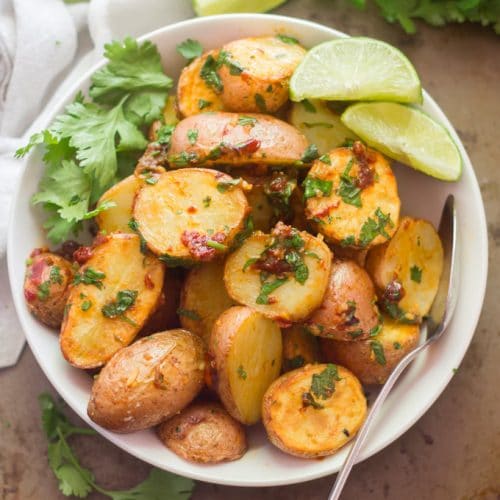
Potatoes are often underestimated, but they’re actually one of the most rewarding vegetables to grow. They’re adaptable, highly productive, and filled with nutrients that support a vegetarian lifestyle.
Nutritional Benefits of Potatoes:
- High in Fiber: Promotes digestion and gut health.
- Rich in Vitamins and Minerals: Provides vitamin C, potassium, and B6, essential for energy and immunity.
- Low in Fat and Cholesterol-Free: Ideal for balanced vegetarian diets.
- Versatile in Recipes: Easily used in soups, curries, roasts, and snacks.
Beyond their nutrition, homegrown potatoes taste fresher and richer than store-bought ones. The reward of harvesting your own food adds a wholesome joy that no supermarket purchase can replace.
2. Choosing the Right Potato Variety
Before planting, it’s important to select a potato variety that suits your growing conditions and cooking preferences. Potatoes generally fall into three main categories:
| Type | Growing Duration | Best For |
|---|---|---|
| Early Varieties (e.g., Red Norland, Rocket) | 70–90 days | New potatoes, quick harvests |
| Midseason Varieties (e.g., Yukon Gold, Kennebec) | 90–110 days | Mashing, roasting, curries |
| Late Varieties (e.g., Russet Burbank, Katahdin) | 110–135 days | Baking, storage for winter |
If you enjoy creamy soups or mashed dishes, Yukon Gold is an excellent choice. For crispy fries and baked potatoes, Russet is ideal. If you want to enjoy small, tender new potatoes in salads, choose an early-maturing type like Red Norland.
Tip: Always use certified seed potatoes from a garden center to prevent diseases and ensure strong growth. Avoid planting sprouted store-bought potatoes treated with anti-sprouting chemicals.
3. Preparing the Perfect Spot and Soil
Potatoes are not too demanding, but they thrive in well-drained, loose, and fertile soil that allows their underground tubers to expand.
Site Requirements:
- Sunlight: At least 6 hours of direct sunlight daily.
- Soil pH: Slightly acidic (5.0–6.5).
- Drainage: Essential to prevent tuber rot.
Soil Preparation Steps:
- Loosen the soil to a depth of 25–30 cm using a garden fork.
- Mix in organic compost or aged manure to boost nutrients.
- Remove weeds and stones that could block tuber growth.
- Avoid planting in the same spot where tomatoes, eggplants, or peppers grew recently, as they share diseases with potatoes.
If you have limited space, grow potatoes in containers, bags, or barrels. They need at least 30–40 cm depth and good drainage holes.
4. Step-by-Step Process of Planting Potatoes
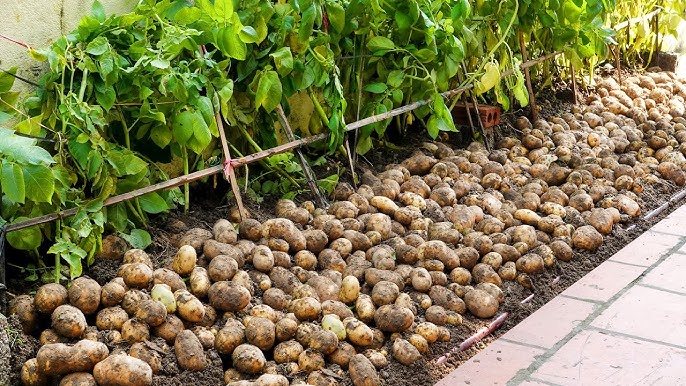
Step 1: Prepare the Seed Potatoes
Cut larger seed potatoes into pieces, ensuring each piece has 1–2 “eyes” (the small dimples where shoots emerge). Let them dry for 24–48 hours before planting—this forms a protective layer that prevents rotting.
Step 2: Planting Time
The best time to plant potatoes depends on your local climate. Generally, late winter to early spring is ideal, when the soil is workable and not frozen.
- Dig trenches 10–12 cm deep.
- Place seed pieces eyes facing up, 30 cm apart, and cover with 10 cm of soil.
- Leave 60 cm between rows for growth and maintenance.
In containers, plant 3–4 seed pieces in a 40 cm pot or grow bag, and cover lightly with soil.
5. Caring for Your Potato Plants
Potatoes don’t require constant attention, but a few simple care practices will ensure a healthy, abundant harvest.
Watering:
- Keep the soil consistently moist, especially during flowering (when tubers form).
- Water deeply once or twice weekly; avoid overwatering to prevent rot.
Hilling Up:
As plants reach about 15–20 cm tall, mound soil or compost around the stems, covering the lower leaves. This “hilling” process:
- Encourages more tuber formation.
- Prevents exposure to sunlight, which turns potatoes green and toxic.
- Reduces weed growth.
Repeat hilling every 2–3 weeks or when plants grow taller.
Feeding:
Potatoes love nutrients. Apply organic fertilizer or compost tea every few weeks to maintain soil health and boost yield.
6. Protecting Your Plants Naturally
Pests and diseases are part of gardening, but organic methods can manage them effectively.
Common Problems and Organic Solutions:
| Problem | Symptoms | Solution |
|---|---|---|
| Aphids | Leaves curl, sticky residue | Spray neem oil or soapy water weekly |
| Potato Beetles | Chewed leaves | Handpick and destroy beetles, use neem-based sprays |
| Blight (Fungal Disease) | Brown spots, wilting | Avoid overhead watering, use copper-based organic sprays |
| Wireworms | Small holes in tubers | Rotate crops and keep soil healthy with compost |
Healthy soil and proper spacing make plants more resistant to most pests. Regularly inspect leaves and remove any infested parts early.
7. Harvesting Your Homegrown Potatoes
The moment of harvest is the most satisfying part of the process—it’s like uncovering hidden treasure beneath the soil!
For New Potatoes (Tender, Small Ones):
- Harvest about 8–10 weeks after planting, once the plants start flowering.
- Gently dig around the base to remove a few small tubers without disturbing the rest.
For Mature Potatoes:
- Wait until the plant’s leaves yellow and die back (around 12–16 weeks).
- Carefully dig up the whole plant with a garden fork, loosening the soil to avoid damaging tubers.
After harvesting, let the potatoes dry in a shaded area for a few hours. Store them in a cool, dark place with good ventilation to extend freshness. Avoid keeping them in the refrigerator, which alters their flavor.
8. Creative and Nutritious Veggie Recipes with Homegrown Potatoes
Now comes the most enjoyable part—transforming your garden’s bounty into delicious vegetarian dishes. Homegrown potatoes are incredibly versatile and pair well with a range of flavors and cuisines.
1. Garden Potato & Spinach Curry
A comforting Indian-style curry combining diced potatoes, spinach, onions, and tomatoes. It’s rich in iron, fiber, and antioxidants—perfect with rice or flatbreads.
2. Creamy Vegan Potato Soup
Blend boiled potatoes with onions, garlic, and oat milk for a silky, dairy-free soup that’s both light and filling.
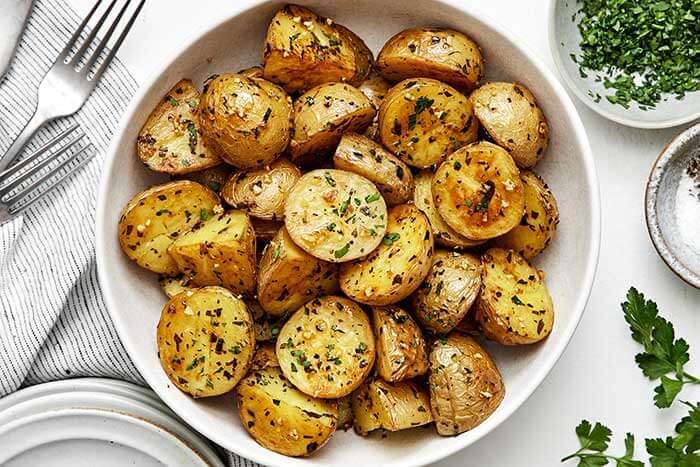
3. Roasted Herb Potatoes
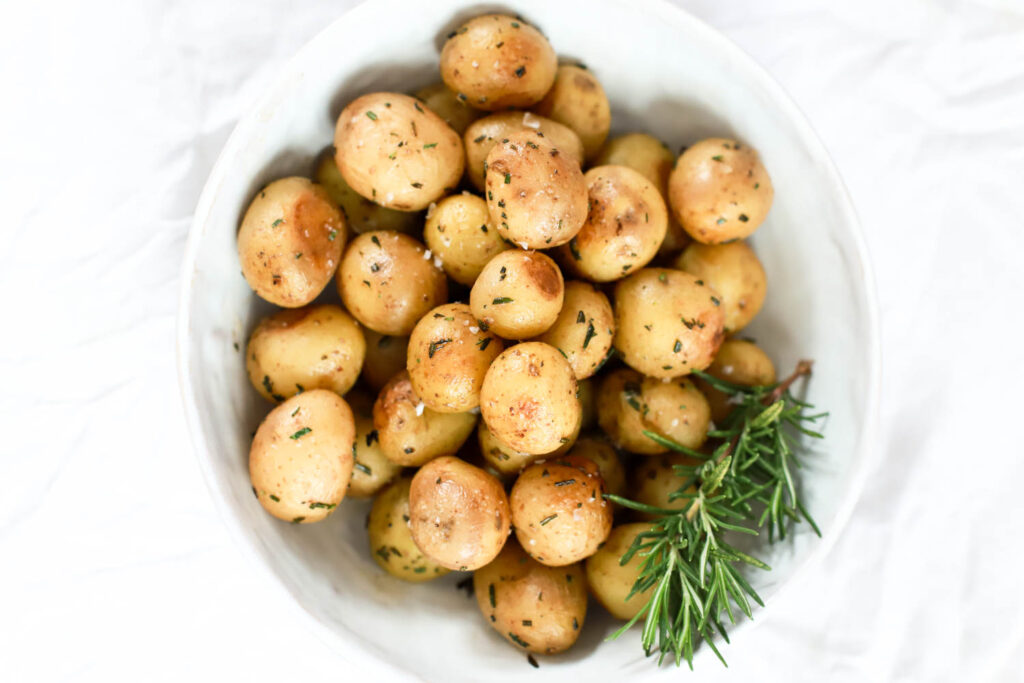
Cube your potatoes, toss them in olive oil, rosemary, thyme, and garlic, and roast until golden. This simple dish makes a great side for any vegetarian meal.

4. Stuffed Baked Potatoes
Bake large potatoes until tender, scoop out the centers, and mix with corn, spinach, and plant-based cheese. Stuff the mixture back into the shells and bake again for a hearty meal.
5. Potato & Chickpea Patties
Mash boiled potatoes with chickpeas, cumin, and coriander. Shape into patties and pan-fry—these make delicious protein-packed veggie burgers.
With your own fresh harvest, every meal becomes a celebration of flavor, health, and sustainability.
9. Sustainable Gardening for Future Harvests
Growing potatoes at home can be part of a larger, eco-friendly lifestyle. With just a few mindful steps, you can keep your garden productive year after year.
Sustainable Practices:
- Composting: Turn potato peels, vegetable scraps, and leaves into compost to enrich your soil naturally.
- Crop Rotation: Alternate potatoes with legumes (like beans) to replenish soil nitrogen.
- Rainwater Harvesting: Collect and use rainwater for irrigation to save resources.
- Save Seed Tubers: Set aside healthy tubers from your harvest for next season’s planting.
By integrating these practices, your potato patch becomes part of a closed-loop system that supports both your kitchen and the planet.
10. Common Mistakes and How to Avoid Them
Even experienced gardeners make mistakes, but they’re easy to prevent with a few simple tips:
| Mistake | Effect | Prevention |
|---|---|---|
| Overwatering | Rotting tubers | Ensure good drainage and moderate watering |
| Poor Hilling | Green potatoes | Add soil regularly as plants grow |
| Dense Planting | Smaller yields | Maintain proper spacing (30 cm apart) |
| Wrong Soil | Poor growth | Use loose, compost-rich soil |
Learning from each planting season helps you refine your technique and improve future yields.
11. The Joy of Growing Your Own Food
Beyond the practical benefits, growing potatoes at home brings emotional and environmental rewards. Watching your plants grow, nurturing them, and finally harvesting food from your own soil builds a powerful sense of satisfaction and connection.
When you use those homegrown potatoes in your vegetarian cooking, each dish becomes a story—a story of care, patience, and nourishment. Whether you’re preparing a humble mashed potato bowl or a gourmet veggie casserole, the taste of homegrown freshness makes all the difference.
Conclusion
“Simple Steps to Grow Potatoes for Nutritious Veggie Recipes” is more than just a guide—it’s an invitation to embrace self-sufficiency, sustainability, and creativity in your kitchen. Potatoes, one of nature’s most versatile and wholesome foods, can be easily grown in your backyard or containers with just a little effort.
From preparing the soil and planting the seeds to harvesting golden tubers and turning them into nourishing vegetarian meals, each step connects you more deeply to your food and the earth. Growing your own potatoes empowers you to cook healthier, live more sustainably, and appreciate the beautiful cycle from soil to supper.
So, grab a few seed potatoes, dig into the soil, and get started. In just a few months, your garden will reward you with fresh, flavorful, and nutrient-rich potatoes—ready to transform your veggie recipes into something truly special. 🥔🌱✨