There’s a quiet magic in growing your own food—watching small sprouts break through the soil, nurturing them with care, and finally harvesting ingredients that will soon find their way to your plate. Among all homegrown crops, few are as rewarding and versatile as the potato. A humble tuber by appearance, the potato is a cornerstone of vegetarian cooking around the world. From crispy fries and creamy soups to savory curries and comforting casseroles, potatoes are a plant-based kitchen essential that can be transformed in countless ways.
This article, “From Garden to Plate: Potatoes for Every Vegetarian Kitchen,” takes you on a complete journey—from planting seed potatoes to crafting wholesome, delicious meals. Whether you’re an urban gardener with pots on your balcony or a backyard enthusiast with open soil, growing your own potatoes is easier than you think—and the results are both nourishing and deeply satisfying.
1. Why Potatoes Belong in Every Vegetarian Kitchen
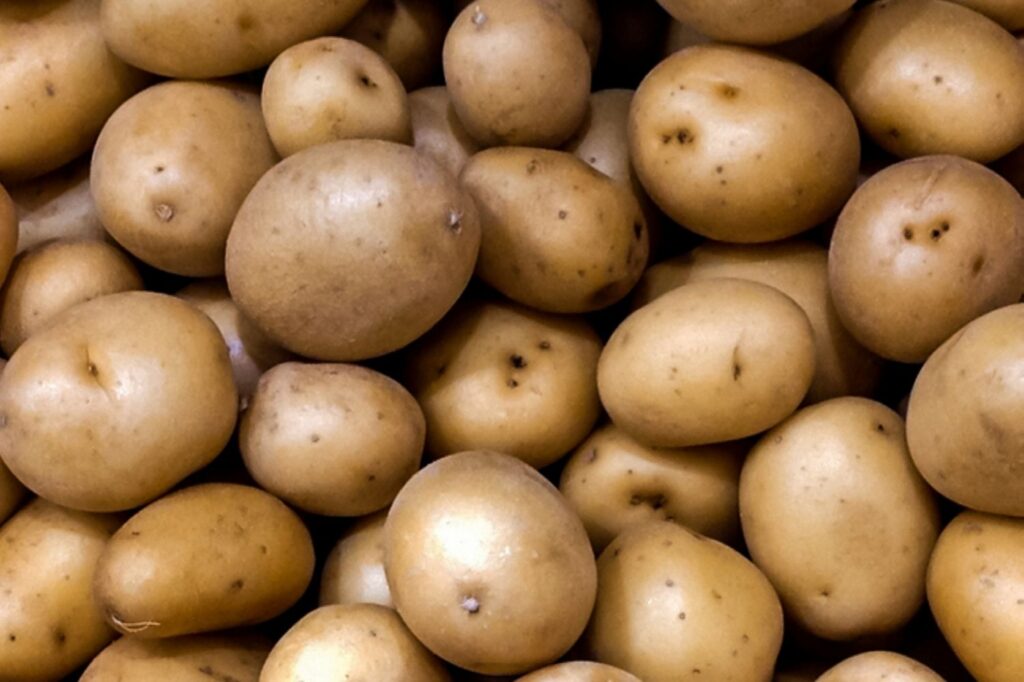
Potatoes have long been celebrated as a vegetarian favorite for their adaptability, affordability, and nutrition. They’re rich in fiber, vitamin C, potassium, and complex carbohydrates, providing sustained energy for meat-free diets. Their mild flavor and smooth texture make them perfect for absorbing spices, herbs, and sauces—allowing them to complement cuisines from Indian and Mediterranean to Western comfort food.
Nutritional Highlights of Potatoes:
- Vitamin C boosts immunity and skin health.
- Potassium helps regulate blood pressure.
- Complex carbohydrates provide lasting energy without heaviness.
- Fiber supports digestion and gut health.
- Naturally gluten-free and fat-free, making them ideal for all dietary preferences.
Beyond nutrition, growing your own potatoes adds a sense of ownership and mindfulness to your meals. Knowing exactly how your food was cultivated—free from pesticides and chemicals—makes each bite more wholesome and meaningful.
2. Choosing the Right Potato Variety for Your Garden
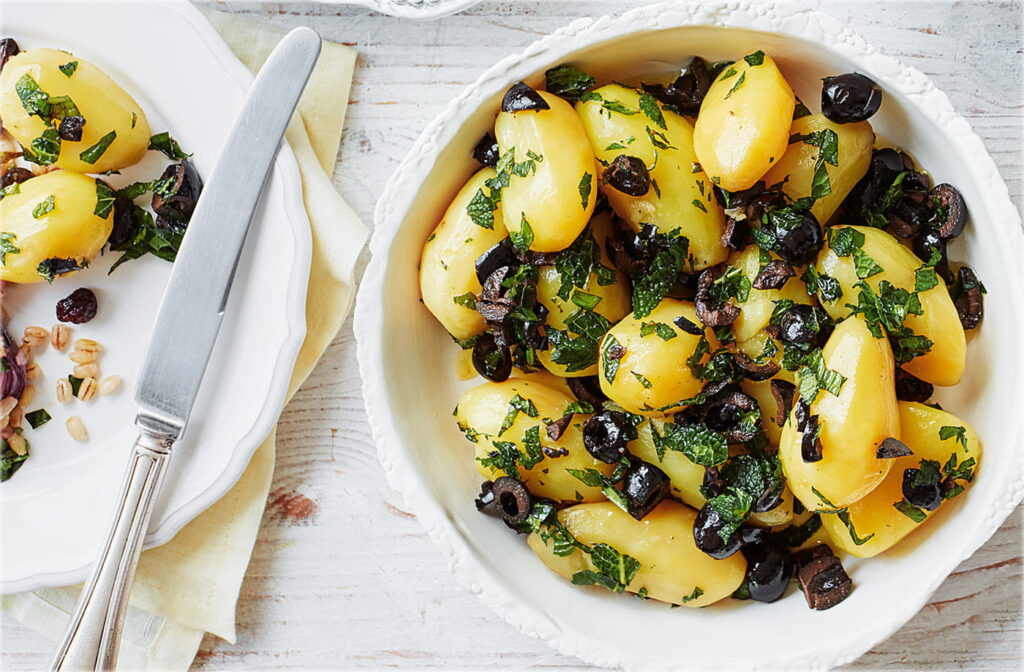
Not all potatoes are the same. Choosing the right variety ensures a better harvest and more delicious results in the kitchen. Potatoes are typically categorized into early, midseason, and late varieties, depending on their growing time and culinary qualities.
| Variety | Maturity | Texture | Best For |
|---|---|---|---|
| Red Norland | Early | Waxy | Salads, soups, curries |
| Yukon Gold | Midseason | Creamy | Mashing, roasting |
| Kennebec | Midseason | Fluffy | Baking, frying |
| Russet Burbank | Late | Starchy | French fries, baked potatoes |
| Fingerling | Specialty | Firm | Roasting, gourmet dishes |
For home gardening, Yukon Gold and Red Norland are particularly reliable—they adapt well to containers and deliver consistent yields. Always start with certified seed potatoes from a nursery rather than grocery store varieties, which are often treated to prevent sprouting.
3. Preparing the Perfect Soil and Space
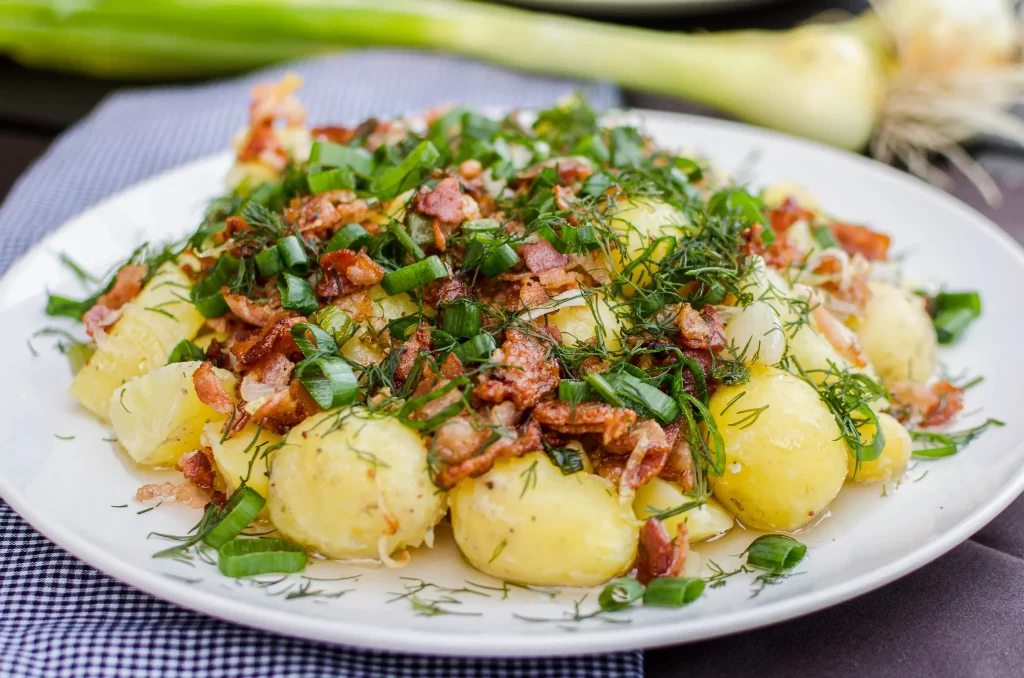
Potatoes thrive in loose, well-drained, and slightly acidic soil (pH 5.0–6.5). Whether you’re planting in raised beds, garden plots, or large containers, the key is to give the tubers enough room to expand underground.
Ideal Growing Conditions:
- Sunlight: At least 6 hours of direct sun daily.
- Soil: Loamy and crumbly, enriched with compost.
- Temperature: Between 15°C and 25°C.
Steps for Soil Preparation:
- Loosen the soil to a depth of 30 cm using a spade or garden fork.
- Mix in organic compost or aged manure for nutrients.
- Avoid compacted or waterlogged areas—poor drainage causes rot.
- Level the surface and mark rows for planting.
If space is limited, you can grow potatoes in grow bags, barrels, or buckets. Just make sure the container is at least 40 cm deep and has several drainage holes.
4. Simple Steps to Plant Potatoes
Step 1: Prepare Seed Potatoes
Cut larger seed potatoes into pieces about the size of an egg, each with one or two “eyes” (the buds that sprout new plants). Let them dry for 1–2 days before planting to form a protective skin.
Step 2: Planting
- Dig trenches 10–12 cm deep.
- Place seed pieces eyes-up, spacing them 30 cm apart, with 60 cm between rows.
- Cover lightly with soil and water gently.
For containers: Add 10 cm of soil, place 3–4 seed pieces, and cover with another 10 cm of soil. As the plants grow, add more soil to keep developing tubers covered.
Step 3: Watering and Care
Keep the soil consistently moist, especially during tuber formation (flowering stage). Water deeply once or twice a week rather than lightly every day.
Step 4: Hilling Up
When plants reach 15–20 cm tall, mound soil or compost around their base, covering the lower leaves. This process—called hilling—encourages more tubers to form and prevents them from turning green due to sunlight exposure. Repeat every 2–3 weeks.
5. Maintaining a Healthy, Organic Potato Patch
A thriving potato garden doesn’t require heavy chemicals—just consistency and observation.
Organic Pest Control:
- Aphids: Spray with neem oil or soapy water.
- Potato beetles: Handpick adults and larvae; introduce beneficial insects like ladybugs.
- Blight (fungal disease): Avoid overhead watering, ensure airflow, and use compost tea sprays.
- Wireworms: Rotate crops and avoid planting potatoes in the same soil year after year.
Feeding Your Plants:
Apply organic fertilizer, compost tea, or seaweed extract every 3–4 weeks for robust growth. Mulching with straw or dried leaves helps retain moisture and suppress weeds.
6. Harvesting: The Most Rewarding Step
When your plants begin to flower, small “new potatoes” are ready for harvest. For fully mature potatoes, wait until the leaves yellow and die back—usually 12–16 weeks after planting.
How to Harvest:
- Stop watering about 10 days before harvesting to toughen the skins.
- Loosen the soil gently with a fork or hands to avoid damaging tubers.
- Collect the potatoes, brush off excess soil (don’t wash yet), and let them dry in a shaded area for a few hours.
Storage Tips:
- Store in a cool, dark place with ventilation (10–12°C).
- Avoid direct sunlight to prevent greening.
- Properly stored potatoes can last for 2–3 months.
7. From Harvest to Kitchen: Cooking with Homegrown Potatoes
Once harvested, your potatoes are ready to star in your vegetarian meals. Their mild, earthy flavor pairs beautifully with herbs, spices, and vegetables. Below are a few ways to make the most of your homegrown crop.
1. Classic Potato & Pea Curry (Aloo Matar)
A fragrant Indian dish made by simmering cubed potatoes and peas in a spiced tomato gravy. It’s vegan, protein-rich, and perfect with rice or flatbread.
2. Roasted Garlic & Rosemary Potatoes
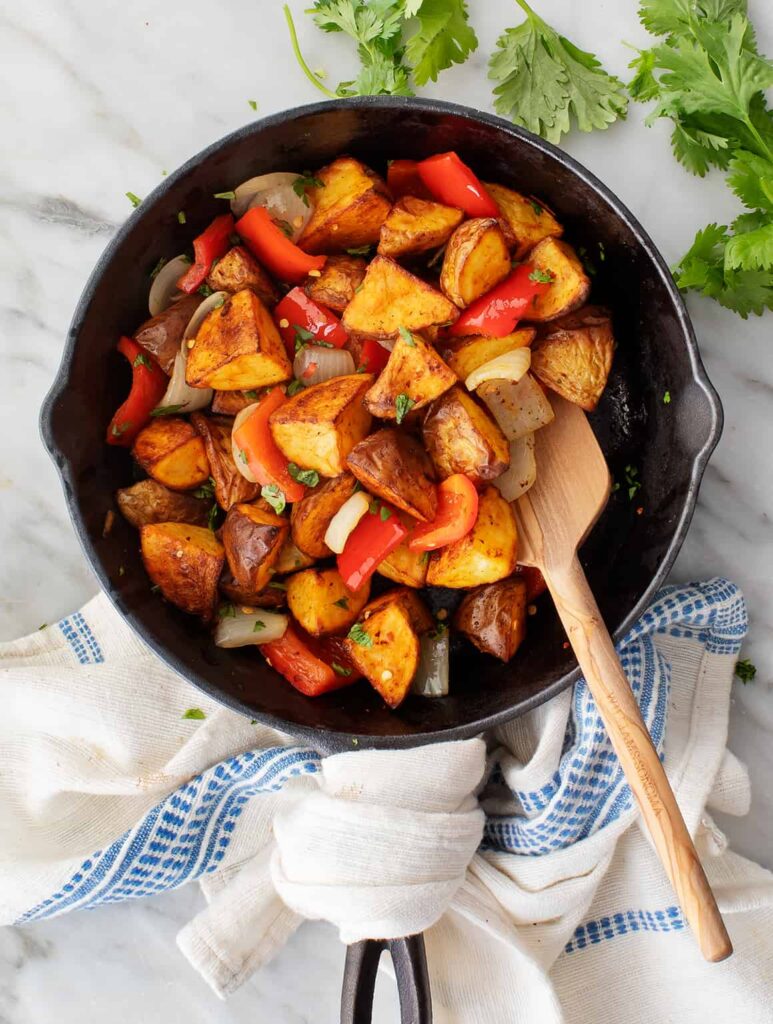
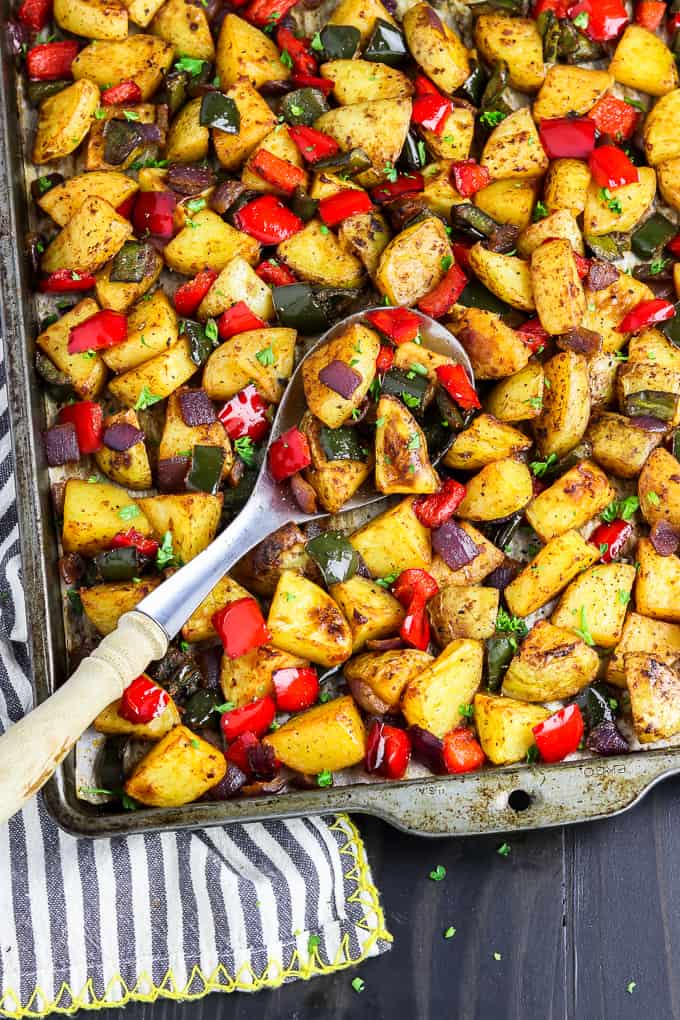
Toss diced potatoes with olive oil, crushed garlic, rosemary, and sea salt. Roast at 200°C until crisp and golden for a wholesome side dish.
3. Creamy Potato-Leek Soup
Boil sliced leeks and diced potatoes in vegetable broth, blend until smooth, and stir in plant-based milk for a comforting, dairy-free soup.
4. Potato & Chickpea Patties
Mash boiled potatoes with chickpeas, cumin, and chopped cilantro. Shape into patties and pan-fry for delicious, protein-packed veggie burgers.
5. Stuffed Baked Potatoes
Bake large potatoes, scoop out the flesh, and mix it with sautéed spinach, corn, and vegan cheese. Refill the skins and bake again—perfect for a hearty, balanced meal.
Homegrown potatoes not only elevate the taste of these recipes but also ensure you’re cooking with fresh, chemical-free ingredients full of nutrition.
8. Sustainability and the Joy of Home Gardening
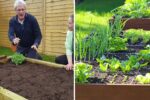
Growing potatoes at home contributes to a sustainable food system. By producing your own, you reduce packaging waste, minimize transportation emissions, and ensure that no part of the plant goes to waste.
Eco-Friendly Gardening Practices:
- Compost kitchen scraps to create natural fertilizer.
- Rotate crops to maintain soil fertility.
- Save small tubers from your harvest as seed potatoes for the next season.
- Use rainwater for irrigation whenever possible.
Gardening also offers mental health benefits—reducing stress, promoting mindfulness, and giving a sense of accomplishment. It’s more than just growing food; it’s cultivating wellness and sustainability together.
9. Common Mistakes to Avoid
Even with the best intentions, new gardeners can make small errors. Here’s how to avoid them:
| Mistake | Effect | Solution |
|---|---|---|
| Overwatering | Tuber rot | Water moderately, ensure drainage |
| Not Hilling | Green, inedible potatoes | Add soil regularly as plants grow |
| Crowded Planting | Small yields | Space plants 30 cm apart |
| Using Store Potatoes | Poor sprouting | Always use certified seed potatoes |
Learning from each growing season improves your technique and makes every harvest better than the last.
10. Bringing It All Together: The Garden-to-Plate Experience
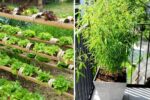
The beauty of growing your own potatoes lies in the full-circle experience—from planting and nurturing to harvesting and cooking. Each stage connects you to nature, encouraging patience, care, and gratitude. When your homegrown potatoes reach your plate, they carry the essence of your effort, time, and the earth’s nourishment.
Every dish prepared with your harvest tells a story—of sustainability, creativity, and mindful living. Whether you’re making crispy wedges for a quick lunch or simmering a wholesome potato stew for dinner, each bite embodies freshness that only a home garden can provide.
Conclusion
“From Garden to Plate: Potatoes for Every Vegetarian Kitchen” is a celebration of simplicity and self-sufficiency. Potatoes, though humble, offer immense potential for nutritious, satisfying vegetarian meals. With minimal space and effort, anyone can grow them at home and enjoy a sustainable, farm-to-table lifestyle.
From enriching your soil to experimenting with recipes, this journey transforms your relationship with food. It’s not just about growing vegetables—it’s about cultivating mindfulness, health, and creativity. So, pick up your seed potatoes, prepare the soil, and take the first step toward a greener, tastier future.
When you finally serve that first dish made from your very own garden-grown potatoes, you’ll realize that the journey from soil to plate is more than gardening—it’s nourishment for both body and soul. 🥔🌿✨