There’s something deeply satisfying about pulling fresh potatoes from the soil — each one a small, earthy treasure that carries the promise of delicious home-cooked meals. For centuries, potatoes have fed families, fueled creativity in kitchens, and played a vital role in vegetarian diets around the world. Yet, when these golden tubers come from your own garden, they offer more than just nourishment — they bring joy, pride, and a sense of connection to nature.
The thesis “Harvest Happiness: Potatoes for Your Veggie Table” celebrates this connection between gardening and cooking. It explores how growing your own potatoes not only fills your plate with fresh, flavorful food but also fills your life with satisfaction, sustainability, and a deeper appreciation for what it means to eat well.
1. The Potato: A Simple Crop with Endless Joy

Few vegetables match the potato’s versatility. From creamy soups to crispy fries, fluffy mash to hearty casseroles, potatoes adapt beautifully to nearly every vegetarian dish. But beyond their culinary potential, potatoes symbolize abundance and accessibility — a plant that gives generously to anyone willing to care for it.
Homegrown potatoes are fresher, more flavorful, and richer in nutrients than their store-bought counterparts. When freshly harvested, they have a sweet aroma and smooth texture that elevate even the simplest dishes. More importantly, they represent self-sufficiency: the joy of producing your own food and knowing exactly how it was grown.
For vegetarians, potatoes are a kitchen essential. They pair wonderfully with beans, greens, grains, and herbs, forming the backbone of balanced, satisfying meals — all while being easy to digest and affordable to grow.
2. Choosing the Perfect Varieties for Your Veggie Table

Before planting, it’s important to choose potato varieties that complement your preferred cooking style. Each type offers distinct textures, flavors, and best uses in the kitchen.
A. Starchy Potatoes (Light and Fluffy)
Best for mashing, baking, and fries.
- Examples: Russet Burbank, King Edward, Maris Piper.
- Ideal For: Mashed potato bowls, baked potatoes with toppings, crispy wedges.
B. Waxy Potatoes (Firm and Moist)
Hold their shape after cooking — perfect for salads, stews, and roasting.
- Examples: Red Pontiac, Charlotte, Yukon Gold.
- Ideal For: Potato salads, veggie curries, or stir-fries.
C. All-Purpose Potatoes (Balanced Texture)
Versatile for nearly every dish.
- Examples: Desiree, Kennebec, Gold Rush.
- Ideal For: Everyday vegetarian recipes, soups, and casseroles.
D. Specialty Varieties (Colorful and Nutrient-Rich)
- Purple Majesty and All Blue varieties are high in antioxidants and visually stunning.
These vibrant potatoes turn your veggie table into a feast for both the eyes and the palate.
3. Preparing the Soil: Where Happiness Takes Root
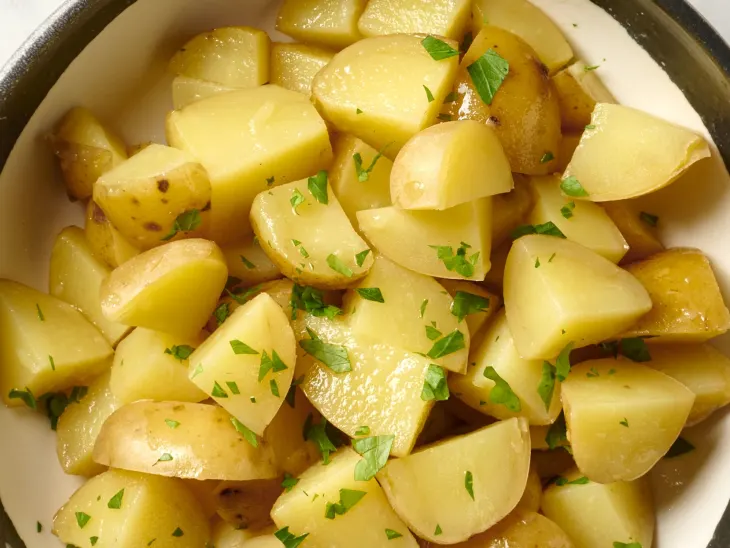
Great harvests begin with healthy soil. Potatoes thrive in loose, well-drained, slightly acidic soil (pH 5.5–6.5).
Steps to Prepare the Perfect Potato Bed:
- Choose a Sunny Spot: Potatoes love sunlight — at least 6–8 hours daily.
- Loosen the Soil: Dig 25–30 cm deep to help tubers expand freely.
- Add Organic Matter: Mix compost or well-rotted manure to enrich the soil naturally.
- Check Drainage: Raised beds or grow bags work well if your soil retains too much water.
- Avoid Synthetic Fertilizers: Stick to organic compost — it boosts flavor and sustainability.
Good soil is more than a growing medium; it’s the foundation of flavorful, nutrient-rich potatoes that will make every vegetarian dish shine.
4. Planting: Beginning the Journey to Harvest Happiness
Potatoes are among the easiest crops to plant, making them perfect for beginners.
Planting Steps:
- Chit the Seed Potatoes: Place certified seed potatoes in a bright, cool area for 2–3 weeks until they sprout.
- Dig Trenches: About 10–15 cm deep and spaced 60 cm apart.
- Plant the Tubers: Space them 30 cm apart, with sprouts facing upward.
- Cover and Water: Gently cover with soil and water lightly.
- Earth Up: As plants grow to about 15 cm, mound soil around the base to protect tubers from sunlight and increase yield.
No large garden? No problem. Potatoes grow beautifully in containers, sacks, or even old buckets, making them a perfect addition to small backyards or balconies.
5. Nurturing Your Crop Naturally
Caring for potato plants is simple but essential for a bountiful harvest.
Watering:
Keep the soil evenly moist but not waterlogged. Water deeply 2–3 times a week, especially during flowering.
Mulching:
Add straw, dried leaves, or compost around the plants. This helps retain moisture, suppress weeds, and keep the soil cool.
Feeding:
Use organic fertilizers like compost tea or seaweed solution every 3–4 weeks to boost growth.
Pest Control:
- Rotate crops each year to prevent disease.
- Use neem oil or garlic spray as natural repellents.
- Plant basil or marigolds nearby — they deter pests and attract pollinators.
These eco-friendly practices ensure your potatoes are as kind to the earth as they are delicious on your table.
6. Harvesting: The Moment of Joy
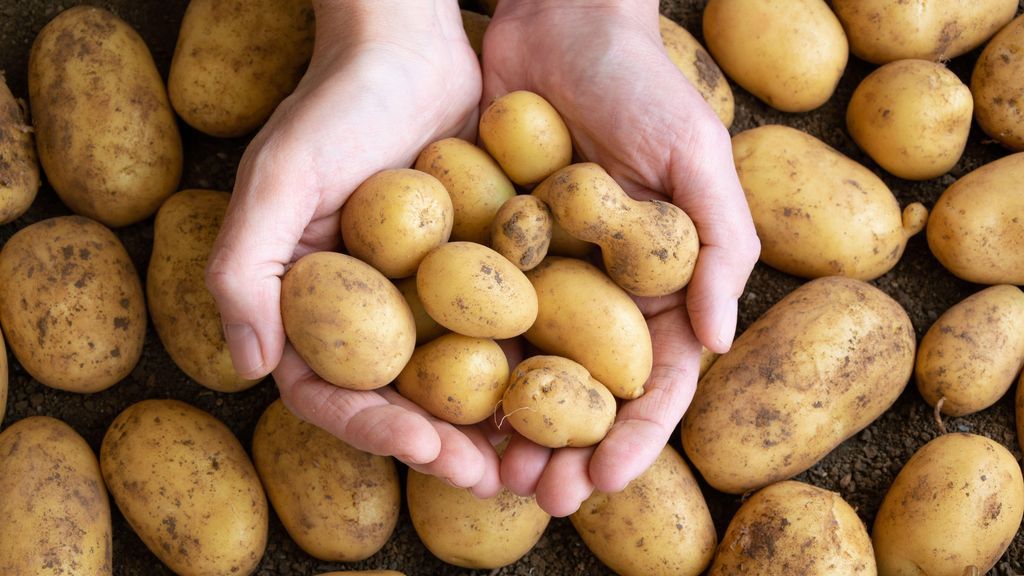
Harvesting is the most rewarding part of gardening — the moment you finally see the fruits of your patience and care.
When to Harvest:
- Early Varieties: After 8–10 weeks, when plants begin to flower. These small, tender potatoes are perfect for boiling or salads.
- Maincrop Varieties: After 15–20 weeks, once foliage yellows and wilts. These larger tubers store well for months.
How to Harvest:
- Gently loosen the soil with a fork or your hands to avoid damaging the tubers.
- Let them dry in the shade for a few hours before storing.
- Cure for 10 days in a cool, dark, well-ventilated space to toughen the skin.
Properly stored potatoes last all season — ensuring your veggie table stays full long after harvest day.
7. Cooking with Homegrown Potatoes: Happiness on a Plate
Once harvested, the real joy begins — transforming your fresh potatoes into flavorful vegetarian meals. The taste of homegrown potatoes enhances even the simplest recipes.

A. Rustic Potato and Spinach Soup
Sauté onions, garlic, and spinach, add diced potatoes and vegetable broth, then simmer until soft. Blend into a creamy, comforting soup.
B. Roasted Herb Potatoes
Toss wedges with olive oil, rosemary, and thyme. Roast until golden and crisp. Perfect with grilled vegetables or tofu.
C. Potato and Lentil Curry
Cook potatoes with red lentils, tomatoes, and fragrant spices like cumin and turmeric for a hearty vegan dish.
D. Stuffed Baked Potatoes
Bake large potatoes, scoop out the centers, and fill with sautéed mushrooms, corn, spinach, and cheese — a complete vegetarian meal in itself.
E. Crispy Potato Patties
Mix mashed potatoes with herbs, peas, and breadcrumbs, then pan-fry to golden perfection. Serve with yogurt dip or chutney.
Each of these dishes celebrates freshness, simplicity, and the satisfaction of eating food you’ve grown yourself.
8. Sustainability: The Greener Side of Happiness
Growing potatoes at home is one of the most sustainable food choices you can make. It reduces your carbon footprint, eliminates packaging waste, and turns food scraps into future nourishment.

Simple Sustainable Habits:
- Compost potato peels and kitchen scraps to enrich your garden soil.
- Save small, healthy tubers as seed potatoes for next season.
- Reuse cooking water (once cooled) to water your garden.
- Pair potato crops with beans or peas to naturally restore soil nutrients.
By closing the loop — from growing to cooking to composting — you create a truly self-sustaining food cycle.
9. The Emotional Rewards of Growing Food
Beyond flavor and sustainability, there’s an emotional joy that comes from growing your own potatoes — the harvest happiness that this thesis celebrates. Gardening teaches patience, mindfulness, and appreciation for the simple things.
Every stage — from planting a seed to digging up your first tuber — is an act of connection. You witness life unfold beneath the soil, and that makes every meal deeply personal. When you serve homegrown potatoes at your veggie table, you’re not just offering food; you’re sharing a story — one of effort, care, and gratitude.
Cooking becomes more creative, too. When you’ve grown the main ingredient, you feel inspired to make it shine. Each dish becomes a celebration of nature’s generosity and your own hands’ work.
10. Conclusion: Bringing Harvest Happiness Home
“Harvest Happiness: Potatoes for Your Veggie Table” is not just about gardening — it’s about rediscovering the joy of real food. Growing your own potatoes reminds you that the most flavorful, nourishing meals begin not in the supermarket, but in the soil.
Every time you dig into the earth and pull out those golden tubers, you harvest more than just food — you harvest satisfaction, mindfulness, and pride. And when you cook them into warm soups, crisp roasts, or creamy casseroles, you experience the beautiful cycle of nature, from seed to table.
In the end, your veggie table becomes more than a place to eat — it becomes a symbol of gratitude and sustainability. The taste of homegrown potatoes lingers not only on your tongue but also in your heart, reminding you that happiness can, quite literally, be harvested.
So pick up your spade, plant your seed potatoes, and get ready for a season of growth, flavor, and joy. Because when you grow your own food, every meal is a celebration — and every harvest, a reason to smile. 🥔🌿✨