For many athletes, life after the National Football League (NFL) presents a challenging crossroads. After years of following playbooks, traveling for games, and performing under the intense spotlight of professional football, retired players often face the question: What comes next?
In recent years, a surprising trend has emerged: some former NFL stars are trading helmets for stethoscopes, choosing nursing as a second career. While it might seem like a dramatic shift, these athletes are finding that the discipline, teamwork, and dedication honed on the football field translate seamlessly into the healthcare environment.
🏥 Patrick Hill: From Titans Fullback to Hospital Hallways
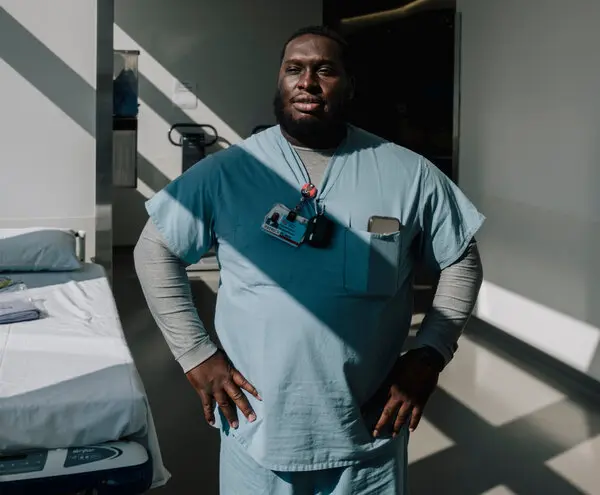
Patrick Hill, once a fullback and running back for the Tennessee Titans, now spends his days in pale blue scrubs. Standing near a sunlit hospital window with his identification badge around his neck, Hill reflects on the balance nursing provides for his current life.
“I have three kids, two dogs, and a wife,” Hill said. “Nursing works well for this phase of my life.”

For Hill, the transition from professional sports to healthcare was not simply about finding a job; it was about finding purpose. The intensity of NFL competition may have subsided, but the desire to make a tangible difference in the lives of others remains a constant motivator.
⚡ D’Brickashaw Ferguson: Searching for Connection Beyond Football
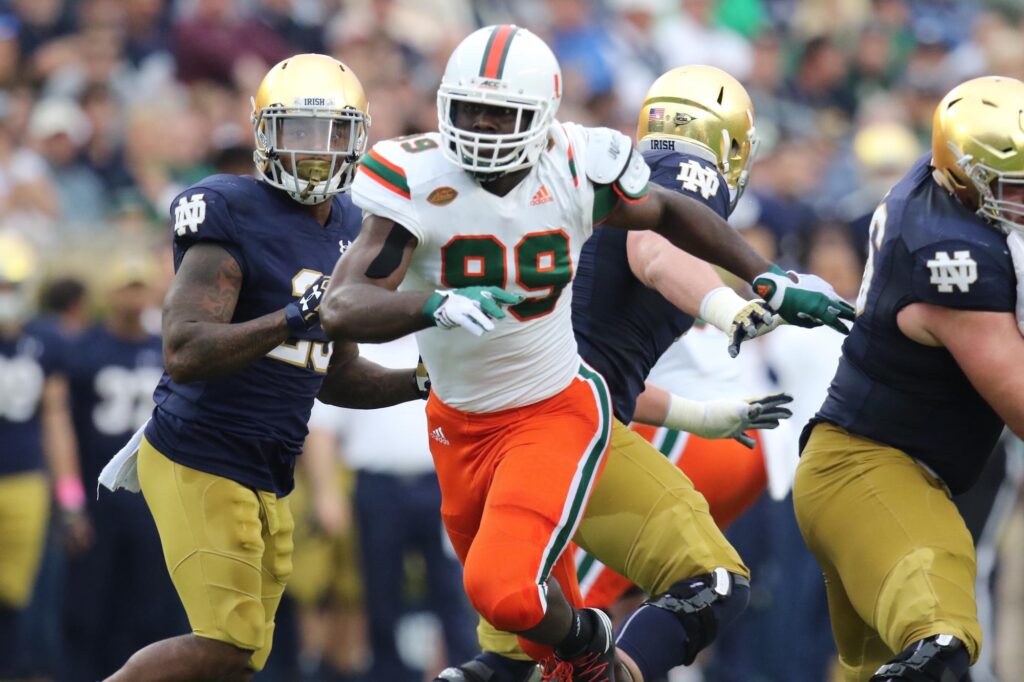
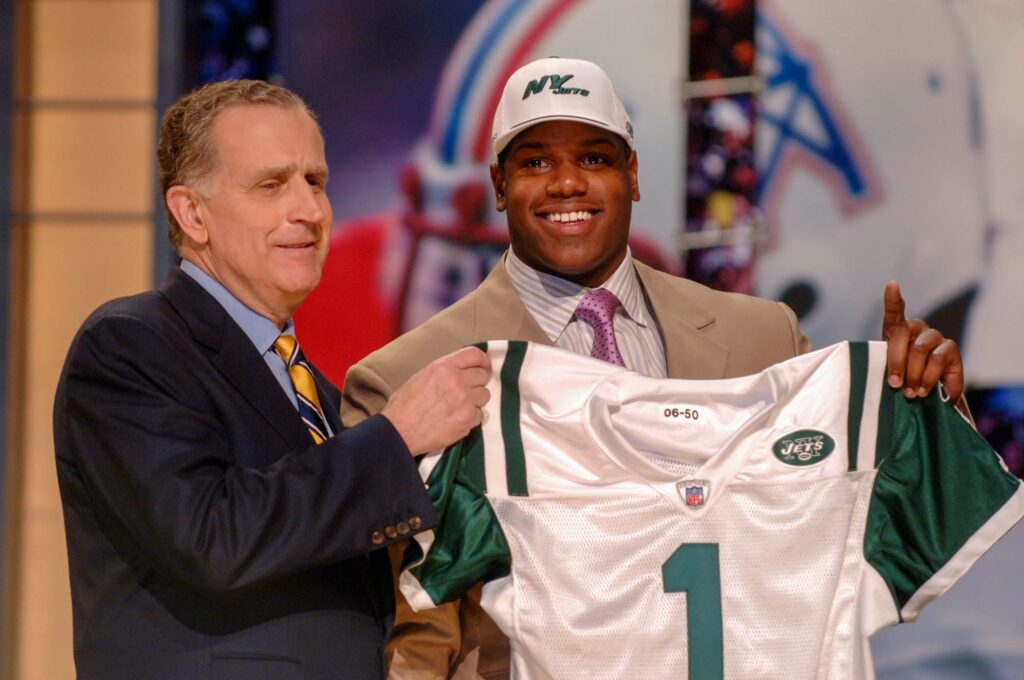
D’Brickashaw Ferguson, former offensive tackle with the New York Jets, offers another example of the post-NFL challenge. A collegiate All-American, first-round draft pick, and three-time Pro Bowler, Ferguson retired in 2016 after ten seasons.
Post-retirement, he explored broadcasting, teaching, and even interning at a sustainability company, yet nothing seemed to provide the deep connection he felt during his football career.
“It was hard to find something I felt as connected to as I did with sports,” Ferguson admitted. This search for meaningful engagement ultimately led some players like him toward healthcare careers, where teamwork, problem-solving, and the ability to stay calm under pressure are daily necessities.

🏈 Skills From the Field That Translate to Nursing
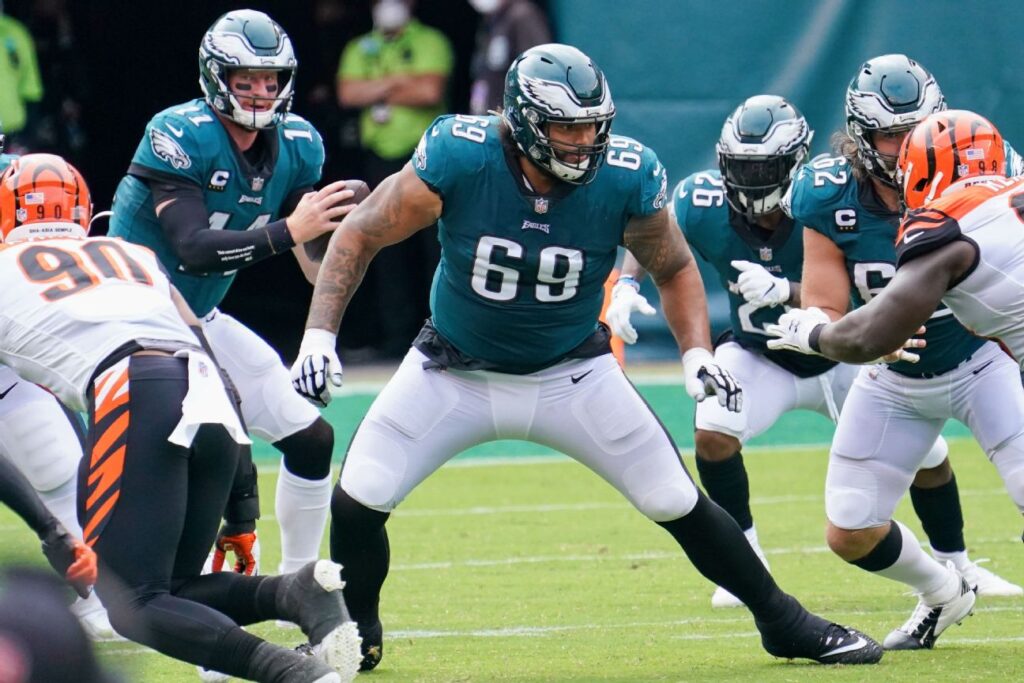
At first glance, football and nursing may appear worlds apart. However, retired athletes bring unique strengths to healthcare settings:
- Teamwork Under Pressure: NFL players spend years executing complex plays that rely on precise coordination and trust in teammates. Nursing similarly demands collaboration in high-stress environments, whether during emergency interventions or coordinating patient care.
- Discipline and Work Ethic: The rigorous training regimens of professional football cultivate discipline, time management, and endurance. These traits are invaluable in nursing, which often requires long shifts, attention to detail, and continuous learning.
- Quick Decision-Making: On the field, split-second decisions can determine wins or losses. In hospitals, similar quick thinking can save lives. Former athletes often excel in these high-pressure scenarios.
- Resilience and Adaptability: Injuries, losses, and unexpected changes are part of an athlete’s life. The ability to recover from setbacks is equally essential in nursing, where unexpected medical challenges can arise at any moment.
👩⚕️ Why Nursing Appeals to Retired NFL Players
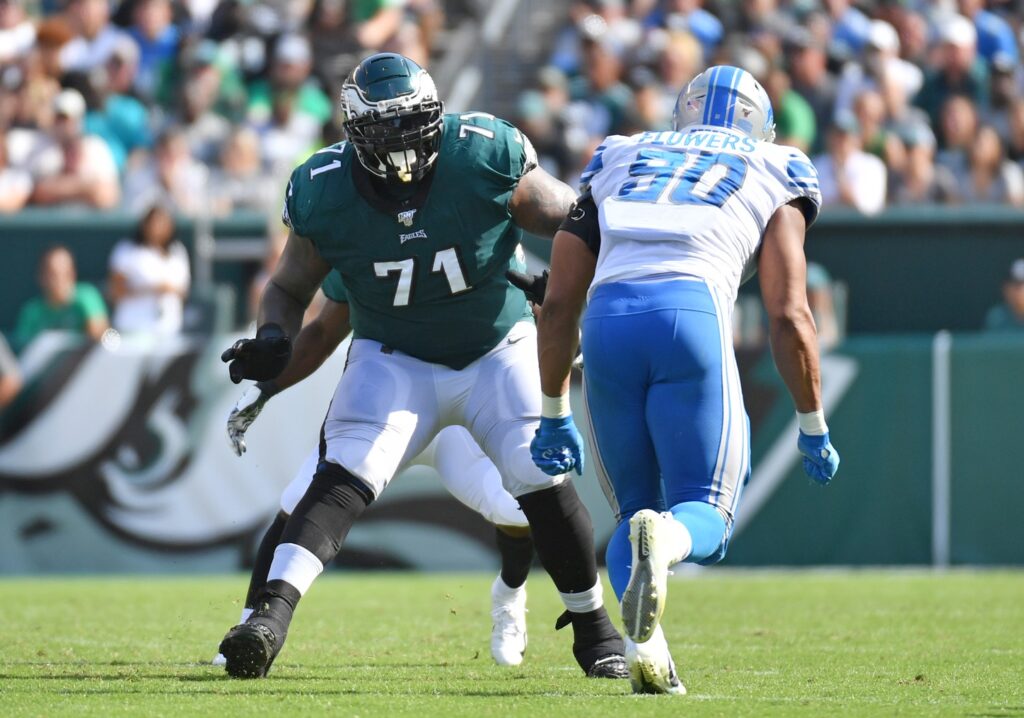
Several factors make nursing an appealing career path for former football players:
- A Sense of Purpose: Many players miss the structured sense of contribution they experienced on the field. Nursing offers tangible results, allowing former athletes to see the direct impact of their work on patients’ lives.
- Flexible Career Options: Nursing provides opportunities across hospitals, clinics, schools, and private practices. Retired athletes can find roles that align with family life and personal priorities.
- Personal Fulfillment: Helping others recover or managing health crises delivers emotional satisfaction that mirrors the camaraderie and victories of team sports.
- Intellectual Challenge: For some, the analytical and technical aspects of healthcare—such as patient assessments, administering medication, and monitoring vital signs—offer a new arena to apply problem-solving skills.
🏆 Success Stories in the NFL-to-Nursing Pipeline
While Patrick Hill and D’Brickashaw Ferguson are prominent examples, other NFL retirees have similarly embraced healthcare:
- Mark Herzlich, former New York Giants linebacker, transitioned into physical therapy after his football career, combining his knowledge of athletic injuries with patient care.
- John Urschel, a former Baltimore Ravens offensive lineman, though now focused on mathematics and research, has supported initiatives that encourage athlete engagement in medical and healthcare careers post-retirement.
These examples highlight that the path from football to nursing or healthcare is not isolated—it reflects a growing awareness among athletes that service-oriented professions can be both fulfilling and sustainable long-term.

🧩 Challenges in Transitioning to Nursing
Despite the advantages, former NFL players face hurdles when entering healthcare:
- Education Requirements: Nursing programs are academically rigorous. Athletes must complete courses in biology, anatomy, pharmacology, and clinical practice—often requiring years of study.
- Emotional Adjustment: Moving from the high-energy environment of professional sports to healthcare can require a shift in identity. Athletes may struggle initially with the loss of public recognition and the different pace of hospital life.
- Physical Demands: Nursing, particularly in hospital settings, can be physically demanding. Standing for long shifts, lifting patients, and performing repeated tasks may challenge those accustomed to football-specific conditioning rather than healthcare routines.
- Navigating Hierarchies: While NFL players are often leaders on their teams, hospitals have strict protocols and chains of command. Retired athletes must learn to collaborate within these structured environments.
Despite these challenges, many find the transition rewarding and aligned with their personal values.
🌟 Personal Growth and Life Beyond the Field
For retired athletes, nursing represents more than a career—it is a new avenue for personal growth, community impact, and balance. Players like Hill cite family and stability as key motivators: balancing life as a spouse, parent, and professional is more manageable in healthcare compared to the relentless travel and scrutiny of the NFL.
Nursing also provides opportunities for continued learning, whether through specialty certifications, advanced degrees, or leadership roles. For those accustomed to constant improvement on the field, these opportunities offer a new kind of challenge and fulfillment.

💡 A Growing Trend
The NFL-to-nursing pathway remains relatively rare, but it is gaining attention. Programs designed to help athletes transition to second careers increasingly highlight healthcare as a viable, meaningful option. Retired players can leverage their fame and discipline to excel academically, mentor younger nurses, and inspire patients.
Furthermore, the visibility of athletes in scrubs encourages young people and fans to reimagine post-sports careers, demonstrating that public figures can pivot toward service and care without sacrificing impact or identity.
🔑 Key Takeaways
- NFL skills translate to nursing: teamwork, discipline, resilience, and decision-making provide a strong foundation.
- Purpose drives the transition: athletes seek meaningful careers post-retirement, and healthcare offers direct impact and personal fulfillment.
- Education is essential: completing nursing programs and certifications requires dedication and study.
- Challenges are manageable: emotional adjustment and physical demands exist, but retired players often thrive through persistence and focus.
- Role models matter: high-profile athletes entering nursing inspire others to consider service-oriented careers after sports.
📝 Conclusion
For NFL retirees, the shift from touchdowns to treatments is both practical and inspiring. Patrick Hill, D’Brickashaw Ferguson, and others demonstrate that life after football can include compassion, caregiving, and personal growth. By embracing nursing, these former athletes continue to serve their communities, challenge themselves, and find purpose—reminding fans that the qualities that make a great player can also make a great caregiver.
The NFL-to-nursing pipeline may still be small, but its impact is large, offering a compelling blueprint for athletes seeking meaningful second careers. In scrubs, these former players are not just working—they are continuing to win off the field, one patient at a time.