There’s a special satisfaction that comes from biting into a warm, crispy potato taco made entirely from ingredients you’ve grown yourself. Potatoes are not only versatile, but they also bring a hearty, earthy flavor that pairs perfectly with fresh vegetables, spicy salsas, and creamy plant-based toppings. By cultivating your own potatoes in your backyard or kitchen garden, you can elevate your vegetarian taco game while enjoying the fresh, wholesome taste of homegrown produce.
In this comprehensive guide, we’ll explore everything you need to know about growing potatoes for delicious, crispy homemade veggie tacos — from choosing the right varieties to planting, caring for, harvesting, and finally transforming them into taco-ready delights.
1. Why Potatoes Are Perfect for Veggie Tacos
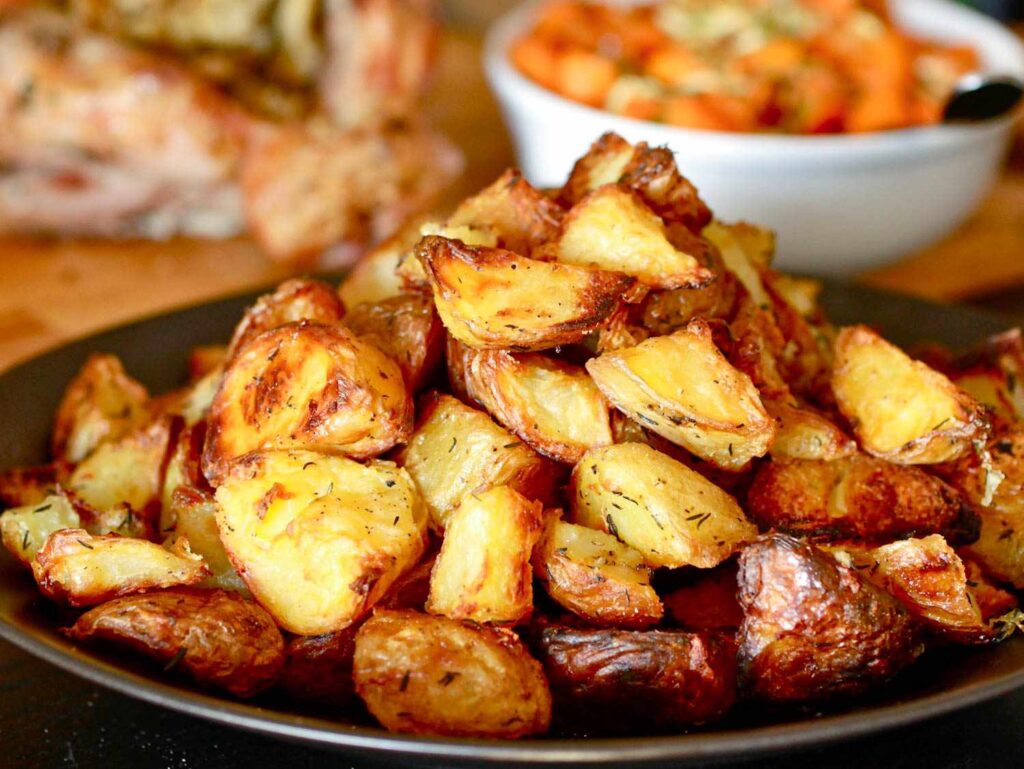
Potatoes have long been a staple in vegetarian and plant-based cooking due to their nutritional profile, adaptability, and comforting texture. When it comes to tacos, potatoes offer several advantages:
- Versatility: Potatoes can be roasted, fried, mashed, or sautéed, making them ideal for crispy taco fillings.
- Texture: They develop a satisfying crunch when roasted or pan-fried, while remaining soft on the inside.
- Flavor Absorption: Potatoes soak up spices, oils, and marinades beautifully, creating flavorful, taco-ready bites.
- Nutrition: Packed with fiber, potassium, and vitamin C, potatoes provide energy and support a balanced plant-based diet.
For anyone craving hearty vegetarian tacos, potatoes are the ultimate canvas.
2. Choosing the Right Potato Variety
Not all potatoes are created equal, and your choice will affect the texture and flavor of your taco filling. Here’s a quick guide:
a. Starchy Potatoes
- Examples: Russet, King Edward, Maris Piper
- Best for: Achieving fluffy interiors and crispy exteriors
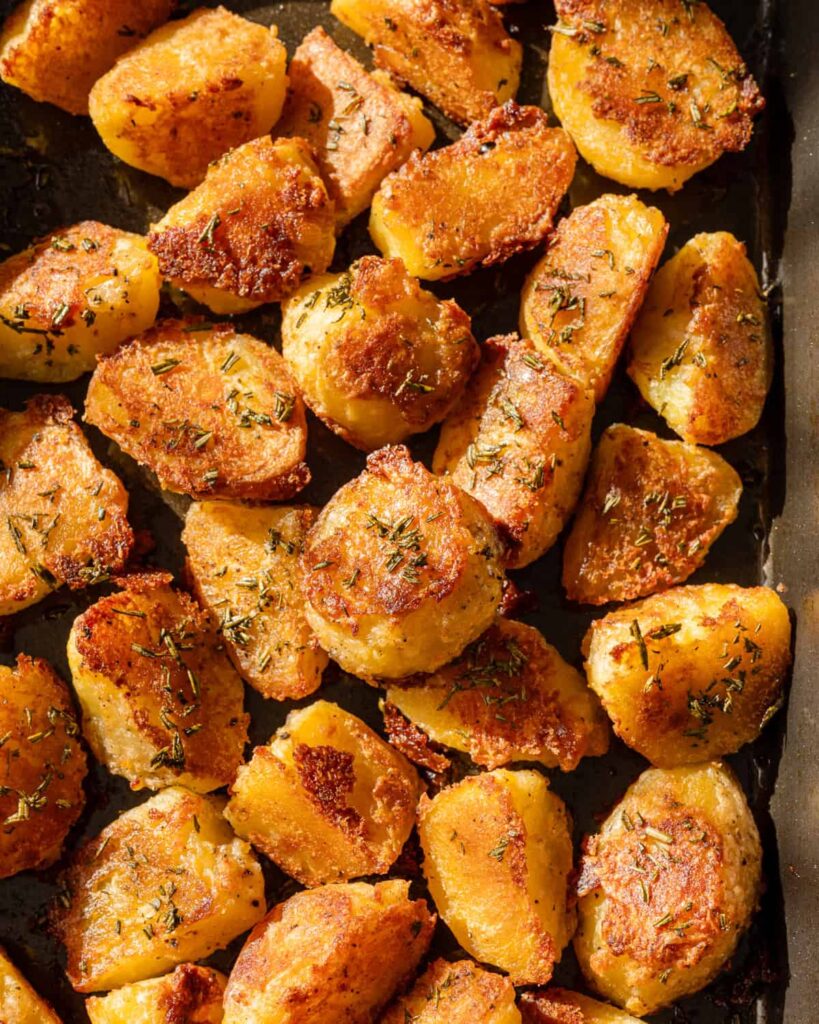
- Use in tacos: Cube and roast for a crispy taco filling
b. Waxy Potatoes
- Examples: Yukon Gold, Red Pontiac, Fingerlings
- Best for: Retaining shape and firm texture when cooked
- Use in tacos: Great for skillet-fried or sautéed potato toppings
c. All-Purpose Potatoes
- Examples: Desiree, Kennebec, Norland
- Best for: Balancing fluffiness and firmness
- Use in tacos: Versatile option for roasting, frying, or sautéing
Tip: Choose certified seed potatoes to avoid disease and ensure healthy, productive plants. Avoid grocery store potatoes, which may be treated to prevent sprouting.
3. Preparing Your Garden for Planting
A successful potato harvest begins with proper soil preparation:
a. Soil Requirements:
- Well-draining, loose soil is essential
- Slightly acidic soil (pH 5.0–6.5) prevents scab disease
- Enrich soil with compost or aged manure to boost fertility
b. Location:
- Full sun (6–8 hours daily)
- Avoid areas with heavy waterlogging
c. Raised Beds and Containers:
- Ideal for small spaces or poor soil
- Ensures good drainage and easier harvesting
4. Pre-Sprouting Seed Potatoes
Pre-sprouting, or “chitting,” gives your potatoes a head start:
- Place seed potatoes in a shallow tray or egg carton with the eyes facing up.
- Keep in a cool, bright area (60°F / 15°C) for 2–3 weeks.
- Sprouts should be about 1 inch long before planting.
Chitting encourages faster growth and higher yields — perfect for getting your taco potatoes to the table sooner.
5. Planting Potatoes for Maximum Yield
Timing: Plant potatoes 2–3 weeks before the last frost date for your area.
Planting in the ground:
- Dig trenches 6–8 inches deep and 2–3 feet apart.
- Space seed potatoes 12 inches apart, sprouts facing up.
- Cover with 4 inches of soil.
- Hill soil around plants as they grow to encourage tuber formation.
Planting in containers or grow bags:
- Fill the bottom with 4 inches of potting mix.
- Add 2–3 seed potatoes and cover with 4 inches of soil.
- Continue adding soil as plants grow until nearly full.
6. Watering and Feeding
Potatoes need consistent moisture but dislike waterlogged soil:
- Watering: Keep soil evenly moist, especially during tuber formation.
- Feeding: Use compost or organic fertilizers every 3–4 weeks until flowering.
- Avoid over-fertilizing, which can lead to excessive foliage and fewer tubers.
7. Protecting Your Potatoes from Pests and Diseases
Common challenges include:
- Colorado Potato Beetles: Handpick or use neem oil spray
- Aphids: Rinse with water or use insecticidal soap
- Slugs: Trap with shallow dishes of beer or crushed eggshells
Rotate crops yearly and avoid wet leaves to prevent diseases like blight.
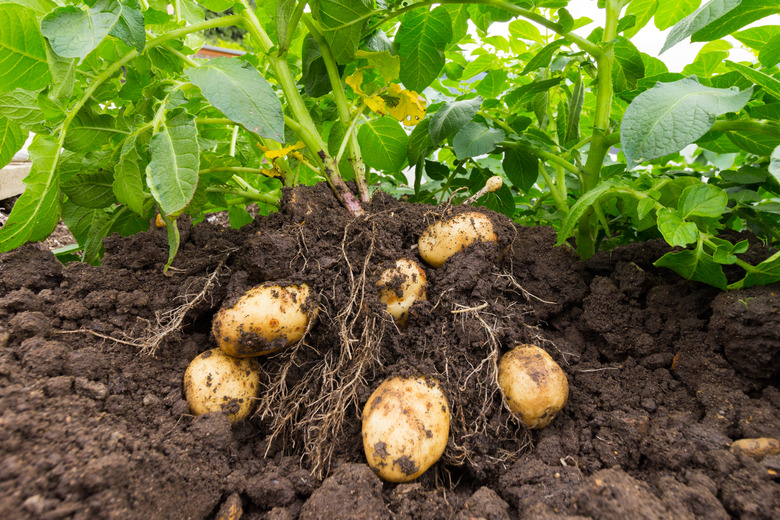
8. Harvesting Potatoes
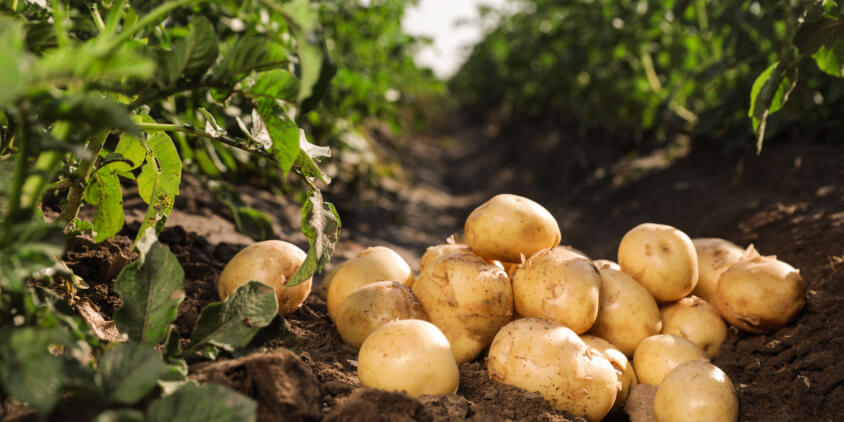
Potatoes can be harvested as new potatoes or fully matured tubers:
- New potatoes: Harvest 10–12 weeks after planting, small and tender, perfect for tacos.
- Mature potatoes: Wait 18–20 weeks until foliage dies back.
- Carefully dig up tubers with a garden fork, avoiding bruises.
- Cure in a cool, dark, airy place for 10–14 days for storage.
9. Preparing Your Homegrown Potatoes for Tacos
Once harvested, potatoes can be transformed into crispy, flavorful taco fillings:
Step 1: Prep and Cube
- Wash and peel if desired
- Cut into 1/2–1 inch cubes for even cooking
Step 2: Seasoning
- Toss with olive oil, chili powder, smoked paprika, garlic powder, cumin, and salt
Step 3: Cooking

- Oven-Roasted: 400°F for 25–30 minutes until golden and crispy
- Pan-Fried: Sauté with a little oil until crisp edges form
- Air Fryer: 375°F for 20 minutes for a lighter option
10. Creative Veggie Taco Recipes with Homegrown Potatoes
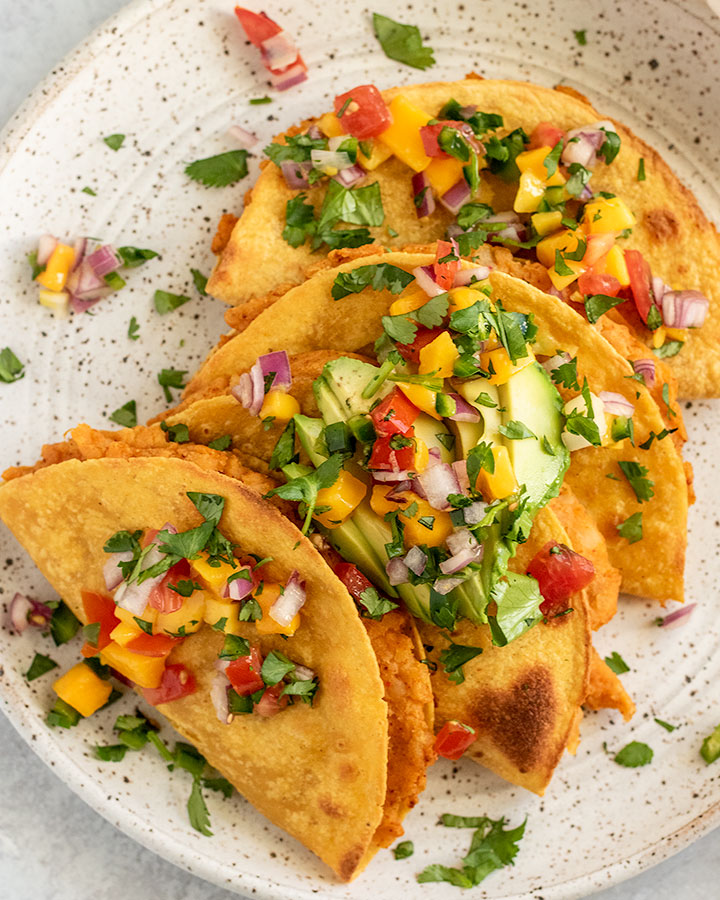
Potatoes pair beautifully with a variety of plant-based ingredients:
- Spicy Potato and Black Bean Tacos:
- Roasted potato cubes
- Black beans
- Pico de gallo
- Avocado slices
- Lime juice drizzle
- Smoky Chipotle Potato Tacos:
- Sautéed potatoes with chipotle seasoning
- Caramelized onions
- Roasted red peppers
- Cilantro and lime
- Crispy Potato and Veggie Tacos:
- Oven-baked potato wedges
- Roasted zucchini and bell peppers
- Cashew cream drizzle
- Fresh arugula
- Potato Breakfast Tacos (Vegan):
- Pan-fried potatoes
- Tofu scramble
- Salsa verde
- Fresh cilantro
11. Storing and Using Leftover Potatoes
Potatoes store well if cured and kept in a dark, cool space. Use leftovers creatively:
- Add to soups and stews
- Make potato hash for breakfast tacos
- Mash and mix with beans for veggie burger patties
12. Benefits of Growing Your Own Taco Potatoes
- Freshness: Homegrown potatoes have superior flavor and texture
- Cost-Effective: Growing your own is cheaper than buying organic
- Sustainable: Reduces packaging waste and supports eco-friendly living
- Connection to Food: Increases awareness and appreciation for your meals
Growing your own potatoes also encourages experimentation in the kitchen, helping you discover new flavors and textures for your plant-based taco creations.
13. Final Thoughts
Growing potatoes in your backyard or containers is rewarding, practical, and fun. With minimal space and effort, you can harvest a crop that elevates your vegetarian or vegan cooking — particularly for tacos, where the humble potato shines.
From planting the seeds to seasoning and roasting them for crispy taco fillings, each step connects you more deeply to the food you eat. With your own potatoes on hand, you can create endless variations of hearty, satisfying veggie tacos — perfect for family dinners, meal prep, or entertaining friends.
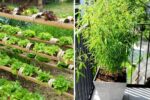
So, dig in, plant those seed potatoes, and prepare to enjoy the freshest, most flavorful veggie tacos you’ve ever made — straight from your backyard to your table.