There’s a special kind of joy that comes from walking into your garden, brushing a little soil off your hands, and pulling out a basket of fresh, golden potatoes. Whether you’re roasting them for dinner, mashing them for comfort, or turning them into crispy fries, potatoes are the ultimate kitchen garden treasure. But beyond being delicious and versatile, they’re also one of the easiest, most rewarding crops to grow at home.
If you’ve ever dreamed of turning your kitchen garden into a true veggie powerhouse, potatoes are the perfect place to start. This guide will walk you through everything — from choosing the right variety to harvesting a bumper crop — so you can enjoy hearty, homegrown meals straight from your backyard.
1. Why Potatoes Are the Power Player of Any Kitchen Garden
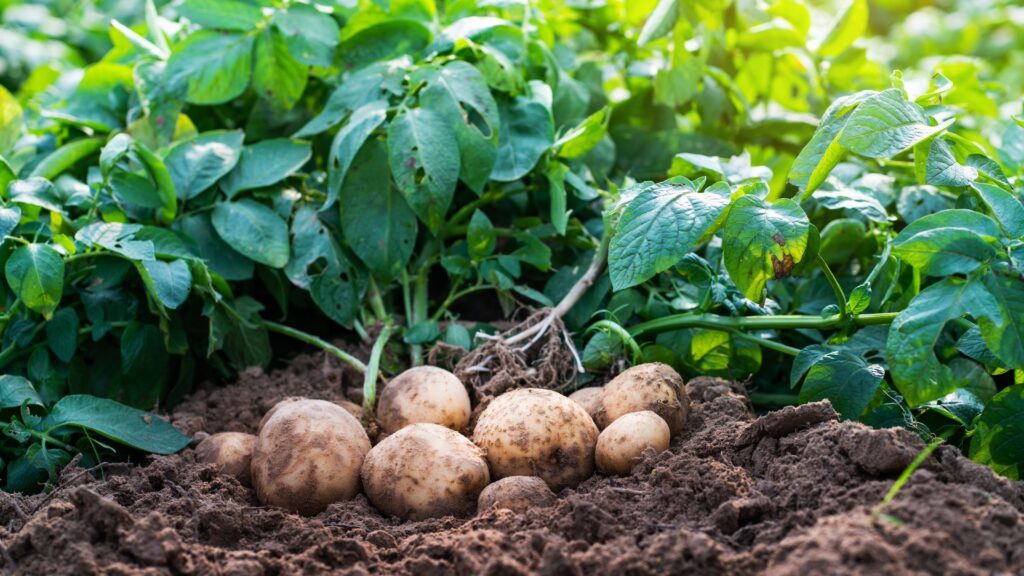
When it comes to versatility, productivity, and flavor, potatoes are hard to beat. A few seed potatoes can yield an impressive harvest, making them one of the most efficient vegetables to grow.
Here’s why they’re an essential crop for a thriving home garden:
- High yield: One seed potato can produce up to 10 new tubers. That’s plenty of meals from just one plant.
- Year-round versatility: Potatoes can be baked, boiled, mashed, fried, or even turned into soups and salads — the possibilities are endless.
- Easy to grow: Potatoes are forgiving. With a bit of soil, water, and sunlight, they’ll reward you generously.
- Nutrient-dense: They’re a rich source of potassium, vitamin C, and fiber, giving your meals both flavor and nutrition.
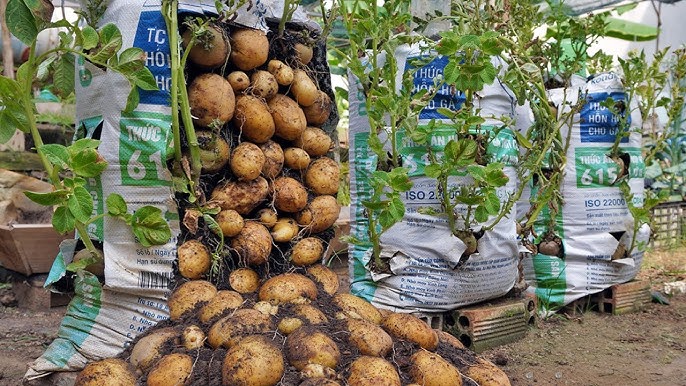
- Perfect for small spaces: Even if you don’t have a large garden, potatoes thrive in containers, grow bags, or raised beds.
A well-planned potato patch can transform your garden into a true “veggie powerhouse,” feeding your family wholesome food straight from your backyard.
2. Picking the Right Potato Variety for Your Garden
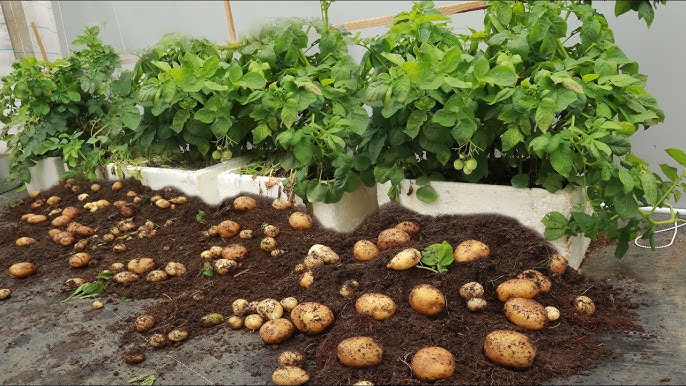
The secret to a great potato harvest begins with choosing the right variety. Potatoes come in three main types — each suited for different dishes and garden conditions.
Waxy Potatoes (For Roasting and Salads)
Waxy potatoes have smooth skins, firm flesh, and low starch content. They hold their shape beautifully after cooking.
- Best varieties: Yukon Gold, Red Pontiac, Charlotte.
Floury Potatoes (For Mashing and Baking)
These potatoes have fluffy, dry flesh, perfect for light and airy mashed potatoes or baked dishes.
- Best varieties: Russet Burbank, Maris Piper, King Edward.
All-Purpose Potatoes (For Everything)
If you’re a beginner, start with all-purpose varieties — they work for almost any recipe.
- Best varieties: Desiree, Kennebec, Norland.
Pro Tip: Always buy certified seed potatoes from a reputable garden supplier. Grocery store potatoes may be treated with chemicals to prevent sprouting and could carry diseases.
3. Preparing Your Garden for Success
Potatoes love loose, well-drained, and slightly acidic soil. The better your soil, the better your harvest.
Soil Preparation Steps:
- Choose a sunny spot that gets at least 6–8 hours of direct light daily.
- Loosen the soil about 10–12 inches deep using a spade or garden fork.
- Mix in compost or aged manure to improve texture and fertility.
- Avoid using fresh manure before planting — it can cause the potatoes to develop scabs.
- Check the pH level — ideally between 5.0 and 6.5 for optimal growth.
If you have limited space or heavy clay soil, don’t worry. Potatoes grow wonderfully in containers, barrels, or grow bags. All you need is good potting soil and proper drainage.
4. Preparing Seed Potatoes for Planting (“Chitting”)
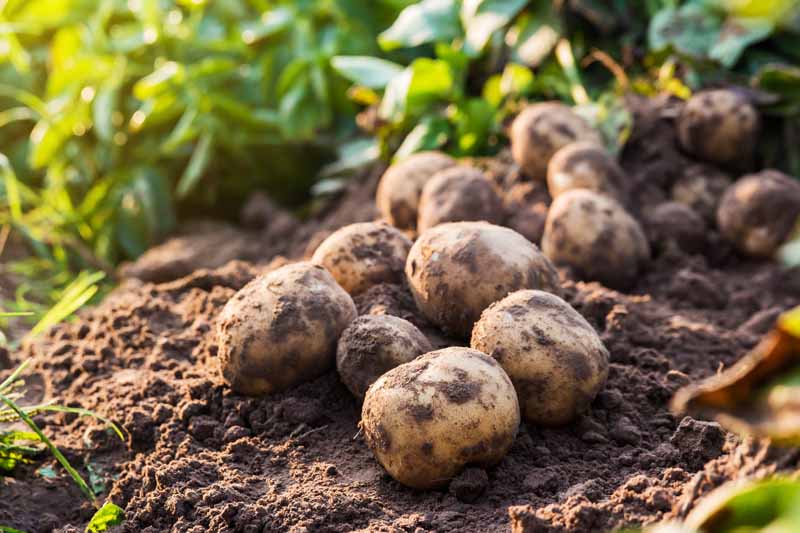
Before planting, give your potatoes a head start by sprouting them — a process called chitting.
Here’s how to do it:
- Place seed potatoes in an egg carton or tray with the “eyes” facing up.
- Keep them in a bright, cool place (around 60°F / 15°C).
- In 2–3 weeks, you’ll see small, sturdy green sprouts.
- Once the sprouts are about 1 inch long, they’re ready to plant.
This step helps potatoes grow faster and produce stronger plants — perfect for an early and plentiful harvest.
5. Planting Potatoes the Right Way
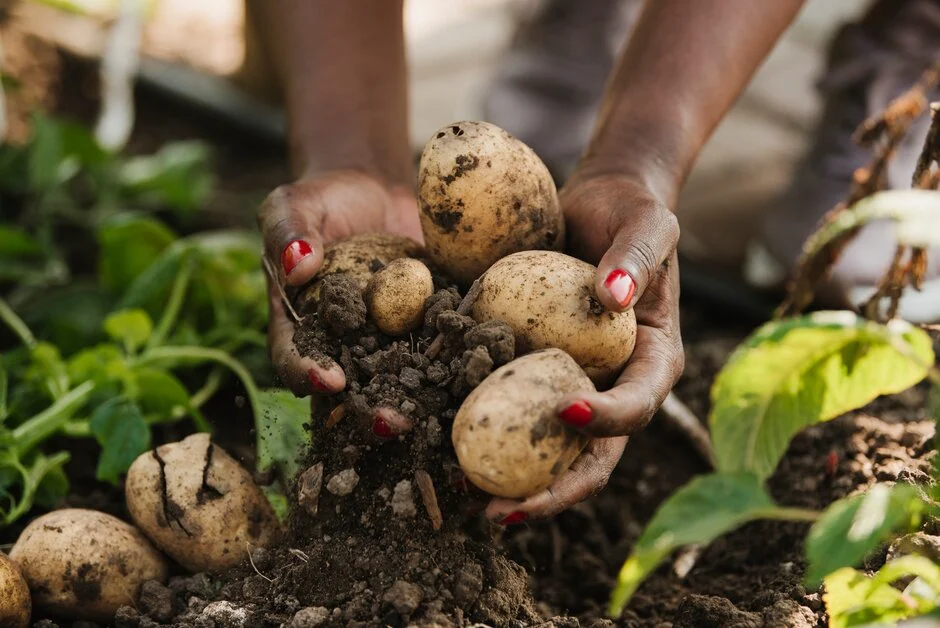
Now comes the exciting part — getting those sprouted seed potatoes into the soil.
In-Ground Planting:
- Dig trenches about 6–8 inches deep and 2–3 feet apart.
- Place seed potatoes 12 inches apart, sprouts facing upward.
- Cover them with 4 inches of soil.
- As they grow, mound soil around the stems every few weeks — this process is called hilling.
Container Planting:
- Fill the bottom of your grow bag or pot with 4 inches of compost or soil.
- Place 2–3 seed potatoes on top.
- Cover with another 4 inches of soil.
- As the plants grow, keep adding soil until the container is full.
Potatoes are happiest in soil that’s loose and moist — not compacted or soggy.
6. The Art of Hilling: The Secret to Big Yields
Hilling is one of the most important (and often overlooked) parts of growing potatoes. As your plants grow taller, keep piling soil around their stems.
Why hilling matters:
- It prevents potatoes from turning green and toxic from sunlight exposure.
- Encourages more tubers to form along the buried stem.
- Helps retain moisture and keeps weeds down.
Hill your plants when they reach about 8 inches tall, and repeat every couple of weeks until your mounds are 8–10 inches high.
7. Watering and Feeding for Healthy Growth
Potatoes thrive on consistent moisture — but too much water can rot the tubers.
Watering Tips:
- Water deeply once or twice a week, depending on weather.
- Keep the soil evenly moist — not soggy.
- Water early in the day to let the foliage dry before nightfall.
Feeding Tips:
- Use organic compost or liquid seaweed fertilizer every 3–4 weeks.
- Once the plants start flowering, reduce feeding — that’s when energy shifts from leaves to tuber growth.
Balanced watering and nutrition lead to firm, flavorful potatoes ready for your favorite home-cooked meals.
8. Protecting Your Potato Patch from Pests and Diseases
Even the healthiest gardens face a few challenges. Luckily, most potato problems can be managed easily with vigilance and care.
Common Pests:
- Colorado Potato Beetles: Hand-pick them off leaves or use neem oil spray.
- Aphids: Spray with water or insecticidal soap.
- Wireworms: Rotate your crops each year to prevent infestations.
Common Diseases:
- Blight: Avoid watering leaves, ensure good airflow, and remove infected foliage quickly.
- Scab: Maintain slightly acidic soil and avoid fresh manure.
Practicing crop rotation — not planting potatoes in the same spot each year — is key to keeping soil healthy and pest-free.
9. Harvest Time: Digging Up Golden Rewards
When it’s time to harvest, the excitement truly begins.
- For new potatoes: Harvest when the plants begin to flower — about 10 weeks after planting. These are tender, buttery, and perfect for summer salads.
- For mature potatoes: Wait until the foliage yellows and dies back (around 18–20 weeks). Carefully dig around the plants with a fork and lift your potatoes from the soil.
Be gentle — freshly dug potatoes have delicate skins. Leave them to dry in a shaded area for a few hours before storage.

10. Storing Your Potatoes for Long-Lasting Freshness
Proper storage keeps your potatoes fresh and flavorful for months.
Steps to store your harvest:
- Cure them for 10–14 days in a dark, well-ventilated area at about 50°F (10°C).
- Brush off excess soil but don’t wash them before storage.
- Store in a cool, dark place (around 40°F / 4°C) in a breathable bag or crate.
- Keep away from onions — they release gases that make potatoes spoil faster.
Stored correctly, your potatoes will last well into the winter, ready for endless home-cooked recipes.
11. Cooking with Your Homegrown Potatoes
Now comes the delicious part — turning your homegrown harvest into wholesome meals.
Here are some ideas to bring your garden’s bounty to the table:
- Golden Roast Potatoes: Crispy on the outside, fluffy on the inside — a perfect side dish.
- Creamy Mashed Potatoes: Whip with butter and milk for a classic comfort food.
- Homemade French Fries: Fresh, crunchy, and far better than store-bought.
- Potato Soup: A warm, hearty dish perfect for cooler nights.
- Loaded Potato Casserole: Layered with cheese, herbs, and veggies for a full meal.
Each dish will taste better knowing it started in your own garden.
12. The Joy of a Self-Sustaining Kitchen Garden
Growing potatoes isn’t just about harvesting food — it’s about building a connection with nature and creating a more sustainable way of living. With every plant you nurture, your kitchen garden becomes a thriving ecosystem that feeds both body and soul.
From planting your first seed potato to savoring your first homegrown dish, the journey is filled with satisfaction and flavor. So roll up your sleeves, grab a few seed potatoes, and start growing. Soon, your kitchen garden will be bursting with life — a true veggie powerhouse built around one humble yet extraordinary crop: the potato.