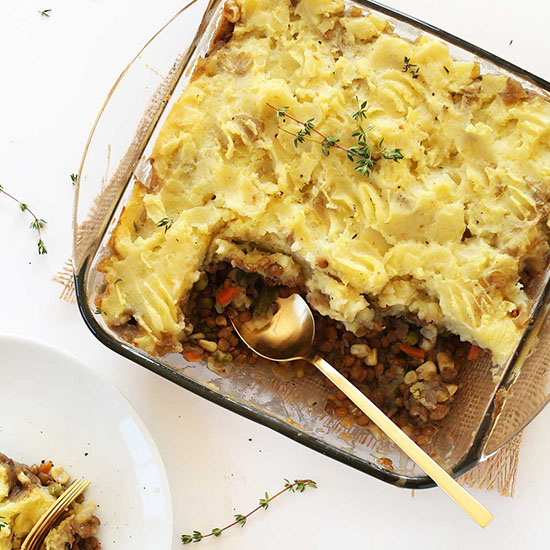
Few dishes evoke warmth and comfort like a shepherd’s pie — a golden, crispy-topped casserole layered with savory fillings and creamy mashed potatoes. Traditionally made with meat, this classic has found new life as a vegan favorite, swapping the lamb or beef for hearty vegetables, lentils, or mushrooms. But what truly makes or breaks a shepherd’s pie — vegan or not — is the potato layer.
Fluffy, creamy, perfectly golden potatoes are the heart of this beloved dish. And nothing compares to the taste and texture of homegrown potatoes. When you grow your own, you’re not just cultivating a crop — you’re cultivating flavor, freshness, and sustainability.
If you’ve ever dreamed of turning your backyard (or even a few containers on your balcony) into a source of delicious, buttery potatoes, this guide will walk you through everything you need to know. From choosing the best potato varieties to harvesting and finally transforming your crop into the ultimate vegan shepherd’s pie — here’s your step-by-step journey from garden to table.
Why Grow Potatoes for Vegan Comfort Food?
Potatoes are one of the most versatile vegetables on the planet. They’re a cornerstone of plant-based cuisine — rich in nutrients, naturally gluten-free, and satisfying enough to be the star of a vegan meal.
When you grow your own potatoes, you can expect:
- Better taste: Freshly dug potatoes are sweeter, creamier, and more flavorful.
- Healthier meals: You control what goes into the soil — no pesticides or chemicals.
- Sustainability: Homegrown food reduces your carbon footprint and food waste.
- Cost efficiency: A few seed potatoes can produce pounds of edible tubers.
Plus, few things are more rewarding than scooping into a vegan shepherd’s pie knowing the potatoes came straight from your own garden.
Choosing the Best Potatoes for Vegan Shepherd’s Pie
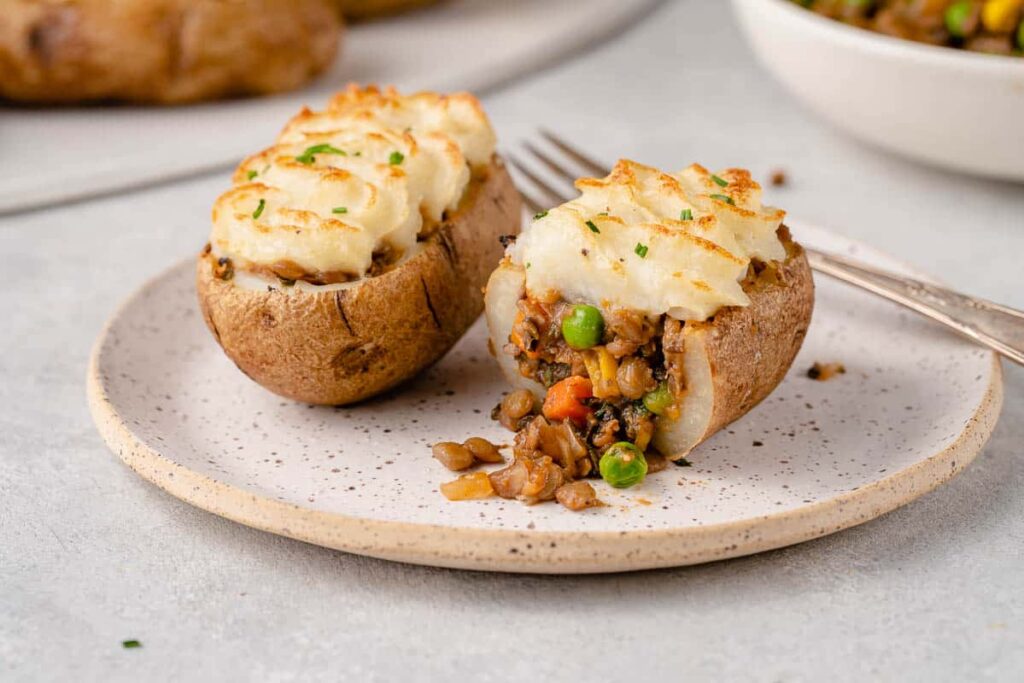
The perfect shepherd’s pie topping is light, fluffy, and creamy — a smooth mash that holds its shape and crisps beautifully in the oven. To achieve this, you’ll want a variety of potato that mashes well without turning gluey.
Here are a few top picks:
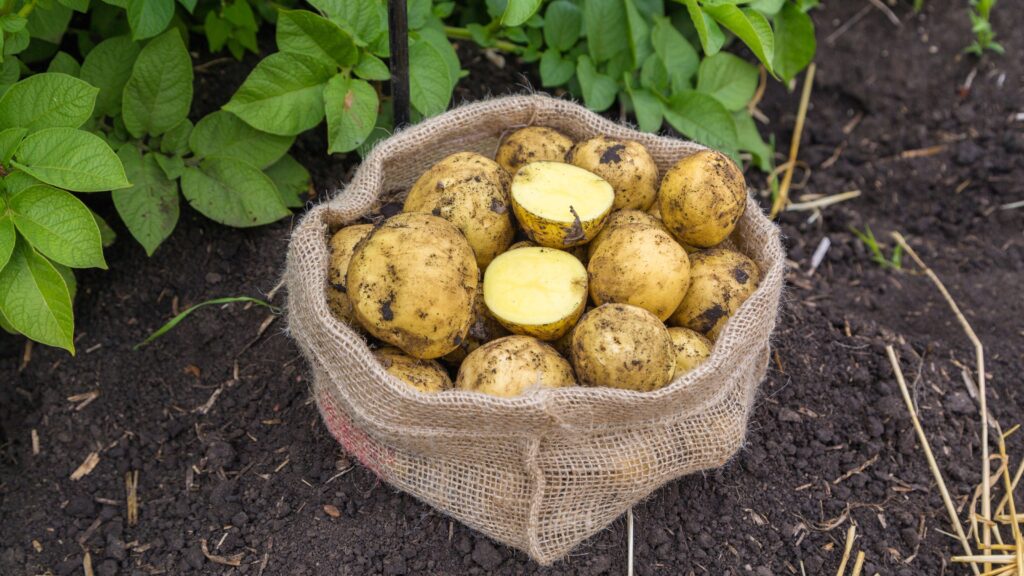
- Yukon Gold: A gardener’s and cook’s favorite. Their buttery flavor and medium starch content make for smooth, rich mashed potatoes.
- Russet: High-starch potatoes that yield fluffy, cloud-like mash — perfect for that golden, crispy topping.
- Maris Piper: A classic in British cooking, these potatoes are great for both mashing and baking.
- Kennebec: Excellent all-purpose potatoes that balance creaminess with structure.
If possible, plant both Yukon Gold and Russet — Yukon for creamy richness and Russet for airy texture. Mixing them makes for the perfect shepherd’s pie topping.
Preparing Your Garden for Potato Planting
Potatoes thrive in well-draining, loose soil that allows the tubers to expand freely. They’re surprisingly easy to grow and can even flourish in containers if you don’t have garden space.
1. Location:
Pick a sunny spot that receives at least 6–8 hours of sunlight daily.
2. Soil Preparation:
Potatoes prefer slightly acidic soil with a pH between 5.5 and 6.5. Enrich your garden bed with compost or aged manure before planting to boost nutrients.
3. Containers:
If space is limited, use large pots or grow bags (10–15 gallons each). Potatoes adapt well to containers, as long as they have room to grow downward.
How to Plant Potatoes Step-by-Step
1. Choose Seed Potatoes:
Always use certified seed potatoes from a nursery or garden center. These are disease-free and bred for planting (unlike grocery store potatoes, which are often treated to prevent sprouting).
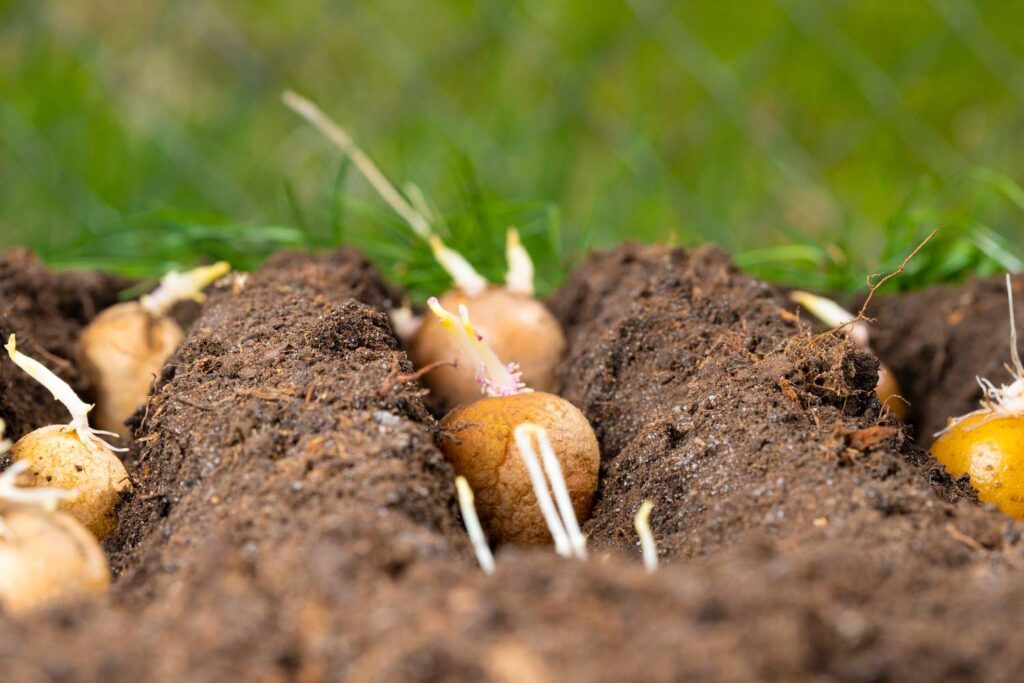
2. Pre-Sprout (Chitting):
A week or two before planting, place the seed potatoes in a cool, light-filled spot indoors to encourage sprouts (called “chitting”). When the sprouts reach about 1 inch long, they’re ready to plant.
3. Cutting and Curing:
If your seed potatoes are large, cut them into golf ball-sized chunks, making sure each piece has at least one sprout or “eye.” Let them cure for 2–3 days to form a protective skin.
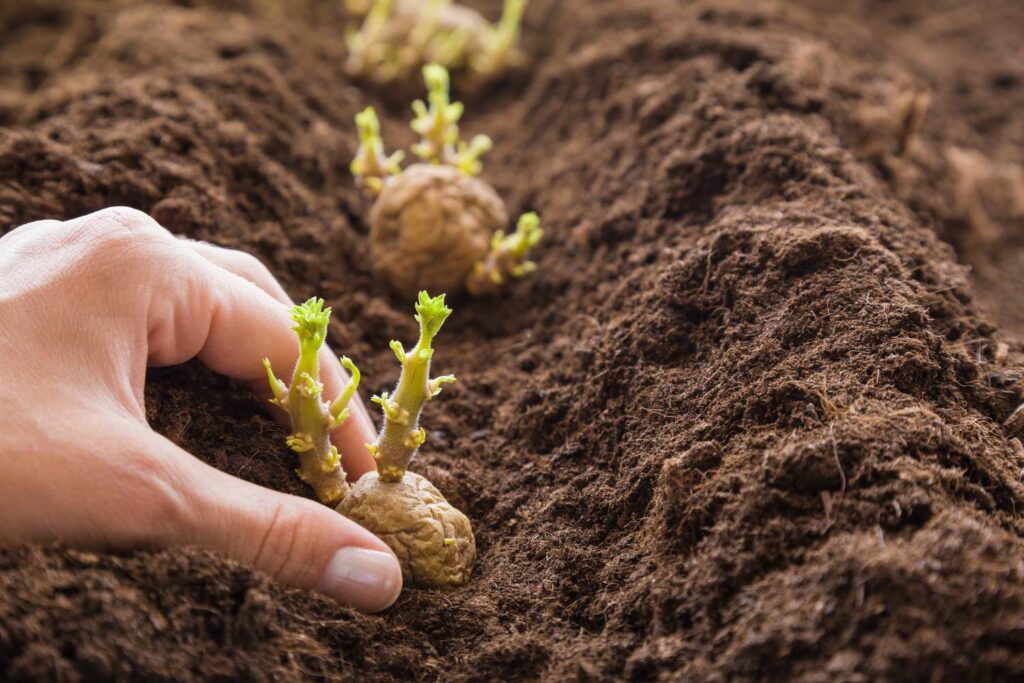
4. Planting Depth and Spacing:
Dig trenches 4–6 inches deep and plant each seed potato sprout-side up, spaced about 12 inches apart. Cover with soil and water thoroughly. In containers, plant 3–4 pieces evenly spaced.
Caring for Your Potato Plants
1. Watering:
Potatoes need consistent moisture, especially during flowering (when tubers are forming). Aim for about 1–2 inches of water per week, but avoid overwatering — soggy soil can cause rot.
2. Hilling:
As the plants grow, mound soil or compost around the stems every couple of weeks to keep developing potatoes covered. This prevents sunlight from turning them green and bitter.
3. Fertilizing:
Feed your plants with an organic fertilizer high in potassium and phosphorus (like bone meal or seaweed extract). Too much nitrogen will lead to leafy plants with few tubers.
4. Pest Control:
Keep an eye out for Colorado potato beetles or aphids. Use neem oil or hand-pick pests to protect your plants naturally. Crop rotation between seasons can also help prevent diseases.
Harvesting Your Potatoes
New Potatoes:
If you can’t wait to taste your crop, gently dig around the base of the plant 2–3 weeks after flowering. These baby potatoes are soft, tender, and perfect for quick sautés or roasted side dishes.
Mature Potatoes:
Wait until the plant’s leaves and stems start to yellow and die back. Gently loosen the soil with a garden fork and lift the potatoes out. Handle carefully — fresh potatoes bruise easily.
After harvesting, cure them in a cool, dark, and ventilated area for about a week. This helps toughen their skins for longer storage.
Storage Tips
Store your potatoes in a dark, cool (45–50°F) area, like a pantry or cellar. Avoid keeping them in the fridge, as cold temperatures convert their starch to sugar, altering the flavor. Also, keep them away from onions, which can make potatoes sprout faster.
Properly cured and stored potatoes can last for months — ready for every vegan shepherd’s pie craving that strikes.
Turning Your Harvest into a Vegan Shepherd’s Pie
Now that you’ve harvested your potatoes, it’s time for the best part — cooking! This vegan shepherd’s pie is creamy, flavorful, and 100% plant-based. It’s comfort food that’s both nourishing and kind to the planet.
Ingredients:
For the mashed potato topping:
- 2 pounds of homegrown potatoes (Yukon Gold or Russet)
- 3 tablespoons vegan butter or olive oil
- ½ cup plant-based milk (almond, soy, or oat)
- Salt and pepper to taste
For the filling:
- 2 tablespoons olive oil
- 1 onion, diced
- 2 cloves garlic, minced
- 1 cup carrots, chopped
- 1 cup celery, chopped
- 1 ½ cups cooked lentils (or canned, drained)
- 1 cup mushrooms, finely chopped
- 1 cup frozen peas
- 2 tablespoons tomato paste
- 1 tablespoon soy sauce or tamari
- 1 teaspoon dried thyme
- 1 teaspoon smoked paprika
- 1 cup vegetable broth
- Salt and pepper to taste
Instructions:
1. Prepare the Potatoes:
Peel (if desired) and chop your homegrown potatoes into chunks. Boil them in salted water until tender, about 15 minutes. Drain and mash with vegan butter and plant milk until smooth and creamy. Season with salt and pepper.
2. Cook the Filling:
In a skillet, heat olive oil and sauté onions and garlic until fragrant. Add carrots, celery, and mushrooms, and cook until softened. Stir in tomato paste, lentils, soy sauce, thyme, and paprika. Pour in vegetable broth and simmer until thickened. Add peas at the end and season to taste.
3. Assemble the Pie:
Spread the lentil and veggie mixture evenly in a baking dish. Top with mashed potatoes, smoothing the surface with a spoon or fork to create decorative ridges.
4. Bake:
Bake at 400°F (200°C) for 20–25 minutes, or until the top is golden brown. For an extra crisp finish, broil for 2–3 minutes at the end.
5. Serve:
Let the pie rest for 10 minutes before serving. Pair with a side of garden-fresh greens for a complete, comforting vegan meal.
Health Benefits of Your Homegrown Meal
This dish is as nutritious as it is delicious:
- Potatoes: A great source of potassium, vitamin C, and fiber (especially if you leave the skins on).
- Lentils and veggies: Add plant-based protein, iron, and antioxidants.
- Olive oil and plant milk: Provide healthy fats without the cholesterol of dairy or meat.
Together, they create a meal that’s hearty, wholesome, and cruelty-free.
Final Thoughts: From Soil to Supper
When you grow your own potatoes, every bite of vegan shepherd’s pie becomes more meaningful. You’re not just cooking — you’re connecting with nature, supporting sustainability, and creating food that’s truly yours.
From the moment you plant a sprouting tuber to the first golden forkful of mashed topping, the journey is pure satisfaction. So grab some seed potatoes, roll up your sleeves, and start your gardening adventure.
Because once you’ve made shepherd’s pie with your own homegrown potatoes, you’ll never look at comfort food the same way again.