There’s something incredibly rewarding about biting into a homemade veggie burger made with ingredients you’ve grown yourself. And when it comes to flavor, nutrition, and versatility, few vegetables shine brighter than the humble carrot. Sweet, earthy, and packed with color, homegrown carrots can turn an ordinary veggie burger into something extraordinary — vibrant, juicy, and full of garden-fresh goodness.
Whether you’re a seasoned gardener or just beginning your kitchen garden journey, growing your own carrots is one of the easiest and most satisfying projects. This article will guide you step by step through the process — from choosing the best carrot varieties and planting techniques to harvesting and transforming your harvest into delicious, healthy veggie burgers.
Why Carrots Are Perfect for Veggie Burgers
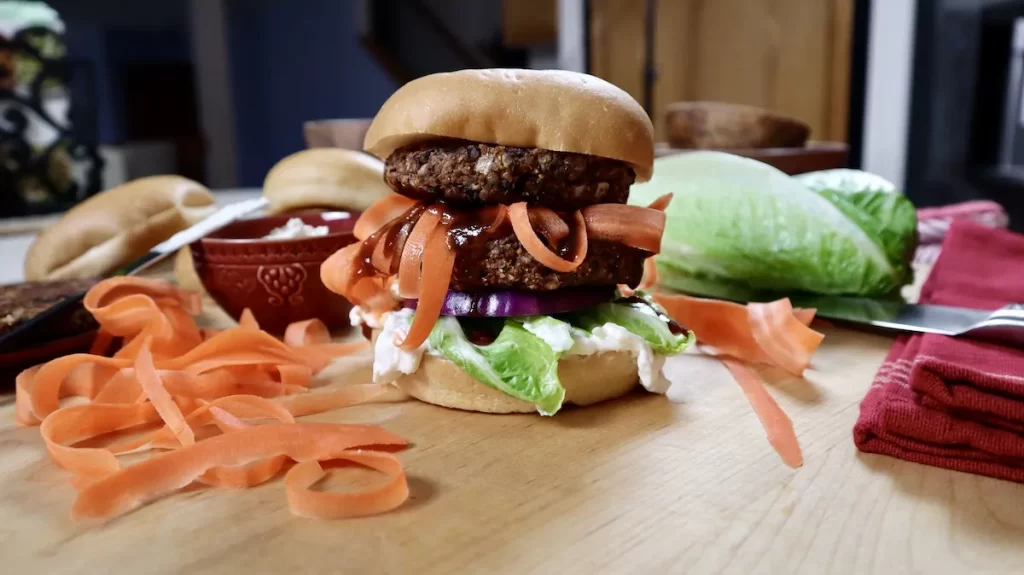
Carrots bring more than just color to your homemade veggie patties — they add texture, natural sweetness, and essential nutrients. When grated and mixed with ingredients like chickpeas, lentils, or quinoa, carrots provide a firm yet tender consistency that holds together beautifully during cooking.
Nutritionally, carrots are a powerhouse. They’re rich in beta-carotene (which converts to vitamin A), fiber, and antioxidants that support healthy eyes, skin, and digestion. Plus, they’re low in calories and add a natural moisture that helps prevent your veggie burgers from drying out.
And the best part? Carrots are simple to grow — even in small spaces, containers, or raised beds — making them perfect for urban gardeners and homesteaders alike.

Choosing the Right Carrot Varieties for Burgers

Not all carrots are created equal, especially when it comes to cooking. For veggie burgers, you’ll want carrots that have deep color, a rich flavor, and a crisp but tender texture. Here are some excellent varieties to consider:
- Danvers 126 – A classic, hardy carrot that grows well in most soils. It has a rich orange color and balanced sweetness.
- Nantes – Known for its smooth texture and cylindrical shape, Nantes carrots are sweet and easy to grate for burger mixtures.
- Chantenay – Short and thick, these carrots are perfect for heavy or clay soils. Their dense texture adds structure to veggie patties.
- Cosmic Purple – A colorful variety with a purple skin and orange interior. It adds a fun visual twist and a slightly spicier flavor.
- Bolero – A great storage variety, perfect if you want to grow carrots for year-round veggie burger batches.
Each variety has its own unique character, so try growing a mix for both flavor and beauty in your garden.
Preparing the Soil
Carrots love loose, sandy, well-drained soil. Their roots need room to grow straight and deep, so compact or rocky soil can cause them to twist or fork. Here’s how to prepare the perfect carrot bed:
- Loosen the soil to at least 10–12 inches deep. Remove stones, clumps, and debris.
- Mix in compost or well-rotted organic matter for nutrients, but avoid fresh manure — it can cause misshapen roots.
- Keep the soil pH between 6.0 and 6.8 for optimal growth. You can use a home test kit to check and adjust the acidity if needed.
If you have heavy clay soil, consider growing carrots in raised beds or deep containers filled with light, sandy potting mix.
Planting Your Carrots
Carrots are cool-weather crops that grow best in spring or fall. They tolerate light frost and prefer temperatures between 55°F and 75°F (13°C–24°C).
Step 1: Sowing the Seeds
- Sow seeds directly into the soil — carrots don’t transplant well.
- Scatter them thinly in rows about 1 foot apart, covering lightly with ¼ inch of soil.
- Keep the soil consistently moist until germination, which can take 10–20 days.
Step 2: Thinning
Once the seedlings reach about 2 inches tall, thin them to 2–3 inches apart. Crowding leads to stunted, misshapen roots.
Step 3: Watering
Carrots need steady moisture, especially in the early stages. Water deeply once or twice a week, keeping the soil evenly moist but never soggy. Inconsistent watering can cause cracking.
Caring for Your Carrot Plants
Carrots are relatively low-maintenance, but a few care practices can make all the difference:
- Weeding: Keep weeds under control, especially when the plants are small. Carrots don’t compete well for nutrients.
- Mulching: Use straw or grass clippings to keep the soil cool, moist, and free of weeds.
- Fertilizing: A light feeding of compost tea or balanced organic fertilizer every few weeks helps carrots grow strong and flavorful. Avoid high-nitrogen fertilizers — they’ll encourage leafy tops instead of roots.
If you’re growing in hot climates, provide light shade during the hottest part of the day to prevent bitterness.

Harvesting Homegrown Carrots
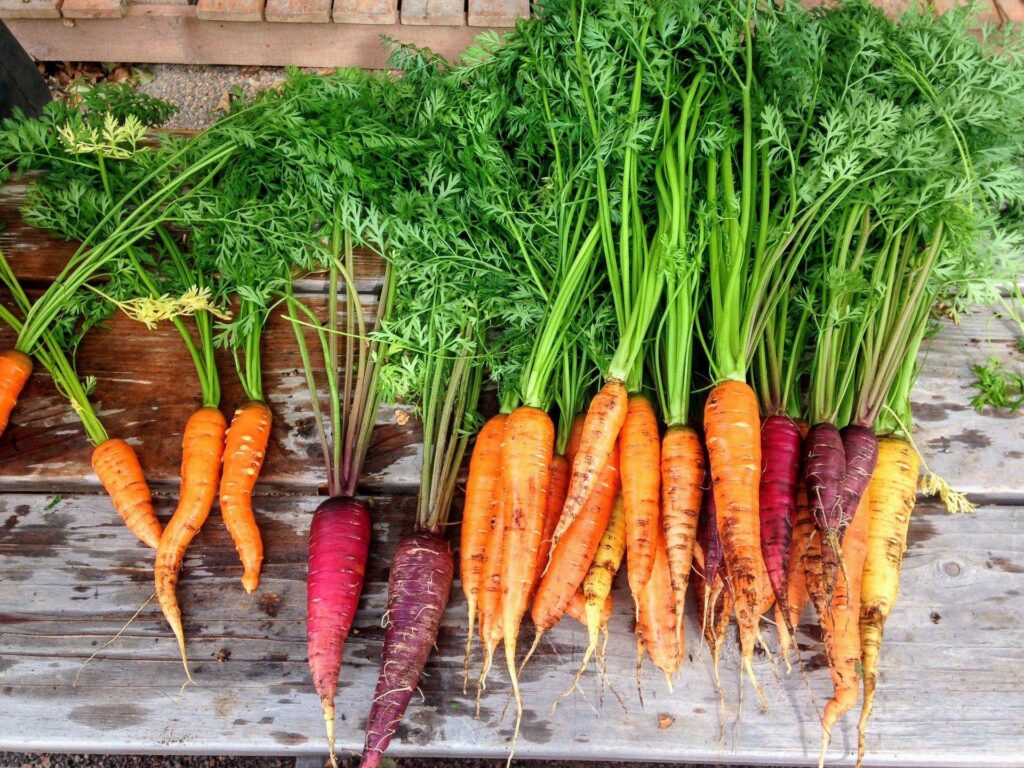
Depending on the variety, carrots are ready for harvest 60–80 days after planting. You can pull a test carrot to check its size — ideally, it should be ¾ to 1 inch in diameter.
To harvest:
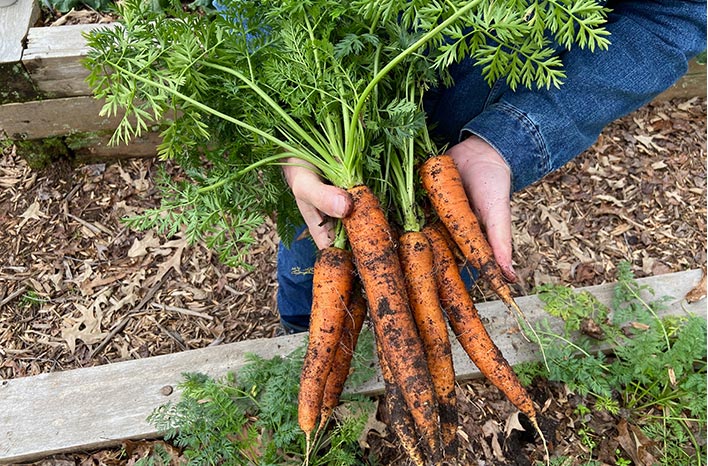
- Loosen the soil gently with a garden fork.
- Pull the carrots carefully by the base of the greens to avoid breaking them.
- Cut off the tops (they draw moisture from the roots) and rinse off excess soil.
If you plan to store them, allow the carrots to dry completely and keep them in a cool, dark place. Fresh carrots will stay crisp for several weeks in the refrigerator.
Turning Your Carrots Into Veggie Burgers
Now comes the delicious part — cooking! Homegrown carrots are perfect for creating hearty, flavorful veggie burgers that even meat-lovers will enjoy.
Here’s a basic carrot-based veggie burger recipe to get you started:

Ingredients:
- 2 cups grated homegrown carrots
- 1 cup cooked chickpeas or lentils (mashed)
- ½ cup rolled oats or breadcrumbs
- 1 small onion, finely chopped
- 2 cloves garlic, minced
- 1 tablespoon olive oil
- 1 teaspoon cumin or smoked paprika
- Salt and pepper to taste
- 2 tablespoons chopped fresh herbs (parsley or cilantro)
- Optional: 1 tablespoon soy sauce or tahini for richness
Instructions:
- Sauté the aromatics: Heat olive oil in a pan. Sauté onions and garlic until soft and fragrant.
- Combine ingredients: In a large bowl, mix grated carrots, mashed chickpeas, oats, and seasonings. Stir in the sautéed mixture.
- Form the patties: Shape into burger-sized rounds. If the mixture is too wet, add more oats or breadcrumbs.
- Cook: You can either pan-fry the patties until golden brown on both sides or bake them at 375°F (190°C) for about 25 minutes, flipping halfway.
- Serve: Layer your veggie burger on a whole-grain bun with lettuce, tomato, avocado, and your favorite sauce.
The natural sweetness of the carrots pairs beautifully with smoky spices, tangy sauces, or melted cheese.
Creative Variations for Carrot Veggie Burgers
- Asian-Inspired: Add grated ginger, soy sauce, and sesame oil. Serve with a teriyaki glaze.
- Mediterranean Style: Mix in crumbled feta, olives, and herbs like oregano or basil.
- Spicy Southwest: Add black beans, corn, and chipotle powder for a smoky kick.
- Protein Boost: Combine carrots with quinoa, lentils, or tofu for a more filling patty.
These burgers freeze well, so you can make extra and enjoy them anytime.
Final Thoughts
Growing your own carrots for homemade veggie burgers isn’t just about fresh produce — it’s about the joy of creating food that’s truly yours, from soil to skillet. Each bite carries the freshness of your garden, the satisfaction of self-sufficiency, and the wholesome goodness of real ingredients.
Carrots are easy to grow, full of nutrients, and endlessly versatile in the kitchen. Once you’ve harvested your first batch and turned them into flavorful veggie burgers, you’ll never look at store-bought patties the same way again.
So roll up your sleeves, plant those seeds, and get ready to turn your backyard into the first step of your next delicious, garden-fresh meal.