In the world of nutritious greens, spinach reigns supreme. Whether blended into a refreshing smoothie, tossed in a salad, or stirred into a steaming bowl of pasta, spinach adds a burst of vitality, flavor, and color to every vegetarian dish. But what if you could skip the grocery store and harvest those vibrant green leaves straight from your own backyard or balcony garden?
Growing spinach is easier than many imagine. This leafy green doesn’t demand much space or effort—just a bit of care, good soil, and consistent moisture. The reward? A constant supply of fresh, nutrient-dense greens ready to elevate your meals and smoothies.
In this detailed guide, we’ll explore everything you need to know about how to grow spinach for healthy vegetarian smoothies and dishes—from choosing the right variety and preparing your soil to harvesting and making the most of your homegrown greens.
Why Grow Spinach at Home?

Spinach is one of the most versatile and rewarding vegetables you can grow. Here’s why it deserves a spot in every kitchen garden:
- Nutritional Powerhouse: Spinach is rich in iron, calcium, folate, and vitamins A, C, and K—nutrients essential for energy, bone health, and immunity.
- Perfect for Vegetarians: It provides a natural source of plant-based iron and protein, helping balance vegetarian diets.
- Quick to Grow: Spinach matures in as little as 30 to 45 days, offering nearly instant gratification for gardeners.
- Space-Saving: You can grow spinach in garden beds, pots, or even vertical containers—ideal for small spaces.
- Versatile in the Kitchen: Fresh or cooked, spinach fits seamlessly into countless vegetarian dishes, from smoothies to curries.
Homegrown spinach isn’t just fresher—it’s sweeter, more tender, and free from harmful chemicals often found on store-bought greens.
Choosing the Right Spinach Variety
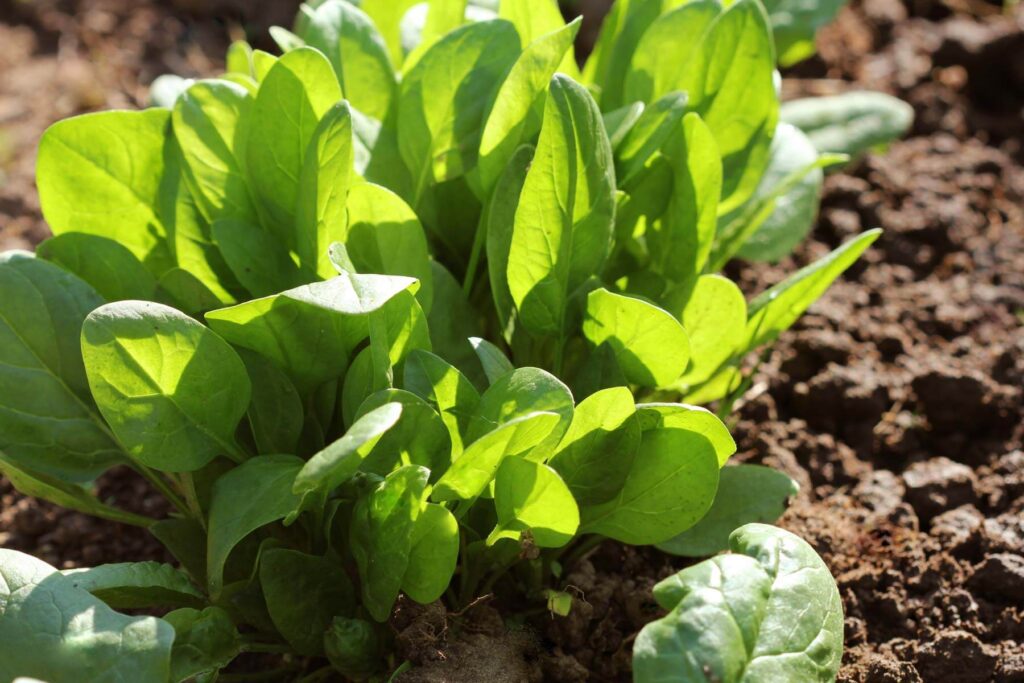
Selecting the right type of spinach is key to a thriving crop and delicious harvest. Spinach varieties generally fall into three main categories:
1. Savoy Spinach
- Description: Dark green, crinkled leaves with a robust texture.
- Best For: Cooler climates and hearty dishes like soups or sautés.
- Varieties to Try: Bloomsdale Long Standing, Regiment.
2. Semi-Savoy Spinach
- Description: Slightly crinkled leaves that are easier to wash than full savoy types.
- Best For: Balanced flavor and easy maintenance.
- Varieties to Try: Tyee, Catalina.
3. Smooth-Leaf Spinach
- Description: Flat, tender leaves ideal for smoothies and salads.
- Best For: Warm weather and quick harvesting.
- Varieties to Try: Space, Red Cardinal, Giant Nobel.
If you’re planning to use spinach mainly in smoothies and raw dishes, go for smooth-leaf varieties—they blend easily and have a mild, pleasant flavor.
Preparing the Soil for Success

Spinach thrives in cool, fertile, and well-drained soil. Its roots are shallow, so rich topsoil is essential for lush leaf growth.

Soil Requirements:
- Type: Loamy or sandy soil with good drainage.
- pH Level: Between 6.0 and 7.0 (slightly acidic to neutral).
- Preparation:
- Loosen the top 10–12 inches of soil.
- Mix in compost or aged manure before planting.
- Add a slow-release organic fertilizer high in nitrogen for leafy growth.
Tip: If your soil is clay-heavy, mix in coarse sand or perlite to improve drainage.
Planting Spinach: Step-by-Step
1. When to Plant
Spinach loves cool weather.
- Spring Planting: Sow 4–6 weeks before the last frost date.
- Fall Planting: Sow 6–8 weeks before the first expected frost.
- In Warm Climates: Grow spinach in partial shade or during cooler months.
2. How to Sow Seeds
- Sow seeds ½ inch deep and about 2 inches apart.
- Space rows 12–18 inches apart for good airflow.
- Cover lightly with soil and water gently.
Seeds germinate in about 7–10 days in cool, moist soil. For a continuous harvest, plant new seeds every 2–3 weeks.
3. Watering and Moisture
Consistent watering is key.
- Keep the soil evenly moist but never soggy.
- Water at the base to avoid leaf rot.
- Mulch with straw or compost to retain moisture and control weeds.
4. Sunlight Needs
Spinach grows best in full sun to partial shade. In hot climates, light afternoon shade helps prevent bolting (premature flowering).
Caring for Your Spinach Plants
Spinach is low-maintenance but benefits from a few thoughtful care steps:
1. Thinning
Once seedlings are 2–3 inches tall, thin them to about 4–6 inches apart. This gives each plant room to grow strong, broad leaves.
2. Fertilizing
Spinach is a heavy feeder. After thinning, side-dress with compost or apply a nitrogen-rich fertilizer every 2–3 weeks to promote lush foliage.
3. Pest and Disease Control
Common pests include aphids, leaf miners, and slugs.
- Use neem oil or insecticidal soap to deter insects.
- Encourage beneficial insects like ladybugs.
- Water early in the day to let leaves dry before evening, preventing fungal issues.
4. Temperature Control
Spinach bolts quickly in hot weather. To extend your growing season:
- Plant heat-tolerant varieties.
- Provide shade cloth during heatwaves.
- Keep soil cool with mulch.
Harvesting Your Spinach
Spinach leaves are ready for harvest in 30–45 days. You can harvest in two ways:
- Baby Leaves: Harvest when leaves are 2–3 inches long—ideal for salads and smoothies.
- Mature Leaves: Pick when leaves reach 5–6 inches. Cut outer leaves first and let the center continue growing for a steady supply.
Use scissors or a sharp knife to cut leaves about 1 inch above the base. Avoid uprooting the whole plant if you want multiple harvests.
Tip: Morning harvests yield the crispest, most nutrient-rich leaves.
Storing and Preserving Spinach

Fresh spinach doesn’t last long, so proper storage is crucial.
- Refrigerate: Keep dry, unwashed leaves in a breathable bag for up to 5 days.
- Freeze: Blanch for 2 minutes, cool quickly, then store in airtight containers for up to 8 months.
- Drying or Dehydrating: Great for powdered spinach smoothies or soups later.
Using Your Homegrown Spinach in Vegetarian Smoothies
Spinach is one of the easiest greens to add to smoothies because of its mild flavor and silky texture. It blends seamlessly with fruits, making it perfect for those new to green smoothies.

Nutritional Benefits in Smoothies:
- Iron: Boosts energy and combats fatigue.
- Vitamin C: Strengthens immunity.
- Fiber: Supports digestion and keeps you full.
- Magnesium & Potassium: Support muscle and nerve function.
Smoothie Ideas:

1. Green Energy Smoothie
- 1 cup fresh spinach
- 1 banana
- ½ apple
- 1 cup almond milk
- 1 tablespoon chia seeds
Blend until smooth for a refreshing, nutrient-rich drink.
2. Tropical Spinach Smoothie
- 1 cup spinach
- ½ cup pineapple
- ½ cup mango
- Coconut water for blending
This vibrant smoothie delivers a burst of tropical sweetness and vitamins.
3. Protein-Packed Spinach Shake
- 1 cup spinach
- ½ avocado
- 1 scoop plant-based protein powder
- 1 cup oat milk
Perfect post-workout fuel that’s both filling and wholesome.
Cooking with Homegrown Spinach
Beyond smoothies, spinach shines in countless vegetarian dishes. Its versatility makes it a kitchen essential.
1. Spinach and Chickpea Curry:
Sauté onions, garlic, and spices; add fresh spinach and cooked chickpeas for a protein-rich, earthy curry.

2. Spinach Lasagna:
Layer spinach with ricotta, pasta sheets, and tomato sauce for a delicious, iron-packed meal.
3. Garlic Sautéed Spinach:
A simple dish of spinach, olive oil, and garlic makes an elegant side that pairs with almost any vegetarian entrée.
4. Spinach Pesto:
Blend spinach with basil, olive oil, nuts, and lemon juice for a fresh twist on classic pesto.
Sustainability and Continuous Harvest
Growing spinach contributes to a sustainable lifestyle. Each harvest reduces your reliance on store-bought produce, lowers your carbon footprint, and encourages seasonal eating.
To keep your spinach supply steady:
- Succession Planting: Sow new seeds every 2–3 weeks.
- Crop Rotation: Alternate spinach with legumes or root vegetables to maintain healthy soil.
- Composting: Use leftover stems and trimmings to feed next season’s soil.
Even a small patch or pot can provide weeks of fresh greens.
From Seed to Smoothie: The Reward of Growing Spinach
There’s a deep satisfaction in sipping a smoothie or preparing a dish made with spinach you grew yourself. Every leaf represents patience, care, and connection to the earth. The flavor of freshly harvested spinach is unmatched—crisp, clean, and alive with nutrients.
When you grow spinach at home, you’re not just cultivating a plant—you’re cultivating a lifestyle rooted in wellness, sustainability, and self-sufficiency.

So grab your gardening gloves, sprinkle those tiny seeds, and let nature do the rest. Soon, you’ll be blending, sautéing, and serving the freshest spinach your kitchen has ever seen—straight from your garden to your glass or plate.
Final Thought:
Whether it’s a creamy green smoothie, a comforting curry, or a vibrant salad, homegrown spinach elevates every vegetarian dish with freshness and nutrition. Growing spinach is simple, satisfying, and endlessly rewarding—proof that good health truly starts in your own backyard. 🌿🥬💚