There’s something truly magical about stepping outside, plucking a few fresh vegetables and herbs from your own backyard, and transforming them into a delicious, wholesome meal. Growing your own food not only deepens your connection with what you eat but also makes cooking an enjoyable, sustainable, and creative experience. With a little planning and care, your garden can become the foundation for countless easy vegetarian meals — from hearty stews to vibrant salads, flavorful stir-fries, and comforting pastas.
This article will walk you through how to start a productive backyard garden, which vegetables and herbs to grow, and how to turn your harvest into simple, mouthwatering vegetarian dishes that celebrate freshness and flavor.
🌱 Why Grow Your Own Vegetarian Ingredients?

Growing your own vegetables offers more than just convenience. It’s a lifestyle choice that blends sustainability, health, and creativity.
- Freshness and flavor: Vegetables harvested from your garden have richer flavor and higher nutritional value compared to store-bought produce that’s been transported and stored for days.
- Cost-effective: A few packets of seeds can yield months of produce, saving you money on groceries.
- Eco-friendly: Gardening reduces packaging waste and your carbon footprint by cutting down on transportation emissions.
- Empowering and therapeutic: Tending to plants promotes mindfulness, reduces stress, and provides a sense of accomplishment.
When you combine gardening with cooking vegetarian meals, you create a sustainable cycle that benefits both your health and the planet.
🥕 Step 1: Plan Your Garden for Vegetarian Cooking

A successful garden begins with planning. Think about the meals you love to cook most — whether it’s Mediterranean pastas, Asian stir-fries, or Mexican-inspired bowls — and grow vegetables and herbs that fit those cuisines.
Here are some beginner-friendly crops that thrive in most backyards:
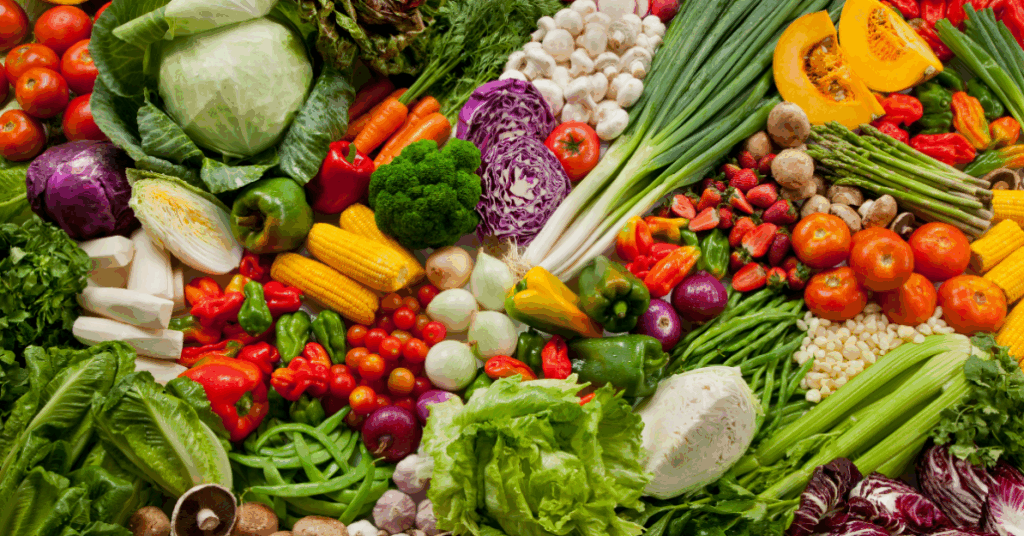
- Tomatoes: Essential for sauces, soups, and salads.
- Bell peppers: Perfect for fajitas, stir-fries, and veggie pizzas.
- Zucchini: Great for lasagna, noodles, and grilled sides.
- Spinach and kale: Ideal for smoothies, wraps, or sautéed dishes.
- Onions and garlic: The base of countless vegetarian recipes.
- Carrots and radishes: Add crunch and color to salads and sandwiches.
- Herbs (basil, cilantro, oregano, thyme): Elevate every dish with fresh aroma and flavor.
Choose crops that suit your region’s climate and growing season. Companion planting — grouping plants that support each other’s growth — can also maximize yield and keep pests away.
🌞 Step 2: Preparing the Soil and Garden Bed
Healthy soil means healthy vegetables. Start by testing your soil’s pH — most veggies thrive in slightly acidic to neutral soil (pH 6.0–7.0). Mix in compost, aged manure, or organic matter to enrich it.
- Raised beds or containers: Perfect for small spaces or urban gardens. They allow for good drainage and easy maintenance.
- Sunlight: Most vegetables need at least 6–8 hours of direct sunlight daily.
- Watering: Keep soil moist but not soggy; use mulch to retain moisture and suppress weeds.
Building fertile, well-drained soil ensures your plants grow strong and yield delicious produce all season long.
🍅 Step 3: Grow, Nurture, and Harvest

- Water consistently: Deep watering encourages roots to grow strong.
- Fertilize naturally: Use compost tea or organic fertilizers to provide nutrients without chemicals.
- Pest control: Encourage beneficial insects like ladybugs, or use natural remedies such as neem oil and garlic spray.
- Harvest at the right time: Picking vegetables when they’re ripe enhances both flavor and texture. For instance, tomatoes should be vibrant and firm, while zucchini should be harvested when it’s around 6–8 inches long for the best taste.
Gardening is a journey of patience and reward. Watching your plants flourish is as satisfying as enjoying them at your dinner table.
🍴 Step 4: Cook What You Grow — Easy Vegetarian Meals
Once your garden is thriving, it’s time to turn your harvest into meals that are as colorful as they are nutritious. Here are a few simple ideas to inspire your kitchen creations:
1. Garden Veggie Stir-Fry
Use your fresh bell peppers, zucchini, onions, and carrots. Sauté them with garlic, ginger, and soy sauce. Serve over rice or noodles for a quick, flavorful dinner.
2. Fresh Tomato Basil Pasta
Blend homegrown tomatoes, garlic, and basil into a light sauce. Toss with spaghetti and a drizzle of olive oil for a true garden-to-table Italian favorite.
3. Zucchini and Spinach Frittata
Whisk fresh eggs with chopped zucchini, spinach, and herbs. Bake or pan-cook for a hearty vegetarian breakfast or brunch.
4. Grilled Veggie Skewers
Thread chunks of bell pepper, onion, zucchini, and cherry tomatoes onto skewers. Brush with olive oil, season, and grill — perfect for summer gatherings.
5. Spinach and Kale Smoothie
Blend spinach or kale with banana, apple, and a splash of almond milk for a quick, energizing breakfast packed with vitamins.
6. Homemade Veggie Pizza
Top a homemade or store-bought crust with tomato sauce, fresh basil, chopped peppers, onions, and zucchini. Bake until crisp for a delicious, plant-based dinner.
Each dish celebrates the flavors of freshly harvested produce — wholesome, vibrant, and made with your own hands.
🌿 Step 5: Preserve Your Harvest
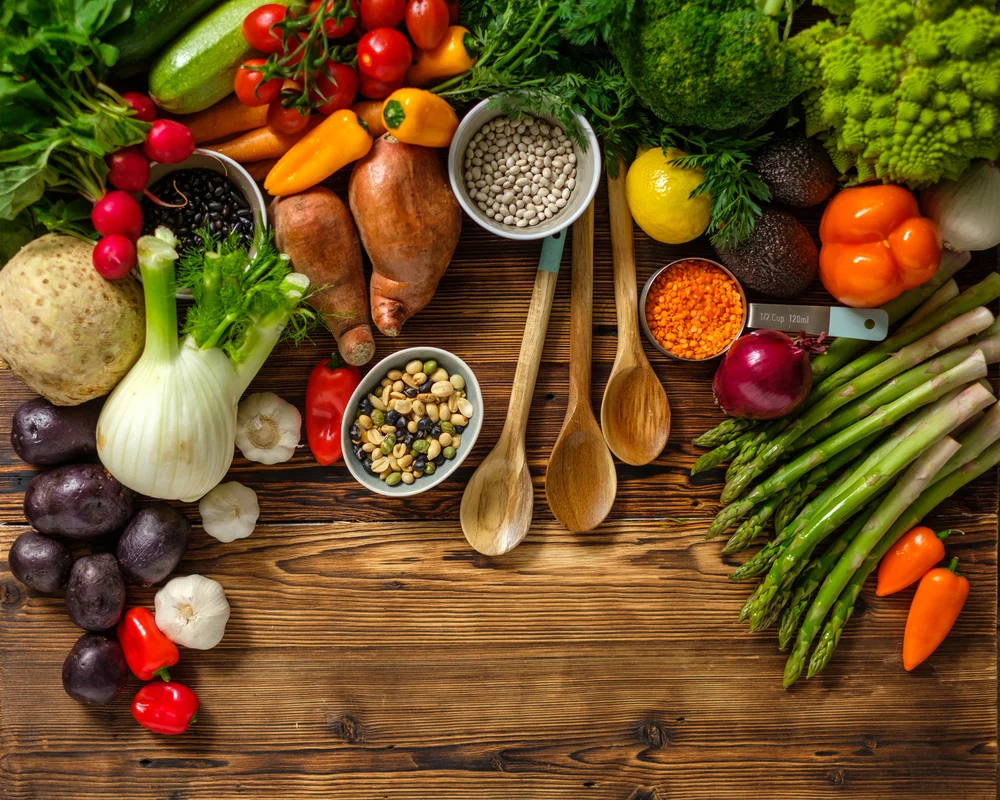
If your garden yields more than you can eat at once, there are many ways to preserve the bounty:
- Freezing: Perfect for herbs, peppers, or blanched greens.
- Drying: Dry herbs like basil, thyme, and oregano to use year-round.
- Pickling: Turn cucumbers, onions, or carrots into tangy sides.
- Canning: Make tomato sauces or veggie soups that last through the winter.
Preserving ensures that your garden continues to nourish you even when the growing season ends.
🌻 Gardening Tips for Success
- Rotate crops each year to prevent soil depletion.
- Add pollinator-friendly plants like marigolds or lavender to attract bees.
- Use kitchen scraps like coffee grounds and vegetable peels for compost.
- Keep a garden journal to track planting dates, yields, and new recipes you try.
These small habits build a deeper connection between your garden and kitchen over time.
🥗 The Joy of Growing and Cooking
When you grow your own food, you gain more than fresh ingredients — you gain confidence, creativity, and gratitude for the earth’s abundance. Every meal becomes a reflection of your effort and care. From sowing seeds to savoring the final dish, each step is a reminder of how rewarding a plant-based lifestyle can be.
Your backyard, no matter the size, can be a constant source of nourishment and inspiration. Whether you’re crafting a warm bowl of vegetable soup or a colorful summer salad, your homegrown ingredients will make every bite taste better — because it’s made by you, for you, and from nature’s finest gifts.
Conclusion: A Garden-Fueled Vegetarian Lifestyle
“Grow and cook” isn’t just a catchy phrase — it’s a philosophy that invites you to live more intentionally, sustainably, and joyfully. By cultivating your backyard garden and using it to prepare easy vegetarian meals, you close the loop between nature and nourishment.
With soil under your nails and fresh produce in your hands, you’ll discover that the best meals don’t come from fancy restaurants — they come from your own backyard, filled with flavor, freshness, and a touch of love.