There’s a certain kind of magic in comfort food — the way a warm, homemade meal can soothe a long day, gather people together, and remind us of the simple joys of life. But what if the comfort began not just in your kitchen, but in your garden?
“Grow What You Cook: Vegetarian Comfort Classics” explores the connection between cultivating your own vegetables and cooking wholesome, meat-free comfort dishes that nourish both body and soul. This garden-to-table approach isn’t just about sustainability; it’s about rediscovering flavor, freshness, and fulfillment through the food you grow and create.
1. The Heart of the Movement: From Soil to Supper
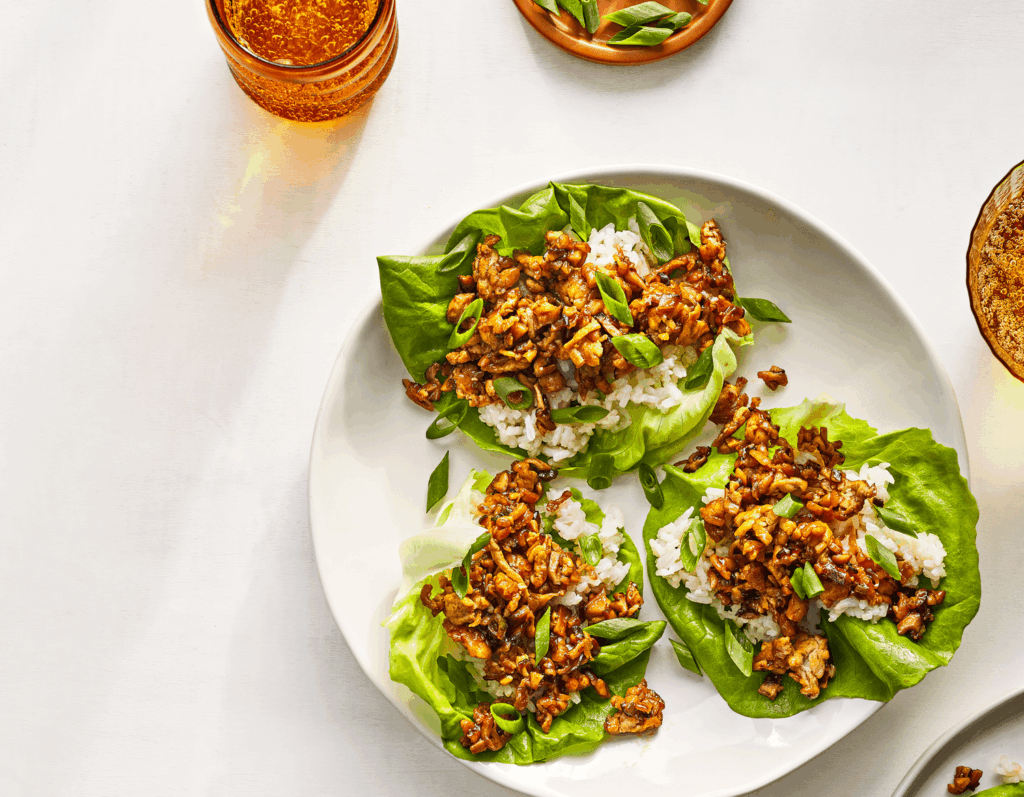
The phrase “grow what you cook” represents more than a culinary idea — it’s a mindful lifestyle. By planting the very ingredients you plan to cook, you close the gap between farm and table, turning everyday meals into celebrations of freshness.
Vegetarian comfort classics like vegetable pot pies, hearty soups, mac and cheese with veggies, and roasted casseroles rely on ingredients that taste best when freshly harvested. When grown at home, produce is naturally more flavorful and nutrient-rich — free from chemicals, excessive packaging, or long transport times.
Growing your own vegetables also builds a deeper relationship with your food. You don’t just eat for nourishment; you eat with gratitude, having witnessed the transformation from seed to meal.
2. Choosing the Right Crops for Comfort Classics

Not all vegetables are created equal when it comes to comfort food. The ideal plants for a vegetarian comfort kitchen are hearty, versatile, and full of flavor — vegetables that blend into stews, roasts, casseroles, and creamy bakes.
Here’s a guide to growing the top comfort-crop essentials for your vegetarian meals:
1. Potatoes: The Foundation of Comfort
Why They’re a Must:
Few ingredients define comfort like the potato. From mashed and baked to layered in casseroles or stews, potatoes add heartiness to vegetarian dishes.
How to Grow:
- Soil: Loose, well-drained soil enriched with compost.
- Sunlight: Full sun.
- Planting Time: Early spring, using seed potatoes.
- Watering: Keep soil moist but not waterlogged.
- Harvest Tip: Wait for the plant’s leaves to yellow before digging up tubers.
Dish Ideas: Mashed potato shepherd’s pie, creamy potato bake, or roasted veggie medley.
2. Carrots: The Sweet Earthy Touch

Why They’re a Must:
Carrots add natural sweetness and color to soups, stews, and casseroles. They also retain their flavor when slow-cooked, making them ideal for hearty comfort dishes.
How to Grow:
- Soil: Loose and stone-free for straight roots.
- Sunlight: Full sun to partial shade.
- Planting Time: Early spring or late summer.
- Watering: Consistent moisture for tender roots.
- Harvest Tip: Pull when roots are about ¾ inch thick and vibrant in color.
Dish Ideas: Roasted carrot soup, vegetable pot pie, or glazed carrots with herbs.
3. Tomatoes: The Rich, Tangy Base
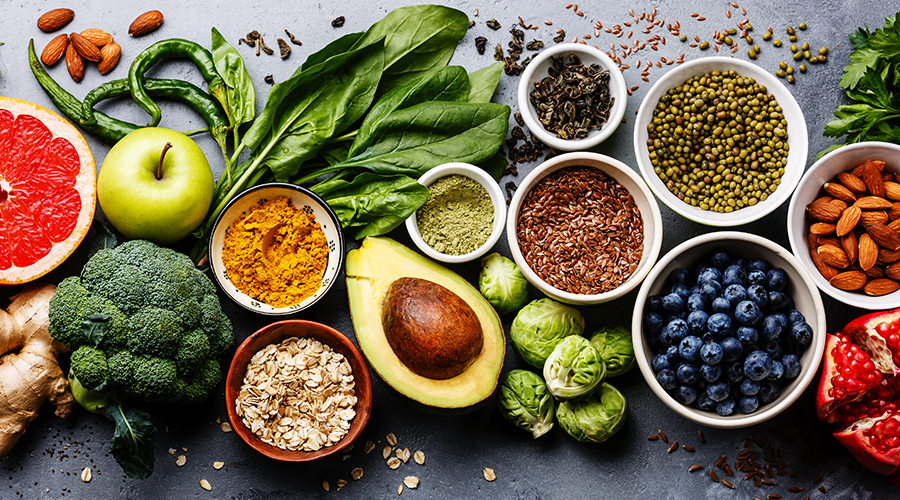
Why They’re a Must:
Tomatoes are the foundation of many comfort foods — from pasta sauces to baked lasagnas and chili macs. Homegrown tomatoes offer unmatched flavor and sweetness.
How to Grow:
- Soil: Rich, well-draining with compost.
- Sunlight: At least 6–8 hours daily.
- Planting Time: After frost danger passes.
- Watering: Deep watering 2–3 times weekly.
- Harvest Tip: Pick when fully red and slightly soft.
Dish Ideas: Tomato-basil pasta bake, cheesy eggplant parmesan, or veggie chili mac.
4. Peas and Beans: The Protein Power Pair
Why They’re a Must:
For vegetarian cooking, legumes are essential for adding protein, fiber, and a satisfying texture. Fresh peas sweeten casseroles, while beans enrich chili and stews.
How to Grow:
- Soil: Fertile, well-draining.
- Sunlight: Full sun.
- Planting Time: Spring for peas; late spring for beans.
- Care: Provide support for climbing varieties.
- Harvest Tip: Pick regularly to encourage new pods.
Dish Ideas: Lentil shepherd’s pie, green bean casserole, or bean-and-veggie chili.
5. Leafy Greens: The Nutritious Layer
Why They’re a Must:
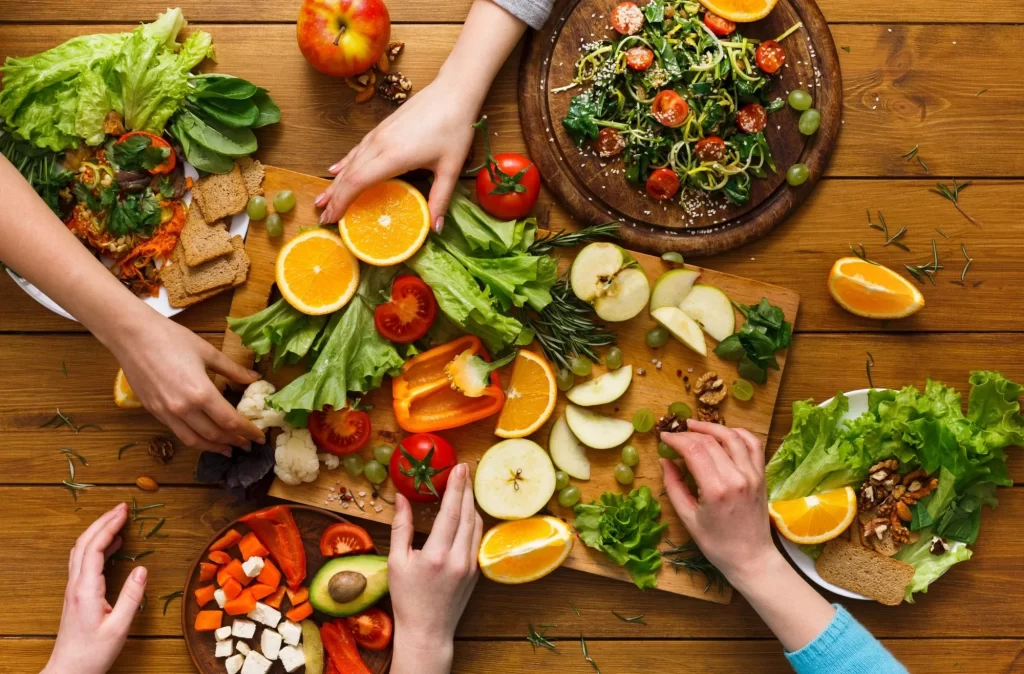
Spinach, kale, and Swiss chard are nutritional stars. They bake beautifully into lasagnas, casseroles, and creamy pasta dishes while adding vitamins and texture.
How to Grow:
- Soil: Rich, moist, and compost-heavy.
- Sunlight: Morning sun, afternoon shade.
- Planting Time: Early spring or fall.
- Watering: Regular moisture without soaking.
- Harvest Tip: Pick outer leaves to keep plants producing longer.
Dish Ideas: Spinach lasagna, creamy kale gratin, or vegetable quiche.
6. Onions and Garlic: The Flavor Builders
Why They’re a Must:
Onions and garlic are the unsung heroes of comfort food, forming the aromatic base for nearly every savory dish.
How to Grow:
- Onions: Plant bulbs in early spring.
- Garlic: Plant cloves in the fall for summer harvest.
- Sunlight: Full sun.
- Soil: Fertile and well-draining.
- Harvest Tip: Pull when tops fall and dry slightly.
Dish Ideas: French onion soup, garlic mashed potatoes, or roasted vegetable casseroles.
3. Designing a “Comfort Food Garden”
A comfort food garden focuses on practicality — growing a balanced mix of root crops, leafy greens, and herbs that work in everyday cooking.
Layout Tips:
- Section 1: Root vegetables (potatoes, carrots, onions).
- Section 2: Leafy greens (spinach, kale, lettuce).
- Section 3: Fruit crops (tomatoes, peas, peppers).
- Section 4: Herbs (basil, thyme, oregano).
Companion Planting:
- Tomatoes love basil and carrots nearby.
- Peppers pair well with onions and marigolds.
- Avoid planting beans near onions — they compete for nutrients.
Maintenance Tips:
- Mulch beds to retain moisture.
- Compost kitchen scraps to feed soil naturally.
- Rotate crops yearly to avoid nutrient depletion and pests.
4. Cooking What You Grow: Turning Produce into Comfort Classics
Once your garden begins to flourish, the kitchen becomes the next step of your harvest journey. Here’s how to turn your fresh produce into classic vegetarian comfort dishes.
Recipe 1: Homegrown Veggie Shepherd’s Pie
Ingredients:
- 3–4 homegrown potatoes
- 1 cup mixed garden veggies (carrots, peas, beans)
- 1 onion and 2 cloves garlic
- 1 tbsp olive oil
- 1 cup vegetable broth
- 1 tbsp flour (for thickening)
- Herbs: thyme, rosemary, or parsley
Instructions:
- Sauté onions and garlic until golden.
- Add chopped veggies, herbs, and broth; simmer until tender.
- Mash potatoes with butter and salt.
- Layer the vegetable filling in a baking dish, top with mashed potatoes.
- Bake at 400°F (200°C) for 25–30 minutes until golden.
Result: A hearty, comforting meal that’s 100% plant-based and packed with homegrown flavor.
Recipe 2: Tomato-Basil Pasta Bake
Ingredients:
- 2 cups cooked pasta
- 2–3 homegrown tomatoes, crushed
- 1 onion, diced
- Fresh basil and oregano
- ½ cup cheese or plant-based alternative
- Olive oil, salt, and pepper
Instructions:
- Cook onions and tomatoes until soft.
- Add herbs and toss with cooked pasta.
- Transfer to a casserole dish, sprinkle cheese, and bake until bubbly.
Result: A classic baked dish that tastes like summer in your garden — rich, tangy, and satisfying.
Recipe 3: Creamy Spinach and Carrot Gratin
Ingredients:
- 2 cups fresh spinach
- 1 cup sliced carrots
- 1 cup milk or cream
- ½ cup shredded cheese
- 1 tbsp flour, 1 tbsp butter
- Nutmeg, salt, and pepper
Instructions:
- Steam carrots and spinach until tender.
- Make a light cream sauce with butter, flour, and milk.
- Combine veggies with sauce, pour into a dish, top with cheese.
- Bake until the top is golden and slightly crisp.
Result: A creamy, vegetable-rich gratin — the epitome of homegrown comfort.
5. Beyond the Table: The Deeper Rewards of Growing What You Cook
Cooking from your garden doesn’t just nourish your body — it nurtures your mind and environment too.
Health Benefits:
- Fresher, chemical-free produce.
- Higher vitamin content and flavor.
- Encourages balanced, plant-forward eating.
Environmental Benefits:
- Reduced packaging and carbon footprint.
- Composting and organic gardening improve soil health.
- Pollinator-friendly flowers boost biodiversity.
Emotional Benefits:
- Gardening offers calm, mindfulness, and a sense of purpose.
- Cooking with your harvest strengthens creativity and gratitude.
- Sharing meals with family builds connection through food.
6. The Final Harvest: A Celebration of Simplicity and Sustainability
“Grow What You Cook: Vegetarian Comfort Classics” is more than a thesis title — it’s a lifestyle manifesto. It celebrates a return to simplicity, where you cultivate not just vegetables, but self-sufficiency, wellness, and joy.
By growing what you cook, you become part of the natural cycle — sowing, tending, harvesting, and savoring. Every pot of soup, every bubbling casserole, and every roasted tray of garden vegetables becomes a small victory of patience, care, and creativity.
So dig into the soil, plant your favorite seeds, and cook from your harvest. Because when your comfort food starts in the garden, it doesn’t just fill your stomach — it fills your soul. 🌱🥕🥔🍅