In today’s fast-paced world, convenience often overshadows quality when it comes to food. Packaged snacks, processed meals, and takeout may save time, but they rarely offer the nutrients or freshness our bodies truly crave. The growing movement toward plant-based living is changing this narrative, encouraging people to return to whole, natural foods — and even better, to grow them at home.
Imagine stepping outside your kitchen and picking fresh tomatoes, crisp spinach, or aromatic herbs to create a meal bursting with color and vitality. This is the beauty of eating fresh from the garden — meals that nourish body and soul, combining sustainability, wellness, and flavor in one fulfilling lifestyle.
This article explores the nutritional, environmental, and emotional benefits of cultivating a home garden and how to turn your harvest into delicious, plant-based dishes that radiate health and freshness.
The Power of Plant-Based Nutrition
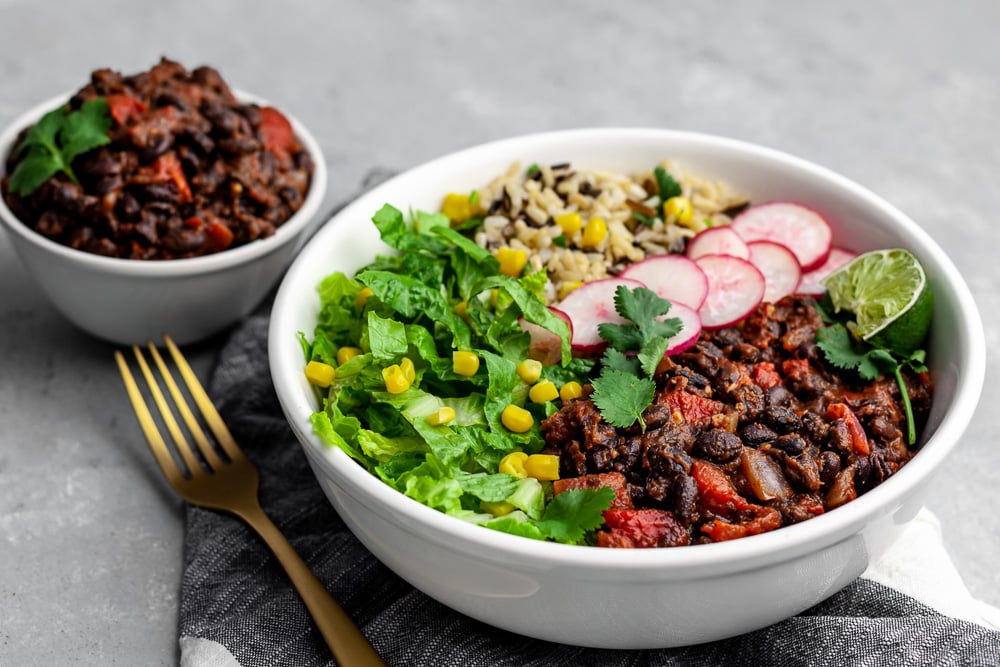
A plant-based diet emphasizes vegetables, fruits, grains, nuts, seeds, and legumes — foods naturally rich in vitamins, minerals, fiber, and antioxidants. Unlike processed alternatives, these foods provide clean energy while protecting against lifestyle diseases such as heart issues, diabetes, and obesity.
Nutritional Highlights of Plant-Based Eating:
- High Fiber: Promotes digestion, satiety, and healthy gut bacteria.
- Rich in Antioxidants: Fights free radicals and supports skin health.
- Low in Saturated Fat: Reduces cholesterol and inflammation.
- Abundant in Micronutrients: Supplies essential vitamins and minerals that maintain body balance.
When grown at home, these foods are even more potent — free from chemicals, harvested at peak ripeness, and brimming with natural goodness.
Why “Fresh from the Garden” Matters

The freshness of produce plays a vital role in its nutrient content. Once vegetables are harvested, their vitamin levels — especially vitamins C and B — start to decline rapidly. Supermarket produce often travels long distances, losing both nutrition and flavor along the way.
By contrast, homegrown vegetables can go from soil to plate in minutes. You control the growing process, ensuring they are free from synthetic fertilizers and pesticides. The result: cleaner, tastier, and more vibrant meals.
Moreover, gardening connects you directly with your food. Every seed sown, every sprout tended, reminds you of the care that sustains life — turning your meals into celebrations of effort, gratitude, and nourishment.
The Foundation: Building Your Home Garden
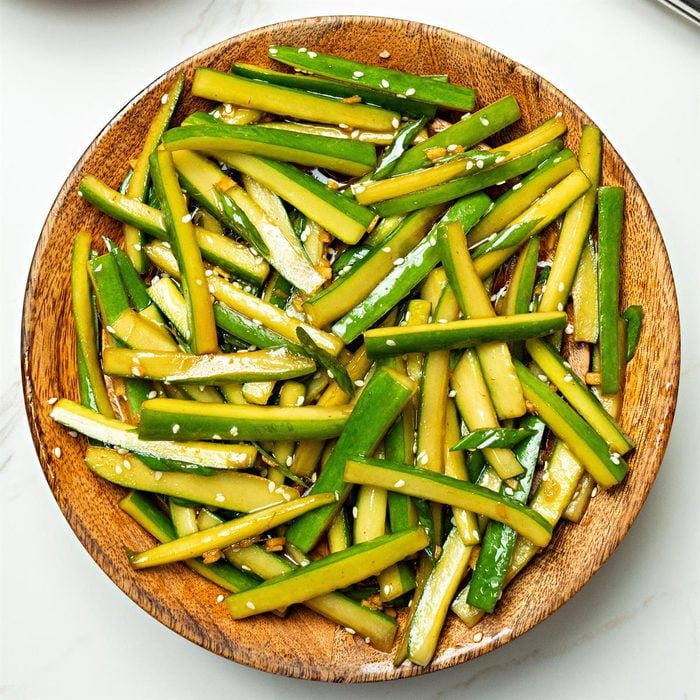
Whether you have a backyard or a sunny balcony, you can cultivate ingredients for nutritious plant-based meals. Here’s how to get started:
1. Choosing the Right Space
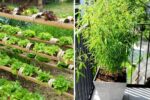
Find a spot with at least 5–6 hours of sunlight daily. Containers, raised beds, or hanging planters can work equally well.
2. Preparing the Soil
Healthy soil is the secret to healthy food. Mix garden soil with compost and coco peat in equal parts. Compost made from kitchen scraps enriches the soil naturally.
3. Selecting Your Crops
Start with easy, nutrient-dense plants:
- Leafy Greens: Spinach, kale, lettuce, and fenugreek
- Fruiting Vegetables: Tomatoes, bell peppers, and eggplants
- Root Vegetables: Carrots, beets, and radishes
- Herbs: Basil, coriander, mint, and parsley
4. Water and Care
Water early in the morning to avoid evaporation. Keep the soil moist but not soggy, and trim dead leaves to encourage growth.
Garden-to-Table Goodness: Nutritious Plant-Based Meals
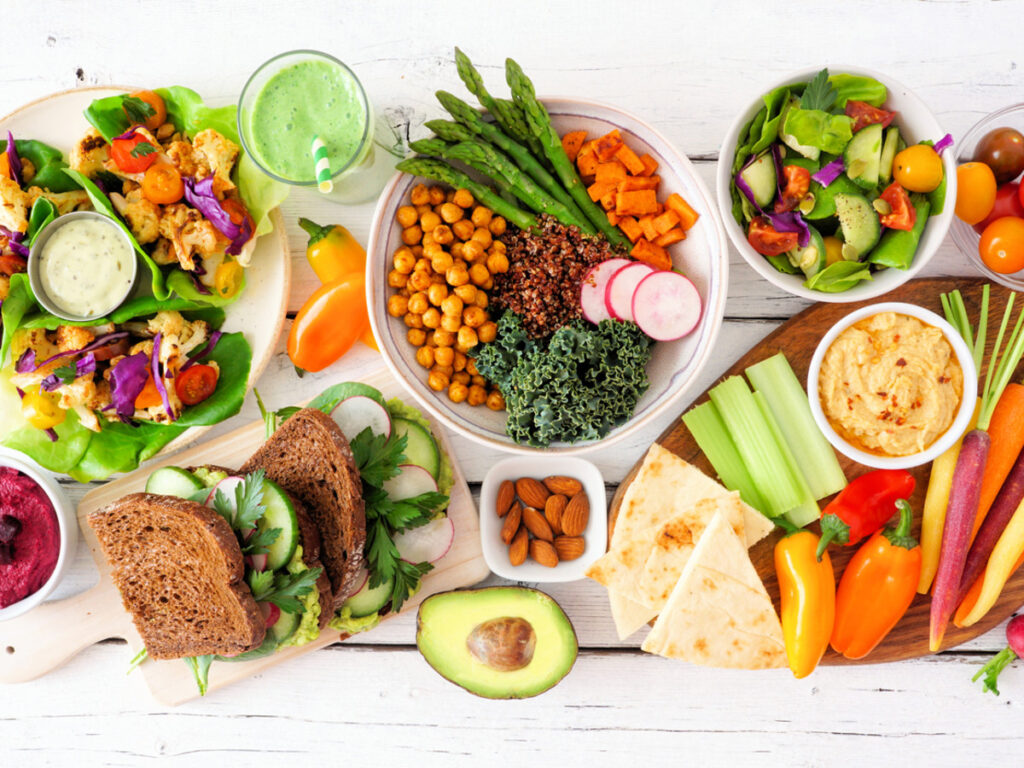
Now that you have your fresh produce, let’s transform it into flavorful, health-packed meals. Below are some ideas that showcase the diversity of garden-grown ingredients.
1. Morning Glow Smoothie
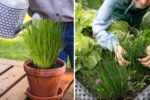
Main Ingredients: Spinach, mint, banana, and cucumber.
How to Make:
Blend a handful of spinach leaves, a small cucumber, one banana, and a few mint leaves. Add coconut water or almond milk and blend until smooth.
Why It’s Great:
Spinach and mint provide iron and antioxidants, while banana offers potassium for energy. This smoothie hydrates, detoxifies, and energizes your body — a perfect start to a plant-based day.
2. Garden Fresh Buddha Bowl
Main Ingredients: Quinoa, kale, roasted sweet potatoes, chickpeas, and avocado.
How to Make:
Layer cooked quinoa with chopped kale, roasted sweet potatoes, and spiced chickpeas. Add avocado slices and drizzle with tahini-lemon dressing.
Why It’s Great:
This bowl is a complete meal — rich in protein, fiber, and healthy fats. The combination keeps you full for hours, balancing blood sugar and supporting muscle repair.
3. Tomato Basil Soup
Main Ingredients: Fresh tomatoes, basil, garlic, and carrots.
How to Make:
Sauté chopped garlic and carrots in olive oil, add chopped tomatoes and simmer until soft. Blend, then stir in freshly chopped basil and season with salt and pepper.
Why It’s Great:
Tomatoes provide lycopene — an antioxidant linked to heart health — while basil adds a dose of anti-inflammatory compounds. This soup is soothing, light, and perfect for a nutritious lunch.

4. Zucchini Stir-Fry with Peppers

Main Ingredients: Zucchini, bell peppers, ginger, and sesame seeds.
How to Make:
Sauté sliced zucchini and bell peppers in olive oil with grated ginger. Sprinkle sesame seeds and a dash of soy sauce. Serve with brown rice or noodles.
Why It’s Great:
This dish is packed with vitamins A and C, which support immunity and skin health. Zucchini’s high water content aids hydration and digestion.
5. Beetroot and Carrot Wraps
Main Ingredients: Beets, carrots, cabbage, and whole wheat tortillas.
How to Make:
Grate beets and carrots, toss with lemon juice and salt. Layer in a whole wheat wrap with fresh cabbage and a drizzle of yogurt-mint dressing.
Why It’s Great:
Beets improve blood circulation and stamina, while carrots provide beta-carotene for healthy skin and vision. This vibrant meal is as visually appealing as it is nourishing.
6. Green Lentil Curry with Fenugreek Leaves
Main Ingredients: Green lentils (moong dal) and fresh fenugreek (methi).
How to Make:
Cook lentils with turmeric and salt. In another pan, sauté garlic, onions, and chopped fenugreek leaves, then combine with the cooked lentils.
Why It’s Great:
This dish is rich in plant-based protein and iron. Fenugreek helps regulate blood sugar, while lentils offer energy and essential amino acids — making it a staple for a vegetarian diet.
7. Cucumber Mint Cooler
Main Ingredients: Cucumber, mint, lemon, and a pinch of rock salt.
How to Make:
Blend cucumber and mint with lemon juice and chilled water. Add salt to taste and serve fresh.
Why It’s Great:
A natural detox drink that cools the body, hydrates the skin, and supports digestion. Perfect for hot days or post-gardening refreshment.
The Wellness Connection: Mind, Body, and Garden
Beyond physical nourishment, a garden brings emotional balance and mindfulness. Studies have shown that gardening reduces stress, improves mood, and boosts overall life satisfaction. The rhythmic acts of watering, pruning, and harvesting foster patience and mindfulness — qualities that naturally extend to cooking and eating habits.
When you eat from your garden, you experience food as more than fuel — it becomes a reflection of your care, creativity, and connection to the earth. Every meal becomes an act of gratitude.
Sustainability: The Bigger Picture
A home garden contributes not just to personal health but also to planetary well-being. Industrial agriculture and food transport are major sources of greenhouse gases. By growing your own produce, you reduce food miles, minimize packaging waste, and encourage biodiversity by attracting pollinators like bees and butterflies.
Composting kitchen scraps completes the cycle — turning waste into life-giving soil. This small act symbolizes the sustainability at the heart of plant-based living: giving back to the earth that nourishes you.
From Hobby to Lifestyle
The journey from planting seeds to harvesting meals cultivates more than vegetables — it nurtures a new way of living. You learn to:
- Eat seasonally: Nature provides what your body needs each season.
- Respect food: Knowing the effort behind every leaf reduces waste.
- Live mindfully: Gardening teaches patience and presence.
- Share abundance: Extra produce can nourish friends, family, or neighbors.
Over time, this practice transforms into a lifestyle — one rooted in growth, gratitude, and green living.
Conclusion: Let the Garden Feed Your Glow
“Fresh from the Garden” isn’t just a phrase — it’s a philosophy of health, sustainability, and joy. Growing and preparing your own plant-based meals creates a loop of nourishment: you care for the earth, and it cares for you in return.
Every harvest is a reward, every meal a celebration of freshness. Whether you’re sipping a spinach smoothie, tossing a garden salad, or stirring a pot of homegrown soup, you’re participating in a timeless exchange — between soil, seed, and spirit.
In a world where wellness often feels complicated, your garden reminds you that health can be simple. You don’t need fancy supplements or diets; you just need to plant, nurture, and eat close to nature.
So, step outside, dig your hands into the soil, and let your garden become your kitchen. Because when your meals come fresh from the garden, every bite nourishes not just your body, but your whole being. 🌿