In today’s world, where fast food and processed meals dominate the dinner table, eating enough vegetables has become a challenge for many people. Despite knowing their importance, most of us fall short of the recommended daily servings of fruits and vegetables. The reasons vary — from limited access to fresh produce to high grocery prices or simply lack of motivation. But what if the secret to eating more vegetables was as simple as growing them yourself?
A home vegetable garden transforms the way you see food. It reconnects you with nature, encourages healthier eating habits, and makes every meal fresher and more flavorful. More than just a hobby, growing your own food becomes a lifestyle that blends wellness, sustainability, and joy.
This article explores how cultivating your own vegetables can naturally lead you to eat more of them — and how to start your own productive, easy-to-manage garden for better nutrition and better living.
Why People Don’t Eat Enough Vegetables
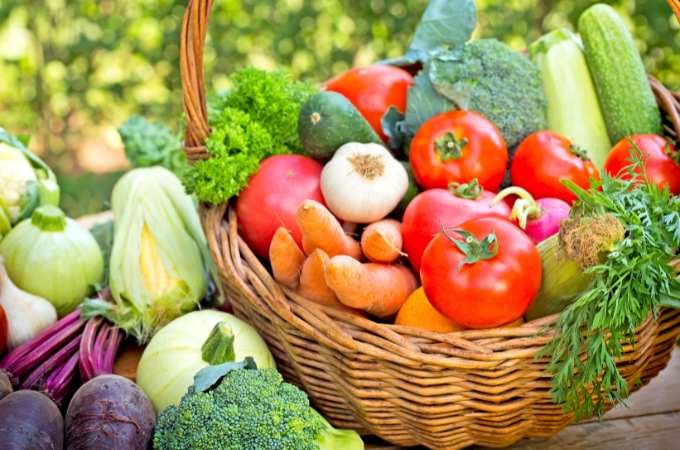
Despite widespread awareness of the benefits of plant-based eating, most people still struggle to include vegetables in their daily meals. Common barriers include:
- Convenience: Processed and fast foods are quicker options for busy lives.
- Cost: Fresh produce can be expensive, especially organic or seasonal vegetables.
- Taste Preferences: Many people find vegetables less appealing due to bland preparation or poor quality.
- Accessibility: Not everyone has easy access to fresh, locally grown vegetables.
A home garden directly addresses all of these challenges. It puts fresh, flavorful, and affordable vegetables within arm’s reach, inspiring you to eat more of them every day.
The Garden Effect: Why Growing Encourages Eating
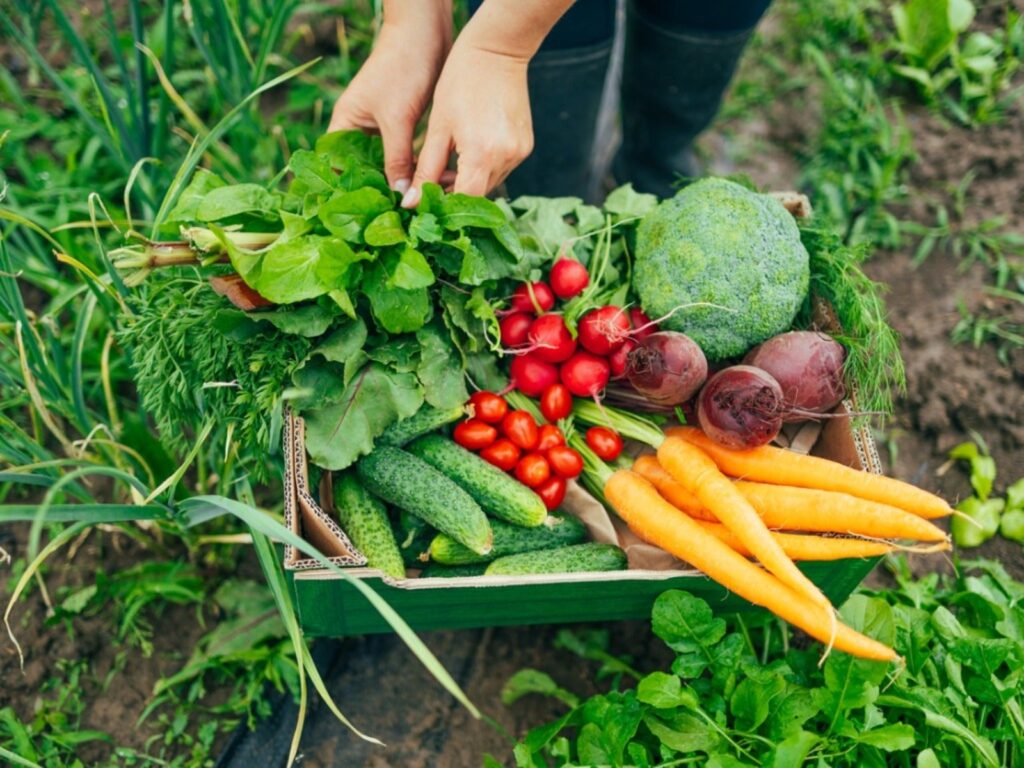
There’s a powerful psychological and emotional connection between growing and consuming your own food. Here’s why:
1. You Appreciate What You Grow
When you’ve spent time planting, watering, and nurturing a vegetable, you naturally feel excited to cook and eat it. That sense of pride and ownership increases your desire to include vegetables in your meals.
2. The Produce Is Always Fresh and Available
Having a garden means you have instant access to nutritious vegetables. When fresh greens are just a few steps away, it becomes effortless to toss them into every meal.
3. Garden Vegetables Taste Better
Homegrown produce is harvested at peak ripeness, unlike store-bought vegetables that are picked early and shipped long distances. The superior taste of garden-fresh vegetables encourages regular consumption.
4. Variety Promotes Curiosity
Growing your own food introduces you to vegetables you might not buy otherwise — from colorful bell peppers and heirloom tomatoes to leafy greens and herbs. This variety naturally expands your diet.
5. Kids (and Adults) Eat What They Grow
Gardening is a powerful tool to encourage children — and even adults — to eat vegetables. When they take part in growing food, they’re far more likely to try and enjoy it.
Health Benefits of Eating More Vegetables
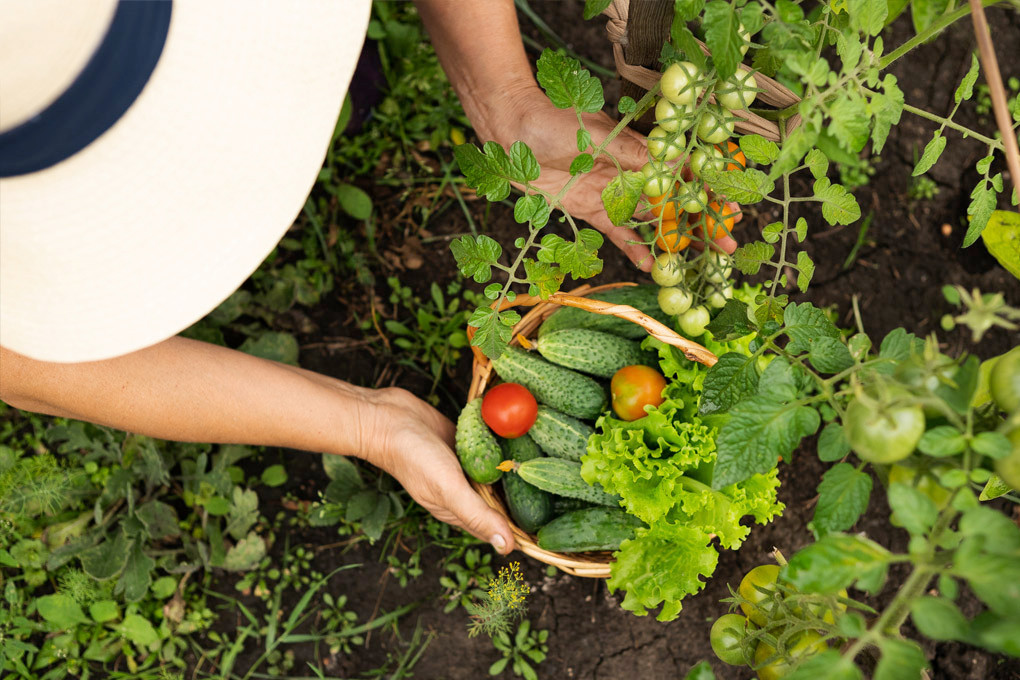
The benefits of increasing your vegetable intake are well-documented and profound. Vegetables are nutrient powerhouses that provide essential vitamins, minerals, and fiber while being low in calories and fat.
1. Disease Prevention
A diet rich in vegetables reduces the risk of chronic diseases such as heart disease, diabetes, and certain cancers. Antioxidants found in vegetables combat oxidative stress and inflammation.
2. Improved Digestion
The fiber in vegetables promotes healthy digestion, regulates blood sugar, and prevents constipation.
3. Weight Management
Vegetables are naturally low in calories but high in volume, helping you feel full and satisfied without overeating.
4. Better Skin and Energy
Vitamins like A, C, and E from fresh vegetables contribute to glowing skin, while iron and magnesium support steady energy levels.
By growing your own, you make it easy — and even enjoyable — to reap these benefits daily.
How to Start Growing Your Own Vegetables
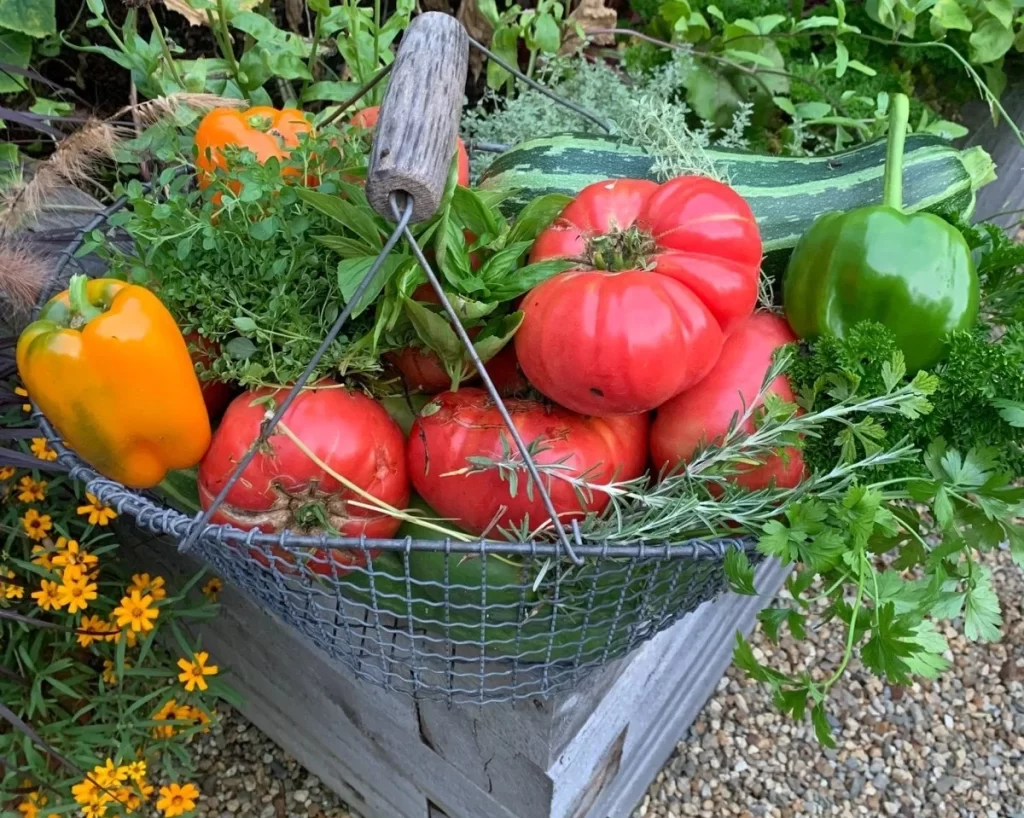
You don’t need a large backyard or professional tools to grow your own vegetables. Whether you live in a house or an apartment, you can start small and expand as you gain confidence.
1. Choose the Right Location
Select a spot that receives at least 5–6 hours of sunlight daily. Balconies, terraces, and window ledges are all suitable if they get enough light.
2. Pick Easy-to-Grow Vegetables
Begin with hardy, fast-growing plants that thrive with minimal effort:
- Leafy Greens: Spinach, lettuce, kale, and fenugreek
- Fruiting Vegetables: Tomatoes, bell peppers, and chillies
- Root Vegetables: Carrots, radishes, and beets
- Herbs: Basil, coriander, mint, and parsley
These grow quickly and can be harvested multiple times, giving you quick success and constant motivation.
3. Prepare the Soil
Healthy soil means healthy food. Mix garden soil with compost and coco peat in equal parts. Compost made from kitchen scraps (like vegetable peels or fruit waste) enriches your soil naturally.
4. Watering and Care
Water regularly but avoid overwatering. Most vegetables prefer slightly moist soil. Early morning or late evening watering reduces evaporation and helps plants absorb moisture efficiently.
5. Pest Management
Use natural pest control solutions such as neem oil spray, garlic water, or companion planting (e.g., growing basil near tomatoes to deter insects). Avoid chemical pesticides to keep your produce truly organic.
6. Regular Harvesting
Harvest vegetables when they’re ripe. Frequent picking encourages plants to produce more. Leafy greens can be harvested continuously, giving you a fresh supply for weeks.
Turning Harvests into Healthy Meals
Once your garden begins to flourish, eating more vegetables becomes natural — even irresistible. Here are some simple ways to incorporate your fresh produce into daily meals:
1. Breakfast Boost
Start your day with a spinach-and-tomato omelet or a green smoothie with kale, banana, and mint. The freshness adds both flavor and energy.
2. Lunch That Powers You
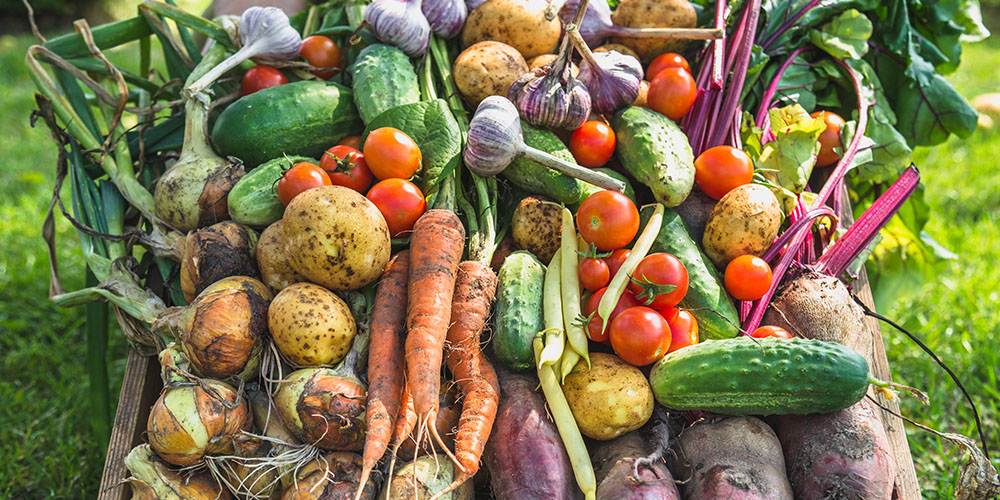
Prepare a hearty garden salad with lettuce, cucumbers, carrots, and herbs. Add lentils or chickpeas for plant-based protein.
3. Comforting Dinners
Use your homegrown vegetables in dishes like vegetable stir-fries, soups, or pasta loaded with tomatoes, zucchini, and bell peppers.
4. Healthy Snacks
Roast homegrown beets or sweet potatoes for a satisfying, nutrient-packed snack. Fresh herbs can also elevate homemade dips or hummus.
5. Fresh Juices and Infusions
Mint, basil, or cucumber from your garden can make refreshing drinks that keep you hydrated and help you cut back on sugary beverages.
When vegetables come from your own effort and soil, cooking stops feeling like a chore — it becomes a creative, nourishing ritual.
The Mental and Emotional Benefits of Gardening
The benefits of growing your own food extend far beyond physical health. Gardening nurtures mental and emotional well-being too.
- Stress Relief: Spending time with plants reduces anxiety and promotes mindfulness.
- Sense of Accomplishment: Watching a seed grow into a plant and finally onto your plate gives immense satisfaction.
- Connection to Nature: In an increasingly digital world, gardening reconnects us with the natural rhythms of life.
- Family Bonding: Gardening is a great activity for families — especially for teaching children about food, patience, and care.
This emotional connection makes it easier and more enjoyable to maintain the habit of eating vegetables — not because you “should,” but because you want to.
Sustainability and Cost Savings
A DIY vegetable garden doesn’t just benefit you — it helps the environment and your wallet.
- Reduces Food Waste: You harvest only what you need, reducing spoilage.
- Saves Money: A small packet of seeds can produce months’ worth of vegetables.
- Eliminates Packaging: No plastic bags, boxes, or wrappers needed.
- Lowers Carbon Footprint: Growing locally means fewer transport emissions and less reliance on industrial farming.
Your garden becomes a small but powerful act of sustainability — feeding both you and the planet.
Staying Consistent: Making It a Lifestyle
The key to eating more vegetables isn’t just availability — it’s consistency. Here are some tips to make gardening and healthy eating part of your lifestyle:
- Plan Seasonal Crops: Grow vegetables suited to each season for continuous harvests.
- Batch Cook and Store: Prepare soups, stir-fries, and salads in batches to make healthy eating convenient.
- Share the Harvest: Give surplus produce to friends or neighbors — it strengthens community bonds and motivates you to keep growing.
- Experiment in the Kitchen: Try new recipes with your harvest to keep meals exciting.
- Celebrate Every Harvest: Take pride in even the smallest yield — each vegetable grown is a step toward better health.
Conclusion: Plant the Seeds of a Healthier You
Eating more vegetables doesn’t have to be forced — it can be joyful, affordable, and deeply fulfilling. Growing your own vegetables transforms your relationship with food. It brings freshness, flavor, and nutrition into your daily routine while cultivating gratitude and mindfulness.
By starting a small garden — even with just a few pots of spinach or herbs — you create a natural incentive to eat more greens. Over time, you’ll find that homegrown food doesn’t just nourish your body — it nourishes your lifestyle, mindset, and connection to the earth.
So start today: plant a seed, water it with care, and watch your meals — and health — flourish. Because when you grow your own vegetables, you don’t just eat more of them — you eat better, live healthier, and feel happier. 🌿