There’s something deeply satisfying about stepping into your backyard, digging into the soft soil, and unearthing fresh, golden potatoes grown by your own hands. For veggie lovers and home gardeners alike, the potato is more than just a staple—it’s a symbol of nourishment, sustainability, and culinary creativity. This versatile root vegetable can transform from a simple garden crop into the star of countless vegetarian meals, offering comfort, nutrition, and flavor in every bite.
In this article, “Backyard Harvest: Potatoes for Every Veggie Lover,” we’ll explore how to cultivate potatoes successfully at home and how to turn your harvest into wholesome, plant-based dishes that bring the garden to your table.
1. Why Potatoes Deserve a Place in Every Veggie Lover’s Garden
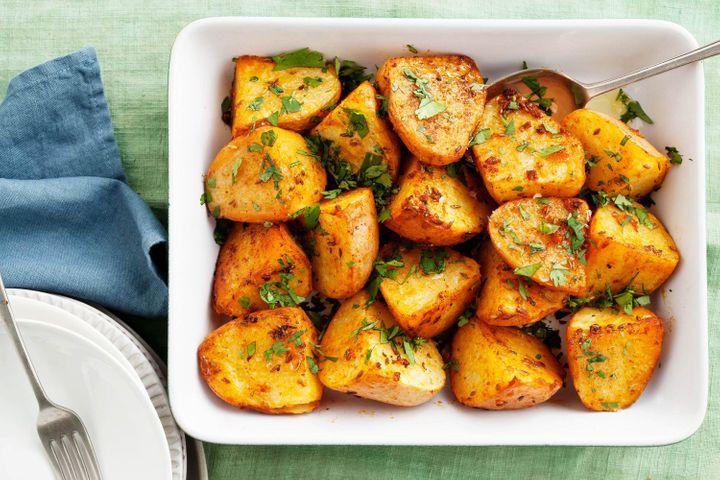
Potatoes are one of the easiest and most rewarding crops to grow, making them perfect for home gardeners. They adapt well to small spaces, containers, and traditional garden beds alike. More importantly, they fit beautifully into vegetarian and vegan diets because of their rich nutritional value and versatility in cooking.
Nutritional Benefits:
- Energy-Rich: A great source of complex carbohydrates that keep you full and energized.
- High in Potassium and Vitamin C: Essential for heart health and immunity.
- Naturally Fat-Free and Cholesterol-Free: Perfect for low-fat vegetarian meals.
- Excellent Source of Fiber: Especially when eaten with the skin on.
For vegetarians who often rely on plant-based proteins and complex carbs, potatoes serve as a nutritious, grounding ingredient that complements legumes, grains, and greens perfectly.
2. Preparing Your Backyard for Potato Cultivation
Potatoes thrive in well-drained, fertile soil and require ample sunlight. Whether you have a spacious garden or a small patch of land, you can set up a thriving potato bed with minimal effort.
Ideal Conditions:
- Sunlight: 6–8 hours of direct light daily.
- Soil Type: Loose, loamy soil with good drainage.
- pH Level: Slightly acidic (5.0–6.5).
- Temperature: Ideal growing range is between 15°C–25°C.
Soil Preparation Steps:
- Loosen the soil to about 25–30 cm deep.
- Mix in organic compost or aged manure to enrich the soil.
- Avoid synthetic fertilizers—they promote quick but weak growth.
- Water thoroughly before planting to ensure the soil is moist but not soggy.
If your garden space is limited, potatoes can easily be grown in grow bags, barrels, or large pots. Container growing allows for better soil control and fewer pests.
3. Choosing the Best Potato Varieties for Your Garden
Different varieties of potatoes are suited to different culinary uses. Choosing wisely ensures your harvest matches your cooking preferences.
| Variety | Type | Best For |
|---|---|---|
| Yukon Gold | Maincrop | Roasting, mashing, and stews |
| Red Pontiac | Early | Salads and curries |
| Kennebec | All-purpose | Frying, boiling, and baking |
| Fingerling | Specialty | Roasting and gourmet dishes |
| Russet Burbank | Maincrop | Baking and fries |
Early varieties mature faster, making them perfect for quick harvests, while maincrop varieties yield larger potatoes for long-term storage.
4. Planting Potatoes: Step-by-Step
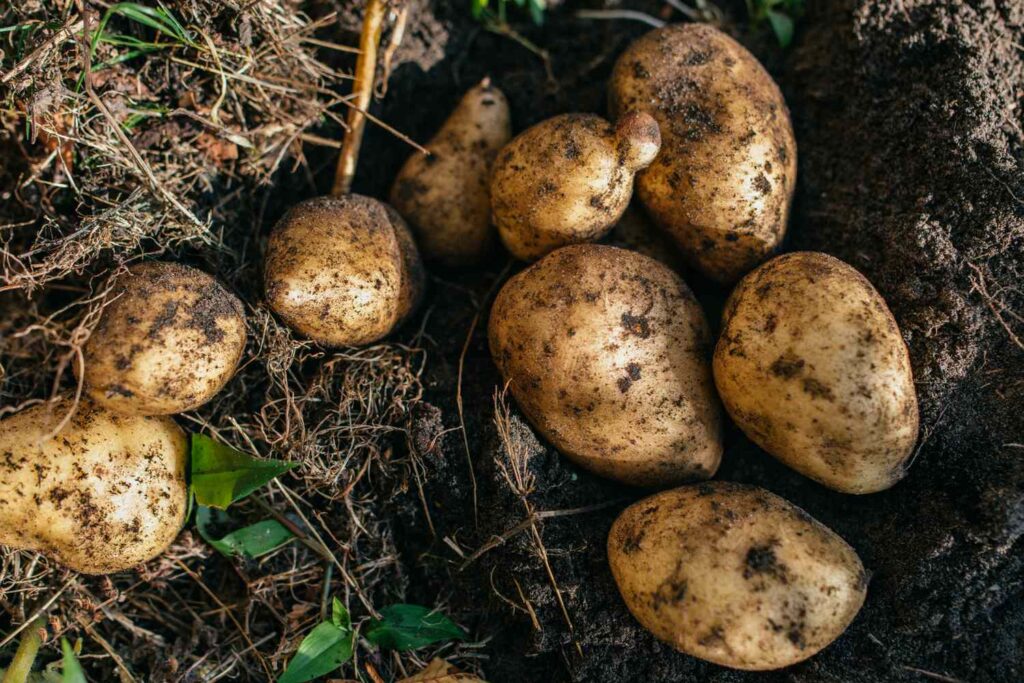
Step 1: Prepare the Seed Potatoes
- Buy certified, disease-free seed potatoes.
- Cut large ones into small pieces, each with at least one “eye.”
- Let them dry for a day or two before planting to prevent rot.
Step 2: Planting
- Dig trenches about 10–12 cm deep.
- Space each seed potato about 30 cm apart, with 60 cm between rows.
- Cover lightly with soil and water well.
For containers: Fill the bottom third with soil, place 3–4 seed potatoes, and cover them with another 10 cm of soil.
Step 3: Hilling
As the plants grow about 20 cm tall, add more soil or compost around the base to cover the lower stems. This encourages more tuber growth and prevents sunlight from turning the potatoes green. Repeat every 2–3 weeks.
Step 4: Watering and Care
Potatoes need consistent moisture, especially during flowering, when tubers form.
- Water deeply once or twice a week.
- Avoid waterlogging; it causes rot.
- Use mulch or straw to retain moisture and keep weeds away.
5. Managing Pests and Diseases Naturally
Homegrown potatoes can occasionally face pest attacks or diseases, but natural remedies help keep your crop safe and chemical-free.
Common Potato Pests:
- Aphids: Spray with diluted neem oil or soap water.
- Potato Beetles: Handpick them early in the morning.
- Wireworms: Rotate crops and keep the soil well-drained.
Common Diseases:
- Blight: Choose resistant varieties and avoid overhead watering.
- Rot: Ensure proper drainage and avoid overwatering.
Healthy soil, regular crop rotation, and organic composting are your best defenses.
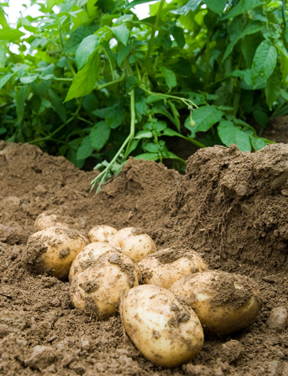
6. Harvesting Your Backyard Potatoes
Harvesting is one of the most rewarding moments of gardening.
For New Potatoes:
- Harvest 8–10 weeks after planting, once flowers appear.
- These small, tender potatoes are perfect for quick vegetarian meals like salads or sautéed sides.
For Mature Potatoes:
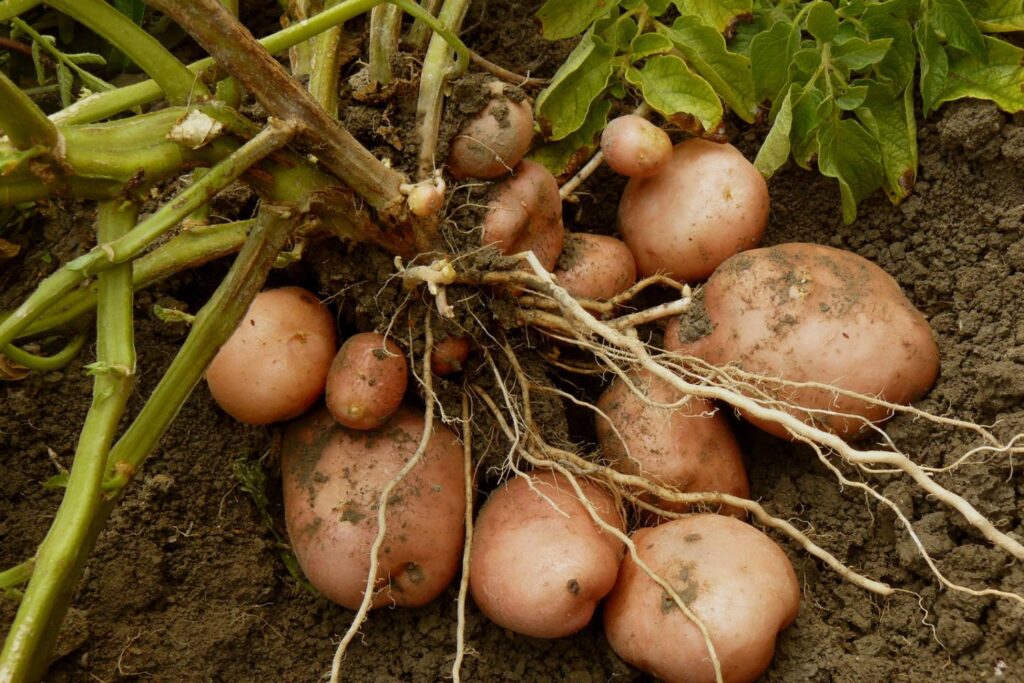
- Wait until the leaves yellow and die back (12–16 weeks).
- Carefully dig around the plant with a garden fork and lift the potatoes.
- Let them air-dry in a shaded area for 1–2 days to toughen the skin.
Storage:
- Store cured potatoes in a cool, dark place (10–12°C).
- Avoid direct sunlight and refrigeration.
- Properly stored potatoes last for 2–4 months.
7. Cooking with Your Homegrown Potatoes: Vegetarian Delights
Once harvested, your homegrown potatoes can be transformed into countless healthy vegetarian dishes. Their mild flavor pairs perfectly with herbs, spices, and fresh garden vegetables.
Simple and Healthy Recipe Ideas:
a. Rustic Potato and Lentil Stew
Simmer diced potatoes, red lentils, tomatoes, carrots, and spinach in vegetable broth with cumin and paprika. A hearty one-pot vegan meal.
b. Baked Potato with Veggie Filling
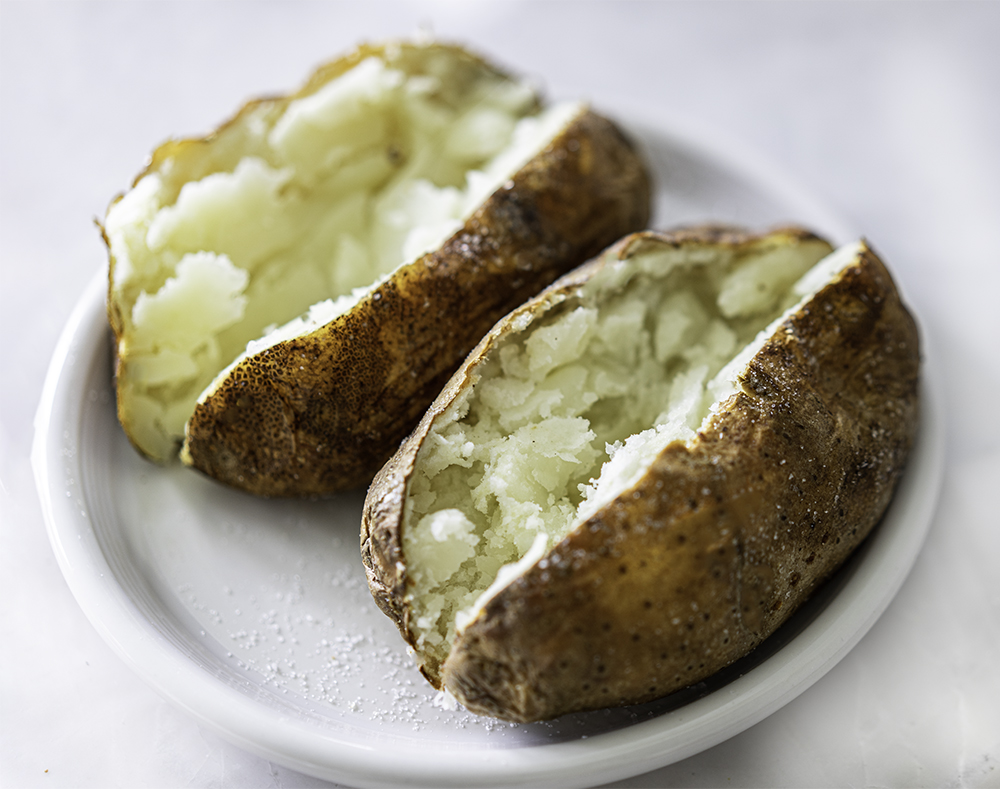
Bake whole potatoes until tender, then stuff with sautéed bell peppers, corn, mushrooms, and a drizzle of olive oil.
c. Herbed Potato Wedges
Toss potato wedges with olive oil, rosemary, and garlic. Bake until golden brown for a guilt-free, crispy treat.
d. Aloo Methi (Potato-Fenugreek Curry)
A simple Indian vegetarian dish combining cubed potatoes with fresh fenugreek leaves, turmeric, and chili.
e. Potato and Chickpea Salad
Combine boiled potatoes with chickpeas, cucumber, and lemon-tahini dressing for a refreshing summer salad.
Each recipe demonstrates how versatile and nutritious potatoes can be when paired with other plant-based ingredients.
8. Sustainable Gardening for Long-Term Rewards
Growing potatoes in your backyard supports not just your diet but also the planet.
Eco-Friendly Gardening Tips:
- Compost Potato Peels: Add to your compost pile for nutrient recycling.
- Rotate Crops: Prevents soil depletion and pest buildup.
- Use Rainwater: Collect natural water for irrigation.
- Reuse Containers: Grow new plants each season using saved seed tubers.
Homegrown food means less reliance on store-bought produce, less packaging waste, and a smaller carbon footprint.
9. Troubleshooting Common Potato Problems
Even the most careful gardeners encounter challenges, but most are easy to fix.
| Issue | Cause | Solution |
|---|---|---|
| Green Potatoes | Sunlight exposure | Hill up soil to cover tubers |
| Small Potatoes | Poor soil or overcrowding | Add compost and space properly |
| Yellow Leaves | Nutrient deficiency | Apply organic fertilizer |
| Rotting Tubers | Overwatering | Improve drainage |
A little observation and early action can save your entire crop.
10. The Joy of Backyard Harvesting
There’s nothing quite like harvesting your own food. Each potato you dig up represents patience, care, and a deeper connection to the earth. For veggie lovers, this process is more than gardening—it’s a mindful act of nourishment and sustainability.
When your homegrown potatoes make their way into your favorite vegetarian dishes, they carry with them the story of growth, effort, and love. They become a symbol of wholesome living—grown in your soil, cooked in your kitchen, and enjoyed at your table.
Conclusion
“Backyard Harvest: Potatoes for Every Veggie Lover” is a celebration of the beauty of growing your own food and cooking with intention. Potatoes, often underestimated, are the heart of countless vegetarian dishes and one of the easiest crops to cultivate at home.
By planting, tending, and harvesting your own potatoes, you embrace a more sustainable lifestyle—one that nourishes both your body and the planet. So, grab your garden tools, prepare your soil, and start your potato-growing journey today. Your next delicious, plant-based meal could begin right in your backyard. 🥔🌱