There’s something deeply satisfying about digging into a warm bowl of mashed potatoes, crispy wedges, or creamy potato soup — especially when the potatoes come from your own garden. Potatoes have long been a cornerstone of comfort food in cuisines across the world, and for vegetarians, they’re a versatile ingredient that brings heartiness and nourishment to countless dishes.
Learning to grow your own potatoes isn’t just about saving money — it’s about reconnecting with your food, understanding how it’s cultivated, and experiencing the joy of transforming simple, homegrown ingredients into wholesome vegetarian comfort meals.
This guide will walk you through everything you need to know: from planting and caring for potatoes to harvesting and turning them into cozy, plant-based dishes that soothe the soul.
1. Why Potatoes Are Perfect for Vegetarian Comfort Food
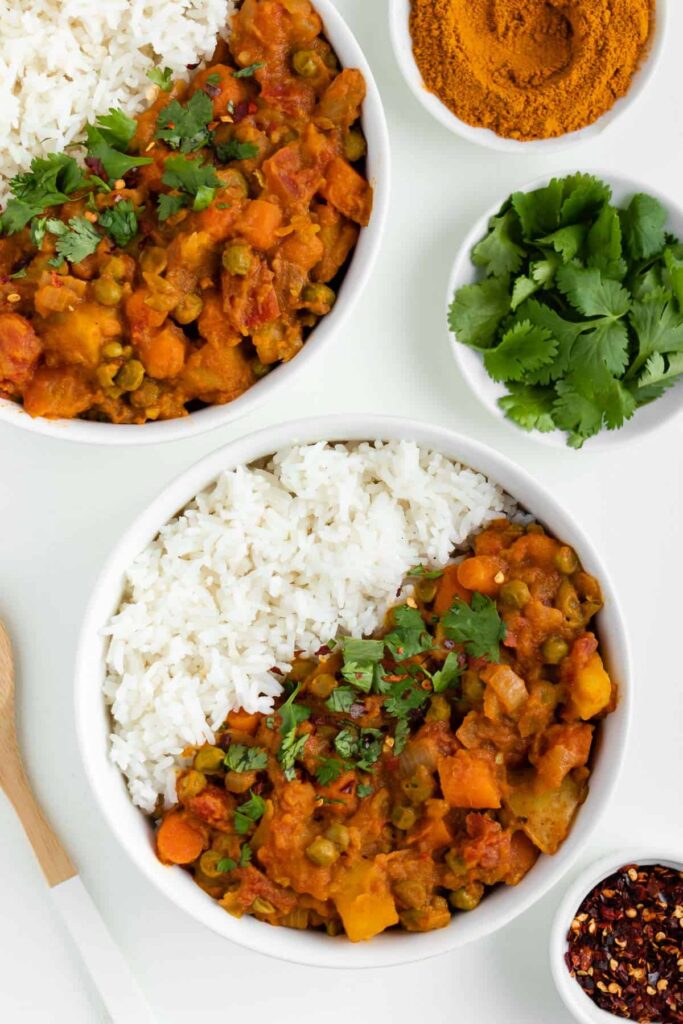
Potatoes are one of nature’s most satisfying foods. They’re filling, nutritious, and adaptable to any cuisine — from Indian curries to Italian gnocchi and classic American baked potatoes. For vegetarians, they provide the perfect foundation for meals that are both comforting and nutrient-rich.
- Nutritional Powerhouse: Potatoes contain potassium, vitamin C, vitamin B6, and dietary fiber, all of which support energy and heart health.
- Versatile Texture: Whether roasted, mashed, or boiled, potatoes adapt to a variety of cooking styles.
- Plant-Based Satiety: Their natural starch content makes them filling, providing the kind of satisfaction often associated with meat-based dishes.
In short, potatoes are the ultimate comfort ingredient — and growing them yourself makes every meal taste even better.
2. Choosing the Right Potato Variety
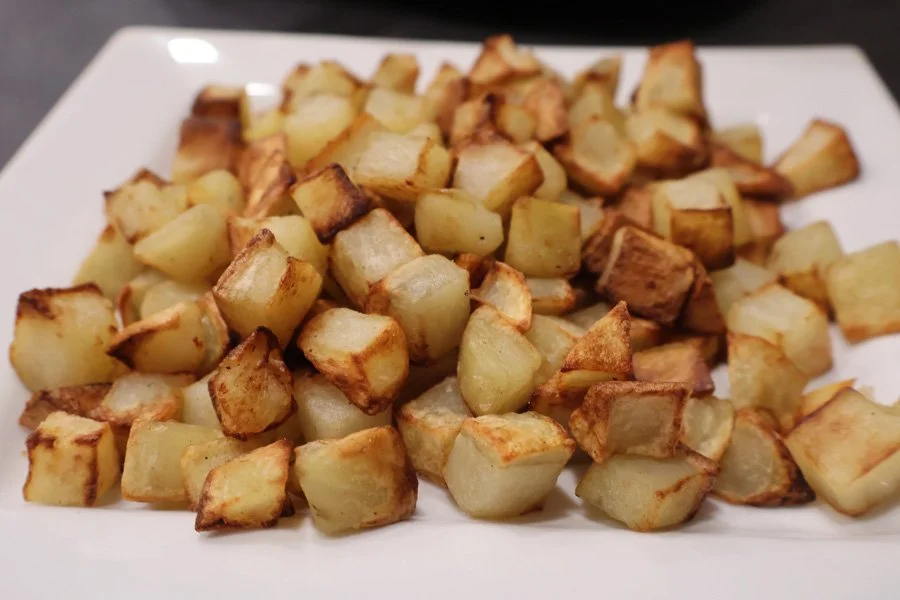
Before you start planting, it’s important to choose the right type of potato for your garden and recipes. Potatoes come in several varieties, each with its own characteristics:
- Starchy Potatoes (Russet, Idaho): Ideal for baking, frying, and mashing due to their fluffy texture.
- Waxy Potatoes (Red, Fingerling): Perfect for salads, soups, and stews as they hold their shape after cooking.
- All-Purpose Potatoes (Yukon Gold, Kennebec): Versatile and suitable for almost any vegetarian recipe.
If you’re new to gardening, Yukon Gold is an excellent choice — it’s easy to grow, disease-resistant, and delicious in nearly every dish.
3. Preparing the Soil and Garden Space
Potatoes thrive in loose, well-drained soil with good organic content. They prefer slightly acidic conditions, with a pH between 5.0 and 6.5.
Here’s how to prepare your planting area:
- Choose a Sunny Spot: Potatoes need 6–8 hours of full sun each day.
- Loosen the Soil: Dig 8–10 inches deep to break up compacted soil. Remove stones and debris that could deform tubers.
- Add Compost: Mix in well-rotted compost or aged manure to enrich the soil. Avoid using fresh manure, which can cause scab disease.
- Raised Beds or Containers: If your backyard soil is clay-heavy, try growing in raised beds or large containers for better drainage.
4. Planting the Seed Potatoes
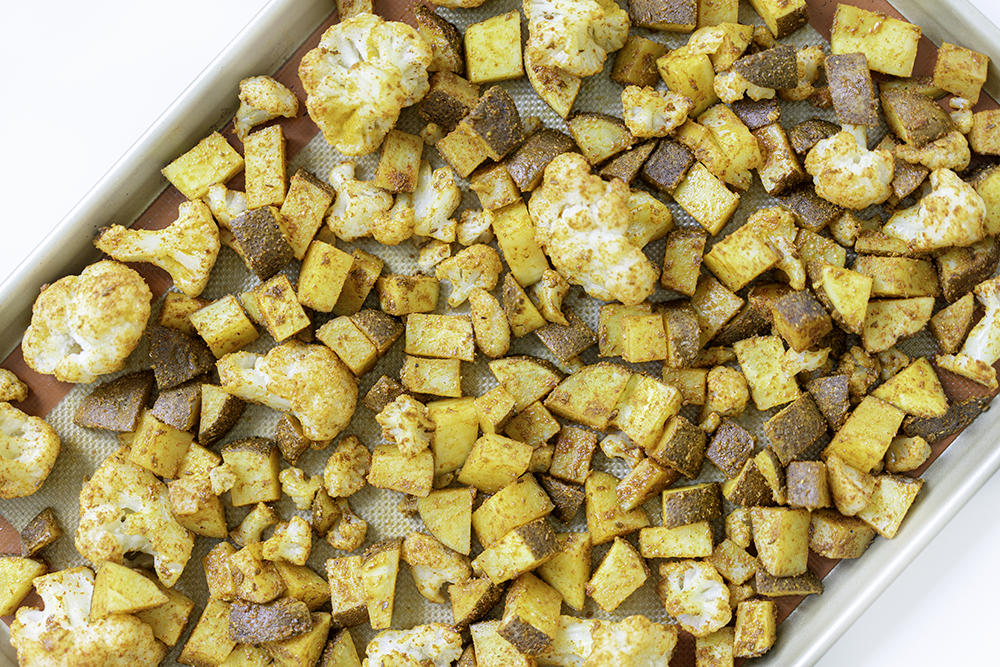
Potatoes are grown from “seed potatoes” — small tubers that sprout new plants. You can buy certified seed potatoes from a nursery or reuse healthy tubers from a previous harvest.
Steps for Planting:
- Cut and Cure: Cut large seed potatoes into pieces, each with one or two “eyes.” Let them dry for 1–2 days before planting.
- Planting Depth: Bury them about 4 inches deep, with the eyes facing upward.
- Spacing: Keep 12 inches between each plant and 2–3 feet between rows.
- Hilling: As plants grow, mound soil around the stems to protect developing tubers from sunlight.
This simple process — known as “hilling” — ensures your potatoes grow deeper and stay protected, resulting in a higher yield.
5. Caring for Your Potato Plants
Once your potatoes are planted, the key to a successful harvest lies in consistent care and attention.
- Watering: Potatoes need steady moisture, especially during tuber formation. Water them deeply once or twice a week. Avoid overwatering — soggy soil can lead to rot.
- Mulching: Add straw or dry leaves around the base to retain moisture and keep weeds away.
- Feeding: Use a balanced organic fertilizer (low in nitrogen) midway through the growing season. Too much nitrogen will produce lush leaves but few potatoes.
- Pest Control: Keep an eye out for Colorado potato beetles and aphids. Neem oil or companion planting with marigolds can deter pests naturally.
Potatoes are hardy and forgiving, making them ideal for beginners. With just a little attention, you’ll soon have a thriving crop ready for harvest.
6. Harvesting Your Potatoes
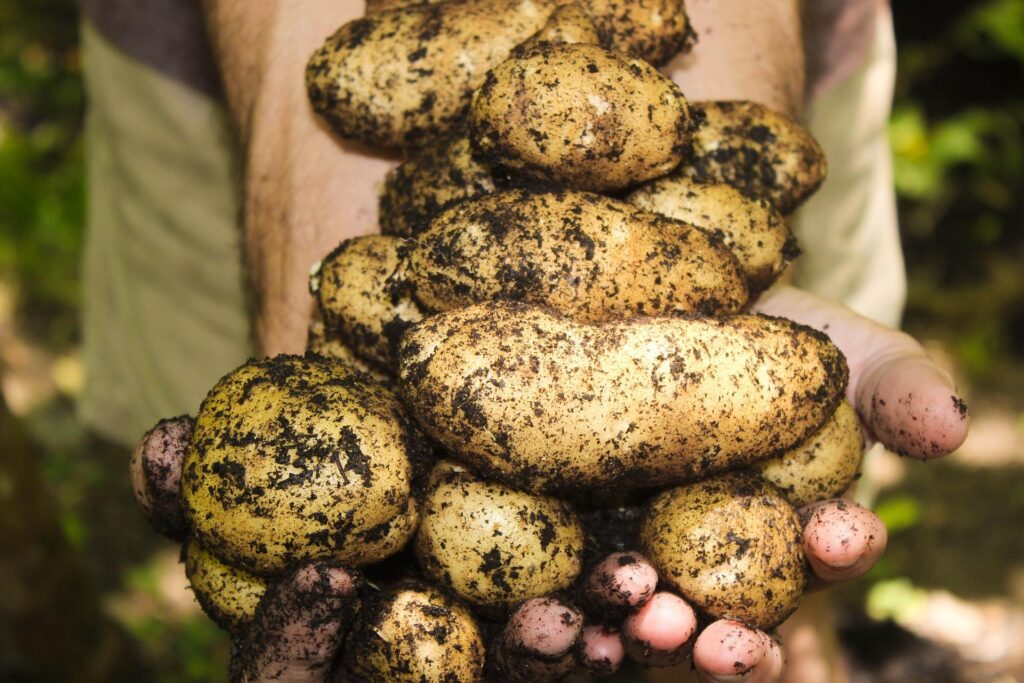
Harvesting is one of the most rewarding moments of gardening. You’ll know it’s time when the plants begin to flower or when the leaves turn yellow and start to die back.
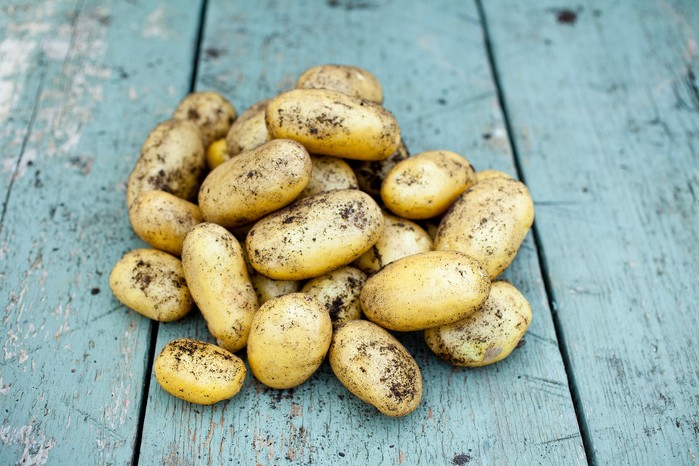
- For New Potatoes: Harvest 2–3 weeks after flowering. These are small, tender, and perfect for boiling or roasting.
- For Mature Potatoes: Wait until the foliage dies back completely. Dig gently with a fork or trowel to avoid damaging the tubers.
After harvesting, cure the potatoes by spreading them in a cool, dark, well-ventilated area for about 10 days. This helps toughen their skins for longer storage.
Store them in a dark, cool place — ideally between 45–50°F — where they can last for months without sprouting.
7. Turning Your Harvest into Vegetarian Comfort Food
Now that you’ve grown your own potatoes, it’s time to enjoy the fruits of your labor. Homegrown potatoes add unmatched flavor and freshness to vegetarian comfort dishes. Here are a few ideas to inspire you:
a. Creamy Mashed Potatoes with Garlic and Herbs
Boil your freshly dug potatoes, mash them with olive oil (or butter for lacto-vegetarians), roasted garlic, and herbs like rosemary and parsley. The result is a creamy, flavorful side that pairs perfectly with steamed vegetables or lentil loaves.
b. Golden Potato Patties (Aloo Tikki)
Mix boiled potatoes with peas, green chilies, and spices. Shape into small patties and pan-fry until golden. Serve with mint chutney or yogurt dip for a satisfying snack or light meal.
c. Oven-Roasted Potato Wedges
Slice your potatoes into wedges, toss them with olive oil, paprika, and salt, then roast until crispy. These make a healthier, homegrown version of fries.
d. Potato and Spinach Soup
Simmer diced potatoes with spinach, leeks, and vegetable broth for a warm, comforting soup that’s rich in iron and fiber.
e. Vegetarian Shepherd’s Pie
Layer mashed potatoes over a filling of lentils, carrots, and onions, then bake until golden brown. This hearty meal is the epitome of vegetarian comfort food.
8. Sustainability and Self-Reliance in Gardening
Growing your own potatoes does more than supply your kitchen — it supports a sustainable, eco-friendly lifestyle. By cultivating food at home, you reduce dependency on packaged goods, lower your carbon footprint, and make better use of your organic waste through composting.
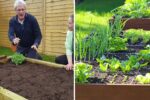
Potatoes, in particular, are excellent for sustainable gardening because:
- They produce high yields in small spaces.
- They improve soil structure when rotated with legumes.
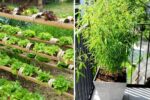
- They can be grown in bags, barrels, or even old buckets — perfect for urban gardeners.
Plus, harvesting your own food encourages mindful eating — a deeper appreciation for every ingredient that graces your table.
9. Common Problems and How to Fix Them
Even beginner-friendly crops like potatoes can face occasional challenges. Here’s how to handle them:
- Yellowing Leaves Too Early: Could indicate overwatering or nutrient deficiency — reduce watering and add compost tea.
- Green Potatoes: Exposure to sunlight turns them toxic. Always keep tubers covered with soil or mulch.
- Potato Blight: Prevent by ensuring good air circulation and avoiding overhead watering. Remove affected plants immediately.
Staying attentive and proactive ensures a healthy, productive garden.
10. The Joy of Homegrown Vegetarian Cooking
Growing and cooking with your own potatoes is about more than just food — it’s a celebration of nature, patience, and creativity. Every step, from planting to cooking, reminds us that great meals begin in the soil.
When you turn freshly dug potatoes into your favorite vegetarian comfort dishes, you experience a full-circle connection: the satisfaction of nurturing life, the excitement of harvest, and the warmth of sharing wholesome food with loved ones.
Conclusion
Potatoes are one of the easiest and most rewarding crops for beginner gardeners — and an essential ingredient for vegetarian comfort food. By learning how to plant, care for, and cook your own harvest, you gain more than fresh ingredients — you gain independence, sustainability, and joy.
From rich mashed potatoes to crispy golden wedges, every bite of your homegrown harvest tells a story — of soil, sunshine, care, and creativity.
So, grab your seed potatoes, dig into the earth, and start growing your own comfort food today. Because when it comes to nourishing your body and soul, nothing beats a dish made with love — and your own homegrown potatoes.