When it comes to vegetarian cooking, few ingredients offer the same comfort, nutrition, and versatility as the humble potato. Whether it’s a creamy mash, a crispy roast, or a hearty curry, potatoes form the heart of many satisfying plant-based meals. But what if the star of your favorite dish came straight from your backyard? Growing potatoes at home is not only simple but also immensely rewarding — it brings you closer to your food, reduces waste, and ensures that your vegetarian dishes are as fresh and wholesome as possible.
This guide reveals the veggie gardener’s best-kept secret: how to cultivate perfect homegrown potatoes and turn them into delicious vegetarian creations from your own garden to your kitchen table.
1. Why Potatoes Deserve a Spot in Every Veggie Garden

Potatoes are one of the easiest and most rewarding crops for home gardeners. They’re nutrient-rich, highly adaptable, and yield abundantly even in small spaces. From a nutritional standpoint, potatoes are rich in carbohydrates for energy, vitamin C for immunity, potassium for heart health, and fiber for digestion. They are also naturally fat-free and gluten-free, making them an ideal addition to vegetarian diets.
Moreover, growing your own potatoes eliminates the use of harmful chemicals and pesticides, ensuring that your meals are not only tasty but safe and sustainable. Whether you’re cultivating a lush backyard patch or planting in containers on your balcony, potatoes adapt well to different environments with just a bit of care and planning.
2. Choosing the Right Potato Variety
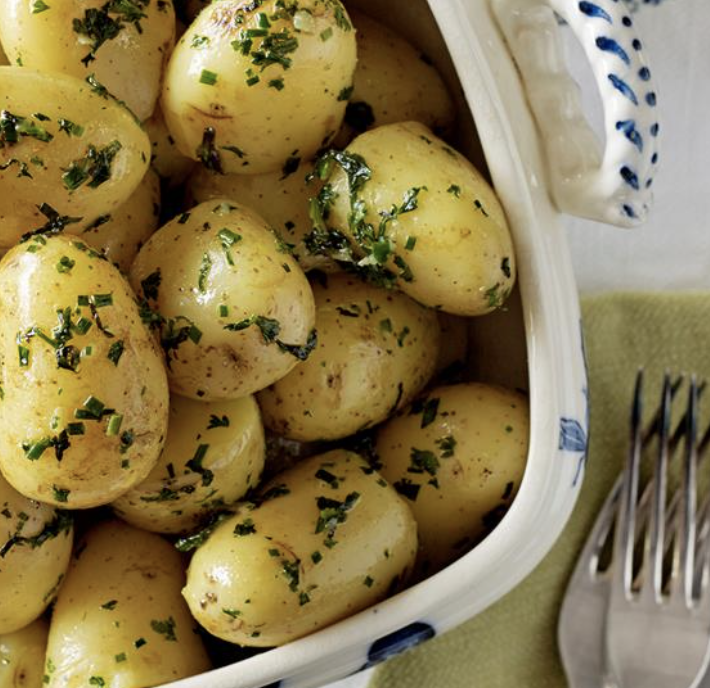
The first secret to growing perfect potatoes lies in choosing the right variety. There are hundreds of potato types, each suited for different climates and cooking purposes.
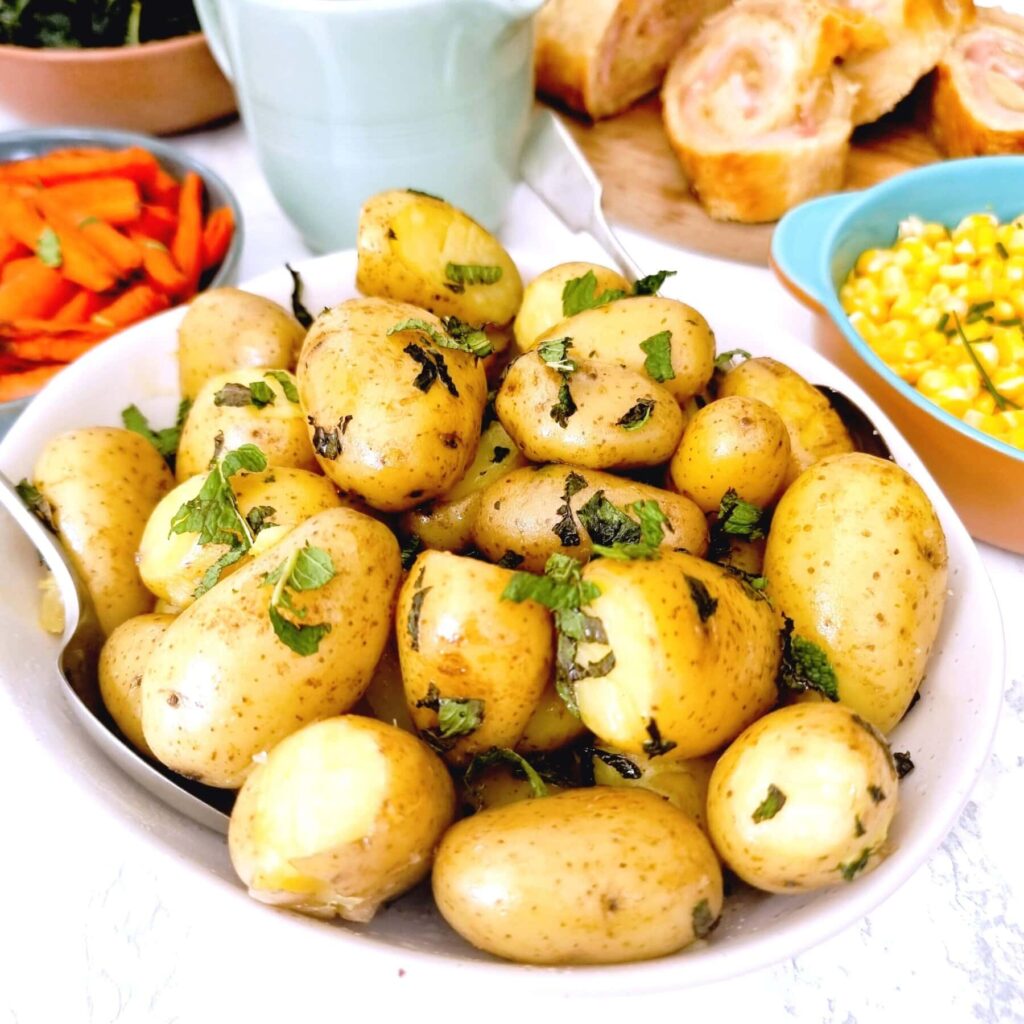
- Waxy potatoes (like Yukon Gold and Red Bliss) hold their shape after cooking — perfect for salads, curries, and stews.
- Starchy potatoes (like Russet or Idaho) are ideal for fluffy mashed potatoes, fries, or baked dishes.
- All-purpose potatoes (like Kennebec or Desiree) offer versatility for most vegetarian recipes.
For home gardens, early or mid-season varieties are often best, as they mature faster and reduce the risk of disease. Local agricultural nurseries or seed suppliers can help you choose varieties that thrive in your region’s soil and climate conditions.
3. Preparing the Soil for Success
Potatoes love loose, well-draining soil that allows tubers to expand underground. Before planting, choose a sunny spot that receives at least six hours of sunlight daily.
Here’s how to prepare the perfect potato bed:
- Loosen the soil to a depth of 10–12 inches using a garden fork.
- Add compost or well-rotted manure to enrich the soil with organic nutrients.
- Avoid using fresh manure, as it can promote diseases like scab.
- Check the pH level — potatoes prefer slightly acidic soil (pH 5.0–6.5).
Good soil preparation ensures that your potato plants will develop strong roots and healthy tubers, setting the stage for a plentiful harvest.
4. Planting and Hilling: The Gardener’s Technique
Potatoes are typically grown from seed potatoes, which are small tubers or cut pieces from mature potatoes.
Steps for planting:
- Cut and cure: If your seed potatoes are large, cut them into chunks, each with one or two “eyes” (sprouting buds). Let them dry for 24 hours to form a protective layer.
- Planting depth: Dig trenches about 4 inches deep and 2 feet apart. Place the seed potatoes with the eyes facing upward, spacing them 12 inches apart.
- Cover lightly with soil and water gently.
As the plants grow, hill the soil — that is, mound up soil around the base of the plants every two weeks. This prevents sunlight from reaching the developing tubers (which can turn them green and toxic) and encourages a larger harvest.
5. Watering, Feeding, and Caring for Your Plants
Potatoes are relatively low-maintenance but thrive with consistent care.
- Watering: Keep the soil evenly moist, especially during the tuber formation stage (4–8 weeks after planting). Avoid waterlogging, as it can lead to rot.
- Feeding: Apply organic compost tea or a balanced fertilizer (rich in potassium and phosphorus) every few weeks.
- Weeding: Remove weeds regularly to prevent nutrient competition.
- Pest control: Look out for common threats like aphids, potato beetles, and blight. Use organic neem oil or companion planting (such as marigolds or garlic) to deter pests naturally.
Healthy potato plants have lush, green foliage and grow vigorously. Regular observation and gentle care ensure you’ll have a vibrant crop ready for harvest.
6. Harvesting: The Most Rewarding Step
When the leaves of your potato plants begin to yellow and die back, it’s a sign your tubers are ready for harvest. Early varieties can be gently dug up after 10–12 weeks for “new potatoes,” while maincrop varieties take about 16–20 weeks to mature.
Harvest tips:
- Use a garden fork to loosen the soil gently.
- Avoid stabbing or bruising the tubers.
- Let freshly dug potatoes dry in a cool, shaded spot for a few hours before storing.
Cured potatoes can be stored in a dark, well-ventilated area for several months — ensuring a steady supply for your vegetarian meals.
7. Cooking Inspiration: Turning Homegrown Potatoes into Veggie Delights
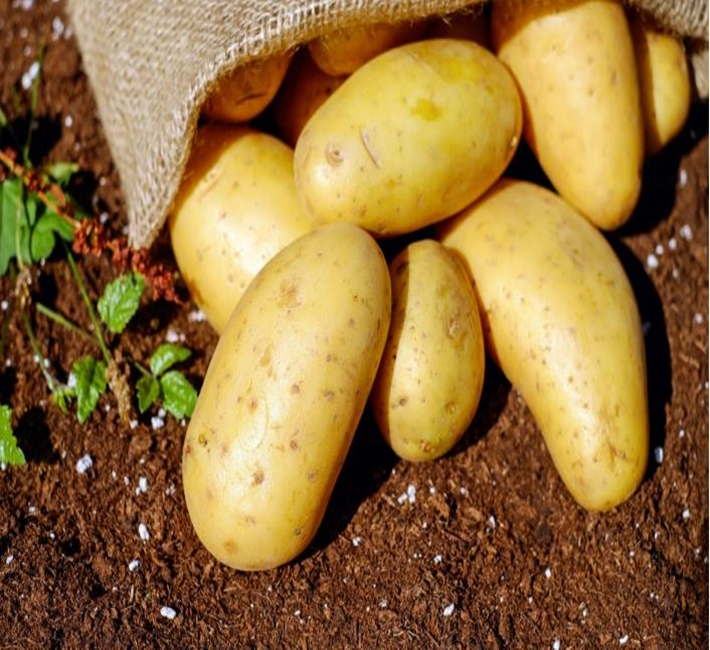
Once you’ve harvested your golden gems, the real joy begins — cooking! Potatoes lend themselves beautifully to countless vegetarian recipes.
Here are a few ideas to inspire your kitchen creations:
- Herb-Roasted Potatoes: Toss with olive oil, rosemary, and garlic for a perfect side dish.
- Potato and Spinach Curry: Combine tender potatoes with greens and spices for a wholesome Indian-style meal.
- Baked Potato Bowls: Load baked potatoes with beans, sautéed vegetables, and cheese or vegan toppings.
- Mashed Potato Pancakes: Blend mashed potatoes with herbs and pan-fry for crispy comfort food.
- Potato Soup: A creamy, heartwarming bowl for cozy evenings.
These dishes not only highlight the versatility of potatoes but also showcase how homegrown produce elevates the flavor and nutrition of vegetarian cooking.

8. The Sustainable Joy of Growing Your Own Food
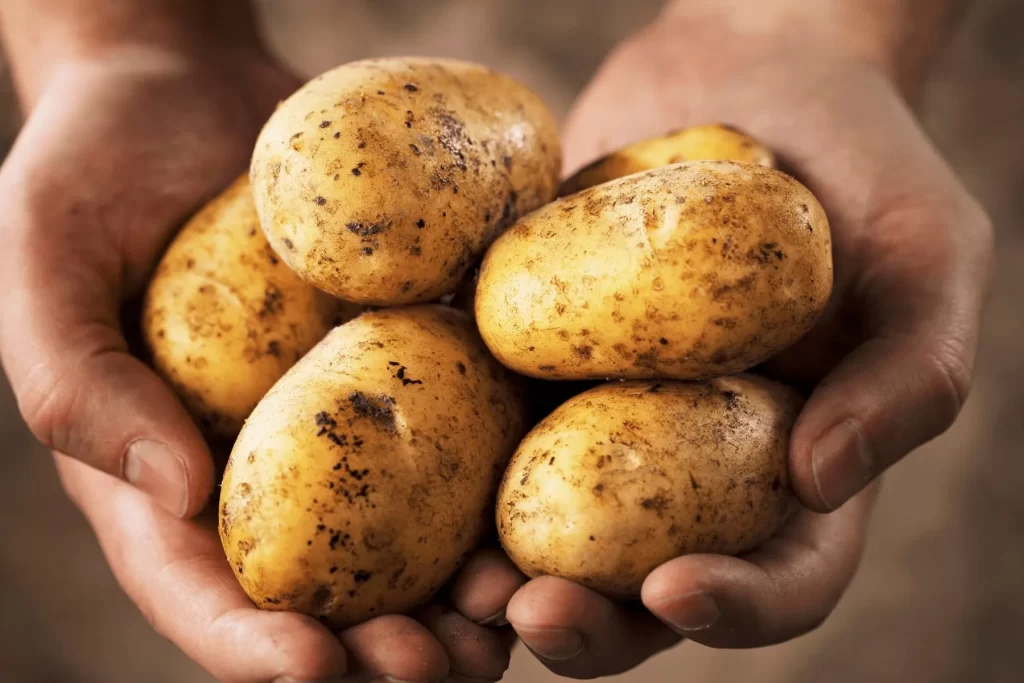
Growing potatoes at home isn’t just about food — it’s about sustainability and self-reliance. By cultivating your own produce, you reduce packaging waste, carbon emissions, and your dependency on commercial agriculture. Plus, you gain a deeper appreciation for where your food comes from and the effort it takes to nurture it.
Even a small backyard or a few containers on a balcony can yield enough potatoes to make several hearty meals. Gardening teaches patience, care, and respect for nature — qualities that beautifully complement a vegetarian lifestyle.
Conclusion: Your Secret to a Healthier, Greener Kitchen
The veggie gardener’s secret isn’t just about growing perfect potatoes — it’s about transforming the way you connect with your food. From planting the first sprout to savoring a warm, homemade meal, every step enriches your health, your plate, and your planet.
So, roll up your sleeves, dig into the soil, and uncover the simple magic of homegrown potatoes. They’re not just the heart of vegetarian cooking — they’re the heart of a more mindful, nourishing way of living.