There’s something deeply satisfying about pulling your own homegrown potatoes from the soil and turning them into a golden, bubbling veggie casserole. Potatoes, often called the “heart of the garden,” are one of the most rewarding crops to grow—and they lend themselves beautifully to comfort food classics. Whether you’re a seasoned gardener or a beginner looking for a wholesome hobby, growing potatoes for your kitchen creations—like the perfect vegetarian casserole—can be both simple and immensely gratifying.
This guide walks you through every step, from choosing the right potato varieties to harvesting and using them in delicious homemade meals that nourish both body and soul.
Why Grow Your Own Potatoes?

Store-bought potatoes might be convenient, but homegrown ones are in a different league. Freshly dug potatoes have a superior texture and flavor, often described as “buttery” and “earthy.” When you grow them yourself, you control the soil, water, and nutrients—meaning no chemical residues and a more nutritious result.
For vegetarian cooking, potatoes are a versatile base ingredient that pairs beautifully with garden-fresh vegetables like carrots, peas, spinach, and broccoli. Growing your own ensures that every bite in your casserole is bursting with freshness and authenticity.
Plus, potatoes are relatively easy to grow, making them perfect for beginner gardeners. With a little preparation and care, you can harvest enough to last you through several hearty meals.
Step 1: Choosing the Right Potato Variety

Selecting the right type of potato is key to achieving that perfect casserole texture—creamy, tender, and slightly firm. Potatoes are generally divided into two categories:
- Waxy potatoes (like Red Pontiac or Yukon Gold): Hold their shape well when cooked, making them perfect for layered or mixed veggie casseroles.
- Starchy potatoes (like Russet or Kennebec): Fluffier and ideal for creamy or mashed-style casseroles.
- All-purpose potatoes (like Desiree or Maris Piper): Offer a balance between waxy and starchy, ideal for versatile vegetarian dishes.
If you want a casserole that’s rich and hearty, go for a mix of waxy and all-purpose varieties—you’ll get both texture and creaminess in every bite.
Step 2: Preparing the Soil

Potatoes love loose, well-drained soil. They need space underground to expand, so compact or rocky soil can hinder growth. Here’s how to prepare your plot or container:
- Choose a sunny location: Potatoes need at least 6 hours of direct sunlight daily.
- Loosen the soil: Dig to a depth of about 10-12 inches to make room for tuber development.
- Amend with compost: Mix in organic compost or well-rotted manure to provide nutrients and improve drainage.
- Avoid fresh manure: It can lead to scabby potatoes and excess nitrogen growth.
If you don’t have garden space, raised beds or large containers (like grow bags or barrels) work beautifully. Just ensure proper drainage holes to prevent waterlogging.
Step 3: Planting Your Potatoes
Start with seed potatoes—small, disease-free tubers sold specifically for planting. You can find them at garden centers or online.
- Chit your potatoes: Let them sprout before planting by placing them in a cool, bright area for 2–3 weeks.
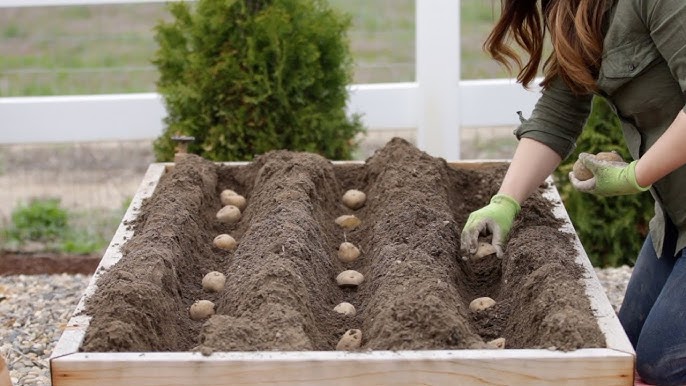
- Plant in rows: Space them about 12 inches apart with the sprouts facing up, and bury them 4 inches deep.
- Hill the soil: As shoots grow, gently mound soil around them to protect developing tubers from sunlight and promote larger yields.
In warm climates, potatoes can be planted in late winter or early spring. In cooler regions, wait until the danger of frost has passed.
Step 4: Watering and Care
Consistent watering is crucial. Potatoes need moist, not soggy, soil. Uneven watering can lead to cracked or misshapen tubers.
- Water deeply once or twice a week, depending on rainfall.
- Mulch around the plants with straw or leaves to retain moisture and suppress weeds.
- Fertilize lightly using a potassium-rich organic fertilizer (like composted banana peels or wood ash). Avoid excess nitrogen—it encourages leafy growth at the expense of tubers.
Regularly check for pests such as aphids or potato beetles. You can handpick them or use neem oil spray as a natural deterrent.
Step 5: Harvesting the Goodness
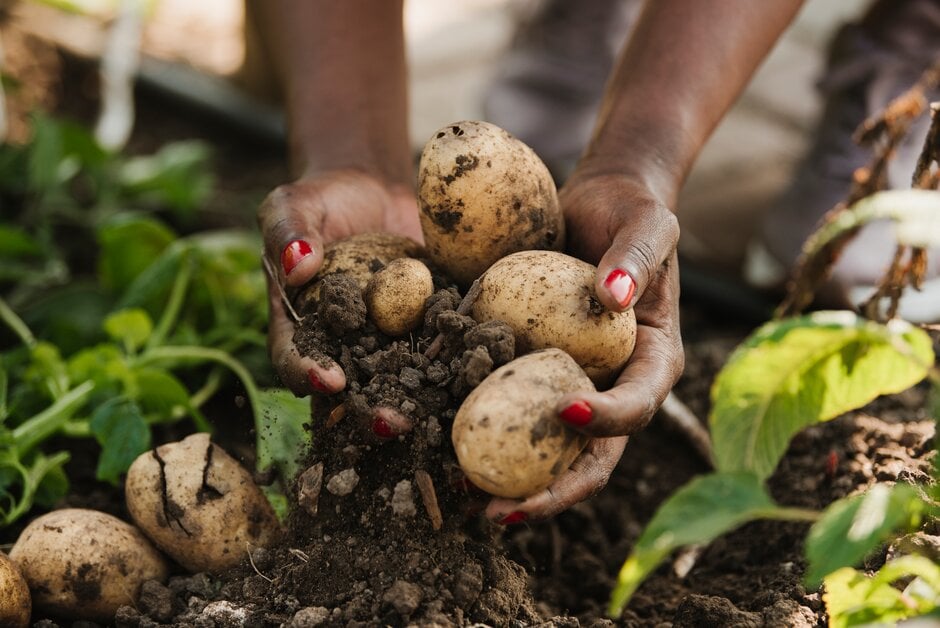
When the plants start to flower, your potatoes are forming underground. Baby potatoes can be harvested gently at this stage, but for mature tubers, wait until the foliage turns yellow and dies back.
Use a garden fork or your hands to carefully unearth the potatoes. Brush off excess soil—avoid washing them until you’re ready to cook or store them.
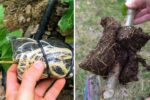
Store your potatoes in a cool, dark, and well-ventilated area. Avoid refrigeration, as cold temperatures convert starch into sugar and alter the taste.
Step 6: Cooking the Perfect Veggie Casserole
Now comes the most rewarding part—turning your garden harvest into a mouthwatering vegetarian casserole.
Here’s a simple yet hearty recipe idea:
Garden Veggie Potato Casserole
Ingredients:
- 4–5 medium homegrown potatoes, thinly sliced
- 1 cup chopped spinach or kale
- 1 cup diced carrots or bell peppers
- 1 cup steamed broccoli florets
- 1 onion, sliced
- 2 cloves garlic, minced
- 1 cup milk or plant-based alternative
- 2 tablespoons butter or olive oil
- ½ cup shredded cheese (or vegan alternative)
- Salt, pepper, and herbs like thyme or rosemary
Method:
- Preheat your oven to 375°F (190°C).
- Lightly grease a casserole dish with butter or olive oil.
- Arrange a layer of potato slices at the bottom, followed by layers of vegetables.
- Season with salt, pepper, and herbs.
- Pour milk over the layers and sprinkle cheese on top.
- Bake for 40–45 minutes until the top is golden and bubbly.
The result? A creamy, hearty casserole that celebrates the best of your backyard harvest—a dish that’s as nutritious as it is comforting.
Step 7: Sustainability and Reward
Growing potatoes isn’t just about food—it’s about sustainability. Every potato you plant reduces your reliance on store-bought produce and packaging waste. Compost your kitchen scraps, reuse garden soil, and save some small tubers as seed potatoes for the next planting season.
The satisfaction of digging up your own potatoes and transforming them into a wholesome meal is unmatched. It reconnects you with nature, reduces food miles, and fills your kitchen with authentic, homegrown goodness.
Conclusion: From Soil to Supper
Growing your own potatoes is one of the simplest ways to bring more sustainability, flavor, and nutrition into your vegetarian cooking. With minimal effort and a bit of patience, you can turn a small patch of soil into the foundation of countless hearty meals.
When you bake that golden veggie casserole with potatoes you’ve nurtured yourself, it’s more than just food—it’s a celebration of homegrown abundance. Every bite tells the story of your effort, care, and connection to the earth.
So, pick up your trowel, plant those seed potatoes, and start your journey from backyard to casserole dish—where comfort, creativity, and freshness come together on your plate.