There’s something deeply satisfying about digging into the soil and pulling out your own harvest of fresh, golden potatoes. For many home gardeners, growing potatoes is a rewarding and surprisingly easy adventure that connects you directly to the food on your plate. When you pair your backyard potato harvest with other fresh veggies, you not only create delicious, wholesome meals but also take a powerful step toward sustainable, healthy living. This guide explores how to grow, harvest, and cook your own potatoes—transforming your backyard into a hub of plant-based culinary creativity.
1. Why Grow Potatoes in Your Backyard?
Potatoes are one of the most versatile and nutritious crops you can grow at home. They’re rich in potassium, fiber, vitamin C, and complex carbohydrates, making them an excellent base for countless veggie meals. But beyond nutrition, growing your own potatoes gives you:
- Freshness: Backyard potatoes are often more flavorful than store-bought ones, especially when harvested at their peak.
- Sustainability: Growing your own food reduces your carbon footprint and food waste.
- Affordability: A few seed potatoes can yield several kilograms of produce, saving money on grocery bills.
- Satisfaction: There’s pure joy in harvesting food you’ve nurtured from start to finish.
Whether you’re a gardening novice or an experienced grower, potatoes are one of the easiest crops to start with.
2. Preparing Your Backyard for a Potato Patch
Potatoes need loose, well-drained soil and at least six hours of sunlight daily. The key is to create conditions where the tubers (the edible part underground) can expand easily without obstruction.
Step 1: Choose the Right Spot
Find an open area that gets plenty of sun. Avoid places where you’ve recently grown tomatoes, peppers, or eggplants, as these belong to the same plant family and can share soil-borne diseases.
Step 2: Prepare the Soil
Potatoes thrive in fertile, slightly acidic soil (pH 5.5 to 6.5). Loosen the soil to about 10 inches deep, remove rocks and debris, and mix in compost or organic manure. This boosts nutrients and improves drainage.
Step 3: Select Seed Potatoes
Buy certified disease-free seed potatoes from a local nursery. Avoid planting supermarket potatoes—they are often treated to prevent sprouting. Cut large seed potatoes into chunks with at least one “eye” each (the small dimple from which sprouts grow), then let them dry for a day before planting.
3. Planting and Growing Your Potato Crop
When to Plant:
Plant in early spring once the soil has warmed to about 45°F (7°C). In mild climates, you can plant in late winter or early fall for a second crop.
How to Plant:
- Dig trenches about 3 inches deep and 2–3 feet apart.
- Place seed potato pieces with the “eye” facing up, spacing them 12 inches apart.
- Cover lightly with soil.
As your potato plants grow, hill the soil around their stems every two weeks. This means mounding loose soil up the sides of the plant, covering about half of it. This process protects developing tubers from sunlight and promotes higher yields.
Watering Tips:
Keep the soil evenly moist, especially during flowering, when tubers start to form. Avoid waterlogging, as it can cause rot. Water deeply once or twice a week rather than sprinkling lightly every day.
Fertilization:
Feed your plants with compost tea or an organic fertilizer rich in potassium and phosphorus once a month. Avoid excess nitrogen—it produces lush leaves but fewer tubers.
4. Harvest Time: Reaping Your Backyard Rewards
When to Harvest:
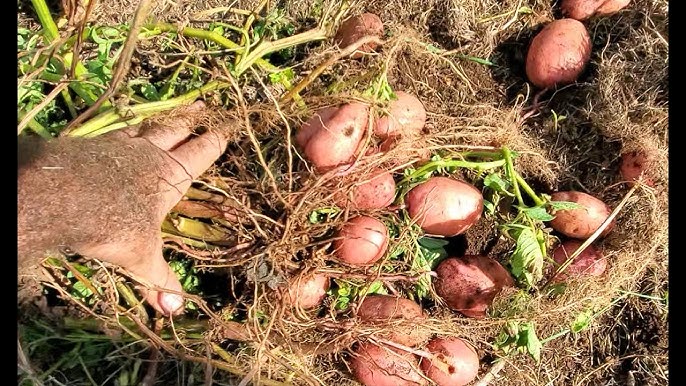
Potatoes are ready when the plants start to yellow and wilt—usually 10 to 12 weeks after planting for new potatoes, or 14 to 16 weeks for mature ones.
How to Harvest:
- For new potatoes, gently dig around the plant base and remove a few small tubers while leaving the rest to mature.
- For full-size potatoes, wait until the foliage dies back completely. Cut off the stems, wait a few days for the skins to set, then dig carefully with a garden fork.
Storage Tips:
Cure the potatoes by letting them dry in a cool, dark, well-ventilated space for about a week. This toughens the skin and extends shelf life. Store in a cool, dark, and dry place—never in the refrigerator, which can alter flavor.
5. Turning Your Harvest into Delicious Veggie Meals
Freshly harvested potatoes are the heart of countless vegetarian recipes. Their mild flavor and creamy texture make them a perfect partner for any garden-grown vegetable. Here are some comforting and nutritious dishes to try:
1. Garden Veggie Potato Soup
Simmer diced backyard potatoes with carrots, celery, onions, and garlic in vegetable broth. Add a splash of cream or plant-based milk for richness. Top with fresh parsley and black pepper.
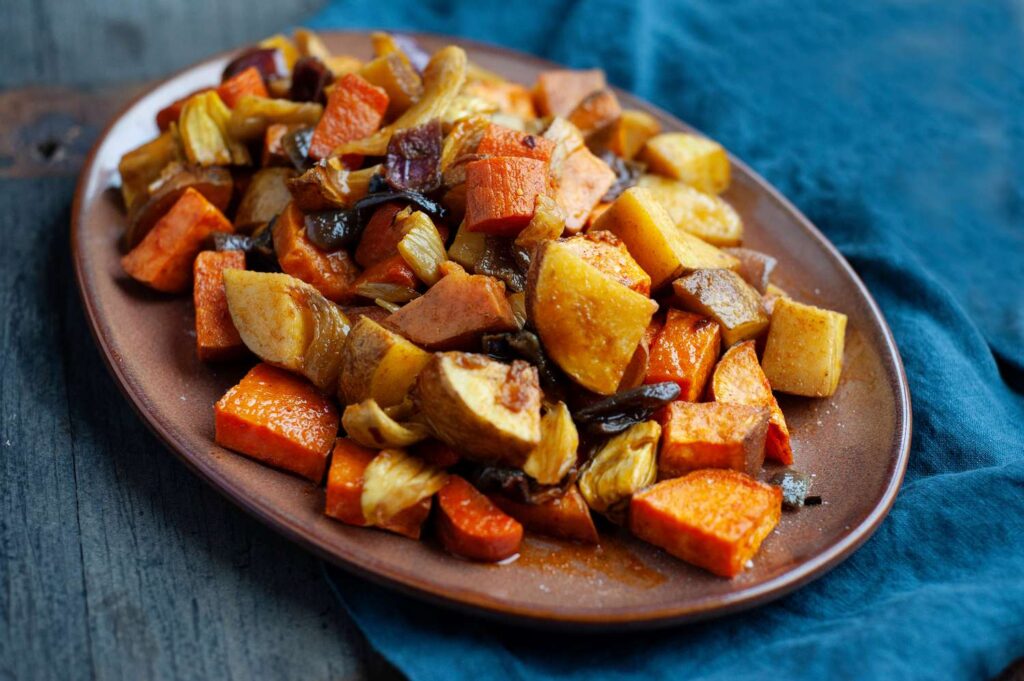
2. Roasted Veggie Medley
Combine cubed potatoes with zucchini, bell peppers, and cherry tomatoes. Drizzle with olive oil, sprinkle herbs like rosemary and thyme, and roast until golden. A perfect side or light main dish.
3. Potato and Spinach Curry
Toss boiled potatoes in a fragrant curry sauce made with coconut milk, onions, tomatoes, and fresh spinach. Serve with brown rice or flatbread for a wholesome vegetarian meal.
4. Mashed Potato & Lentil Shepherd’s Pie
Top seasoned lentils and vegetables with creamy mashed potatoes and bake until golden. A comforting, high-protein, plant-based version of a classic comfort dish.

5. Potato Salad with Fresh Herbs
Mix boiled potatoes with olive oil, lemon juice, chopped dill, and spring onions. Serve chilled for a refreshing summer side.
These meals highlight how a single humble crop can become the centerpiece of endless healthy, plant-based recipes.
6. Benefits of Cooking with Freshly Harvested Potatoes
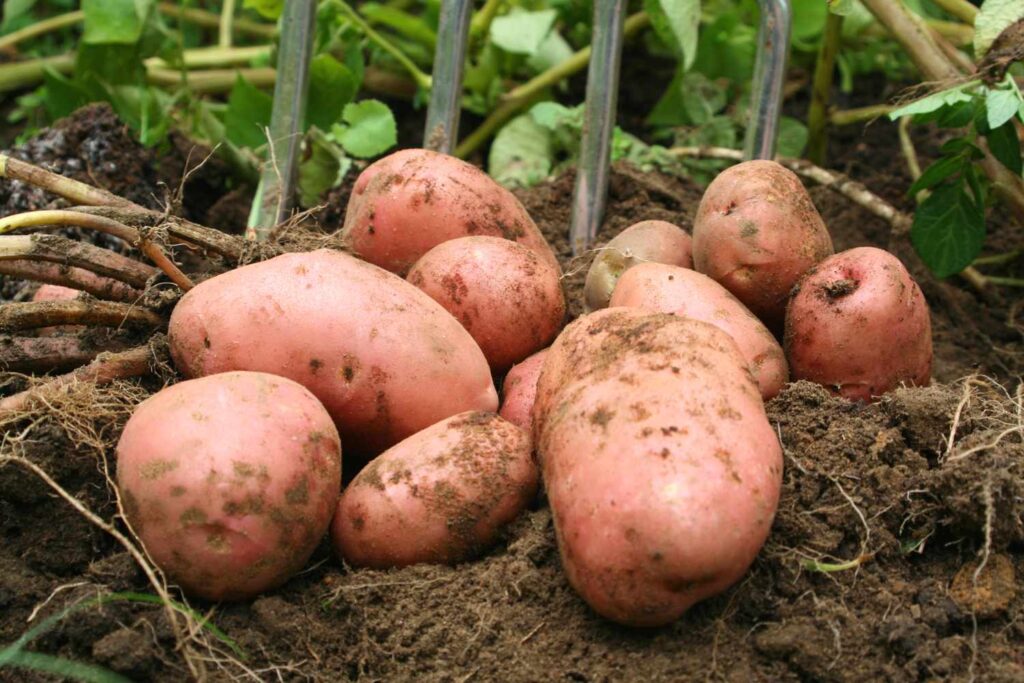
Cooking with your own harvest adds both freshness and pride to every meal. Here’s why homegrown potatoes stand out:
- Superior Taste: Freshly dug potatoes have a subtle sweetness and earthy flavor that fade during storage.
- More Nutrients: Eating potatoes soon after harvest means you get more vitamin C and potassium.
- Fewer Chemicals: No pesticides or preservatives—just clean, natural food.
- Connection to Food: Harvesting and cooking from your own garden fosters gratitude and mindfulness about what you eat.
7. Tips for a Successful Potato Harvest Year After Year
- Rotate Your Crops: Avoid planting potatoes in the same spot each year to prevent soil-borne diseases.
- Save the Best Seed Potatoes: From your healthiest plants, save some tubers for next season’s planting.
- Compost Wisely: Use kitchen scraps and garden waste to enrich your soil naturally.
- Try Different Varieties: Experiment with red, yellow, or purple potatoes to enjoy new textures and flavors.
8. The Joy of Backyard Gardening
Backyard potato gardening is more than just growing food—it’s a lifestyle of sustainability, creativity, and health. From preparing the soil to sharing a warm bowl of roasted potatoes and vegetables with your family, each step connects you to nature and your community.
Even a small garden space or container setup can produce a bounty of nutritious food. And when those homegrown potatoes meet freshly harvested veggies from your backyard, you’re not just cooking—you’re crafting meals that tell the story of your care, patience, and love for good food.