There’s a special kind of joy in creating comfort food — those warm, familiar dishes that nourish both the body and the soul. For vegetarians, comfort classics often revolve around hearty, wholesome ingredients that satisfy without the need for meat. Among these, the potato stands out as a true hero.
From creamy mashed potatoes and crispy roasted wedges to golden casseroles and stews, this humble tuber is the heart of countless vegetarian comfort dishes. But what makes these meals even more rewarding is when the star ingredient comes straight from your own backyard.
Growing your own potatoes is simple, sustainable, and deeply satisfying. It allows you to reconnect with your food, reduce waste, and experience the pleasure of transforming fresh harvests into homemade comfort classics.
This article explores how to grow your own potatoes and use them to craft vegetarian comfort dishes that your whole family will love — flavorful, nourishing, and rooted in the goodness of the earth.
1. Potatoes: The Foundation of Comfort Food

Potatoes are one of the most beloved ingredients in the world, and for good reason. They’re nutritious, versatile, and adaptable to nearly every cooking style. Whether you prefer them creamy, crispy, baked, or boiled, potatoes can transform any vegetarian dish into a filling, soul-soothing meal.
Nutritional Highlights:
- Complex Carbohydrates: Provide lasting energy and a satisfying texture.
- Vitamin Powerhouse: Rich in Vitamin C, B6, and potassium for heart and nerve health.
- Fiber Content: Especially high when eaten with the skin — great for digestion.
- Fat-Free and Gluten-Free: Ideal for balanced, plant-based diets.
Potatoes offer more than comfort — they provide nourishment that supports overall health. And when they come from your own garden, they bring freshness, flavor, and peace of mind.
2. Why Grow Your Own Potatoes?
Homegrown potatoes don’t just taste better — they feel better. They represent self-sufficiency, sustainability, and pride in eating what you’ve nurtured yourself.
Top Reasons to Grow Potatoes at Home:
- Superior Flavor and Texture: Freshly dug potatoes have a creamy texture and naturally sweet flavor unmatched by store-bought ones.
- Chemical-Free and Safe: You control what goes into your soil, ensuring your harvest is organic and pesticide-free.
- Cost-Effective: One seed potato can produce several pounds of tubers — a high-yield, low-cost crop.
- Simple to Grow: Potatoes thrive in gardens, raised beds, or even containers.
- Sustainable Living: Reduces packaging waste and carbon footprint.
Beyond practicality, growing potatoes brings a quiet sense of satisfaction. Watching them sprout, flower, and yield a bountiful harvest is one of the purest joys in gardening.
3. Planting the Seeds of Comfort: How to Grow Potatoes

Even if you’ve never gardened before, potatoes are one of the easiest and most rewarding crops to start with. Here’s how to cultivate them successfully.
a. Choosing the Right Variety
Pick your potato type based on your favorite comfort dishes:
- Yukon Gold: Great for creamy mashed potatoes and casseroles.
- Russet Burbank: Perfect for baking or fries.
- Red Pontiac: Excellent for stews and soups.
- Fingerlings: Ideal for roasting and salads.
b. Preparing the Soil
Potatoes prefer loose, well-draining soil with good aeration. Mix in compost or organic matter before planting to enrich the soil.
c. Planting
- Chit the Seed Potatoes: Let them sprout in a bright, cool spot for 1–2 weeks.
- Plant Depth and Spacing: Bury seed pieces (each with an “eye”) 3–4 inches deep and 12 inches apart.
- Sunlight: Choose a spot that receives at least 6–8 hours of sun daily.
d. Hilling and Watering
As the plants grow, hill soil around the stems to cover new tubers and prevent greening. Water consistently — about 1 inch per week — and avoid soaking the leaves to prevent disease.
e. Harvest Time
- New Potatoes: Harvest 2–3 weeks after flowering for tender, bite-sized tubers.
- Mature Potatoes: Wait until the foliage turns yellow and dies back. Carefully lift the soil to reveal your crop.
Dry them for a few hours before storing in a cool, dark place. Congratulations — you’ve grown your first batch of comfort food!
4. Storing Potatoes for Long-Term Use
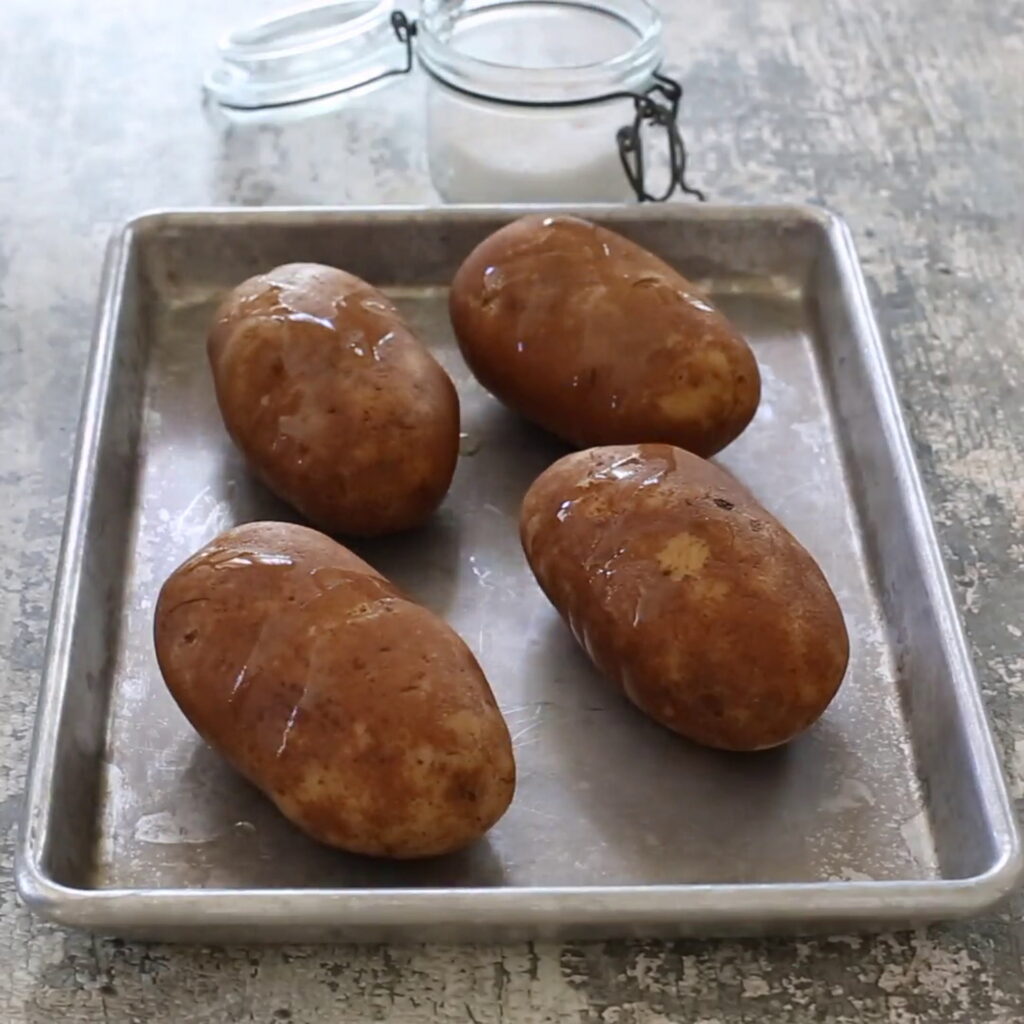
To make vegetarian comfort classics year-round, proper storage is key.
- Cure Potatoes: Leave freshly dug potatoes in a shaded, ventilated area for 1–2 weeks to toughen their skins.
- Storage Conditions: Keep them in a dark, dry space at 40–50°F — such as a cellar or pantry.
- Avoid Refrigeration: Cold converts starch to sugar, altering taste and texture.
Stored correctly, your potatoes can last for months — ready to become stews, casseroles, soups, and more whenever comfort calls.
5. Turning Harvest into Homemade Vegetarian Comfort Classics
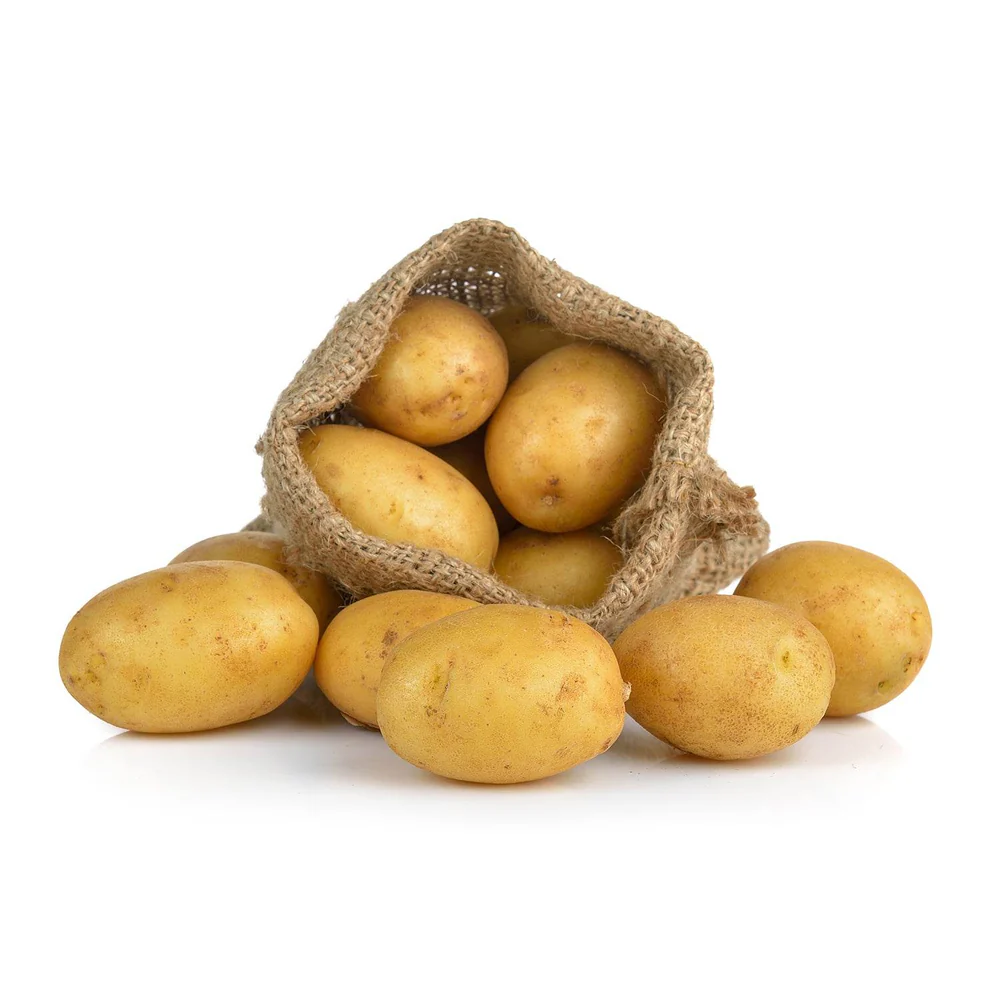
Now comes the most delicious part — transforming your homegrown potatoes into satisfying vegetarian dishes that comfort the heart and delight the senses.
a. Creamy Garlic Mashed Potatoes
Boil peeled potatoes until tender. Mash with warm oat milk or almond milk, olive oil, roasted garlic, and sea salt. The result? Creamy, dairy-free comfort that pairs beautifully with roasted vegetables or lentil loaf.
b. Hearty Potato and Chickpea Stew
Simmer cubed potatoes with onions, carrots, chickpeas, and tomatoes in a flavorful broth seasoned with cumin and paprika. A one-pot meal that warms every bite.
c. Classic Potato Casserole
Layer sliced potatoes with onions, spinach, and a plant-based béchamel sauce. Bake until golden and bubbly. This dish brings old-fashioned comfort with a modern vegetarian twist.
d. Roasted Herbed Potatoes
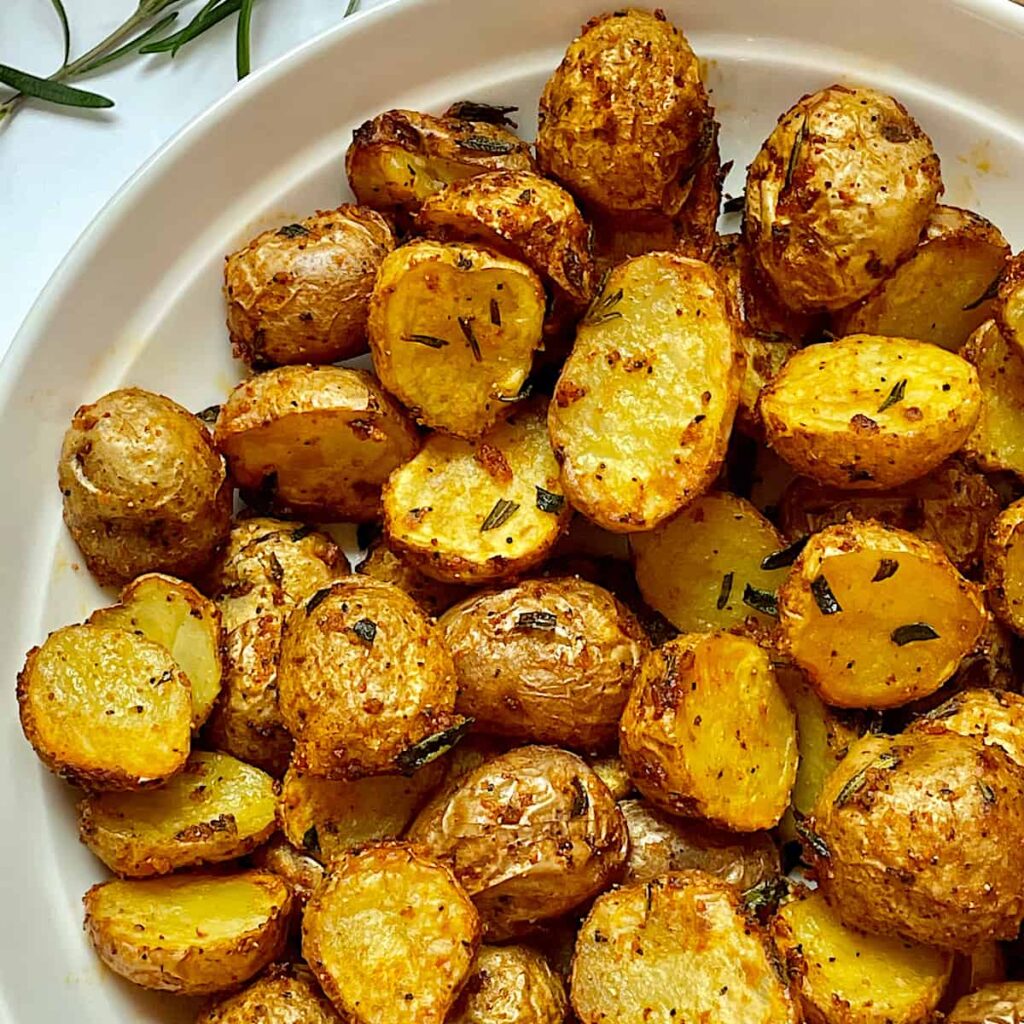
Toss bite-sized potato chunks in olive oil, rosemary, and garlic. Roast until crisp outside and fluffy inside — perfect for family dinners or cozy gatherings.
e. Potato and Lentil Shepherd’s Pie
Top a rich filling of lentils, mushrooms, and carrots with a thick layer of mashed potatoes. Bake until golden — a plant-based reinvention of a classic comfort dish.

Each recipe celebrates the essence of comfort: warmth, simplicity, and nourishment, all made better when using your own fresh potatoes.
6. Health and Wellness Benefits of Potato-Based Vegetarian Meals
Potatoes not only fill your stomach but also support overall health. When combined with other plant-based ingredients, they form balanced, nutrient-rich meals.
a. Heart Health
High in potassium and low in sodium, potatoes help regulate blood pressure and support cardiovascular health.
b. Digestive Wellness
The fiber in potato skins and resistant starches in cooled potatoes promote healthy gut bacteria.
c. Energy and Vitality
Their complex carbs provide steady energy, making them great for both children and active adults.
d. Weight Management
When cooked healthily (boiled, baked, or roasted), potatoes are filling yet low in calories — curbing overeating naturally.
Vegetarian comfort meals with potatoes aren’t just delicious — they’re deeply nourishing and supportive of long-term well-being.

7. Sustainability and the Spirit of Homegrown Food
Growing your own potatoes is also an act of sustainability. It allows you to reduce your environmental footprint and contribute to a more mindful food system.
- Less Waste: No packaging or plastic storage.
- Local and Fresh: No transportation or refrigeration needed.
- Composting: Potato peels and garden scraps can be returned to the soil as compost.
- Water Efficiency: Potatoes need relatively less water compared to other staple crops.
By growing and eating homegrown produce, you actively support the cycle of nature — giving back to the earth that nourishes you.
8. Teaching the Family Through Gardening
Potato gardening is a wonderful way to bring the family together. Children especially enjoy planting seed potatoes and later digging up the golden treasures hidden underground.
It teaches them valuable life lessons — patience, responsibility, and appreciation for food. When the family gathers to cook a meal made from their own harvest, it turns dinner into a shared celebration of nature’s bounty.
Imagine sitting down to a hearty potato stew that you and your children helped grow — every spoonful tastes of effort, care, and connection.
9. Common Mistakes to Avoid
To make the most of your potato-growing journey, avoid these common pitfalls:
- Planting in Heavy, Wet Soil: Leads to rot and disease. Always ensure good drainage.
- Skipping Hilling: Exposed potatoes turn green and toxic.
- Overwatering: Can cause fungal problems. Water only when needed.
- Storing in Light: Causes greening and spoilage.
- Planting Too Early: Frost can kill young shoots. Wait until after the last frost for planting.
Learning from these simple mistakes ensures healthier plants and a more abundant harvest.
10. The Joy of Homegrown Comfort Classics
There’s something incredibly fulfilling about serving a meal made entirely from your garden’s bounty. Potatoes are the essence of comfort — simple yet endlessly versatile. Whether you’re enjoying a creamy casserole on a rainy evening or crispy roasted wedges on a family weekend, these dishes carry more meaning when they come from your own soil.
Each bite tells a story — of care, patience, and the beautiful journey from garden to table.
Conclusion: The True Taste of Comfort
To grow potatoes is to grow comfort itself. These golden tubers connect us to the land, to tradition, and to one another. When transformed into vegetarian comfort classics, they remind us that the most satisfying meals are not those that come from fancy kitchens but from gardens tended with love.
By planting potatoes, you’re not just growing food — you’re cultivating nourishment, sustainability, and happiness. Every mashed, roasted, or stewed dish becomes a testament to self-reliance and the timeless joy of homegrown goodness.
So roll up your sleeves, plant a few seed potatoes, and prepare to fill your kitchen with the aroma of your own vegetarian comfort classics — proof that the best meals are the ones grown, cooked, and shared with care.