In every culture, a warm bowl of soup represents comfort, nourishment, and care. From creamy potato chowders to hearty vegetable stews, soups are the ultimate expression of home-cooked goodness. But what if the secret ingredient that elevates your soup to perfection could come from your own backyard? Imagine walking into your garden, brushing aside a little soil, and pulling up fresh, golden potatoes that will soon become the heart of your favorite veggie soup.
Growing your own potatoes isn’t just about saving money or enjoying fresher produce — it’s about flavor, nutrition, and connection. When you cultivate your own tubers, you taste the earth, the sunshine, and the effort that went into every spoonful. This journey — from planting to harvest, from soil to soup bowl — brings together sustainability, creativity, and health in one delicious loop.
Let’s dive into how you can grow your own flavorful potatoes and transform them into wholesome, veggie-packed soups that warm both the body and soul.
1. Why Homegrown Potatoes Make Better Soup
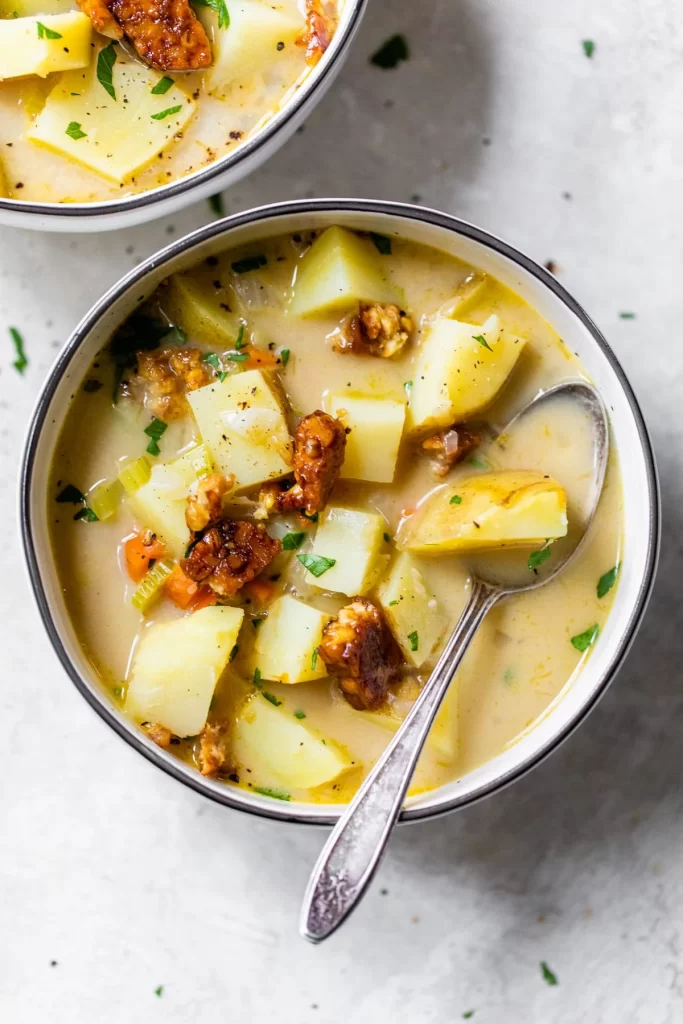
Store-bought potatoes are convenient, but they often lack the vibrant flavor and texture of homegrown varieties. Commercial farming methods prioritize shelf life and uniformity over taste. When you grow your own, you control the soil, the nutrients, and the harvest time — all of which enhance the potato’s natural sweetness and creaminess.
Key Benefits:
- Freshness: Homegrown potatoes retain more moisture, giving soups a richer, creamier consistency.
- Variety: You can experiment with heirloom or specialty potatoes like Yukon Gold, Red Norland, or Russet for unique soup textures.
- Nutritional Integrity: Potatoes straight from the soil contain higher levels of vitamin C and potassium.
- Sustainability: Reducing food miles and packaging waste makes your soup more eco-friendly.
In essence, homegrown potatoes are fresher, tastier, and more wholesome — the perfect base for flavorful vegetarian soups.
2. Choosing the Right Potato Varieties for Soups
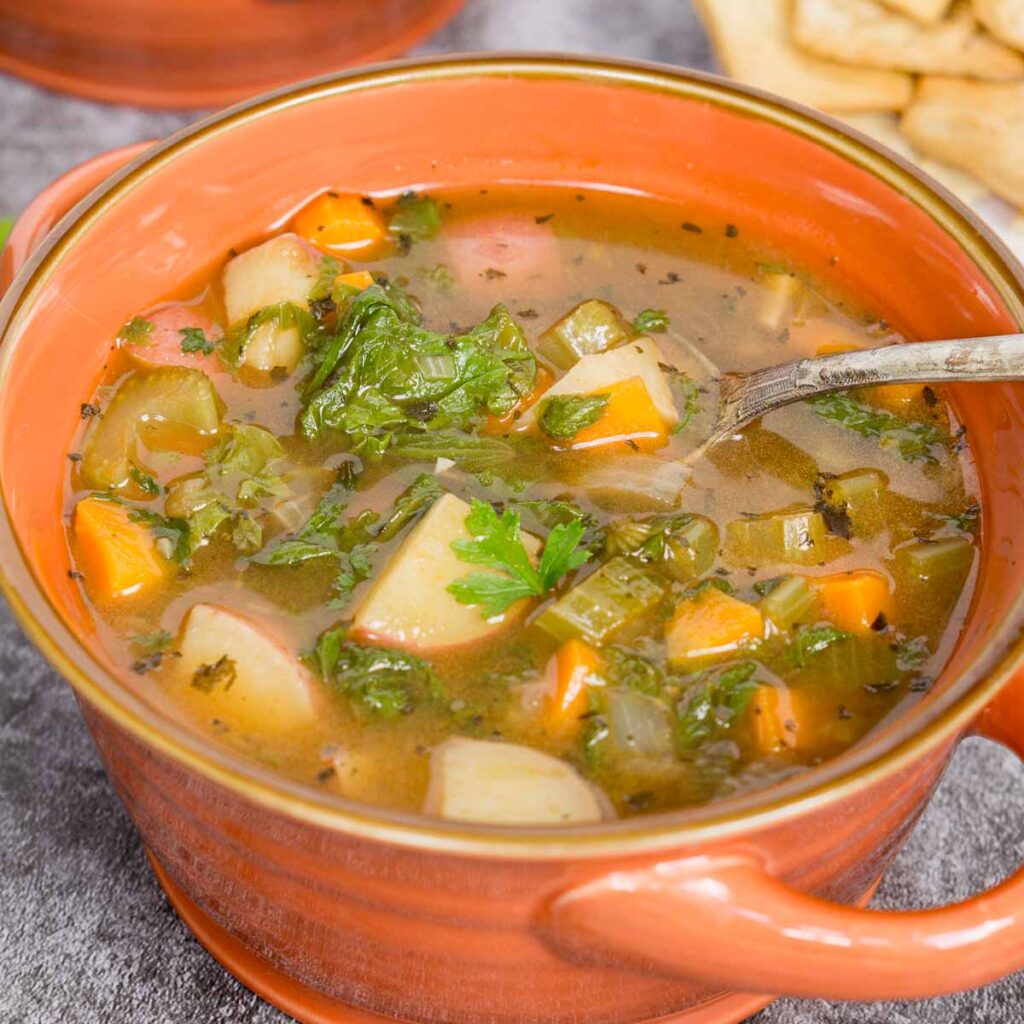
Not all potatoes behave the same in the pot. The type you grow can greatly influence the texture and taste of your soup.

a. Waxy Potatoes (Great for Chunky Soups)
- Examples: Red Norland, Fingerling, Yellow Finn
- Features: Hold their shape well when cooked. Perfect for minestrone, vegetable chowder, or stew-like soups.
b. Starchy Potatoes (Great for Creamy Soups)
- Examples: Russet, King Edward
- Features: Break down easily and thicken soups naturally, creating a smooth, velvety base.
c. All-Purpose Potatoes (Best of Both Worlds)
- Examples: Yukon Gold, Kennebec
- Features: Excellent balance of firmness and creaminess — ideal for most vegetarian soup recipes.
Choosing a mix of varieties adds depth and texture to your soups, making every spoonful interesting and flavorful.
3. Planting Your Potato Patch: A Step-by-Step Guide

Homegrown potatoes don’t require a large garden — they can thrive in containers, raised beds, or even grow bags. What matters most is sunlight, loose soil, and proper drainage.
Step 1: Prepare the Soil
- Choose a sunny location with 6–8 hours of direct sunlight daily.
- Loosen the soil to a depth of 10–12 inches and mix in compost or organic matter.
- Potatoes prefer slightly acidic soil with a pH of 5.0–6.5.
Step 2: Chit the Seed Potatoes
- Purchase certified seed potatoes (not grocery store ones, as they’re often treated to prevent sprouting).
- Place them in a cool, bright spot for 2–3 weeks until sprouts form.
Step 3: Planting
- Cut larger seed potatoes into chunks with 2–3 eyes each.
- Plant 4 inches deep and 12 inches apart in rows spaced about 2 feet apart.
- Cover with soil and water lightly.
Step 4: Hill the Plants
As potato shoots grow, mound soil around their base every 2–3 weeks. This prevents sunlight from greening the tubers and increases yield.
Step 5: Watering and Maintenance
- Keep soil consistently moist but never waterlogged.
- Add organic mulch (like straw) to retain moisture and reduce weeds.
- Watch for pests like potato beetles and control them naturally with neem oil or manual removal.
With patience and care, your potato plants will thrive, producing a lush green canopy that signals healthy growth below.
4. Harvesting and Storing Your Homegrown Potatoes
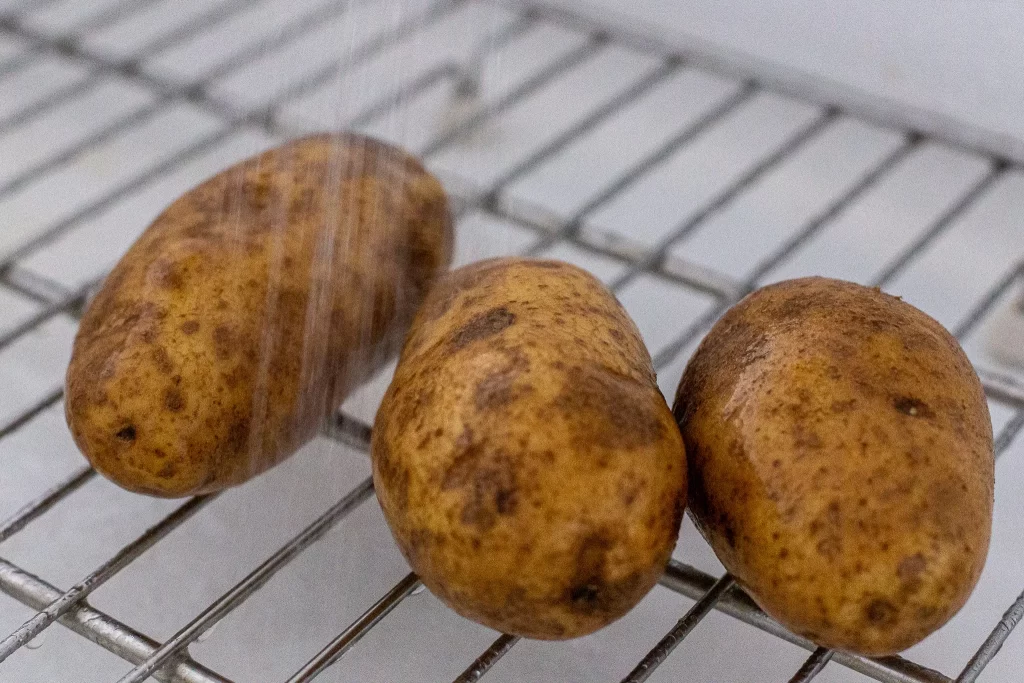
Harvesting potatoes is one of gardening’s most rewarding moments — a little treasure hunt in your own backyard.
When to Harvest
- For New Potatoes: Two weeks after the plants flower. These small, tender potatoes are delicious in light soups.
- For Mature Potatoes: Wait until the plant’s leaves yellow and die back.
How to Harvest
Gently loosen the soil with a garden fork and lift the tubers. Handle carefully to avoid bruising. Let them air-dry in a shaded area for several hours.
Storing Your Harvest
- Cure the potatoes for 10–14 days in a cool, dark, ventilated area.
- Store in a cool, dry place (around 40°F or 4°C).
- Avoid refrigeration, which turns the starch into sugar.
With proper storage, you’ll have homegrown potatoes ready for soups all season long.
5. Cooking Magic: Turning Homegrown Potatoes into Soups
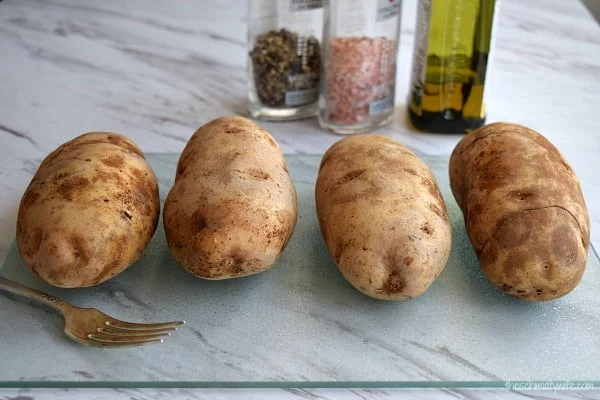
Now that you’ve harvested your own potatoes, it’s time for the best part — turning them into flavorful vegetarian soups. Potatoes are incredibly versatile, absorbing and enhancing the taste of other vegetables and herbs.
a. Creamy Potato and Leek Soup
A classic comfort food. Sauté leeks in olive oil, add diced potatoes and vegetable broth, and simmer until tender. Blend for a smooth, creamy texture — no cream needed.
b. Rustic Garden Vegetable Soup
Combine your homegrown potatoes with carrots, green beans, corn, and peas. Add thyme and bay leaf for aroma. This hearty, chunky soup makes the perfect family dinner.
c. Spiced Potato and Lentil Soup
Infuse your soup with cumin, turmeric, and garlic. Add red lentils and diced potatoes for a filling, protein-rich meal with a hint of warmth.
d. Potato and Cauliflower Soup
Blend roasted potatoes and cauliflower with cashew milk for a rich, dairy-free bisque that’s both nourishing and elegant.

e. Potato Spinach Broth
Simmer sliced potatoes with fresh spinach and vegetable stock, then season with lemon and black pepper. Light yet satisfying, it’s perfect for detox days.
Each of these soups showcases the potato’s versatility — a simple ingredient that can become creamy, hearty, or rustic depending on your cooking style.
6. The Nutritional Power of Potatoes in Vegetarian Diets
Potatoes are far more than a source of carbohydrates; they’re a nutritional cornerstone for plant-based eaters.
Nutritional Highlights:
- Vitamin C: Supports immune function and collagen production.
- Potassium: Helps regulate blood pressure and heart health.
- Vitamin B6: Vital for metabolism and brain development.
- Fiber: Keeps you full and promotes digestion.
- Antioxidants: Especially in colored varieties like purple potatoes, which protect against oxidative stress.
When paired with vegetables, legumes, and herbs, potatoes help create balanced, nutrient-dense soups that fuel your body naturally.
7. Sustainability: From Garden to Soup Bowl
Growing your own potatoes has a ripple effect that extends far beyond your kitchen. Each tuber you grow represents a small act of sustainability.
- Reduces Carbon Footprint: Homegrown produce eliminates the need for transportation and packaging.
- Minimizes Waste: You harvest only what you need, and potato peels can be composted to enrich your soil.
- Promotes Biodiversity: Backyard gardens attract pollinators and beneficial insects.
- Encourages Mindful Eating: When you grow your food, you value it more — every bite feels more meaningful.
By cultivating your own potatoes, you’re not just cooking soup — you’re nourishing a sustainable lifestyle that supports your health and the planet.

8. The Emotional Joy of Growing and Cooking
There’s something profoundly satisfying about cooking with ingredients you’ve grown yourself. Every step — planting, watering, harvesting — makes the final dish taste better because it’s infused with care and intention.
When you ladle your homemade potato soup into a bowl, you’re tasting the fruits of your labor. You’re also sharing a piece of your garden with your family, turning a simple meal into a story of patience, growth, and gratitude.
The act of gardening reconnects us with the rhythm of nature, reminding us that food is not just sustenance — it’s an experience of creation and comfort.
9. Common Challenges and Simple Solutions
Even experienced gardeners face a few hurdles when growing potatoes. Here’s how to handle them:
| Problem | Cause | Solution |
|---|---|---|
| Green potatoes | Sunlight exposure | Hill up soil or add mulch to cover tubers |
| Small yield | Poor soil or crowding | Add compost and maintain 12-inch spacing |
| Rotting tubers | Overwatering | Ensure good drainage and moderate watering |
| Pest attacks | Colorado beetles | Use neem oil or companion plants like marigold |
| Scabby skin | Alkaline soil | Adjust pH and avoid fresh manure |
With attention and care, these challenges can easily be managed, ensuring a bountiful harvest.
10. Conclusion: A Bowl Full of Homegrown Happiness
The journey from planting seed potatoes to serving a steaming bowl of veggie soup is a full-circle experience that brings joy, flavor, and sustainability together. Homegrown potatoes aren’t just ingredients — they’re symbols of effort, patience, and connection to nature.

By cultivating your own tubers, you embrace freshness and flavor that can’t be found in stores. Your soups become more than meals — they become reflections of the soil that nurtured them, the sunlight that warmed them, and the hands that harvested them.
So, roll up your sleeves, plant those seed potatoes, and get ready for the most rewarding harvest of all: the simple pleasure of enjoying potatoes you grow yourself for flavorful veggie soups — nourishment from your own backyard, served with love in every spoonful.