Water is one of the most essential resources for gardening, yet it’s also one of the most wasted. While tap water is convenient, it often contains chlorine, salts, and chemicals that can build up in soil. Rainwater, on the other hand, is naturally soft, chemical-free, and perfectly balanced for plant use. Collecting it not only saves money but also helps reduce your environmental footprint.
Whether you live in an apartment, a house with a balcony, or a home with a backyard garden, collecting rainwater is easier than you think. This 1200-word guide breaks down everything you need to know—from simple DIY methods to larger collection systems—so you can save water, feed your plants naturally, and practice sustainable gardening all year round.
Why Use Rainwater for Plants?
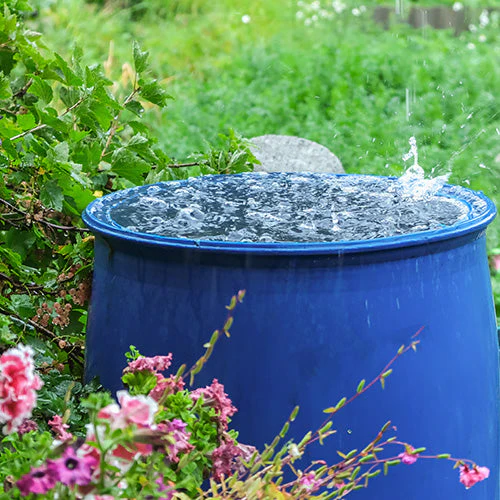
Before diving into collection methods, it’s important to understand why rainwater is the best water source for plants.
1. It’s Chemical-Free
Tap water often contains chlorine, fluoride, and other additives that can affect soil microbes over time. Rainwater is naturally clean and gentle.
2. It’s Rich in Natural Nutrients
Rainwater contains:
- Nitrates
- Oxygen
- Trace minerals
These boost plant growth and improve leaf color.
3. It’s Soft Water
Soft water is more easily absorbed by plant roots, helping them stay hydrated during hot weather.

4. It Saves Money
Using rainwater reduces your water bill, especially during peak gardening months.
5. It’s Better for the Environment
Harvesting rainwater reduces runoff, prevents soil erosion, and ensures sustainable water use.
1. Understand How Much Rainwater You Can Collect
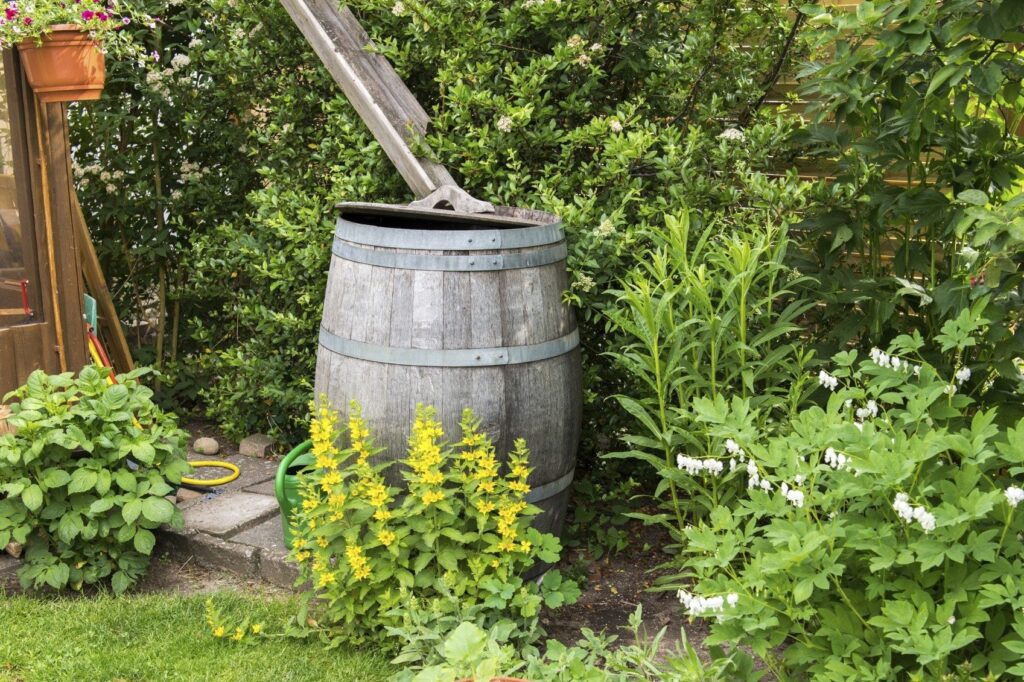
The first step is knowing how much rainwater you can potentially harvest. This depends on:
- Roof or balcony size
- Amount of rainfall in your region
- Collection container size
Simple Rainwater Collection Formula
1 square meter of roof area collects 1 liter of water for every 1 mm of rainfall.
Example:
A 10 sq. meter balcony receiving 20 mm of rain =
10 × 20 = 200 liters of rainwater collected
This helps you estimate how many containers you need.
2. Start With the Simplest Method: Direct Collection in Containers
If you’re new to rainwater harvesting, start with the easiest method.
How to Do It
- Place buckets, tubs, or basins in open areas.
- Let rainwater collect naturally.
- Cover or filter before storing.
Tips
- Use food-grade containers.
- Avoid using containers that previously held chemicals.
- Keep lids on when not collecting to prevent mosquitoes.
This method is perfect for balconies and terraces.
3. Use a Rain Barrel System
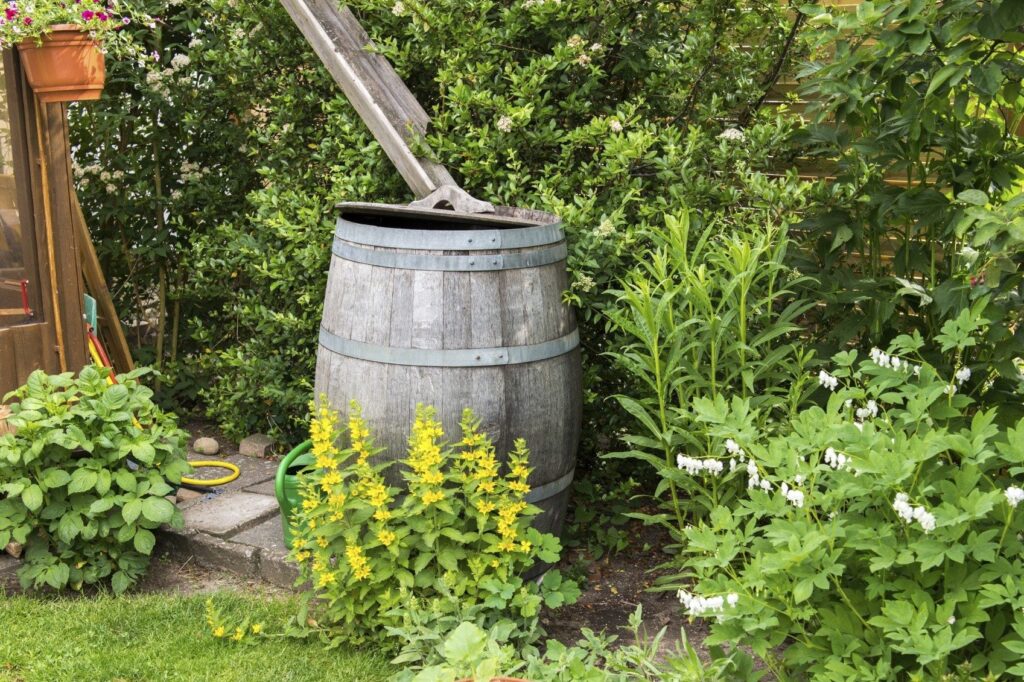
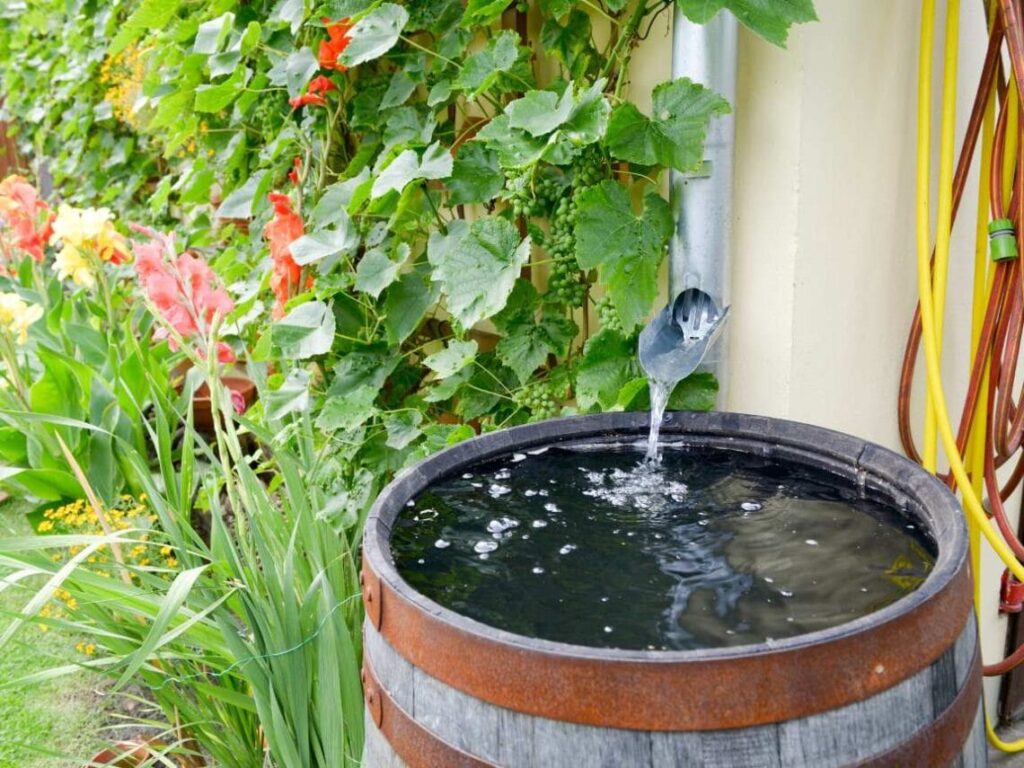
A rain barrel is one of the most common and efficient ways to collect rainwater from rooftops.
How a Rain Barrel Works
- Gutters catch rainwater from the roof.
- Water flows through downspouts.
- A pipe directs the water into the barrel.
Choosing the Right Rain Barrel
Look for:
- 100–250 liter capacity
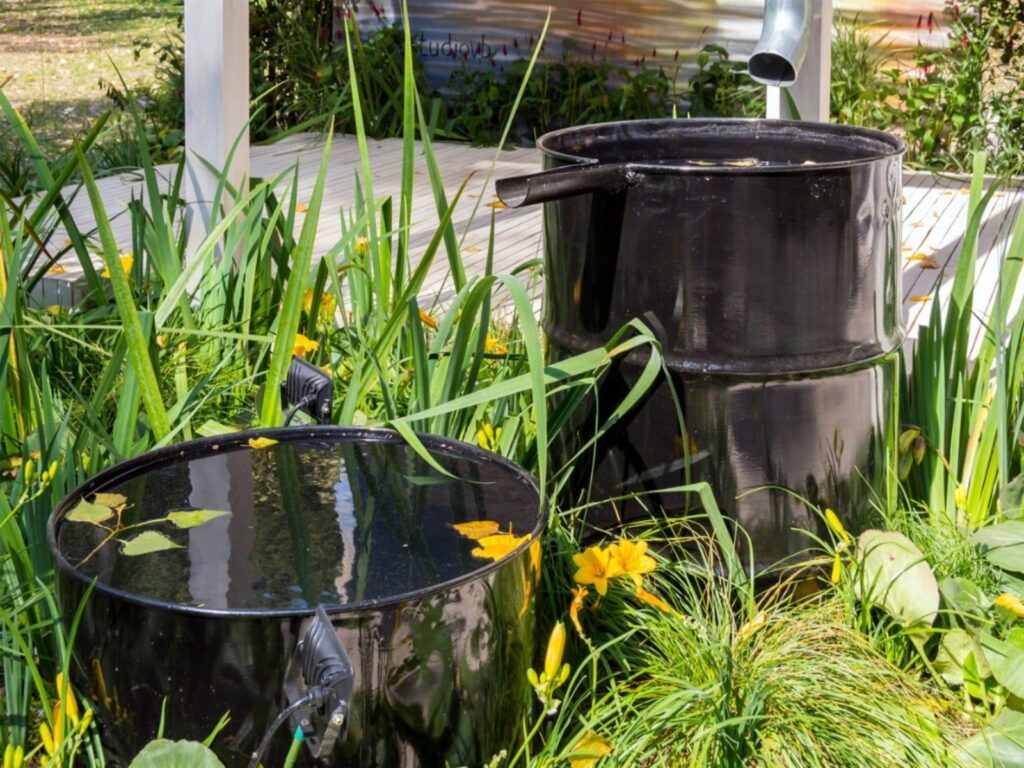
- Durable material (metal, wood, or thick plastic if unavoidable)
- A tight lid to prevent debris and insects
- A bottom tap for easy water access
Benefits
- Low-cost
- Easy to install
- Can store large amounts of water
DIY Tip
You can also make a rain barrel using:
- A large drum
- A drill
- A tap kit
- A mesh screen for filtering
4. Set Up a Complete Rainwater Harvesting System
For those who want a more professional and long-term setup, a full rainwater harvesting system is ideal.

Components of a Full System
- Roof catchment area
- Gutters and downspouts
- First-flush diverter (removes dirty initial water)
- Filter mesh (removes leaves and debris)
- Storage tank (500–2000 liters)
- Overflow pipe
- Tap and hose connection
Advantages
- Maximum water collection
- Suitable for large gardens
- Clean, filtered water
- Long-term sustainability
This setup requires some initial investment, but the cost pays off in a few years.
5. Balcony and Apartment Rainwater Collection Methods
Don’t have a rooftop? No problem! Apartment dwellers can still collect rainwater.
Methods for Balconies
- Place multiple buckets where rain falls directly.
- Use vertical stacking to save space.
- Attach rain chains to direct water into a container.
- Install a mini gutter system using PVC trays.
Mini DIY Balcony Rainwater Collection
You’ll need:
- A plastic or metal tray
- Small pipe or funnel
- A storage bucket
- A mesh screen
The tray catches rainwater, funnels it down, and stores it for use.
6. Filter Rainwater Before Using It for Plants
Though rainwater is clean, it can pick up dust, pollen, and small debris.
Easy Filtering Methods
- Use a fine mesh cloth or strainer.
- Install a net cover over collection buckets.
- Use a sand-charcoal filter (advanced option).
Filtering prevents clogging and keeps water safe for sensitive plants.

7. Store Rainwater Properly
Proper storage ensures the water stays fresh and safe.
Rules for Storing Rainwater
- Keep containers covered to block sunlight.
- Avoid stagnant open water.
- Use dark containers to prevent algae.
- Clean barrels every 2–3 months.
Prevent Mosquito Breeding
- Use tight lids.
- Add a mesh screen.
- Add a thin layer of cooking oil to the water surface (optional and safe for plants).
8. Use Rainwater the Right Way for Plants
Now that you’ve collected and stored rainwater, how do you use it effectively?
Best Ways to Use Rainwater
- Water plants early morning or evening
- Use for seedlings and sensitive plants
- Feed indoor plants after bringing water to room temperature
- Mix with organic fertilizers like compost tea for extra nutrients
- Use in hydroponics (filtered water only)
Plants That Love Rainwater
- Ferns
- Philodendrons
- Spider plants
- Palms
- Indoor leafy plants
- Vegetables like spinach, okra, tomatoes
- Flowering plants like hibiscus and roses
Rainwater hydrates plants deeply, leading to healthier leaves and stronger roots.
9. Use Rainwater for Composting and Fertilizer Making
Rainwater improves the quality of homemade organic fertilizers.
Use Rainwater For:
- Compost tea
- Banana peel tea
- Seaweed fertilizer
- Fermented plant juice (FPJ)
- Worm bin moisture
Rainwater is “alive” with natural microbes, boosting compost breakdown and nutrient availability.
10. Troubleshooting Common Rainwater Collection Issues
1. Algae Growth
- Use dark-colored barrels
- Keep containers shaded
- Clean regularly
2. Mosquito Larvae
- Add mesh covers
- Use mosquito dunks (eco-friendly bacterial tablets)
- Keep containers sealed
3. Overflow Problems
- Install overflow pipes
- Use extra containers during heavy rains
4. Dirty Water
- Use a first-flush diverter
- Clean gutters regularly
11. Legal and Safety Considerations (Depending on Region)
In some regions, rainwater harvesting is regulated. Always check:
- Local laws
- Permissions for rooftop systems
- Whether large tanks are allowed
For plant use, rainwater is almost always permitted.
Final Thoughts: Harvest Nature’s Gift for a Greener Garden
Collecting rainwater is one of the most rewarding and sustainable gardening practices. It’s simple, cost-effective, and highly beneficial for your plants. Whether you set up a basic bucket system or a full-scale harvesting structure, every drop of rainwater you save helps the environment and reduces your dependence on treated water.
With just a little preparation and creativity, you can turn rainy days into an opportunity—fueling your garden naturally, sustainably, and beautifully.