Spinach is one of the healthiest leafy greens you can grow at home. Packed with vitamins, minerals, and antioxidants, it’s perfect for salads, smoothies, soups, and stir-fries. The best part? Spinach is easy to grow at home, whether in your garden, balcony, or even in containers. By following the right techniques, you can enjoy fresh, organic spinach all year round. This comprehensive guide provides full information from sowing seeds to harvesting, along with updated tips to maximize growth and yield.
Why Grow Spinach at Home?
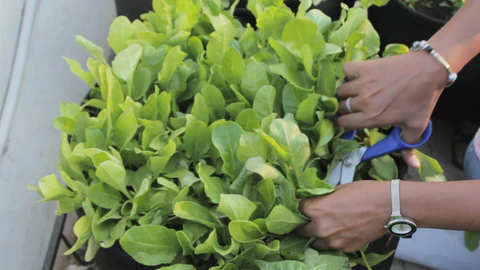
Growing spinach at home comes with multiple benefits:
- Fresh and nutritious: Homegrown spinach is fresher and healthier than store-bought greens.
- Cost-effective: Seeds are inexpensive, and one sowing can provide multiple harvests.
- Chemical-free: Control over fertilizers and pesticides ensures safe, organic produce.
- Year-round availability: Spinach grows quickly and can be harvested continuously with proper care.
- Fun and educational: Gardening teaches patience and responsibility, and it’s a great way to involve kids.
Spinach grows quickly, making it ideal for beginner gardeners who want fast results.
Step 1: Choose the Right Variety
Selecting the right spinach variety is key for healthy growth:
- Savoy spinach: Curly, dark green leaves with a robust flavor.
- Flat-leaf spinach: Smooth, tender leaves, ideal for salads.
- Semi-savoy spinach: Combination of curly and smooth leaves, easy to grow and harvest.
Tip: Choose a variety suitable for your climate. Flat-leaf spinach is usually better for hot climates, while savoy varieties thrive in cooler temperatures.
Step 2: Select a Growing Space
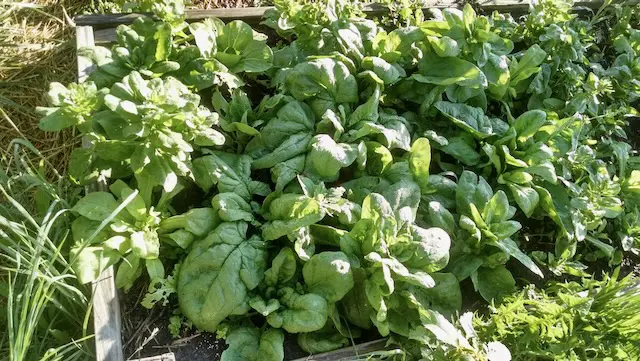
Spinach is versatile and can grow in different spaces:
- Garden beds: Choose well-drained, fertile soil with plenty of organic matter.
- Containers: Use pots or grow bags with a minimum depth of 6–8 inches.
- Indoor growing: Spinach can grow indoors on windowsills with sufficient sunlight or under grow lights.
Tip: Spinach prefers partial to full sunlight—at least 4–6 hours of sun per day.
Step 3: Prepare the Soil
Healthy soil is crucial for vigorous growth:
- Use well-draining soil rich in organic matter.
- Maintain a pH of 6.0–7.5 for optimal nutrient absorption.
- Incorporate compost or well-rotted manure before sowing seeds.
Tip: Avoid heavy clay soil or waterlogged areas, as spinach roots are shallow and prone to rot.
Step 4: Sow Seeds Properly
Spinach seeds are easy to sow and germinate quickly:
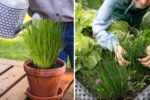
- Sow seeds directly in the soil or containers.
- Plant seeds ½ inch deep and cover lightly with soil.
- Space seeds 2 inches apart in rows, leaving 12–15 inches between rows.
- For continuous harvest, sow seeds every 2–3 weeks.
Tip: Lightly water the soil after sowing to keep it moist, not soggy.
Step 5: Watering and Moisture Management
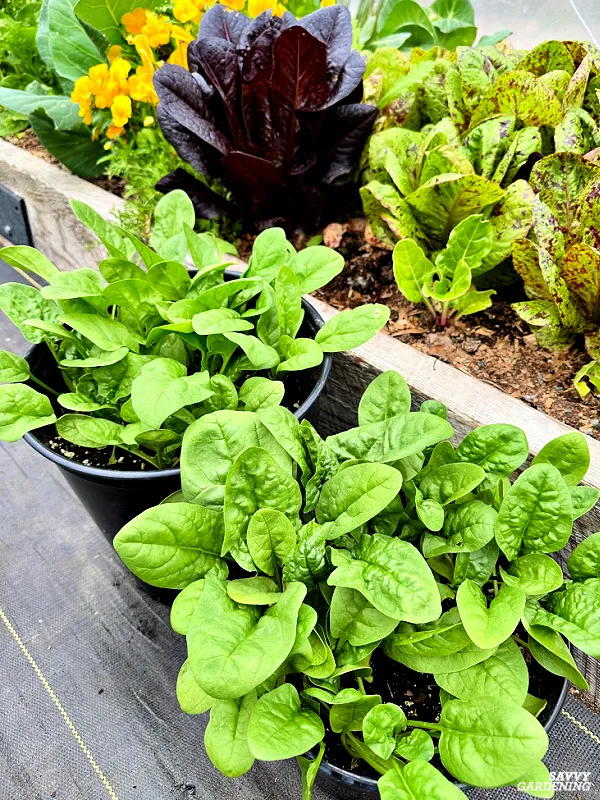
Spinach needs consistent moisture for fast growth:
- Water regularly, keeping the soil evenly moist.
- Avoid overwatering, which can cause root rot or fungal diseases.
- Mulch around plants to retain moisture and control weeds.
Tip: Morning watering is ideal, as it reduces the risk of fungal infections and ensures soil dries before night.
Step 6: Fertilization and Nutrition
Proper nutrition boosts leaf growth and flavor:
- Apply a balanced liquid fertilizer every 2–3 weeks during the growing season.
- Use compost tea or organic fertilizers to enrich the soil.
- Spinach is a leafy green, so nitrogen-rich fertilizers promote lush, green leaves.
Tip: Avoid over-fertilization, which may produce leaves with a strong or bitter taste.
Step 7: Pest and Disease Management
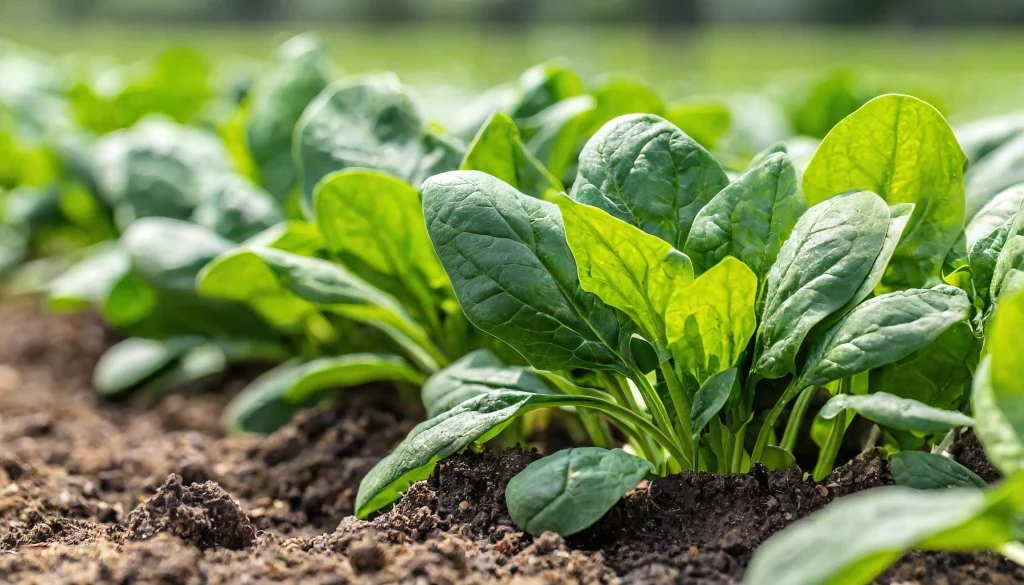
Spinach is relatively resistant to pests, but some common issues include:
- Aphids: Tiny insects that cluster on leaves. Wash them off with water or use neem oil.
- Leaf miners: Larvae that create trails in leaves. Remove affected leaves promptly.
- Fungal diseases: Downy mildew or damping-off can affect seedlings. Ensure proper spacing, sunlight, and avoid waterlogging.
Tip: Regularly inspect plants and remove any damaged or diseased leaves immediately.
Step 8: Thinning and Maintenance
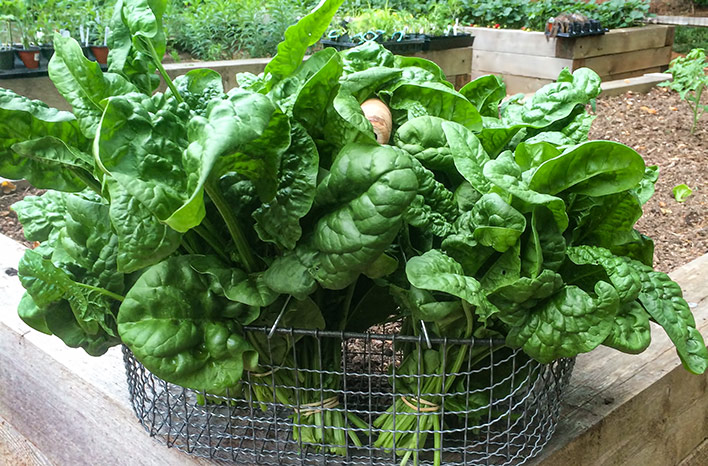
Thinning is essential for healthy, strong spinach plants:
- When seedlings have 2–3 true leaves, thin them by removing weaker plants.
- Maintain spacing of 4–6 inches between seedlings to ensure airflow and growth.
- Regularly remove yellow or damaged leaves to encourage new growth.
Tip: Thinned seedlings can be transplanted to another spot, reducing waste.
Step 9: Harvesting Spinach
Spinach can be harvested multiple times during its growth:

- Baby leaves: Harvest when leaves are 3–4 inches long for tender, mild-flavored greens.
- Mature leaves: Harvest after 6–8 weeks when leaves are fully grown.
- Cut-and-come-again method: Harvest outer leaves first, leaving inner leaves to continue growing.
Tip: Morning harvesting ensures the freshest, crispest leaves. Avoid harvesting all leaves at once, as the plant will stop producing.
Step 10: Seed Saving for Future Crops
Spinach produces seeds if left to bolt (flower and seed):
- Allow one or two healthy plants to bolt and produce seed stalks.
- Wait until seed pods dry and turn brown.
- Collect seeds carefully and store them in cool, dry conditions for future sowing.
Tip: Seed saving ensures you always have your favorite spinach variety and reduces the need to buy new seeds every season.
Step 11: Tips for Year-Round Spinach Growth
- Cool-season crop: Spinach grows best in cooler temperatures (10–20°C).
- Indoor growing: During hot months, grow spinach indoors to prevent bolting.
- Succession planting: Sow seeds every 2–3 weeks for continuous harvest.
- Container gardening: Use pots or grow bags to control soil and water easily.
Tip: Avoid high temperatures, which can cause bolting and bitter leaves.
Bonus Gardening Hacks
- Soak seeds before planting: Soak spinach seeds in water for a few hours to speed up germination.
- Use shade cloth in summer: Protect plants from heat and prolong the growing season.
- Mulch with straw or leaves: Conserves moisture and prevents weeds.
- Rotate crops: Avoid planting spinach in the same spot each season to reduce pests and disease.
These simple hacks help ensure faster growth, higher yield, and healthier plants.

Conclusion
Growing spinach at home is easy, rewarding, and cost-effective. By selecting the right variety, preparing soil, sowing seeds correctly, managing water and nutrients, controlling pests, and harvesting strategically, you can enjoy fresh, organic spinach year-round.
Whether you’re a beginner or an experienced gardener, following these steps will help you grow healthy, tender, and flavorful leaves straight from your garden or balcony. With proper care and continuous sowing, spinach can become a sustainable, nutritious, and delicious addition to your home garden.
Start today, and enjoy the satisfaction of harvesting your own homegrown spinach while reaping the health benefits of fresh, organic greens every day!