Growing vegetables in containers is an ideal solution for anyone with limited space, whether you have a balcony, terrace, small yard, or even a sunny windowsill. Container gardening allows you to cultivate a variety of vegetables right at home, making fresh, organic produce accessible year-round. With the right techniques, you can enjoy abundant harvests, regardless of your space constraints. This complete guide provides full information on how to grow vegetables in containers, from selecting containers and soil to planting, watering, and harvesting.
Why Grow Vegetables in Containers?
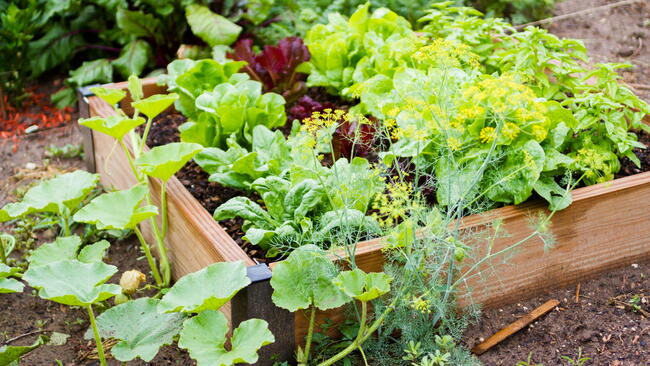
Container gardening offers several advantages:
- Space-saving: Ideal for apartments, terraces, and small yards.
- Control over soil and nutrients: Use high-quality potting mix to provide optimal growth.
- Mobility: Containers can be moved to follow sunlight or protect plants from extreme weather.
- Pest and disease management: Easier to control than in-ground gardens.
- Variety: Grow leafy greens, herbs, root vegetables, and even small fruiting plants.
- Year-round gardening: With indoor containers or terrace gardens, seasonal limitations are reduced.
Whether you’re a beginner or experienced gardener, container gardening opens a world of possibilities for fresh, homegrown vegetables.
Step 1: Choose the Right Containers
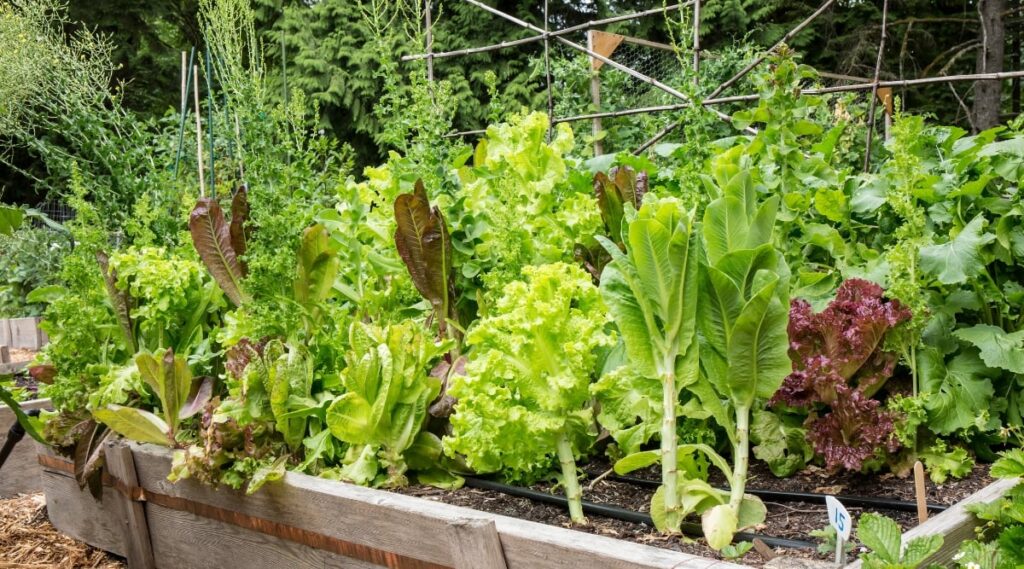
Selecting appropriate containers is critical for plant health and productivity:
- Size matters: Larger vegetables like tomatoes, peppers, and eggplants need containers with at least 12–18 inches depth. Leafy greens like lettuce, spinach, and herbs can grow in shallower containers (6–8 inches).
- Material: Plastic, ceramic, clay, or fabric pots work well. Plastic retains moisture, while clay allows better aeration. Fabric grow bags are lightweight and breathable.
- Drainage: Ensure containers have holes at the bottom to prevent waterlogging and root rot.
Tip: Repurpose old buckets, crates, or boxes as DIY containers for sustainable gardening.
Step 2: Select the Best Soil
The right soil mix is essential for healthy container-grown vegetables:
- Use high-quality potting mix rather than garden soil; it ensures better drainage and nutrient retention.
- Mix in compost, vermicompost, or well-rotted manure for added fertility.
- Optional: Add perlite or vermiculite to improve aeration and drainage.
Tip: Avoid heavy clay soil in containers—it can suffocate roots and retain excess water.
Step 3: Choose Vegetables Suitable for Containers
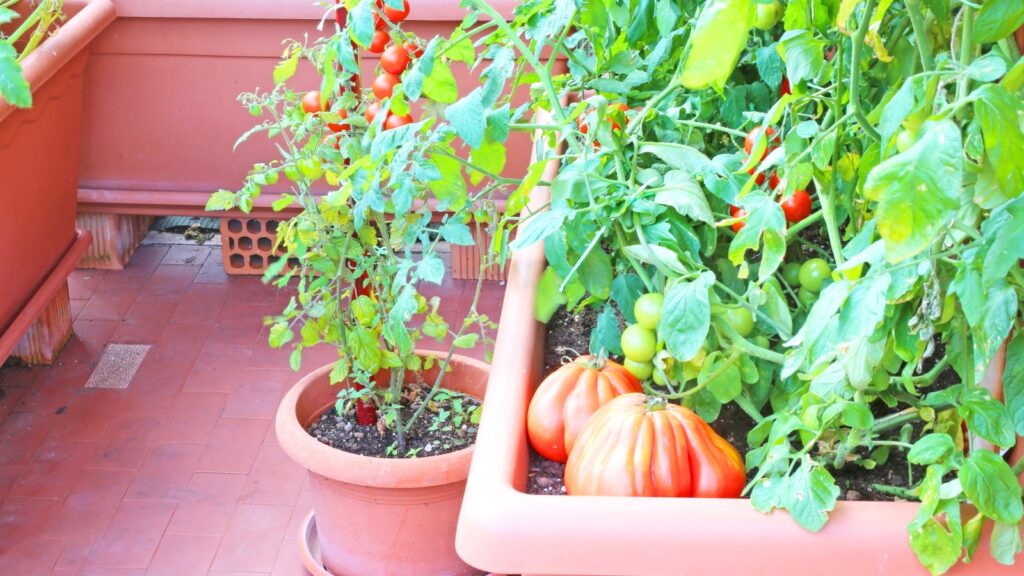
Almost any vegetable can grow in containers if conditions are right, but some are particularly well-suited:
- Leafy greens: Lettuce, spinach, kale, and arugula.
- Herbs: Basil, mint, cilantro, parsley, and thyme.
- Root vegetables: Radishes, carrots, beets, and turnips.
- Fruit-bearing plants: Tomatoes, peppers, dwarf cucumbers, and eggplants.
- Compact varieties: Many seed suppliers offer “container-friendly” or dwarf vegetable varieties.
Tip: Start with fast-growing, easy-to-harvest plants like leafy greens and herbs if you’re a beginner.
Step 4: Sowing Seeds or Transplanting Seedlings
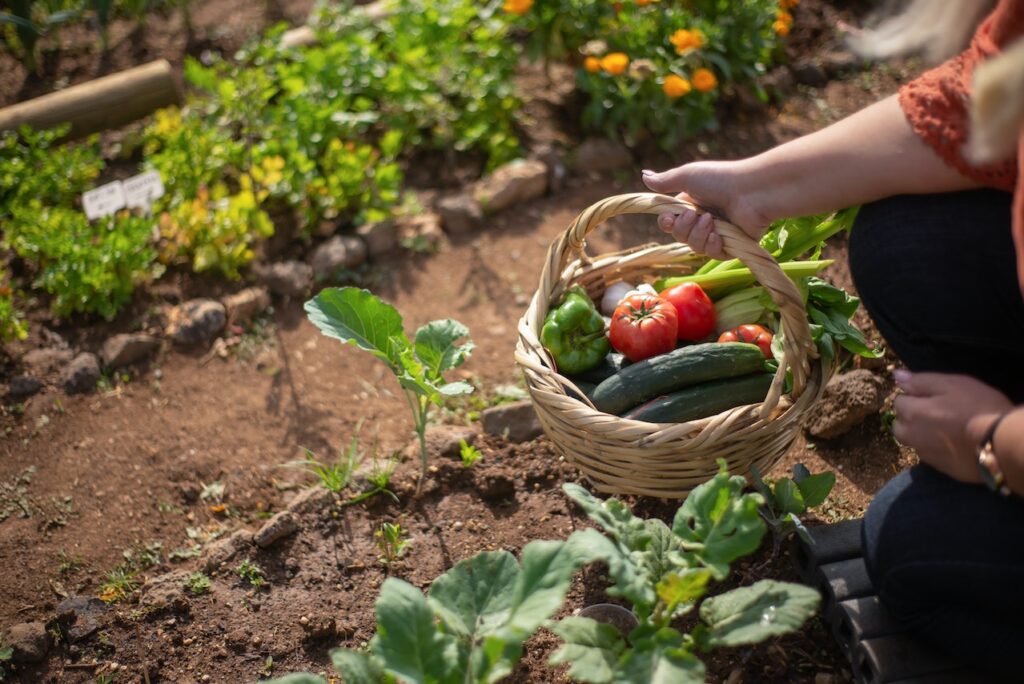
Depending on your choice, you can start from seeds or buy seedlings:
- Seeds: Sow according to packet instructions, typically ¼–½ inch deep for most vegetables. Keep the soil moist until germination.
- Seedlings: Transplant carefully to avoid disturbing roots. Plant at the same depth they were growing in trays.
- Spacing: Maintain recommended spacing to allow airflow and prevent overcrowding.
Tip: For continuous harvest, practice succession planting, sowing seeds every 2–3 weeks.
Step 5: Watering and Moisture Management
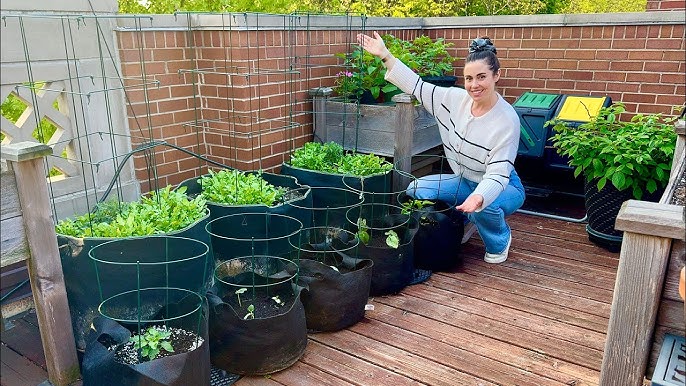
Container-grown vegetables require consistent watering:
- Check soil moisture daily; top inch should be damp, not soggy.
- Use a watering can or drip system for gentle, even watering.
- Mulch with straw, shredded leaves, or coco peat to retain moisture and reduce evaporation.
Tip: Morning watering reduces fungal problems and helps plants endure daytime heat.
Step 6: Fertilization and Nutrients
Container vegetables need regular nutrition since soil nutrients can deplete quickly:
- Apply liquid fertilizers every 2–3 weeks.
- Use organic options like compost tea, fish emulsion, or vermicompost extract.
- Leafy vegetables benefit from nitrogen-rich fertilizers, while fruiting plants need balanced NPK fertilizers.
Tip: Avoid over-fertilization; excessive nitrogen can lead to lush foliage but fewer fruits.
Step 7: Sunlight and Temperature
Vegetables need adequate light for photosynthesis and growth:
- Most vegetables require 4–6 hours of direct sunlight daily.
- In hot climates, provide partial shade during peak afternoon hours to prevent leaf burn.
- In cooler months, move containers to sunny spots or use reflective surfaces to maximize light.
Tip: Indoor container gardening may require grow lights to supplement sunlight.
Step 8: Supporting Tall or Vining Plants
Some vegetables need support for proper growth:
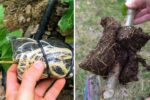
- Tomatoes: Use stakes, cages, or trellises.
- Cucumbers and beans: Train on vertical supports or trellises.
- Peppers and eggplants: May require stakes for heavy fruit.
Tip: Supporting plants keeps them off the soil, reducing the risk of rot and pests.
Step 9: Pest and Disease Management
Container gardening reduces but doesn’t eliminate pest problems:
- Common pests: Aphids, whiteflies, slugs, and spider mites.
- Natural solutions: Neem oil, insecticidal soap, or manual removal.
- Fungal issues: Overwatering can cause root rot or damping-off; ensure proper drainage.
Tip: Regularly inspect leaves and stems to catch problems early.
Step 10: Pruning and Maintenance
Proper care keeps plants healthy and productive:
- Leafy greens: Harvest outer leaves regularly to encourage new growth.
- Fruit-bearing plants: Remove dead or yellow leaves; prune lightly to improve airflow.
- Root vegetables: Thin seedlings to avoid overcrowding and ensure proper growth.
Tip: Regular maintenance increases yield and prevents disease.
Step 11: Harvesting Your Vegetables
Harvest vegetables at peak maturity for the best flavor and nutrition:
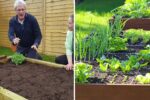
- Leafy greens: Pick leaves when they reach 3–6 inches for tender leaves.
- Herbs: Harvest frequently to encourage new growth.
- Fruiting vegetables: Pick tomatoes, peppers, and cucumbers when fully colored and firm.
- Root vegetables: Harvest according to size recommendations; carrots and radishes mature quickly.
Tip: Harvest in the morning for the freshest produce and to reduce plant stress.
Step 12: Year-Round Container Gardening Tips
- Succession planting: Sow seeds every 2–3 weeks for continuous harvest.
- Rotate crops: Prevent soil nutrient depletion and pests.
- Indoor options: Use grow lights during winter or low-light conditions.
- Companion planting: Plant compatible vegetables together to maximize space and improve growth.
Tip: With careful planning, container gardening can provide a continuous supply of fresh vegetables all year round.
Bonus Gardening Hacks for Container Vegetables
- DIY fertilizers: Use kitchen waste like banana peels, eggshells, or tea leaves.
- Self-watering containers: Reduce watering frequency by using self-watering pots.
- Vertical gardening: Save space by growing vining crops on trellises or wall-mounted containers.
- Label plants: Keep track of varieties, sowing dates, and harvest times for organized gardening.
These hacks improve productivity, simplify maintenance, and enhance container gardening success.
Conclusion
Growing vegetables in containers is a practical and rewarding way to enjoy fresh, homegrown produce regardless of your space constraints. By selecting the right containers, preparing fertile soil, choosing suitable vegetables, managing water and nutrients, and following proper maintenance practices, you can create a thriving container garden.
From leafy greens and herbs to root vegetables and small fruiting plants, container gardening allows for continuous harvest, year-round enjoyment, and complete control over plant health. Whether you are a beginner or an experienced gardener, these techniques make growing vegetables at home easy, productive, and fun.
Start your container garden today, and transform your balcony, terrace, or small yard into a lush, vibrant vegetable paradise!