Roses are often called the queen of flowers, admired for their stunning beauty, fragrance, and symbolic charm. Growing roses at home is not only rewarding but can also transform your garden, balcony, or terrace into a vibrant paradise. While roses have a reputation for being a bit tricky, with the right techniques, you can grow them fast and easy, even as a beginner. This comprehensive guide will walk you through selecting, planting, and caring for rose plants to ensure a flourishing garden full of blooms.
Why Grow Roses at Home?
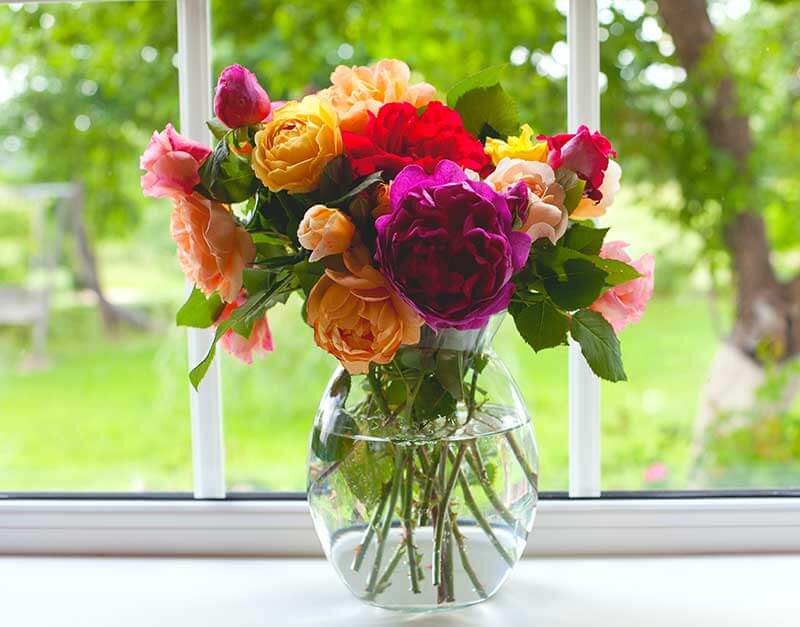
Growing roses at home has several benefits:
- Aesthetic Appeal: Roses add elegance and color to any garden.
- Fragrance: Many varieties emit a wonderful scent that enhances your home environment.
- Therapeutic: Gardening is known to reduce stress, and tending roses can be especially calming.
- Versatile Use: Use roses for decoration, gifting, making rose water, or creating potpourri.
- Easy Propagation: Roses can be propagated from cuttings, making it easy to expand your garden.
Choosing the Right Rose Variety
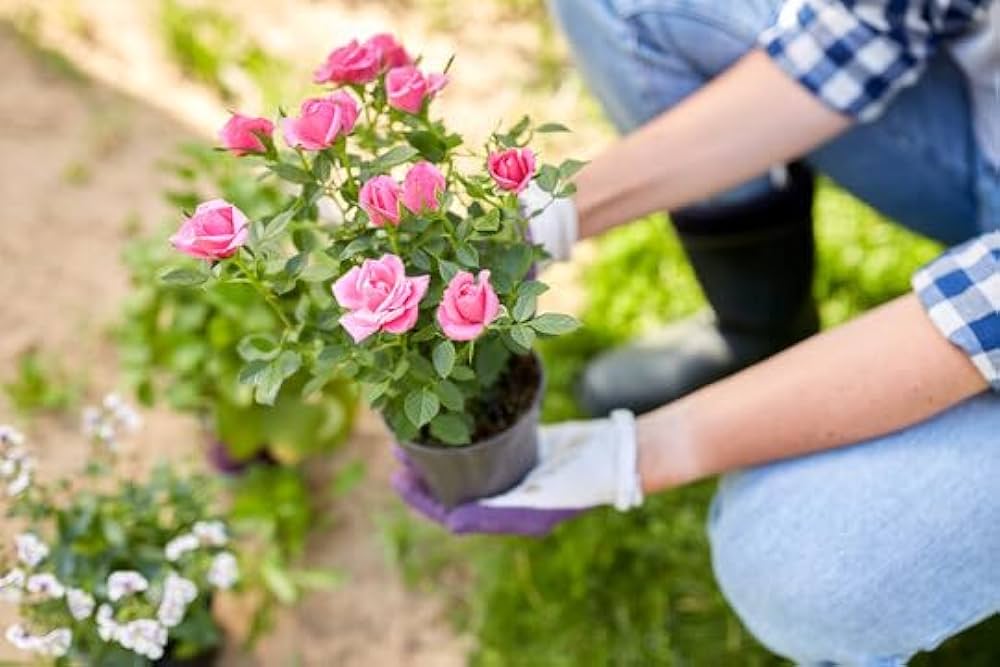
Selecting the right rose variety is crucial for fast growth and frequent flowering:
- Hybrid Tea Roses: Large, single blooms; ideal for cut flowers.
- Floribunda Roses: Clustered blooms that produce vibrant color throughout the season.
- Climbing Roses: Great for trellises, fences, or walls.
- Miniature Roses: Compact plants suitable for pots and small spaces.
- Local Varieties: Often more resilient to local pests and weather conditions.
For beginners looking for fast growth, Floribunda and miniature roses are ideal because they bloom quickly and are relatively low-maintenance.
Ideal Conditions for Growing Rose Plants
To grow roses successfully, it’s important to provide the right environment:
- Sunlight: Full sun for at least 6 hours a day ensures healthy growth and abundant blooms.
- Soil: Well-draining, fertile soil rich in organic matter. A slightly acidic to neutral pH (6.0–7.0) is ideal.
- Watering: Roses require consistent moisture, especially during flowering, but avoid waterlogging.
- Air Circulation: Proper spacing prevents fungal infections and encourages strong growth.
Materials Needed
Before planting, gather the following essentials:

- Healthy rose plants or cuttings
- Fertile garden soil or potting mix
- Compost or well-rotted manure
- Mulch for moisture retention
- Watering can or drip irrigation system
- Stakes or trellis for support (for taller varieties)
- Fertilizers (organic or NPK-based)
Step-by-Step Guide to Growing Rose Plants Fast & Easy
Step 1: Selecting Healthy Plants or Cuttings
- Choose healthy rose saplings with green stems, no pests, and strong roots.
- For propagation, take cuttings from mature rose plants, preferably 6–8 inches long, and ensure they have 2–3 leaf nodes.
Step 2: Preparing the Soil
- Loosen the soil to a depth of 12–15 inches.
- Mix in compost or well-rotted manure to improve fertility.
- Ensure good drainage to prevent root rot.
Step 3: Planting
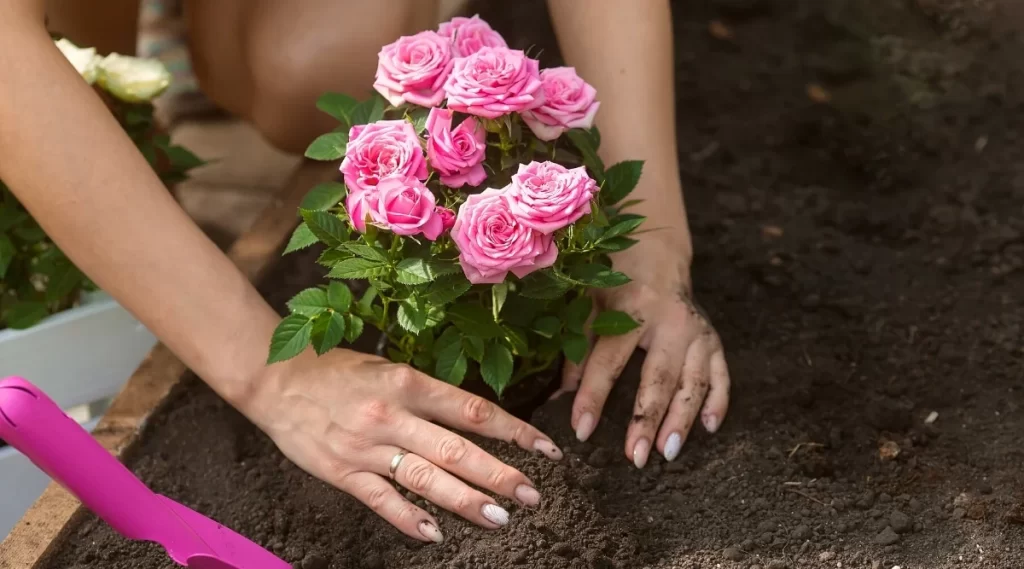
- For Saplings: Dig a hole slightly larger than the root ball, place the plant, fill the hole with soil, and water immediately.
- For Cuttings: Dip the cut end in rooting hormone (optional), plant in well-draining soil, and water lightly. Cover with a plastic bag or transparent cover to maintain humidity until roots form.
Step 4: Watering
- Water immediately after planting and keep the soil consistently moist.
- Avoid overhead watering to prevent fungal infections; water at the base of the plant.
- Increase watering frequency during hot, dry seasons.
Step 5: Fertilization
- Roses are heavy feeders. Apply balanced fertilizers or organic compost every 3–4 weeks.
- During flowering, use a phosphorus-rich fertilizer to encourage blooms.
- Avoid excessive nitrogen, which encourages leafy growth but reduces flower production.
Step 6: Pruning and Maintenance
- Prune roses regularly to remove dead or diseased stems and encourage new growth.
- Pruning helps maintain plant shape, improves air circulation, and stimulates flowering.
- Remove spent flowers (deadheading) to encourage continuous blooming.
Step 7: Mulching
- Apply a layer of organic mulch (straw, dried leaves, or cocopeat) around the base to retain moisture, regulate soil temperature, and prevent weeds.
- Mulching also reduces the risk of soil-borne diseases.
Step 8: Pest and Disease Management
- Common pests: aphids, spider mites, thrips, and caterpillars.
- Common diseases: black spot, powdery mildew, and rust.
- Use neem oil, insecticidal soap, or organic fungicides to control pests and diseases.
- Ensure proper spacing and sunlight to reduce fungal infections.
Step 9: Supporting Taller Plants
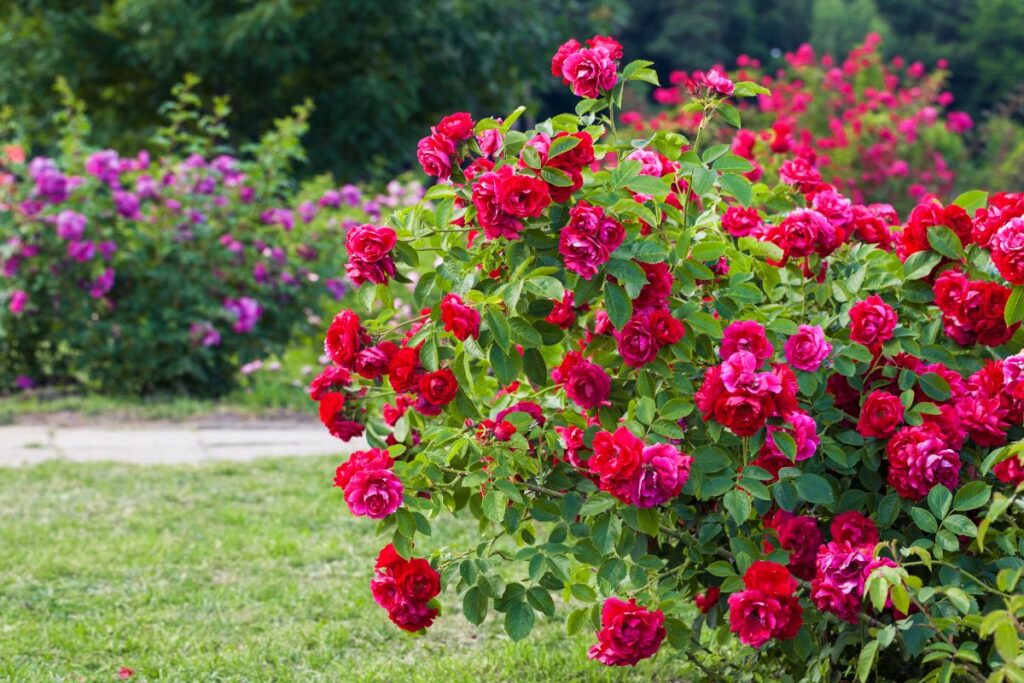
- Climbing or tall rose varieties may require stakes or trellises.
- Tie stems loosely to supports using soft ties to avoid damage.
- This encourages upright growth and prevents breakage under the weight of blooms.
Step 10: Harvesting and Enjoying Flowers
- Roses bloom in cycles; pick flowers early in the morning when they are fresh and fragrant.
- Regular harvesting encourages new blooms.
- Use flowers for home décor, gifting, or homemade rose products.
Tips for Growing Roses Fast
- Choose Fast-Growing Varieties: Floribunda and miniature roses bloom faster and frequently.
- Use Rooted Cuttings: Cuttings from healthy plants establish quickly.
- Maintain Consistent Watering: Prevent stress that slows growth.
- Fertilize Properly: Balanced feeding encourages faster flowering.
- Protect from Extreme Weather: Move container roses to shade during intense heat.
Nutritional and Decorative Uses
Roses are not just ornamental; they offer multiple uses:
- Rose Water: Extracted from petals for culinary or cosmetic use.
- Tea: Rose petals and buds can be used to make soothing teas.
- Garnishes: Add petals to desserts or salads for color and flavor.
- Home Décor: Fresh-cut roses brighten homes and add fragrance.
Common Mistakes to Avoid
- Overwatering: Leads to root rot and fungal infections.
- Neglecting Pruning: Dead stems reduce flowering and airflow.
- Planting in Shade: Insufficient sunlight reduces bloom frequency.
- Ignoring Pests: Aphids and mites can damage growth if left untreated.
- Over-Fertilization: Too much nitrogen produces lush leaves but few flowers.
Conclusion
Growing roses fast and easy is achievable with the right approach. By selecting healthy plants, providing optimal sunlight, maintaining consistent care, and practicing proper pruning and fertilization, even beginner gardeners can enjoy a blooming rose garden in no time. Whether in containers, raised beds, or a backyard garden, roses add elegance, fragrance, and joy to any space.

Start planting today, follow these tips, and watch your rose plants flourish with vibrant, fragrant flowers, making your home garden a stunning floral paradise!