Fig trees are one of the most rewarding fruit plants to grow at home. With their sweet, succulent fruits and compact growth habit, fig trees are ideal for container gardening. You don’t need a large backyard to enjoy fresh figs—growing them in pots is simple and convenient.
In this guide, we’ll show you how to grow fig trees in pots, using cuttings or air layering, two of the easiest propagation methods. You’ll also learn tips on potting, care, and fruiting to ensure healthy, productive fig trees at home.
Why Grow Fig Trees in Pots?
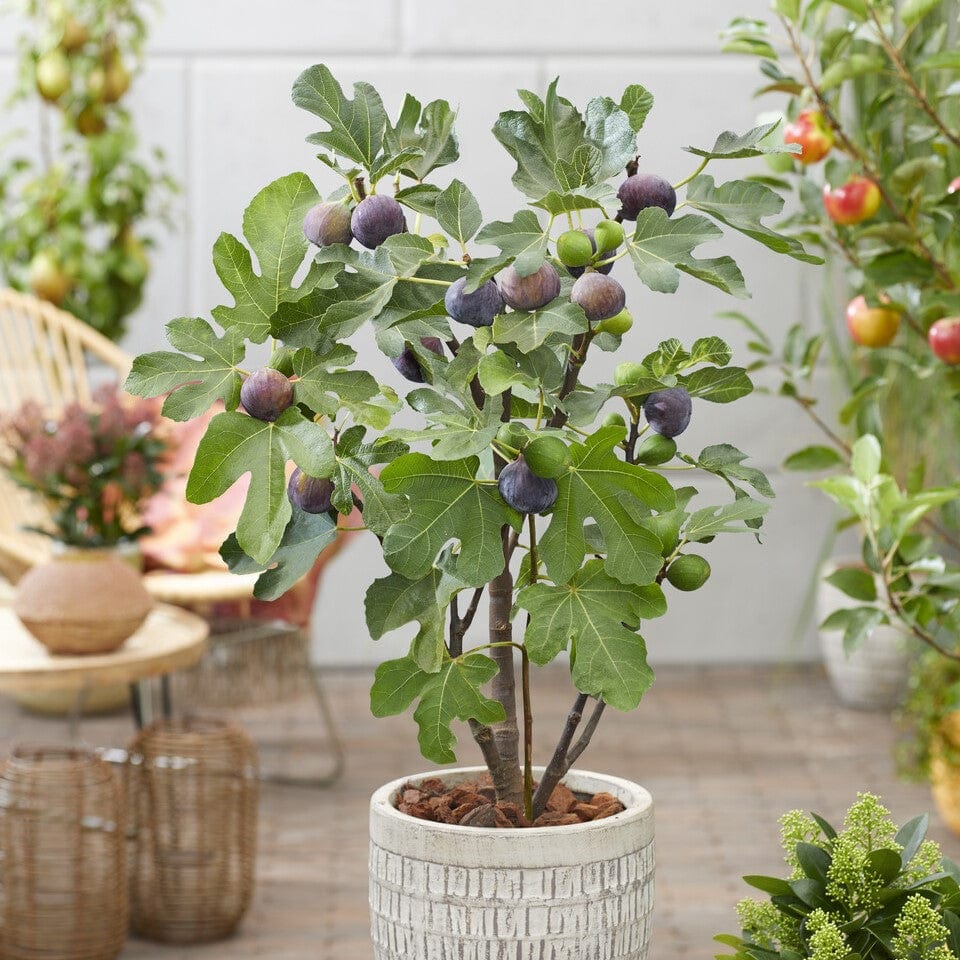
Growing fig trees in pots offers several advantages:
- Space-Saving: Perfect for balconies, patios, and small gardens.
- Mobility: Move plants indoors during winter or extreme weather.
- Control: Easier to manage soil, nutrients, and water.
- Early Fruiting: Potted fig trees often bear fruit faster than those planted in the ground.
- Aesthetic Appeal: Adds greenery and edible beauty to your living space.
Potted fig trees can thrive for years with proper care and occasional pruning.
Step 1: Choosing the Right Fig Variety
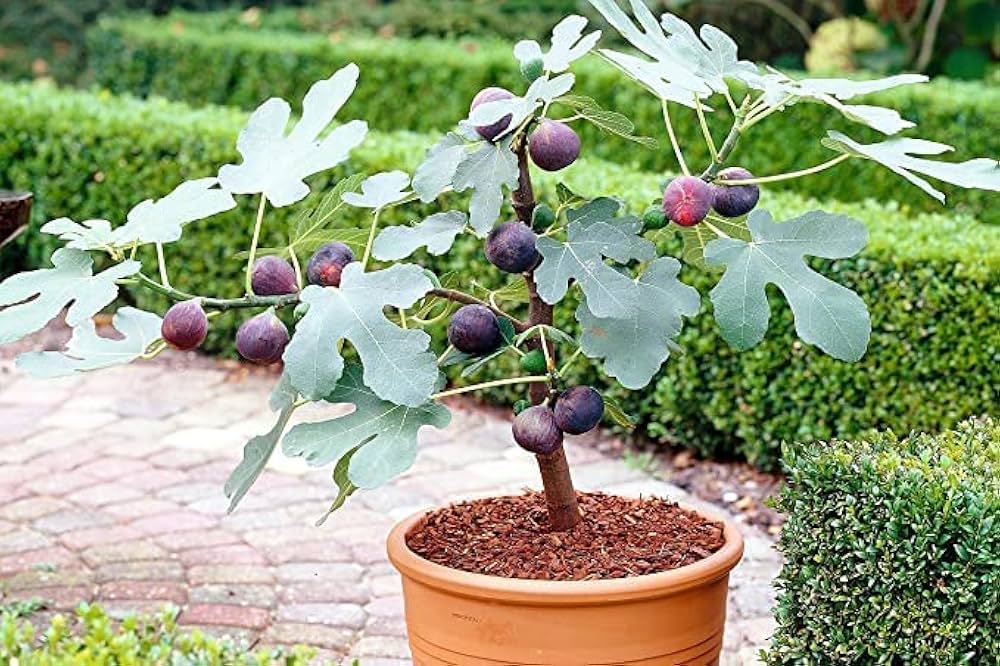
Not all fig varieties are suitable for pots. Consider these factors:
- Compact Varieties: ‘Brown Turkey,’ ‘Petite Negra,’ and ‘Violette de Bordeaux’ are ideal for containers.
- Climate Adaptation: Choose varieties suited to your local climate. Some figs tolerate frost, others thrive in tropical conditions.
- Fruit Preferences: Consider size, color, and sweetness of the fruits you desire.
Selecting the right variety ensures a manageable tree and better fruit production in a pot.
Step 2: Propagation Using Cuttings
Propagating fig trees from cuttings is one of the simplest methods:
- Select a Cutting: Choose a healthy, 8–12 inch (20–30 cm) branch from a mature fig tree with several nodes.
- Prepare the Cutting: Remove leaves from the lower half and make a clean cut at a 45-degree angle.
- Optional Rooting Hormone: Dip the cut end in rooting hormone to improve success rate.
- Plant the Cutting: Insert the cutting 3–4 inches into a pot filled with well-draining soil (mix of compost, sand, and perlite).
- Water and Cover: Keep soil moist and cover the cutting with a plastic bag to maintain humidity.
- Rooting Period: Roots develop in 4–6 weeks. Look for new leaf growth as a sign of successful rooting.
Once the cutting establishes roots, gradually acclimate it to normal conditions before moving it to a larger pot.
Step 3: Propagation Using Air Layering
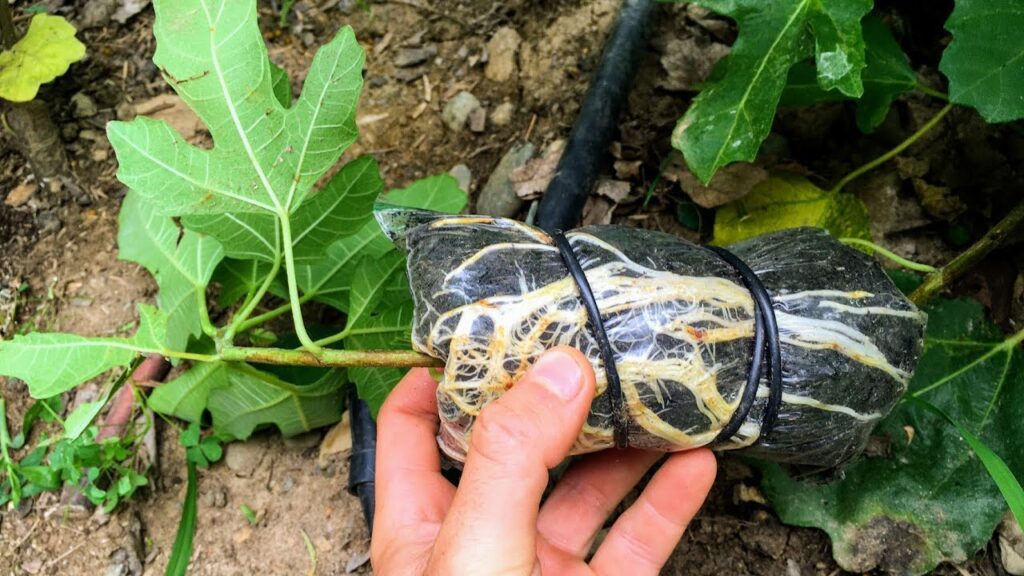
Air layering is another effective method, especially for older fig trees:
- Select a Branch: Choose a healthy branch about the thickness of a pencil.
- Girdle the Branch: Remove a 1–2 inch strip of bark around the branch.
- Apply Rooting Hormone: Optional, but helps speed up root formation.
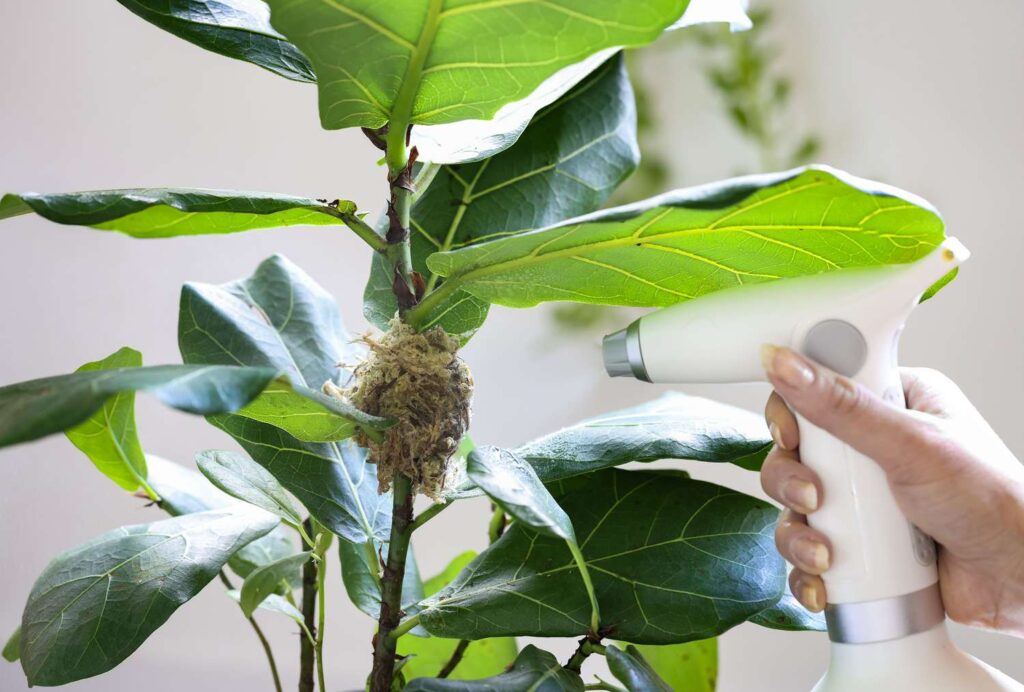
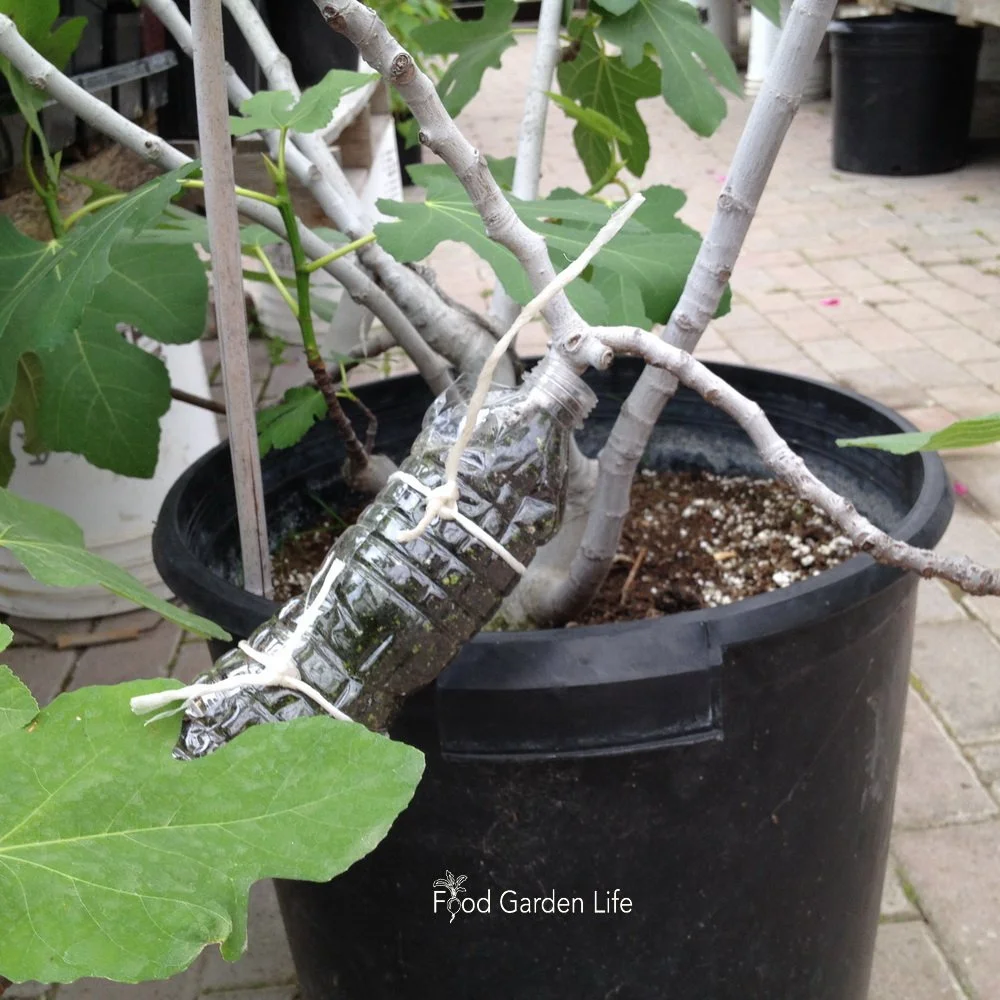
- Wrap with Moist Medium: Use damp sphagnum moss around the girdled area.
- Cover with Plastic: Wrap the moss in plastic and secure with ties to retain moisture.
- Root Development: Roots form in 6–8 weeks. Check periodically to ensure moss stays moist.
- Sever and Plant: Once a dense root mass forms, cut the branch below the roots and plant it in a pot with well-draining soil.
Air layering allows you to propagate larger, mature branches and often produces stronger, fruiting plants faster than cuttings.
Step 4: Choosing the Right Pot and Soil
- Pot Size: Start with at least a 12–15 inch (30–40 cm) pot for cuttings or air-layered plants. Increase pot size as the tree grows.
- Drainage: Ensure the pot has drainage holes to prevent waterlogging.
- Soil Mix: Use a mix of compost, sand, and perlite for aeration and drainage. Fig trees do not like soggy soil.
- Top Layer: Add a thin mulch layer to retain moisture and reduce weed growth.
Choosing the right pot and soil ensures strong root development and prevents common problems like root rot.
Step 5: Planting and Initial Care
- Planting Depth: Plant the cutting or air-layered branch at the same depth it was growing previously.
- Watering: Keep the soil consistently moist but not waterlogged.
- Sunlight: Place the pot in full sun (6–8 hours daily) for optimal growth.
- Support: Young trees may need a stake to keep them upright.
Proper planting and early care set the foundation for a healthy fig tree.
Step 6: Watering and Fertilization
- Watering: Fig trees prefer evenly moist soil. Reduce watering during winter dormancy.
- Fertilization: Use balanced fertilizer (10-10-10 NPK) or organic compost every 4–6 weeks during the growing season.
- Micronutrients: Include magnesium and calcium for strong leaves and fruits.
Regular feeding ensures healthy growth and improves fruiting quality.
Step 7: Pruning and Maintenance
Pruning is essential for potted fig trees to control size and encourage fruit production:
- Remove Dead or Diseased Branches: Prevent disease and improve airflow.
- Shape the Tree: Maintain a manageable size for pot growth.
- Encourage Fruiting: Trim vigorous shoots to stimulate flowering on productive branches.
Pruning also helps maintain a balanced canopy, allowing sunlight to reach all leaves.
Step 8: Pest and Disease Management
Common fig tree pests include aphids, mealybugs, and spider mites. Diseases include root rot and fungal infections.

- Preventive Measures: Keep pots clean, avoid overwatering, and maintain good airflow.
- Organic Control: Use neem oil, insecticidal soap, or mild soapy water for pests.
- Regular Inspection: Check leaves, stems, and roots regularly for early detection.
Healthy maintenance practices reduce pest and disease problems without harmful chemicals.
Step 9: Fruiting and Harvesting
- Flowering: Fig trees grown in pots may start flowering within 1–2 years if propagated from mature branches or cuttings.
- Fruit Development: Fruits take 2–3 months to mature after flowering.
- Harvesting: Harvest figs when they soften and change color. Overripe fruits drop naturally.
- Handling: Handle fruits gently to avoid bruising.
With consistent care, your potted fig tree can produce multiple harvests per year.
Step 10: Tips for Successful Potted Fig Trees
- Sunlight: Ensure at least 6–8 hours of direct sunlight daily.
- Winter Care: Move pots indoors or protect with frost covers in cold climates.
- Repotting: Upgrade pots every 2–3 years to prevent root crowding.
- Mulching: Helps retain moisture and regulate soil temperature.
- Patience: Fig trees take time to mature; enjoy the process.
Following these tips will ensure your fig tree thrives in a container and produces healthy, delicious fruits.
Conclusion
Growing fig trees in pots is a practical and rewarding way to enjoy fresh fruits at home. Using cuttings or air layering, you can propagate new trees easily and efficiently. By providing the right pot, soil, sunlight, water, and care, even beginners can cultivate productive fig trees in limited spaces.
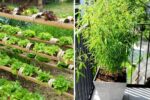
Whether you have a balcony, terrace, or small backyard, a potted fig tree can bring greenery, shade, and an abundant harvest of sweet figs. Start today, propagate your fig tree from a cutting or air layer, and enjoy homegrown, delicious fruits for years to come.