Propagating plants from cuttings is one of the most satisfying and cost-effective ways to expand your garden. While soil propagation is common, rooting plants in water offers a simple, clean, and often faster alternative. This technique allows gardeners to watch roots grow, adjust care as needed, and ensure the cutting is healthy before transferring it to soil. Whether you’re a beginner or an experienced gardener, learning how to root plants in water can save money, reduce plant stress, and quickly multiply your favorite greenery.
Why Root Plants in Water?
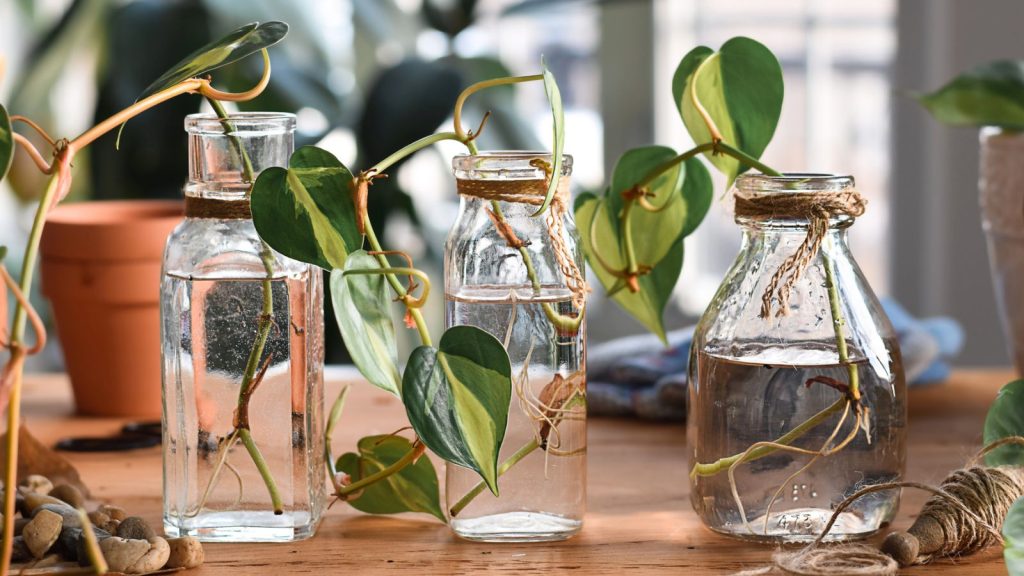
Rooting plants in water has several advantages over traditional soil propagation:
- Visual Monitoring: You can see the development of roots and detect early problems like rot or disease.
- Reduced Soil-Borne Issues: There’s no risk of soil pathogens affecting the cutting while roots are forming.
- Quick Start: Some plants develop roots faster in water than in soil.
- Easy Maintenance: Requires minimal equipment—just a glass, jar, or bottle of water and a healthy cutting.
This method is particularly effective for herbs, houseplants, and soft-stemmed plants.
Choosing the Right Plant for Water Propagation
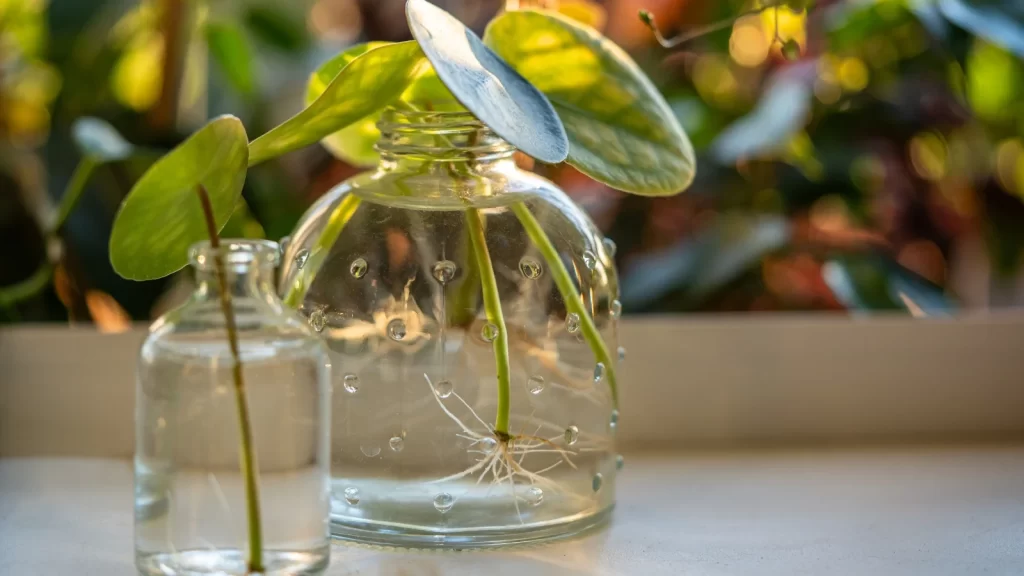
Not all plants root equally well in water. Some thrive, while others may struggle:
Ideal Plants:
- Herbs: Basil, mint, rosemary, and oregano.
- Houseplants: Pothos, philodendron, spider plants, and peace lilies.
- Shrubs and Soft-Stemmed Plants: Bougainvillea, hibiscus, and coleus.
Plants That May Struggle:
- Woody trees like oak or pine typically require soil propagation.
- Plants with thick, fleshy stems may rot in water before rooting.
Selecting Healthy Cuttings
The success of water propagation starts with the right cutting:
- Length: Choose cuttings 4–6 inches long with several nodes (the points where leaves grow).
- Stem Condition: Avoid damaged or diseased stems. Healthy, vibrant green stems root fastest.
- Leaf Removal: Remove lower leaves to prevent them from rotting in water, leaving only the top 2–3 leaves.
Preparing the Cutting
Before placing your cutting in water, proper preparation improves success:
- Clean Cut: Use a sharp, sterilized knife or scissors to make a clean cut just below a node.
- Optional Rooting Hormone: Although not necessary for water propagation, dipping the cut end in rooting hormone can encourage faster root development.
- Water Type: Use clean, room-temperature water. Tap water is fine, but filtered or distilled water can reduce chemical stress.
The Water Propagation Process

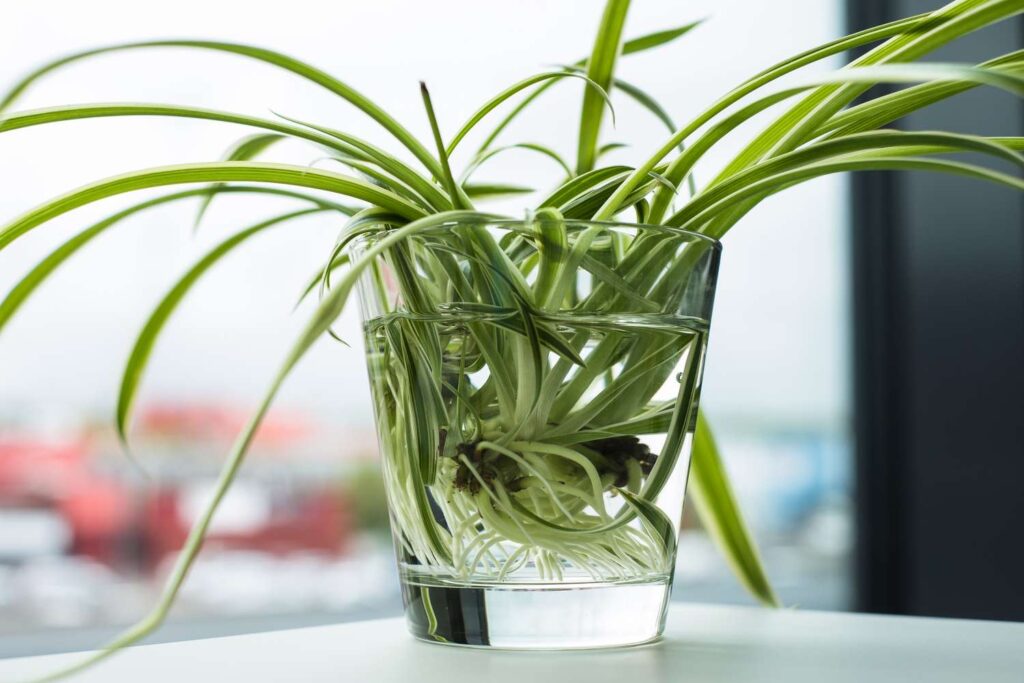
- Choose a Container: A transparent glass or jar is ideal, as it allows you to observe root development.
- Fill with Water: Fill the container with enough water to submerge the nodes but avoid covering the leaves.
- Place the Cutting: Insert the prepared cutting into the water, ensuring nodes are submerged.
- Location: Place in bright, indirect sunlight. Direct sunlight can heat water excessively and damage the cutting.
- Water Maintenance: Change the water every 2–3 days to prevent stagnation, algae, or bacterial growth.
Monitoring Root Development
- First Signs: Roots typically begin forming within 1–3 weeks, depending on plant type and conditions.
- Root Length: Allow roots to grow at least 1–2 inches before transferring to soil for best results.
- Signs of Trouble: Dark, mushy stems or foul odors indicate rot; cut off damaged sections and replace water.
Transferring Rooted Cuttings to Soil

Once roots are visible and healthy, it’s time to transfer the plant to soil:
- Soil Preparation: Use well-draining potting mix or garden soil enriched with compost.
- Planting Depth: Make a hole deep enough to accommodate the roots without bending them.
- Watering: Water thoroughly after planting to settle the soil around roots.
- Acclimation: Keep the plant in a shaded area for the first few days to reduce transplant shock, gradually exposing it to more sunlight.
Advantages of Water Propagation for Beginners
Water propagation is beginner-friendly and encourages success:
- Easy Observation: You can see exactly when roots appear, making it easier to know when the plant is ready for soil.
- Minimal Tools Needed: No specialized equipment or soil is required initially.
- Quick Multiplication: Allows you to produce multiple plants quickly from a single parent plant.
- Safe for Indoor Gardening: Perfect for indoor gardeners who want to start cuttings without messy soil.
Tips to Improve Water Rooting Success
- Use Healthy Parent Plants: Strong, disease-free plants produce the fastest results.
- Change Water Regularly: Prevents stagnation, algae growth, and bacterial infection.
- Avoid Overcrowding: Root multiple cuttings in separate containers to prevent competition.
- Maintain Optimal Temperature: Keep cuttings in a warm, stable environment to promote root growth.
- Be Patient: Some plants take longer than others; avoid disturbing cuttings unnecessarily.
Common Mistakes to Avoid
- Submerging Leaves: Leaves in water rot quickly, creating a breeding ground for bacteria.
- Using Dirty Containers: Non-sterile containers can introduce pathogens that damage cuttings.
- Overcrowding Cuttings: Too many cuttings in one container slow root growth and increase disease risk.
- Neglecting Water Changes: Stagnant water leads to poor root development or rot.
Benefits of Water Rooting for Gardeners
- Cost-Effective: No need to buy new plants—propagate from existing ones.
- Faster Visualization: See roots grow in real-time, which is satisfying and educational.
- Reduced Risk: Avoid soil-borne pests and diseases during initial rooting.
- Versatile Method: Suitable for herbs, houseplants, and soft-stemmed flowering plants.
Expanding Your Garden with Water Propagation
Once you master water rooting, you can multiply your favorite plants indefinitely:
- Gift Plants: Rooted cuttings make excellent gifts for friends and family.
- Indoor Garden Expansion: Add more greenery indoors without buying new plants.
- Herb Garden: Propagate kitchen herbs easily in jars on your windowsill.
- Ornamental Plants: Multiply ornamental and flowering plants to decorate your home or garden.
Final Thoughts
Rooting plants in water is a simple, effective, and rewarding gardening technique. It allows gardeners to propagate herbs, houseplants, and flowering plants with minimal effort while observing root growth in real-time. By selecting healthy cuttings, preparing them correctly, maintaining clean water, and transferring them to soil at the right time, anyone can grow new plants effortlessly.
Whether you want to expand your indoor garden, create gifts for loved ones, or simply enjoy watching nature’s growth process, water propagation is a versatile and beginner-friendly method. Start rooting your favorite plants today and experience the joy of multiplying your garden with ease and confidence.