Onions are a kitchen staple, loved for their flavor and versatility in cooking. While traditional onion cultivation often requires large garden plots, it’s entirely possible to grow seedless onions even in small spaces, pots, or balcony gardens. Seedless onions, often grown from sets or transplants rather than seeds, are easier to manage, faster to mature, and produce high-quality bulbs. With the right techniques, you can cultivate these onions efficiently in limited spaces and enjoy a fresh supply throughout the year.
Why Grow Seedless Onions

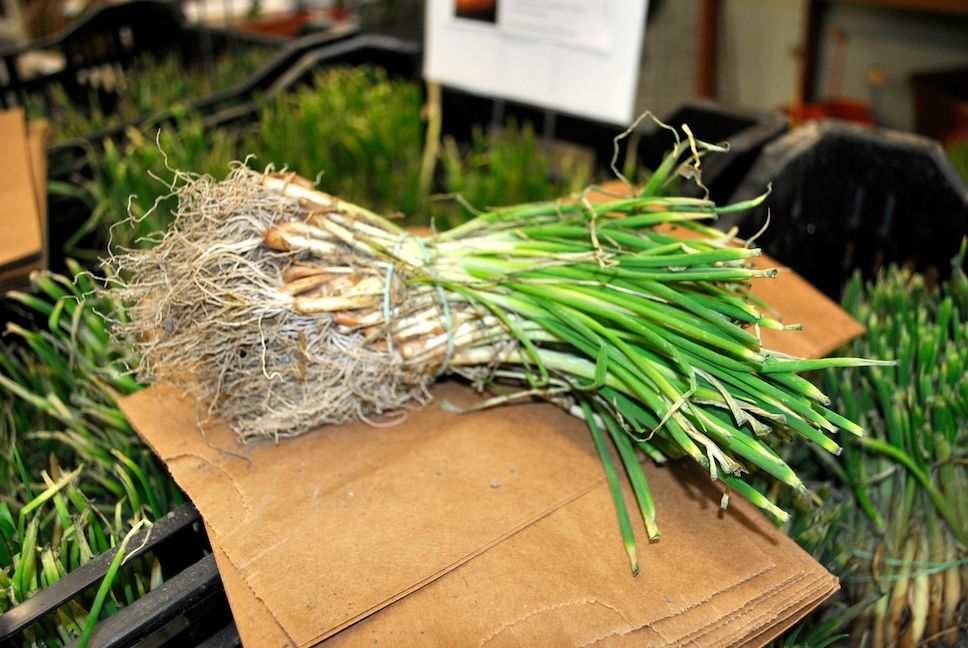
Seedless onions, grown from onion sets or transplants, offer several advantages:
- Faster Maturity: Sets establish quickly, producing bulbs in less time than seeds.
- Reduced Flowering Risk: Seedless varieties focus energy on bulb development rather than flowering.
- Better for Small Spaces: Bulbs grow compactly and can thrive in containers, raised beds, or narrow garden plots.
- Consistent Quality: Produces uniform, flavorful bulbs suitable for cooking or storage.
Growing onions in small spaces is ideal for urban gardeners, balcony growers, and anyone with limited garden access.
Choosing the Right Onion Variety
Selecting the appropriate onion variety is key for small-space cultivation:

- Short-Day Varieties: Ideal for southern regions; initiate bulb formation with 10–12 hours of daylight. Examples: Texas Grano, Red Creole.
- Long-Day Varieties: Suitable for northern regions; require 14–16 hours of daylight. Examples: Walla Walla, White Lisbon.
- Intermediate Varieties: Adaptable to various climates and daylight conditions. Examples: Candy, Red Baron.
Seedless onions are typically available as sets, small bulbs, or seedlings, which are easier to handle than seeds.
Selecting a Growing Space
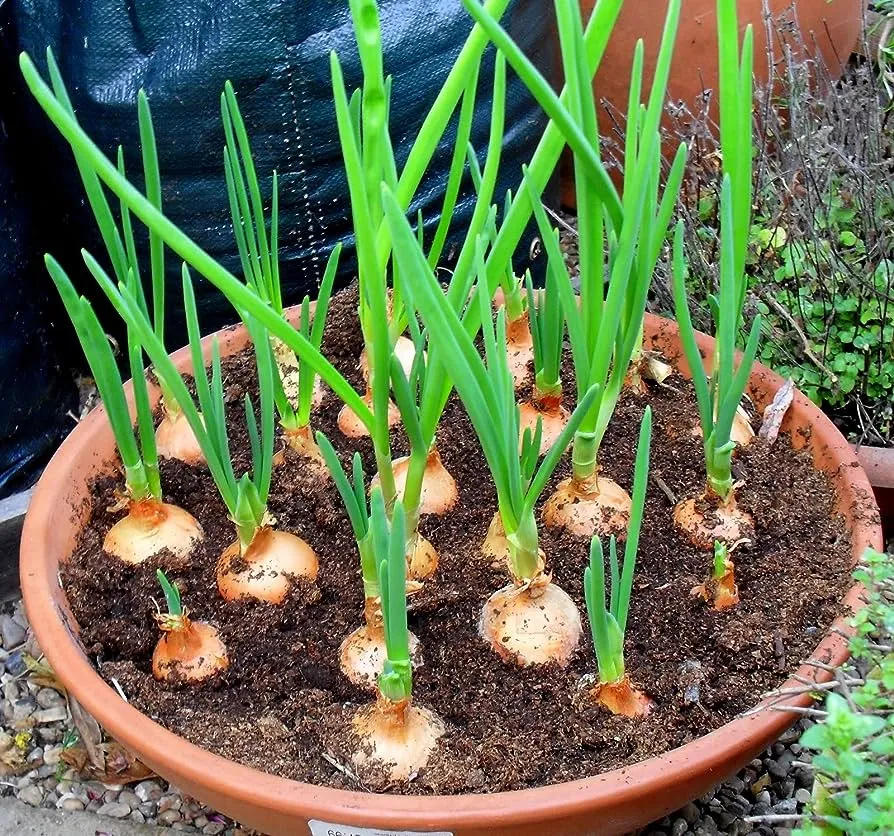
Seedless onions are well-suited for small-space cultivation:
- Containers: Use pots, grow bags, or troughs with at least 6–8 inches depth for bulb development.
- Raised Beds: Ideal for garden spaces with poor drainage or limited area.
- Balconies and Terraces: Choose containers with good drainage and sufficient sunlight.
Onions need a sunny location with at least 6–8 hours of direct sunlight daily for optimal growth.
Preparing Soil for Seedless Onions
Healthy soil is critical for bulb development:
- Well-Draining Soil: Onions require loose, sandy, or loamy soil that allows roots to expand.
- pH Level: Slightly acidic to neutral soil (pH 6.0–7.0) is ideal.
- Organic Matter: Incorporate compost, well-rotted manure, or leaf mold to improve fertility and moisture retention.
- Soil Depth: Ensure a depth of at least 6–8 inches for container-grown onions to allow proper bulb formation.
Planting Seedless Onions

- Choose Onion Sets: Select firm, disease-free bulbs. Avoid damaged or soft sets.
- Spacing:
- In containers: Space sets 2–3 inches apart.
- In garden beds: Space 4–6 inches apart with rows 12–15 inches apart.
- Planting Depth: Bury the sets with the pointed tip just above soil level.
- Initial Watering: Water thoroughly after planting to help bulbs establish.
Watering Techniques
Onions require consistent moisture to develop large, juicy bulbs:
- Frequency: Water regularly, especially in containers where soil dries quickly.
- Method: Water at the base to avoid wetting foliage, which reduces disease risk.
- Mulching: Apply organic mulch to retain moisture, regulate temperature, and reduce weed growth.
Fertilization for Maximum Yield
Proper nutrition ensures healthy growth and bulb formation:
- Nitrogen: Promotes green leaf growth in early stages.
- Phosphorus: Supports root development and bulb initiation.
- Potassium: Strengthens plants and improves bulb quality.
- Micronutrients: Include magnesium and calcium for stronger leaves and bulbs.
- Frequency: Feed every 3–4 weeks with a balanced fertilizer or organic alternatives like compost tea or fish emulsion.
Managing Pests and Diseases
Seedless onions are generally hardy but can be affected by pests and diseases if neglected:
Common Pests:
- Onion Thrips: Feed on leaves; control with neem oil or insecticidal soap.
- Onion Maggots: Attack roots; cover soil with row covers to prevent infestation.
- Aphids: Suck sap from leaves; use mild soap sprays or neem oil.
Common Diseases:
- Downy Mildew: Causes yellowing leaves; improve airflow and avoid wet foliage.
- Purple Blotch: Fungal infection; remove infected leaves and use organic fungicides.
- Root Rot: Caused by overwatering; ensure proper drainage.
Harvesting Seedless Onions
- Timing: Harvest when tops turn yellow and begin to fall over.
- Method: Loosen soil gently and lift bulbs carefully to avoid damage.
- Curing: Allow onions to dry in a shaded, ventilated area for 2–3 weeks before storage.
- Storage: Store in a cool, dry place with good airflow; mesh bags or crates work well.
Tips to Increase Onion Production in Small Spaces
- Succession Planting: Plant new sets every few weeks to ensure continuous harvest.
- Sunlight Optimization: Rotate containers to maximize sun exposure.
- Proper Drainage: Avoid waterlogged soil, which reduces yield and quality.
- Container Size: Use deep, wide containers to allow full bulb growth.
- Regular Feeding: Provide balanced nutrition throughout the growing season.
Companion Planting
Growing onions alongside other plants can improve yields and reduce pests:
- Good Companions: Carrots, beets, lettuce, and tomatoes enhance growth and deter pests.
- Avoid: Beans, peas, and sage, which may inhibit onion growth.
Advantages of Growing Seedless Onions in Small Spaces
- Space-Saving: Ideal for urban gardening, balconies, and small patios.
- Quick Results: Seedless onions mature faster than those grown from seeds.
- High Yield: Proper care produces uniform, flavorful bulbs.
- Cost-Effective: Multiplying bulbs from sets reduces the need for repeated seed purchases.
- Satisfying: Harvesting homegrown onions brings a sense of accomplishment and fresh ingredients.
Final Thoughts
Growing seedless onions in small spaces is both practical and rewarding. By choosing the right variety, providing proper soil and containers, watering consistently, fertilizing, managing pests, and following proper harvesting techniques, gardeners can enjoy a bountiful supply of fresh onions year-round.
Whether on a balcony, rooftop, or small garden plot, seedless onions offer a simple, space-efficient way to enhance your cooking and reduce grocery expenses. With patience and consistent care, even small-space gardeners can cultivate onions successfully, transforming limited areas into productive, flourishing gardens.
Start planting seedless onions today and experience the joy of growing your own fresh, flavorful bulbs in the comfort of your home, regardless of space limitations.