Tomatoes are one of the most popular and rewarding vegetables to grow at home. They are versatile in the kitchen, used in salads, sauces, soups, and countless recipes. However, achieving a bountiful harvest requires proper planting, transplantation, and care. By understanding the right techniques and paying attention to soil, watering, fertilization, and pest management, gardeners can enjoy an abundant yield of healthy, juicy tomatoes. This guide provides step-by-step instructions to plant, transplant, and boost tomato production.
Why Proper Planting and Transplanting Matter
Tomatoes are sensitive plants that respond well to proper care. Planting and transplanting correctly ensure:
- Healthy Root Development: Strong roots support vigorous growth and high fruit yield.
- Disease Prevention: Proper spacing and soil preparation reduce the risk of soil-borne diseases.
- Maximum Harvest: Well-planted tomatoes produce larger, juicier fruits.
- Stress Reduction: Proper techniques minimize transplant shock, ensuring rapid growth and early flowering.
Choosing the Right Tomato Variety
Selecting the appropriate tomato variety depends on climate, space, and intended use:
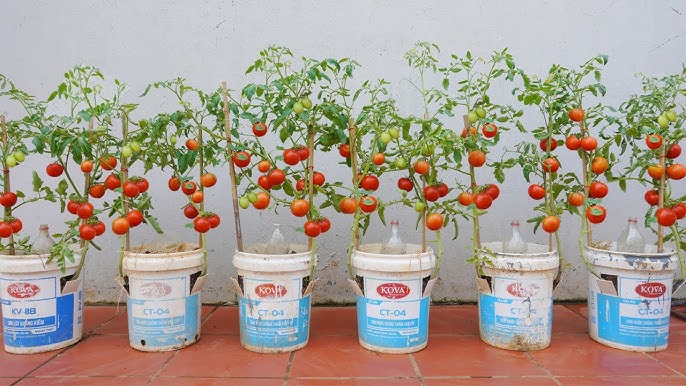
- Determinate (Bush) Tomatoes: Grow to a fixed size and produce fruit in a short period. Ideal for containers and small spaces. Examples: ‘Roma,’ ‘Celebrity.’
- Indeterminate (Vine) Tomatoes: Continue growing and producing fruit throughout the season. Require staking or trellising. Examples: ‘Beefsteak,’ ‘Brandywine.’
- Cherry and Grape Tomatoes: Small, sweet fruits ideal for snacking and salads. Grow well in containers.
Soil Preparation
Tomatoes thrive in nutrient-rich, well-draining soil. Proper soil preparation is crucial for transplant success:
- pH Level: Slightly acidic soil (pH 6.0–6.8) is optimal.
- Soil Enrichment: Mix compost, well-rotted manure, or organic fertilizer into garden soil to enhance fertility.
- Drainage: Raised beds or mounds improve drainage and prevent root rot.
- Mulching: Apply straw, coconut coir, or dried leaves to retain moisture, regulate temperature, and reduce weed growth.
Planting Tomato Seeds
- Seed Selection: Choose disease-resistant seeds suitable for your climate.
- Sowing Depth: Plant seeds about 1/4 inch deep in seed-starting trays or small pots.
- Germination Conditions: Keep soil warm (20–25°C / 68–77°F) and moist. Use a light covering of soil or vermiculite.
- Light: Seedlings need 12–16 hours of light daily, either from sunlight or grow lights.
Preparing for Transplanting
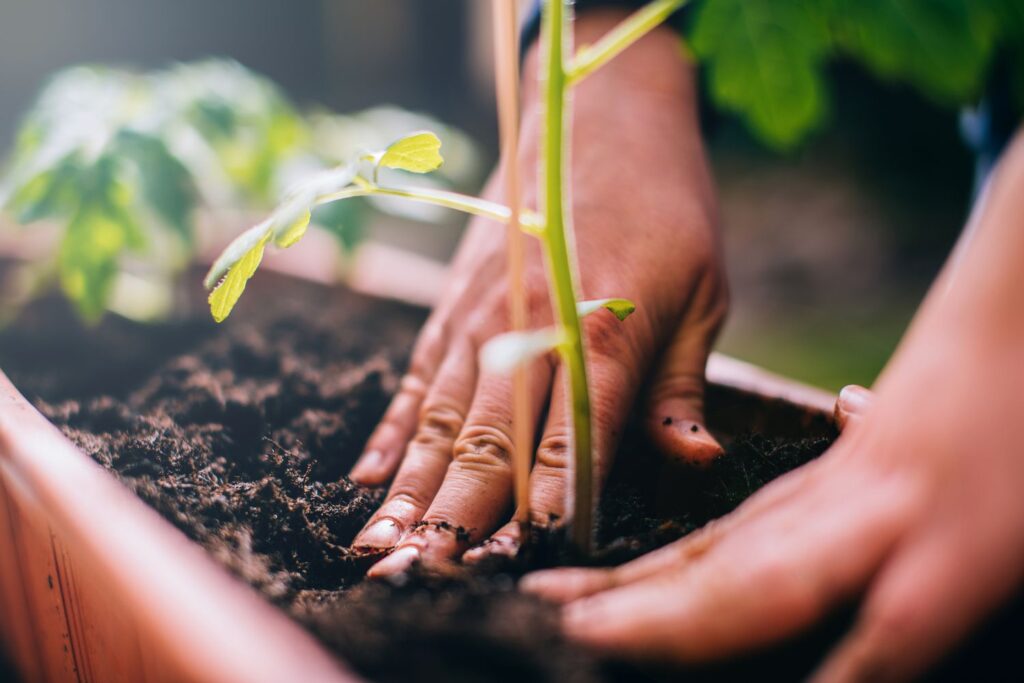
Transplanting seedlings to their final location is a critical step for high yields:
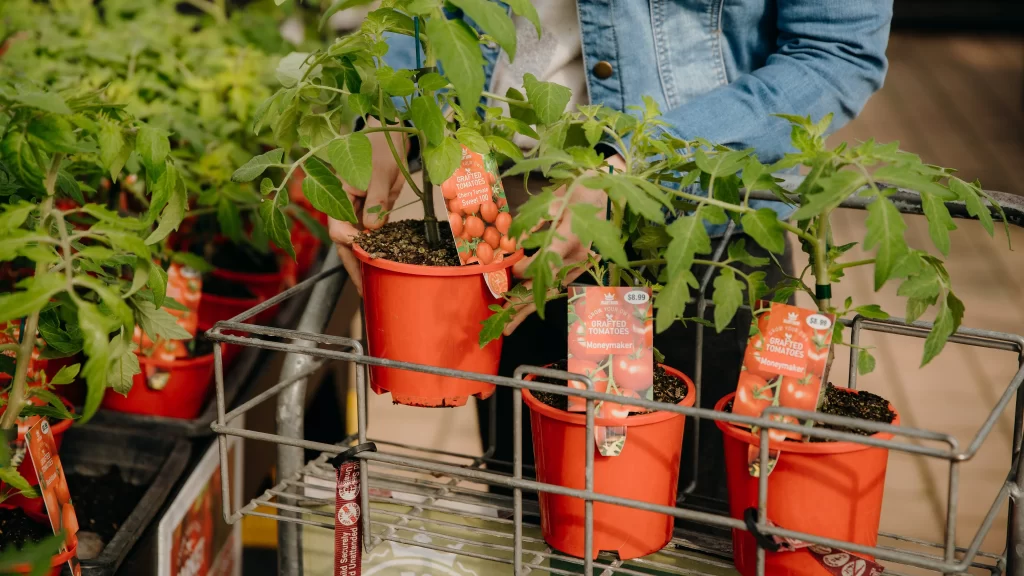
- Timing: Transplant seedlings when they have 4–6 true leaves and are 6–8 weeks old.
- Hardening Off: Gradually acclimate seedlings to outdoor conditions over 7–10 days by exposing them to sunlight and outdoor temperatures for increasing periods.
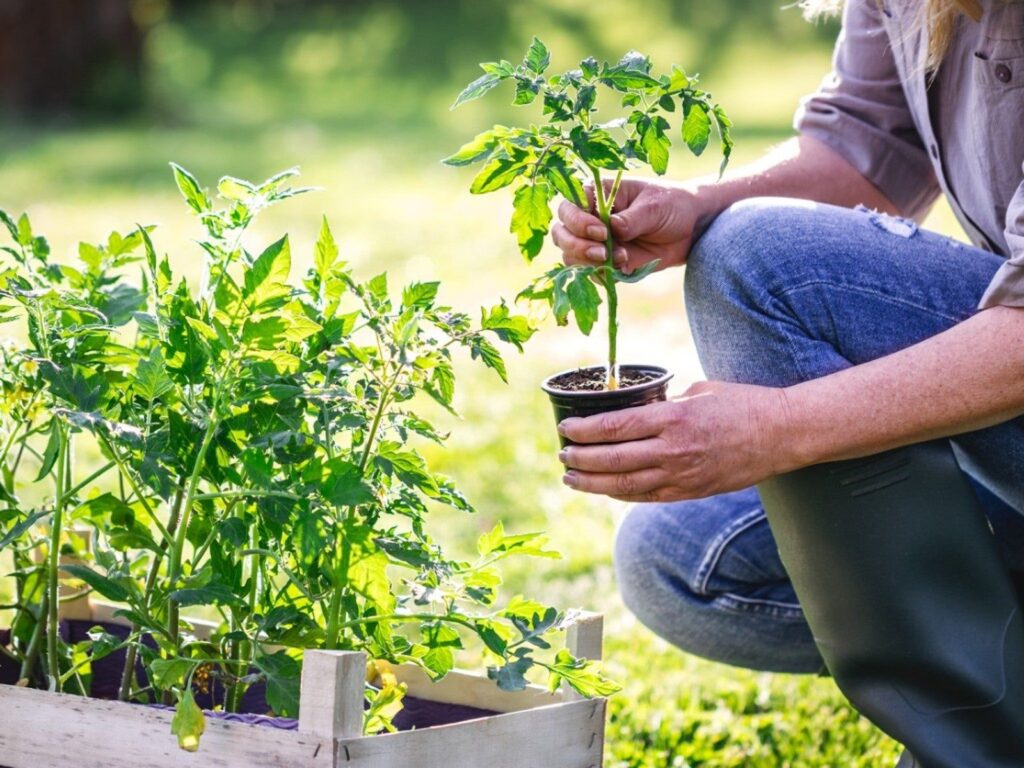
- Root Health: Check for a healthy root system before transplanting. Avoid plants with weak or damaged roots.
Transplanting Tomatoes
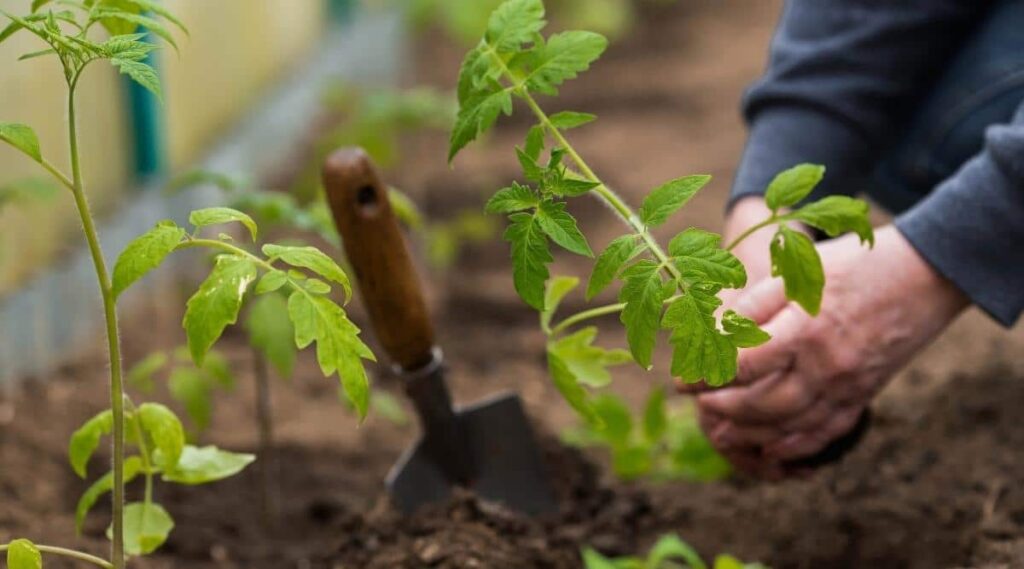
- Planting Depth: Bury seedlings deeper than they were in the pot, up to the first set of true leaves. Tomatoes can develop roots along buried stems, improving stability and nutrient uptake.
- Spacing:
- Determinate varieties: 18–24 inches apart.
- Indeterminate varieties: 24–36 inches apart.
- Support: Install stakes, cages, or trellises at the time of transplanting to support growing vines and reduce disease risk.
- Watering: Water immediately after planting to help roots establish. Maintain consistent moisture, avoiding waterlogging.
Fertilization for Maximum Harvest
Proper fertilization supports vigorous growth, abundant flowers, and juicy fruits:

- Initial Fertilization: Incorporate balanced fertilizer (N-P-K 10-10-10) into the soil at planting.
- Growth Stage: Use nitrogen-rich fertilizer to promote strong vegetative growth.
- Flowering and Fruiting Stage: Switch to phosphorus- and potassium-rich fertilizers (5-10-10 or 5-10-15) to enhance flowering and fruit development.
- Organic Options: Compost, fish emulsion, bone meal, and seaweed extract improve soil fertility and plant health naturally.
- Frequency: Feed every 3–4 weeks during the growing season or as recommended by product instructions.
Watering Techniques
Consistent watering is essential for tomato health:
- Deep Watering: Water slowly and deeply to encourage strong root development.
- Frequency: 1–2 inches per week, more during hot, dry periods.
- Avoid Wet Leaves: Water at the base of plants to reduce the risk of fungal diseases such as blight and powdery mildew.
- Mulching: Helps retain soil moisture and maintain stable temperatures.
Pruning and Training
Pruning and supporting tomato plants increases airflow, reduces disease, and improves fruit quality:
- Indeterminate Varieties: Remove lower leaves and suckers (side shoots) to direct energy to fruiting branches.
- Determinate Varieties: Minimal pruning; focus on removing damaged leaves.
- Staking or Trellising: Supports heavy vines, prevents fruits from touching the ground, and improves sunlight exposure.
Pest and Disease Management
Tomatoes are susceptible to pests and diseases that can reduce yield:
Common Pests:
- Aphids: Suck sap and weaken plants. Treat with neem oil or insecticidal soap.
- Tomato Hornworms: Large caterpillars that feed on leaves and fruits. Handpick or use organic pesticides.
- Whiteflies: Small insects that damage foliage; control with yellow sticky traps and neem oil.
Common Diseases:
- Early Blight: Causes leaf spots; improve spacing and remove infected leaves.
- Fusarium and Verticillium Wilt: Soil-borne fungal diseases; plant resistant varieties and rotate crops annually.
- Powdery Mildew: Thrives in humid conditions; ensure good airflow and use organic fungicides.
Harvesting Tomatoes
- Maturity: Pick fruits when fully colored, firm, and slightly soft to the touch.
- Frequency: Harvest every 2–3 days to prevent overripening and encourage continuous production.
- Handling: Use pruning shears or twist gently to avoid damaging the plant.
Tips to Increase Tomato Yield
- Choose Disease-Resistant Varieties: Reduces crop loss and ensures healthy plants.
- Consistent Care: Regular watering, feeding, and pruning boost growth and fruiting.
- Pollination Assistance: Gently shake plants or use a small brush for indoor tomatoes to improve fruit set.
- Sunlight: Ensure at least 6–8 hours of direct sunlight per day.
- Crop Rotation: Avoid planting tomatoes in the same soil consecutively to prevent disease buildup.
Benefits of Proper Tomato Planting and Transplanting
- Higher Yield: Well-transplanted tomatoes produce more fruits per plant.
- Better Fruit Quality: Proper care ensures flavorful, juicy, and firm fruits.
- Reduced Stress: Healthy roots and consistent care minimize plant stress, leading to more flowers and fruits.
- Extended Harvest: Properly managed plants can produce tomatoes continuously throughout the season.
Final Thoughts
Growing tomatoes successfully is a combination of careful planting, proper transplantation, consistent watering, balanced fertilization, and proactive pest management. By following these steps, gardeners can enjoy abundant harvests of healthy, juicy tomatoes.

Whether you’re planting in a garden bed, raised containers, or pots, understanding the specific needs of tomato plants and paying attention to detail ensures success. Implementing these proven techniques will not only increase your yield but also enhance the flavor and quality of your tomatoes, making homegrown tomatoes a true delight for your table.
Start planting and transplanting your tomatoes today, and enjoy the satisfaction of a thriving, fruitful garden that rewards your efforts with fresh, delicious tomatoes throughout the season.