Growing seedless watermelons at home may sound like a gardening challenge reserved for experts, but with the right techniques, the right soil, and consistent care, anyone can enjoy crisp, juicy, homegrown seedless melons. These melons, known for their sweet flavor and soft, tender texture, are a rewarding addition to any home garden—whether you’re planting in a traditional bed, a raised garden, or a spacious container.
In this article, you’ll learn everything you need to know about growing seedless watermelons at home, from choosing the right variety to harvesting perfect fruits. Let’s dive into the secrets behind cultivating these summertime stars!
Understanding Seedless Watermelons: What Makes Them Special?
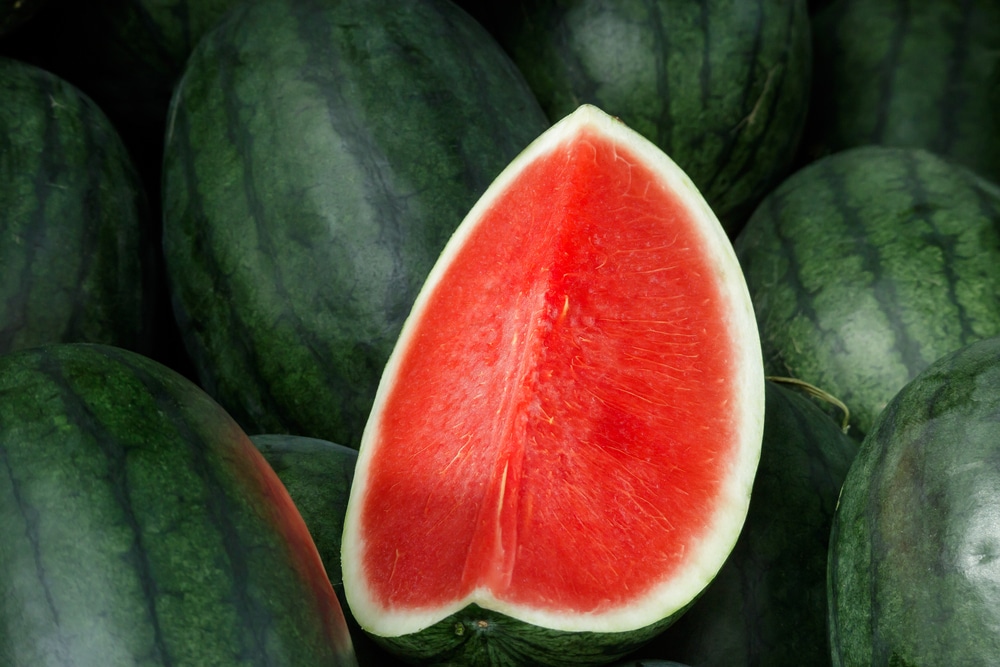
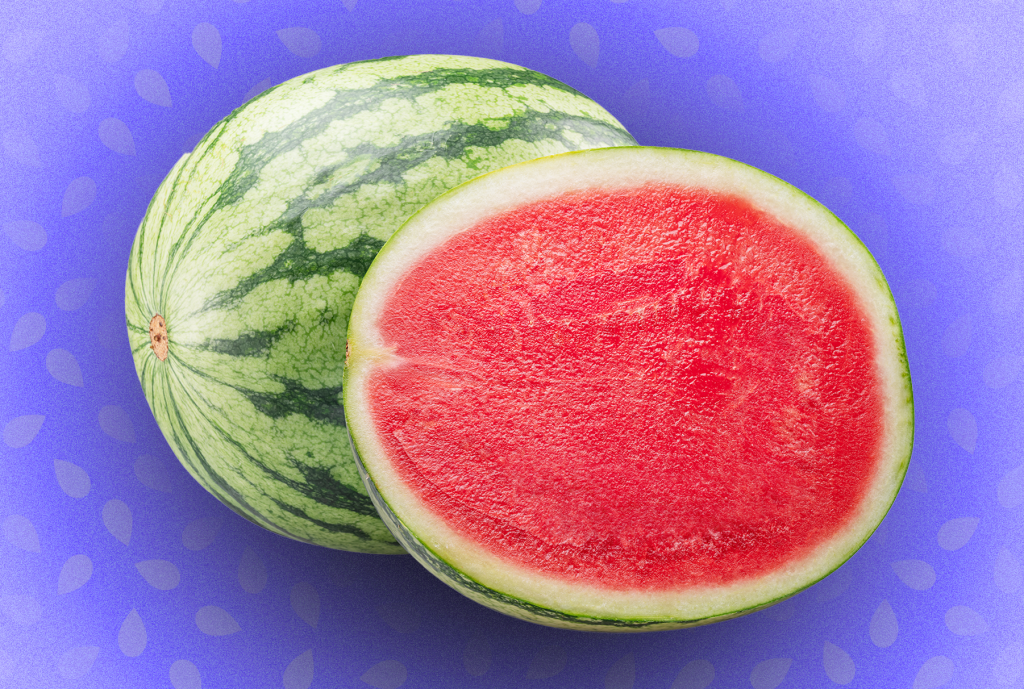
Seedless watermelons are hybrid fruits created by crossing two types of watermelon plants. The science behind them involves a mismatch of chromosome numbers, which prevents the seeds from forming. While these melons are “seedless,” you might still find a few tiny, immature white seeds—but they’re soft and edible.
Growing seedless varieties is slightly different from regular watermelons, mainly because they require a pollinator plant. But once you understand how they work, you’ll find them surprisingly easy to cultivate.
Choosing the Right Variety
To grow seedless watermelons at home, selecting the right variety is the first step. Here are some popular options for gardeners:
- Crimson Trio Seedless
- Sugar Baby Seedless
- Millionaire Seedless
- Nova Seedless
- King of Hearts Seedless
While buying seeds, ensure the packet contains both seedless and pollinator seeds. Without a pollinator plant, seedless melons won’t form.
Preparing the Soil: The Foundation of Sweet Melons
Watermelons love warmth, space, and nutrient-rich soil. Here’s what yours should look like:
✔ Soil Type
- Well-draining sandy loam
- Slightly acidic to neutral pH (6.0–7.0)
✔ Soil Preparation
- Add 4–6 kg of compost per square meter.
- Mix in aged manure or organic fertilizer.
- Loosen soil at least 12 inches deep to allow sprawling roots.
Seedless watermelons are heavy feeders, so the richer the soil, the sweeter the fruit!
Creating the Perfect Growing Conditions
Sunlight
Watermelons require 8–10 hours of full sun daily. Choose the brightest spot in your garden.
Temperature
Seedless varieties thrive in:
- Daytime: 25–32°C
- Nighttime: 20–24°C
Since they are heat-loving plants, avoid planting too early in cold weather.
Planting Seedless Watermelons Correctly
The germination process of seedless watermelon seeds is slower and requires warmth.
✔ Starting Seeds Indoors
- Sow seeds in biodegradable pots 2–3 weeks before the last frost.
- Maintain soil temperature at 25–30°C.
- Plant one seedless seed and one pollinator seed together.
- Avoid transplant shock—handle roots gently.
✔ Direct Sowing Outdoors
If the temperature is already warm:
- Plant seeds 1 inch deep.
- Space each mound 3–4 feet apart.
- Keep a 1:1 ratio of seedless to pollinator plants.
Watering: The Most Important Care Step
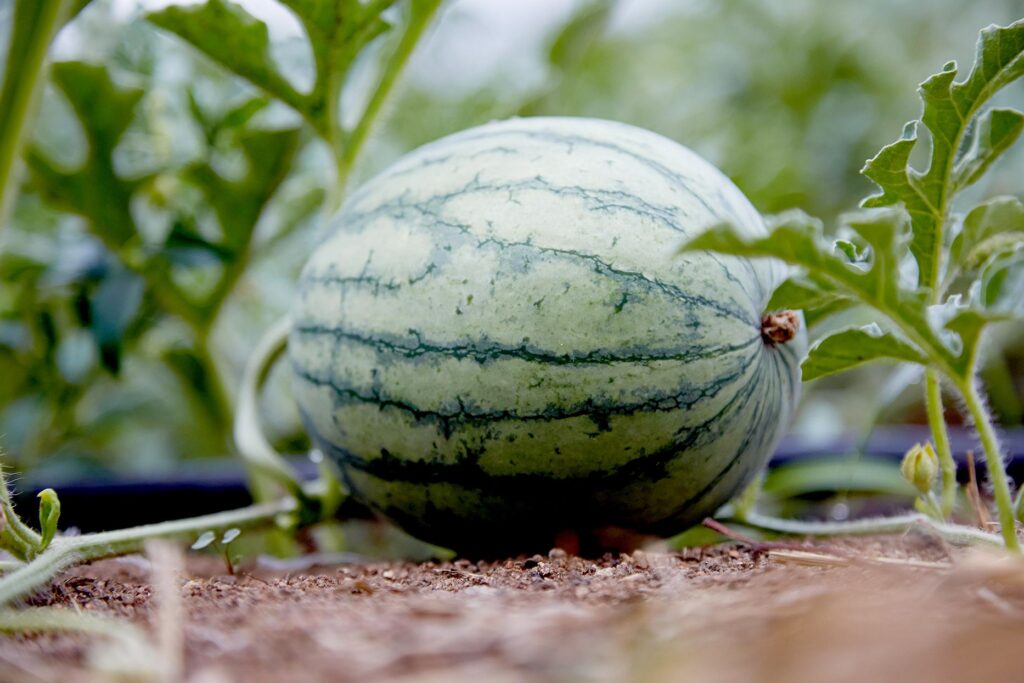
Water is essential for juicy watermelons.
Watering Schedule
- Early growth: Water deeply 3–4 times a week.
- Flowering & fruit-setting: Water more frequently.
- Ripening stage: Reduce watering to concentrate sweetness.
Tips
- Water at the base, not on leaves.
- Use mulch to retain moisture.
- Drip irrigation works best.
Overwatering late in the season can make fruits crack—so moderation is key!
Supporting Vine Growth
Seedless watermelon vines spread widely. Help them grow strong by:
- Applying a layer of straw mulch to keep fruits clean.
- Training long vines to grow diagonally to save space.
- Removing weak shoots to direct energy to fruiting vines.
Flowering, Pollination & Fruit Setting
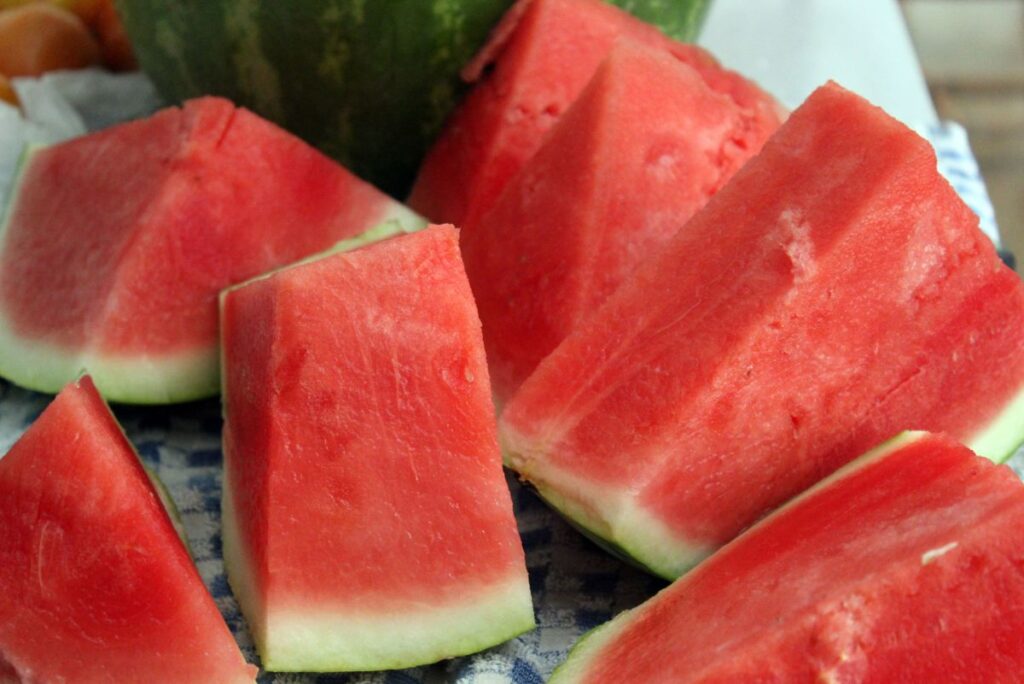
Seedless watermelons cannot produce fruit without pollination.
How Pollination Works:
- Seedless plants produce sterile pollen.
- The pollinator plant provides fertile pollen.
- Bees transfer the pollen to seedless flowers.
Tip: Plant flowers like marigold, basil, or sunflowers nearby to attract bees.
Without bees, you won’t get watermelons—natural pollinators are essential.
Feeding Your Plants for Bigger Fruits
Fertilizing properly ensures fast, healthy growth.

✔ Fertilizer Plan
- At Planting
- Add NPK 10-10-10 or compost.
- Vine Growth Stage
- Use nitrogen-rich fertilizer.
- Flowering and Fruiting Stage
- Switch to potassium-rich fertilizer (e.g., 5-10-20).
Excess nitrogen after flowering reduces fruit sweetness, so adjust feeding carefully.
Pest & Disease Management
Watermelon plants can attract several pests:
Common Pests
- Aphids
- Leaf miners
- Whiteflies
- Spider mites
Natural Solutions
- Neem oil spray
- Soap water spray
- Introduce ladybugs
- Use sticky traps
Common Diseases
- Powdery mildew
- Fusarium wilt
- Downy mildew
Prevention
- Avoid overwatering leaves
- Provide airflow
- Use disease-resistant varieties
Knowing When to Harvest Seedless Watermelons
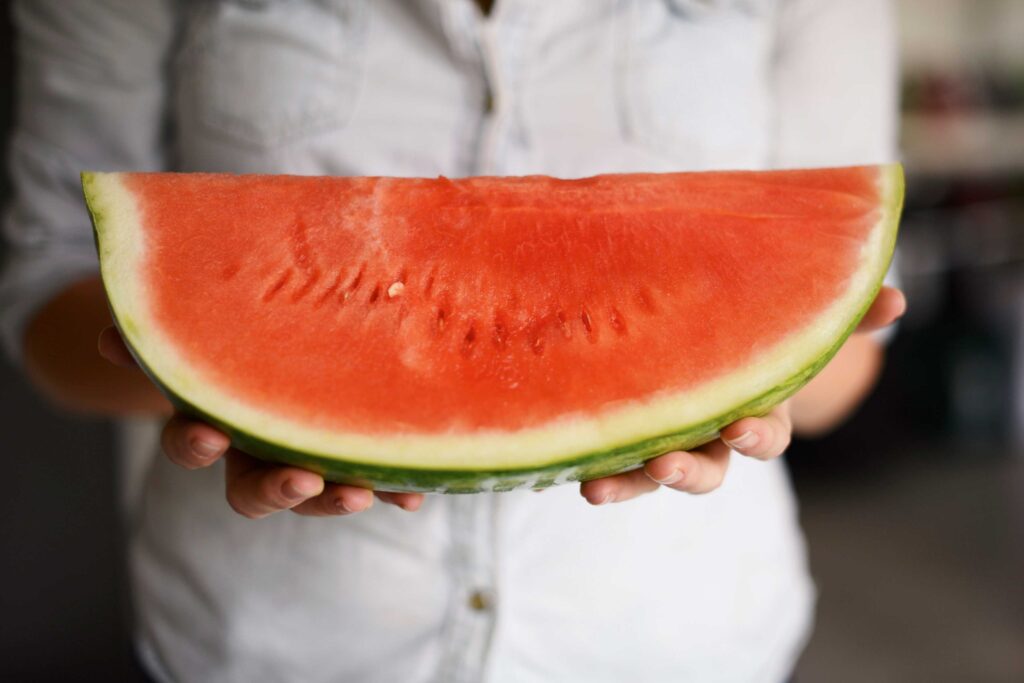
This is where many gardeners struggle. But with a few tricks, you’ll pick perfect melons every time.
✔ Signs of Ripeness
- The bottom turns cream or yellow.
- The tendril closest to the fruit becomes brown and dry.
- The melon sounds deep and hollow when tapped.
- The surface loses its shine and becomes slightly dull.
Seedless watermelons typically mature in 80–90 days from planting.
The Joy of Homegrown Seedless Watermelons
There’s nothing quite like cutting into a fresh watermelon you grew yourself. The sweetness, juiciness, and satisfaction are unmatched. Growing seedless watermelons at home might require a little extra care—especially with pollination—but the effort is truly worth it.

With proper sunlight, soil nutrition, watering, and pollination support, you can enjoy beautiful, sweet, deep-colored seedless melons straight from your backyard.
Final Thoughts
Homegrown seedless watermelons are not just a treat for the taste buds—they’re a gardening achievement worth celebrating. Whether you’re an experienced grower or a beginner, following the steps above will help you cultivate bountiful and delicious seedless melons.