In a world increasingly conscious of health, sustainability, and mindful eating, growing your own food offers one of the most rewarding ways to nourish both body and soul. Among all the crops you can grow at home, potatoes stand out as a true garden treasure — versatile, filling, and a cornerstone of vegetarian and vegan cooking. When grown in your own backyard, they become fresher, tastier, and infinitely more nutritious, making them the perfect foundation for healthier, meat-free dinners.
The thesis “Grow Potatoes and Create Healthier Meat-Free Dinners” explores how cultivating your own potatoes can enrich your diet, reduce your carbon footprint, and spark creativity in the kitchen. From planting tips to delicious vegetarian meal ideas, this guide connects garden-grown goodness to wholesome dining.
1. Why Potatoes Are Perfect for Meat-Free Meals
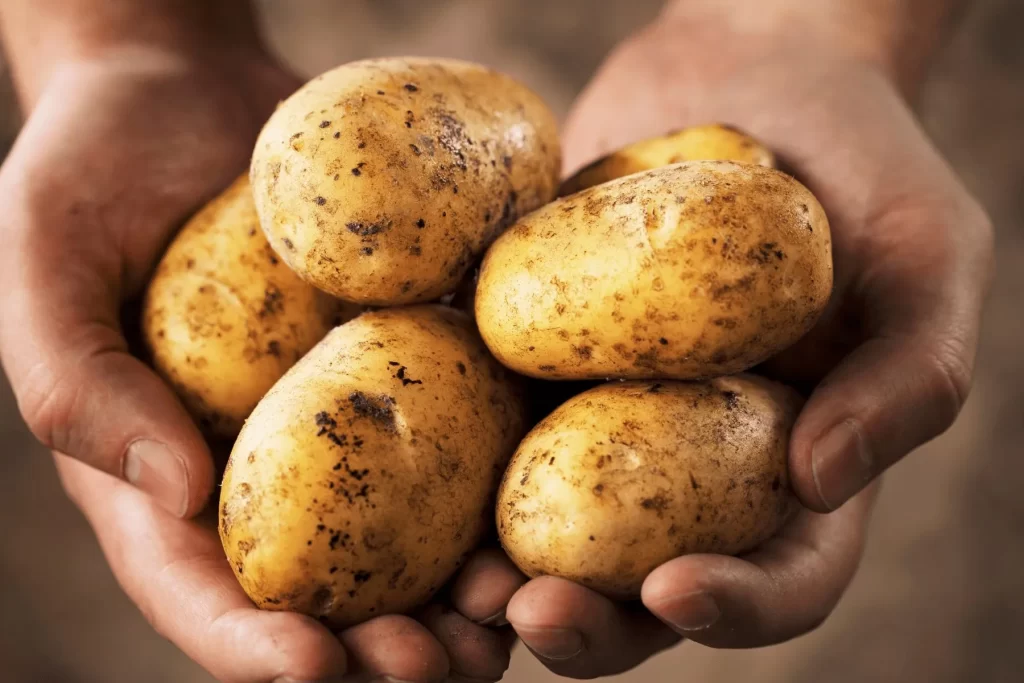
Potatoes are often underestimated — seen as plain or simple. But they are, in truth, one of nature’s most versatile and nutrient-rich foods. For those who enjoy a vegetarian or vegan lifestyle, potatoes serve as an excellent source of plant-based energy and texture that can easily replace meat in many recipes.
Nutritional Benefits:
- Complex Carbohydrates: Provide long-lasting energy and fullness.
- Vitamin C: Strengthens the immune system and supports skin health.
- Potassium: Regulates blood pressure and muscle function.
- Fiber: Improves digestion and keeps you satisfied longer.
- Antioxidants: Especially in colored varieties (purple or red), they fight inflammation and boost cellular health.
Potatoes are not just “filler” food — they’re a foundation for balanced, satisfying vegetarian meals. From soups to casseroles to curries, they bring heartiness, texture, and comfort to your plate.
2. Choosing the Right Potato Varieties for Your Garden
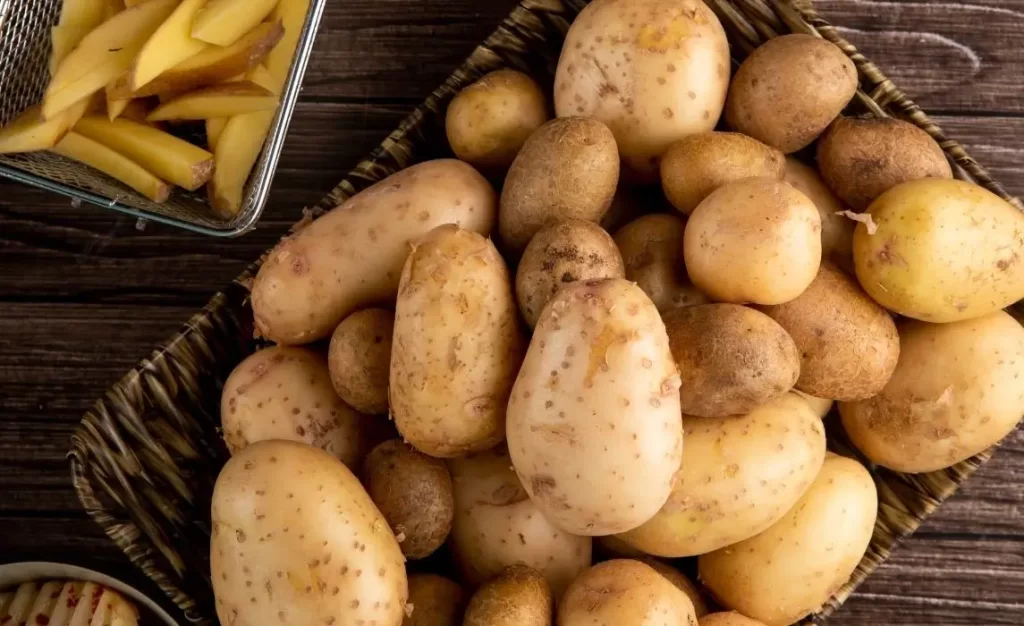
Growing your own potatoes allows you to select varieties that perfectly suit your cooking style. The type of potato you plant determines the texture and flavor of your dishes.
A. Starchy Potatoes (Light and Fluffy)
- Examples: Russet Burbank, King Edward, Maris Piper.
- Best For: Mashed potatoes, baked dishes, or fries.
These absorb sauces beautifully, ideal for hearty dinners.
B. Waxy Potatoes (Firm and Moist)
- Examples: Red Pontiac, Charlotte, Yukon Gold.
- Best For: Salads, curries, or roasted side dishes.
They hold their shape after boiling, perfect for soups and stews.
C. All-Purpose Potatoes (Balanced Texture)
- Examples: Desiree, Kennebec, Gold Rush.
- Best For: Almost every vegetarian meal.
They combine smoothness and structure for versatile cooking.
D. Specialty Varieties (Colorful and Nutrient-Rich)
- Purple Majesty and All Blue varieties add antioxidants and color.
- Pink Fir Apple brings a nutty flavor and elegant appeal.
A mix of varieties ensures that your garden supports all your culinary needs — whether you’re craving creamy mash or crispy roasted bites.
3. Preparing the Soil: The Foundation of Health
Healthy soil produces healthy food. Potatoes thrive in loose, well-drained soil with a slightly acidic pH (5.5–6.5). Proper soil preparation not only boosts yield but also enhances flavor and nutrient content.
Steps to Build the Perfect Potato Bed:
- Choose a Sunny Spot: Potatoes need at least 6–8 hours of sunlight daily.
- Loosen the Soil: Dig 25–30 cm deep to allow tubers room to grow.
- Add Organic Matter: Mix in compost or aged manure for nutrients.
- Check Drainage: Avoid waterlogged soil to prevent rot. Raised beds or containers work well if drainage is poor.
- Avoid Synthetic Fertilizers: Organic compost nourishes naturally without harming beneficial soil life.
By starting with rich, living soil, you ensure that every potato you grow carries the taste of freshness and the benefits of real nutrition.
4. Planting Your Potatoes: The Beginning of a Healthy Harvest
Planting potatoes is simple and suitable even for beginner gardeners. You don’t need acres of land — just a patch of soil or a few containers.
Steps to Plant Potatoes:
- Chit the Seed Potatoes: Place seed potatoes in a bright, cool area for 2–3 weeks until sprouts appear.
- Dig Trenches: About 10–15 cm deep, spaced 60 cm apart.
- Plant the Tubers: Place them 30 cm apart with sprouts facing up.
- Cover and Water: Lightly cover with soil and water gently.
- Earth Up: As the plants grow, mound soil around the stems to protect tubers from sunlight and increase yield.
Container Gardening Tip:
If you’re short on space, use large pots or grow bags. As plants grow, keep adding layers of soil or compost around the stems. This “stacking” encourages more tubers to form.
5. Caring for Your Potato Plants Naturally
A few simple, consistent practices will keep your potato plants healthy and productive.
Watering:
- Keep the soil consistently moist but not soggy.
- Water deeply two to three times per week during hot weather.
Mulching:
- Use straw, leaves, or compost to conserve moisture and suppress weeds.
- Mulching also keeps the soil cool and prevents green spots on potatoes.
Feeding:
- Apply organic compost or liquid seaweed fertilizer every 3–4 weeks.
- Avoid excess nitrogen — it encourages leaves, not tubers.
Pest and Disease Control:
- Rotate crops yearly to prevent soil-borne diseases like blight.
- Plant marigolds or basil nearby to deter pests naturally.
- Use neem oil or garlic spray for organic pest management.
Caring for potatoes organically ensures your harvest is clean, chemical-free, and ideal for health-focused vegetarian meals.
6. Harvesting: From Garden to Table

The moment of harvest is pure joy — the reward for weeks of care and patience.
When to Harvest:
- New Potatoes: After 8–10 weeks, when plants begin to flower. These small, tender tubers are perfect for light dinners and salads.
- Maincrop Potatoes: After 15–20 weeks, when foliage yellows and wilts. These store well and suit a variety of dishes.
How to Harvest:
- Use a fork or hands to gently loosen the soil.
- Pull out the plant and collect the potatoes carefully.
- Let them dry in a shaded area for a few hours.
- Cure for 10 days in a cool, dark, ventilated place to toughen skins for storage.
Store your potatoes in paper or burlap bags in a cool, dry spot — and you’ll have a steady supply for many meat-free dinners ahead.
7. Turning Harvest into Health: Cooking Meat-Free with Potatoes
Now comes the fun part — transforming your homegrown potatoes into delicious, wholesome vegetarian meals. Potatoes can easily take the place of meat, adding bulk, comfort, and richness without heaviness.
A. Lentil and Potato Shepherd’s Pie
A plant-based version of a classic dish. Layer cooked lentils with vegetables, herbs, and creamy mashed potatoes. Bake until golden for a hearty, protein-rich dinner.
B. Potato and Chickpea Curry
A flavorful mix of potatoes, chickpeas, and spices simmered in coconut milk. It’s filling, rich in protein, and full of flavor.
C. Roasted Potato and Veggie Bowl
Combine roasted potatoes with broccoli, carrots, and tofu. Drizzle with tahini dressing for a nutrient-packed, satisfying meal.
D. Potato and Mushroom Stroganoff
Use sautéed mushrooms and potatoes in a creamy sauce with herbs. Serve with rice or pasta — pure comfort without meat.
E. Spicy Potato Tacos
Crispy roasted potato cubes spiced with chili and cumin, topped with avocado, lettuce, and salsa. A fresh twist on taco night.
Homegrown potatoes absorb flavors beautifully and enhance plant-based dishes with satisfying textures. Their freshness shines through, turning simple ingredients into gourmet vegetarian meals.
8. Sustainability: Healthy for You, Healthy for the Planet

Growing potatoes at home supports not only personal well-being but also the planet’s health.
Eco-Benefits of Homegrown Potatoes:
- Low Carbon Footprint: Reduces transportation and packaging waste.
- Zero Pesticides: Protects soil, pollinators, and your body.
- Composting: Recycle kitchen scraps and potato peels to enrich the soil.
- Seed Saving: Use small, healthy tubers for next season’s planting.
A home potato patch is a simple yet powerful step toward a more sustainable, meat-free lifestyle — one that nourishes both people and the planet.
9. The Emotional and Practical Rewards of Growing Your Own Food
Gardening offers more than fresh produce — it brings peace, purpose, and a sense of accomplishment. Watching a tiny seed potato grow into a bountiful harvest teaches patience and gratitude.
You connect more deeply with the rhythm of nature, eat more mindfully, and waste less. Each meal becomes a story of your own effort — a direct result of your care and connection to the earth.
That emotional satisfaction makes every dinner, no matter how simple, taste better.
10. Conclusion: Healthier Meals Begin in the Soil
The thesis “Grow Potatoes and Create Healthier Meat-Free Dinners” captures the essence of sustainable, plant-based living — growing your own food, cooking with love, and eating consciously.
When you grow potatoes in your backyard, you’re doing more than gardening — you’re cultivating health, creativity, and balance. You control what goes into your food, ensuring it’s free from chemicals and full of nutrients. You save money, reduce waste, and rediscover the joy of self-sufficiency.
Most importantly, you elevate your vegetarian cooking — turning everyday dinners into vibrant, wholesome feasts that nourish both body and spirit.
So grab a spade, plant those seed potatoes, and start your journey from soil to supper. With each harvest, you’ll find not only food on your table but fulfillment in your heart — and a new reason to celebrate the beauty of meat-free living. 🥔🌱✨