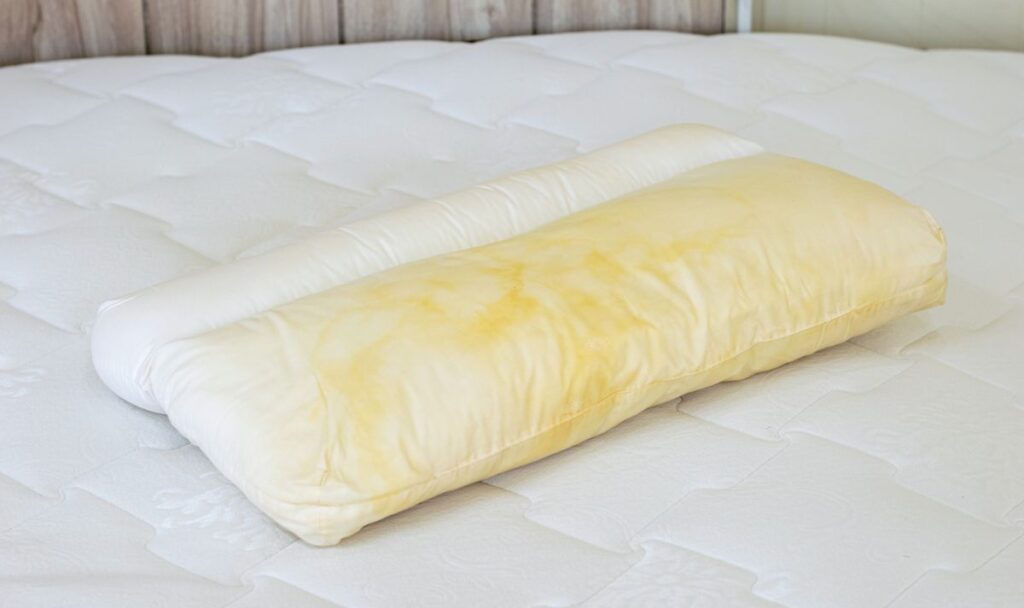
If you’ve ever looked closely at your pillows, you’ve probably noticed something alarming: over time, those once fluffy white clouds can turn dull, flat, and—let’s be honest—a little yellow. Despite regularly washing pillowcases, the pillows themselves often absorb sweat, oils, dust, and bacteria that simple laundering doesn’t fully remove.
For years, I avoided washing my pillows altogether, worried I’d ruin them or never get them properly dry again. Instead, I’d occasionally replace them, thinking that was the only way to restore freshness. But one day, after reading about natural cleaning hacks, I came across a method using baking soda and white vinegar—two pantry staples I already used for everything from cleaning drains to deodorizing my fridge.
The idea sounded almost too simple: toss your pillows into the washing machine with baking soda and vinegar, and let them come out fresh, white, and fluffy again. Skeptical but curious, I decided to give it a try. The results were nothing short of amazing—my old, dingy pillows looked and smelled like new.
Here’s exactly how I did it, why it works so well, and what I learned along the way.
The Problem with Dirty Pillows
Pillows are like sponges for everything we shed at night—sweat, skin cells, body oils, and even saliva. Over time, these build up and create the perfect environment for dust mites and bacteria. The result? Yellow stains, musty odors, and less support for your neck and head.
Even if you wash your pillowcases weekly, the pillow itself absorbs moisture and grime that can’t be removed with surface cleaning. Experts recommend washing pillows every three to six months, but most of us skip that step out of inconvenience or fear of ruining them.
That’s where the baking soda and vinegar method comes in—a natural, affordable, and highly effective way to deep clean without harsh chemicals.

Why Baking Soda and Vinegar Work Wonders
Before I started, I wanted to understand why this combination works so well. The science behind it is surprisingly simple.
- Baking Soda (Sodium Bicarbonate):
It’s a natural deodorizer and mild abrasive. Baking soda helps break down body oils, sweat stains, and odors that cling to pillow fibers. It also softens the water, allowing detergents (if used) to clean more effectively. - White Vinegar (Acetic Acid):
Vinegar is a natural disinfectant that dissolves mineral deposits, kills bacteria, and removes musty smells. It’s also a fabric softener, helping fluff up fibers and restore texture.
When combined in the wash, these two ingredients create a gentle fizzing reaction that lifts dirt and residues from deep within the pillow filling. The result is not just a surface clean—it’s a true refresh from the inside out.
How I Washed My Pillows Step by Step
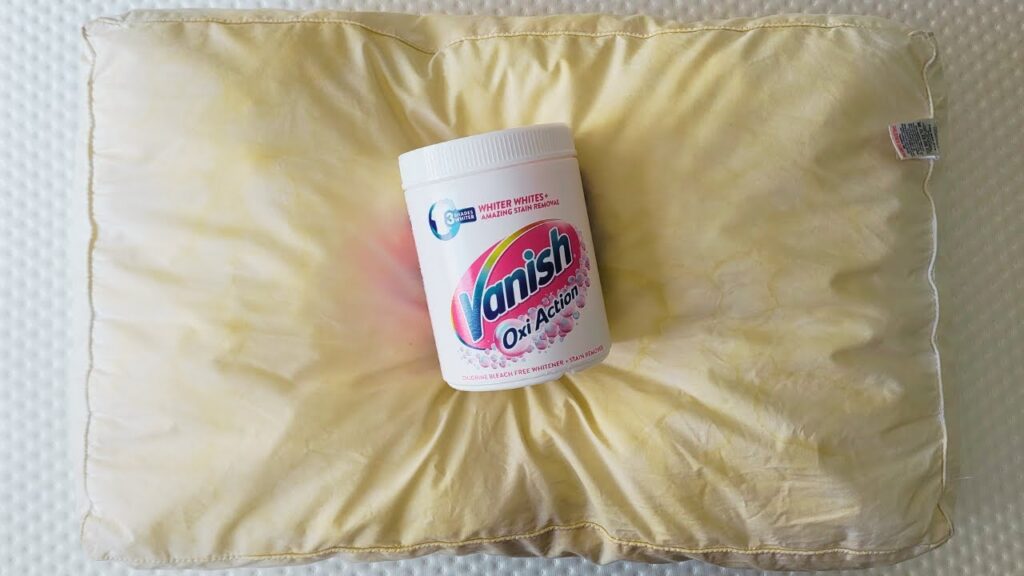
I started with two medium-firm pillows that were looking pretty sad—flattened, yellowish, and slightly musty. Here’s exactly how I revived them.
Step 1: Check the Label
Before washing, I checked the care tags. Most standard pillows (like those filled with polyester fiber or down alternative) can be machine washed. Memory foam pillows, however, should never go in the machine—they need spot cleaning only.
Step 2: Pre-Treat Stains
I mixed a small paste of baking soda and water and rubbed it gently over the yellowed spots. This helps lift tough stains before the wash even begins. I let it sit for about 10 minutes while I prepped the washer.
Step 3: Set Up the Washer
To keep the machine balanced, I washed two pillows at once. I set the washer to a large load, hot water cycle, and extra rinse option. Hot water helps kill dust mites and bacteria trapped in the pillow fibers.
Step 4: Add the Magic Ingredients
Instead of regular detergent, I added:
- ½ cup of baking soda directly into the drum.
- 1 cup of white vinegar into the fabric softener compartment.
If your washer doesn’t have one, you can pour the vinegar during the rinse cycle instead.
The combination works in two stages:
- During the wash cycle, the baking soda scrubs and deodorizes.
- During the rinse, vinegar dissolves residues and softens the fabric.
Step 5: Rinse Thoroughly
Once the first wash finished, I ran an extra rinse cycle just to ensure all the baking soda and vinegar were fully rinsed out.
Step 6: Dry Completely
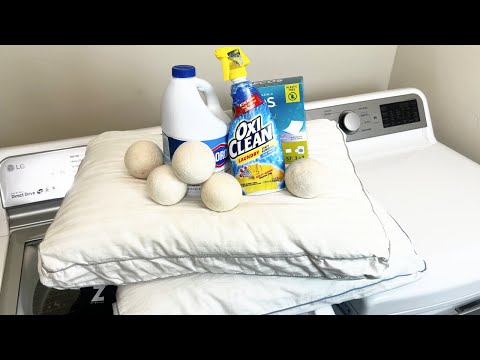
The drying process is crucial. Damp pillows can breed mold, undoing all your hard work. I tossed both pillows into the dryer with two clean tennis balls wrapped in socks. This trick helps fluff the pillows and prevents clumping.
I set the dryer to low heat and let it run for about an hour, pausing occasionally to fluff and check dryness. For thicker pillows, it can take up to 90 minutes.
The Results: Clean, Fluffy, and Fresh
When I pulled the pillows out of the dryer, I was genuinely stunned. The yellow stains were almost completely gone, the fabric looked bright again, and the musty smell had vanished entirely. Instead, they smelled faintly fresh—like clean cotton on a sunny day.
Even better, the pillows felt plumper and lighter, as though the fibers inside had been given new life. When I laid my head on one that night, it had a soft bounce that I hadn’t felt in years.
No chemical cleaners, no expensive products—just two natural ingredients from my kitchen.
Why This Method Works So Well
Beyond the visual and textural improvements, the baking soda and vinegar method restores pillows in a way regular detergent can’t.
- Neutralizes odors at the source – Baking soda doesn’t just cover smells; it chemically neutralizes them.
- Kills bacteria and dust mites naturally – Vinegar’s acetic acid breaks down proteins and cell walls of bacteria and mites.
- Removes detergent and fabric softener buildup – Over time, pillows can trap residues that make them stiff or sticky. Vinegar dissolves these.
- Restores fluff and shape – The fizzing action loosens compacted fibers, while vinegar acts as a natural softener.
This combo works for most pillow types, including synthetic, down, and feather.
A Few Tips I Learned Along the Way
After experimenting a few times, I picked up some useful tips to make the process even more effective:
- Add essential oils for scent. A few drops of lavender, eucalyptus, or lemon oil in the rinse cycle give your pillows a spa-like aroma.
- Avoid too much vinegar. One cup is plenty—more can leave a faint acidic smell.
- Always dry thoroughly. If you live in a humid climate, let pillows finish drying in the sun for an hour after machine drying.
- Fluff daily. Gently punching and fluffing your pillows keeps them airy longer between washes.
- Replace when needed. Even with proper care, most pillows should be replaced every 1–2 years for optimal hygiene and support.
Can You Use This Method for Other Items? Absolutely.
After seeing how well it worked on my pillows, I started using the same combination for other household items that tend to hold odors or stains:
- Mattress toppers and protectors: Sprinkle baking soda on top, let sit, then mist lightly with diluted vinegar before vacuuming.
- Cushions and couch pillows: Spot-clean with a paste of baking soda and vinegar for tough stains.
- Towels: Add half a cup of each to a hot wash to banish musty smells and restore softness.
The versatility of these two ingredients made me wonder why I ever spent money on specialty cleaners.
The Environmental and Health Benefits
What I love most about this method—beyond the sparkling results—is how eco-friendly it is. Traditional detergents and fabric softeners often contain synthetic fragrances, surfactants, and dyes that can irritate sensitive skin or cause allergic reactions. They also release chemical residues into wastewater systems.

By using baking soda and vinegar, I’m cleaning with non-toxic, biodegradable ingredients that are safe for both my family and the planet. There’s no chemical smell, no residue, and no artificial “fresh linen” scent masking odors—just true cleanliness.
This simple switch also means fewer plastic bottles under my sink and less waste in general. It’s proof that effective cleaning doesn’t require harsh products—just a little chemistry and consistency.
A Small Effort, a Big Difference
Washing my pillows this way felt like discovering a household secret I should’ve known years ago. Instead of replacing them, I revived them naturally and saved money in the process.
It’s incredible how something as humble as baking soda and vinegar—two ingredients that cost less than a cup of coffee—can completely transform your sleep experience. Clean, fresh pillows don’t just look and smell better; they also contribute to a healthier sleep environment by reducing allergens and bacteria.
Every time I lay my head down now, I can actually feel the difference—a lightness, a freshness, and the quiet satisfaction of knowing I restored something instead of throwing it away.
Final Thoughts: Simple, Natural, Effective
Sometimes, the best home solutions aren’t found in fancy cleaning products or expensive gadgets—they’re sitting quietly in your kitchen pantry.
Baking soda and vinegar are proof that nature already provides us with powerful cleaning tools. When used together, they can refresh even the dirtiest pillows, restoring them to their original softness and brightness.

So if your pillows are looking a little worse for wear, don’t rush to replace them just yet. Try this natural wash first. It’s quick, affordable, and deeply satisfying to watch your old pillows come back to life.
After my experiment, I can confidently say: I’ll never look at baking soda and vinegar the same way again—and I’ll definitely never sleep on a dirty pillow again.