If you’ve ever opened your fridge’s vegetable drawer only to find wilted lettuce, soggy spinach, or cucumbers that have turned to mush, you know the frustration of wasted produce. I’ve been there too—buying fresh veggies with the best of intentions, only to throw them out a week later. No matter how carefully I stored them in reusable bags or plastic containers, something always went wrong.
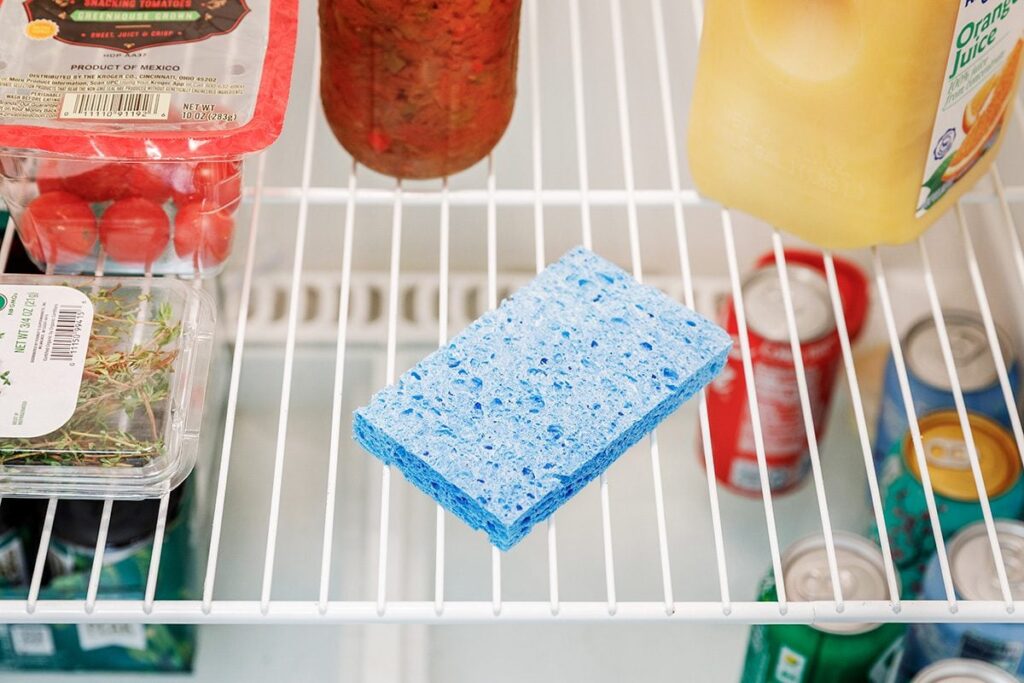
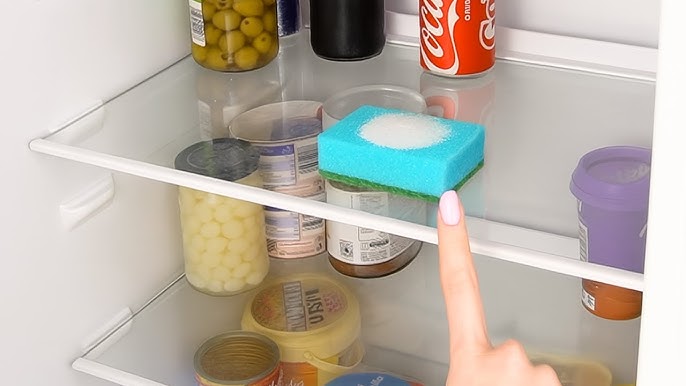
That’s when I stumbled upon a surprisingly simple trick: putting a clean, dry sponge in the vegetable drawer. It sounded far too easy to actually work, but after trying it myself, I was amazed. My greens stayed crisp, my carrots were firm, and my herbs lasted days longer than they normally would.
It turns out this small, inexpensive hack tackles one of the biggest culprits of food spoilage—excess moisture. And once you understand why it works, you’ll never want to store your veggies any other way.
Here’s how this trick completely changed the way I keep produce fresh, plus the science and simple steps behind it.
The Problem: Moisture Is the Enemy of Fresh Produce
Most fruits and vegetables naturally release water vapor as they sit. Inside your fridge’s crisper drawer, that moisture has nowhere to go—it gets trapped and builds up over time. You can even see it sometimes: tiny water droplets on the drawer walls or beads of condensation on your produce bags.
This damp environment might sound like it helps keep veggies hydrated, but it’s actually the opposite. The excess moisture causes produce to rot faster, promoting mold and bacterial growth. Leafy greens wilt, mushrooms get slimy, and anything delicate becomes soggy or discolored.
Even the “crisper drawer” settings on modern fridges don’t always manage moisture perfectly. That’s where the humble kitchen sponge comes in.

How a Sponge Helps Keep Veggies Crisp
It might sound odd, but the reason this hack works so well is because sponges are designed to absorb and trap moisture. When you place a clean, dry sponge in your crisper drawer, it acts like a mini dehumidifier, soaking up the excess humidity before it can settle on your produce.
Here’s what happens:
- As vegetables release moisture, the sponge absorbs it.
- The surrounding air stays drier, slowing down spoilage and preventing mold.
- Your veggies stay crisp and fresh for several extra days—sometimes even a week longer.
It’s an incredibly simple concept, but it truly works because it creates a more balanced humidity environment inside the drawer.
My Experiment: Before and After
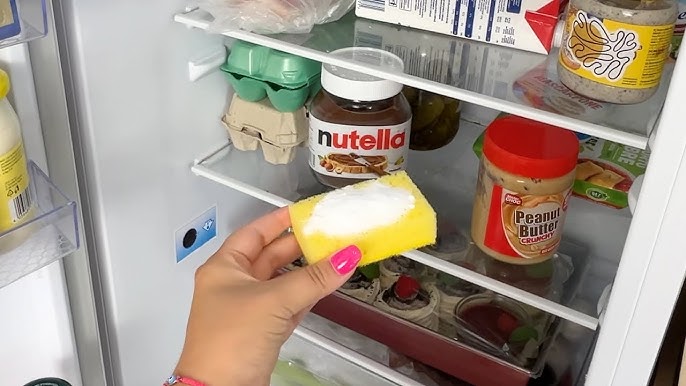
When I first read about this trick, I decided to test it myself. I bought a fresh batch of produce: lettuce, cucumbers, spinach, bell peppers, and herbs. I placed half in the top crisper drawer with a clean sponge and half in the bottom drawer without one.
Here’s what I observed over a week:
- Day 3: Both drawers looked good. The lettuce in the “no sponge” drawer had slight condensation on the bag, while the other drawer was dry.
- Day 5: The spinach in the no-sponge drawer started to look limp. The cucumber showed tiny soft spots. In the sponge drawer, everything still looked crisp.
- Day 7: The difference was dramatic. The lettuce without the sponge was wet and beginning to brown at the edges. The one stored with the sponge still felt fresh enough for a salad. The herbs in the sponge drawer even smelled fresher.
That’s when I realized this wasn’t just one of those internet “life hacks” that sound clever but don’t work—it was a genuinely effective, science-backed way to reduce waste and save money.
How to Try It Yourself (Step-by-Step Guide)
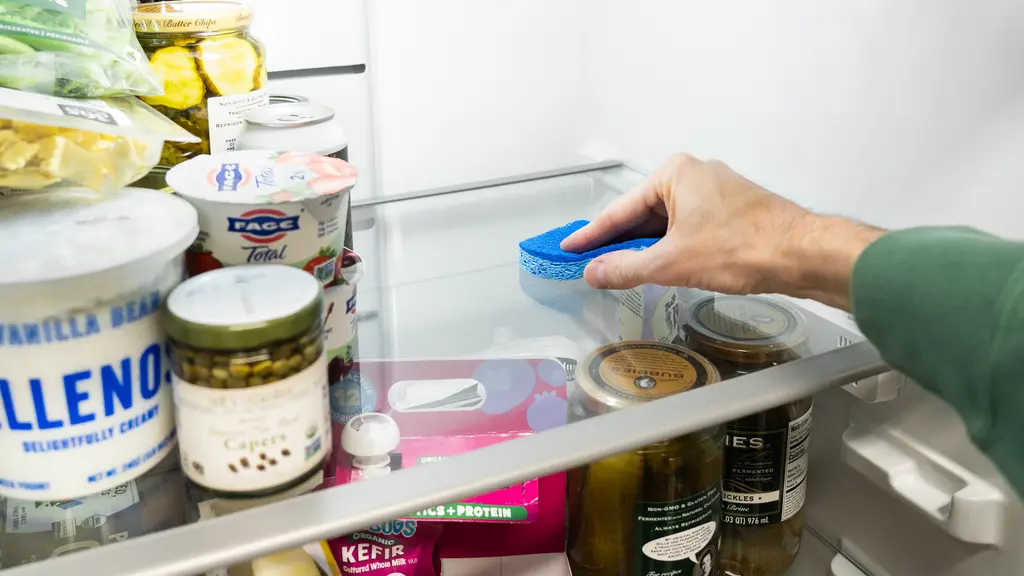
You don’t need anything fancy to make this work. Here’s how I do it now every week:
Step 1: Get a Clean Sponge
Use a brand-new or thoroughly washed kitchen sponge. Avoid ones with soap residue, scouring pads, or antimicrobial coatings—they can introduce unwanted chemicals to your food.
If you’re concerned about hygiene, you can also use natural cellulose sponges (biodegradable and safe for produce).
Step 2: Dry It Completely
Make sure the sponge is completely dry before placing it in the drawer. You want it to absorb moisture from the air, not add more.
Step 3: Place It Strategically
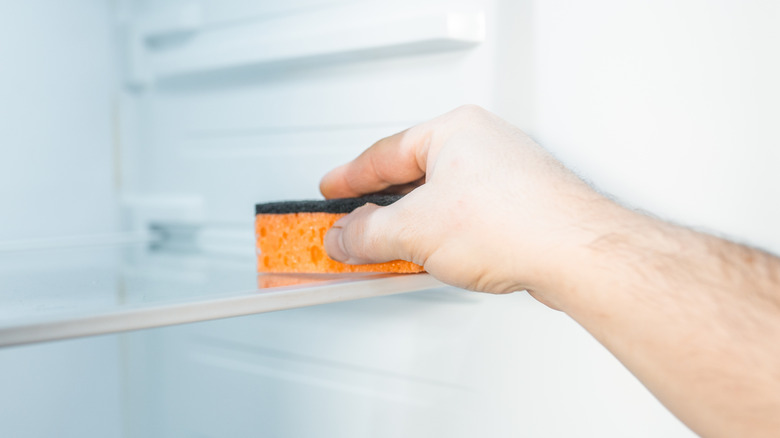
Lay the sponge flat at the bottom or in a corner of the vegetable drawer. If your drawer is large or packed with produce, you can use two or three smaller sponges spaced evenly apart.
Step 4: Replace or Clean Regularly
Once a week, remove the sponge and rinse it thoroughly with hot water (or a vinegar solution) to disinfect it. Squeeze it out well and let it dry before returning it.
If the sponge starts to smell, feel damp, or show discoloration, it’s time to replace it.
That’s it—no gadgets, no special containers, just a simple, reusable trick that keeps your veggies fresher for longer.

Why It Works (A Bit of Science)
The key to keeping vegetables fresh is managing humidity. Most produce needs moderate moisture—enough to prevent dehydration but not so much that it encourages mold.
When humidity levels exceed about 95%, condensation forms, creating a wet film on your veggies. That moisture acts like a breeding ground for bacteria and fungi, which break down cell walls and lead to soft, slimy produce.
A sponge helps by absorbing the excess humidity, maintaining an optimal balance in the air around your vegetables. Think of it as a natural humidity regulator inside your fridge drawer.
Interestingly, this same principle is used in commercial produce storage facilities, where humidity is carefully controlled to extend shelf life. You’re just recreating that effect on a smaller, home-friendly scale.
Pairing the Sponge Trick with Smart Storage Practices
While the sponge hack works wonders on its own, you can extend the freshness of your produce even more by combining it with a few other simple habits:
- Line drawers with paper towels: They help absorb surface moisture, especially under leafy greens.
- Keep fruits and veggies separate: Some fruits (like apples, bananas, and tomatoes) release ethylene gas, which speeds up ripening in nearby produce.
- Don’t overfill your crisper: Air needs to circulate for the sponge and fridge’s humidity controls to work properly.
- Use perforated bags: Instead of sealing veggies in airtight plastic, use bags with small holes to allow ventilation.
- Clean your drawers monthly: A quick wipe with vinegar removes residues that can harbor bacteria and mold.
These small adjustments make a big difference in preserving freshness and flavor.
Eco-Friendly and Budget-Friendly Bonus
One of the things I love most about this trick is how sustainable it is. Food waste is a major global issue—according to the UN, nearly one-third of all food produced ends up being thrown away, and a lot of that comes from households.

By simply using a sponge to extend the life of your vegetables, you’re helping cut down on waste and saving money in the process.
You’re also reusing an item that might otherwise be discarded. Old sponges that have outlived their dishwashing days can find a second life in the fridge (after a thorough cleaning, of course).
And because the hack relies on no electricity or fancy products, it’s both zero-waste and cost-free—a rare combination in the world of home hacks.
The Unexpected Benefits I Noticed
After a few weeks of using the sponge trick consistently, I noticed several extra perks beyond just longer-lasting veggies:
- My fridge smelled fresher. Excess moisture can cause subtle odors, especially when produce starts to decay. The sponge reduced that completely.
- No more slimy drawer cleanup. The bottom of my crisper drawer used to collect sticky residue—now it stays clean and dry.
- Less grocery waste. I stopped throwing out as many wilted greens or moldy cucumbers. My grocery bill even went down slightly!
It’s honestly satisfying to open the fridge and see crisp, bright vegetables waiting instead of a disappointing, half-rotted mess.
A Small Change That Makes a Big Difference
What I love about this hack is how it turns something so mundane—a sponge—into a clever solution to an everyday problem. It doesn’t require effort or planning, yet it makes a visible difference.
Every time I pull out crunchy lettuce or vibrant bell peppers a full week after buying them, I’m reminded that good habits don’t have to be complicated. Sometimes, the best fixes are the simplest ones.

Plus, there’s a sense of satisfaction in finding a sustainable, practical way to make my food last longer. I no longer dread checking the vegetable drawer; now it’s actually a little point of pride.
Final Thoughts: The Magic of a Simple Sponge
We tend to think of food preservation as something that requires special technology—humidity controls, vacuum-sealed containers, or high-end fridges. But as this experiment proves, sometimes all it takes is a single, ordinary item to make a real difference.
By placing a sponge in your vegetable drawer, you’re not just keeping your veggies crisp; you’re creating a small, eco-friendly system that reduces waste, saves money, and makes your kitchen run more efficiently.
After seeing how well it works, I can honestly say I’ll never go back. That one small sponge has earned a permanent place in my fridge—and in my list of favorite life hacks.
So the next time you notice your lettuce wilting or your carrots softening too soon, grab a clean sponge and give this trick a try. You’ll be amazed at how much longer your veggies last—and how something so simple can completely change the way you store food.