Gardening is more than a hobby; it is a way to connect with nature, enhance your surroundings, and bring joy into daily life. Recently, my garden has been transformed with new beautiful flowers and plants that add a vibrant splash of color, enticing fragrance, and a refreshing ambiance. In this guide, I want to share the highlights of my garden makeover, including the types of flowers and plants I added, how I care for them, and tips to recreate a similar garden at home.
Whether you are a beginner or an experienced gardener, this article will inspire you to explore new varieties, learn practical gardening tips, and enjoy the beauty of a flourishing garden.
1. The Transformation Begins: Introducing New Flowers
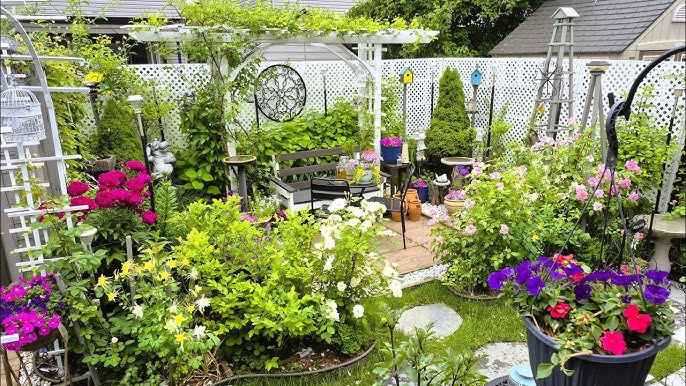
Adding new flowers to a garden is always exciting. Flowers not only brighten spaces but also attract pollinators such as bees and butterflies. In my garden, I added a variety of colorful blooms:
- Marigolds: Known for their bright orange and yellow hues, marigolds are hardy and easy to grow. They add cheerful color and also act as natural pest repellents.
- Petunias: With vibrant pink, purple, and white flowers, petunias provide a cascading effect perfect for borders and hanging pots.
- Zinnias: Zinnias bloom in a rainbow of colors and are perfect for cut flowers, adding life to both the garden and indoor spaces.
- Roses: A timeless classic, roses bring elegance, fragrance, and charm. Adding new rose varieties with different colors has truly enhanced the garden’s beauty.
Each flower contributes to the garden’s overall aesthetics and supports biodiversity by attracting beneficial insects.
2. Adding Greenery: Plants That Complement the Flowers
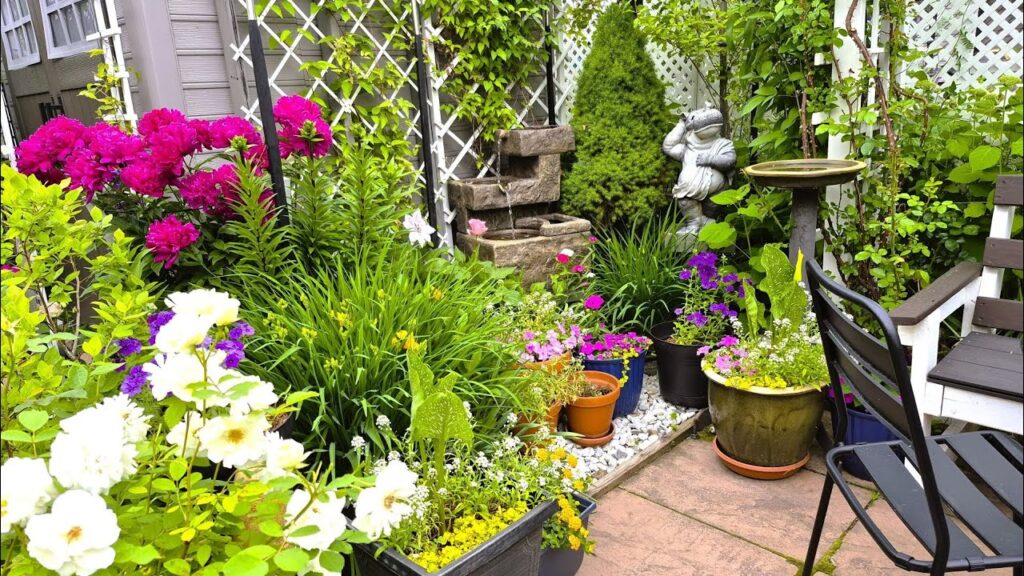
While flowers add color, green plants create structure and texture in the garden. Some of the new plants I introduced include:

- Ferns: Their lush, green fronds create a tropical feel and provide contrast to brightly colored flowers.
- Hostas: Known for their broad leaves and subtle flowers, hostas thrive in shaded areas and complement colorful blooms.
- Succulents: Low-maintenance and modern, succulents such as echeveria and aloe vera add unique shapes and textures.
- Herbs: Basil, mint, and rosemary not only look beautiful but are functional, providing fresh ingredients for the kitchen.
Combining flowering plants with ornamental and edible greenery makes the garden more dynamic, interesting, and sustainable.
3. Choosing the Right Location and Layout
Planting new flowers and plants is not just about picking varieties; proper placement is essential for growth and aesthetic appeal:
- Sunlight Requirements: Most flowers such as marigolds, zinnias, and petunias require 6–8 hours of sunlight. I placed these in the sunniest areas of my garden.
- Shaded Corners: Hostas and ferns prefer partial shade, so they were planted under trees or near taller plants.
- Color Grouping: Grouping flowers with similar or complementary colors creates visual harmony. For example, pink petunias next to white marigolds enhance the vibrancy.
- Height Variation: Taller plants like sunflowers or roses were placed at the back, while shorter plants like zinnias and petunias were in front.
A well-planned layout ensures better growth, easy maintenance, and a visually appealing garden.
4. Soil Preparation and Planting
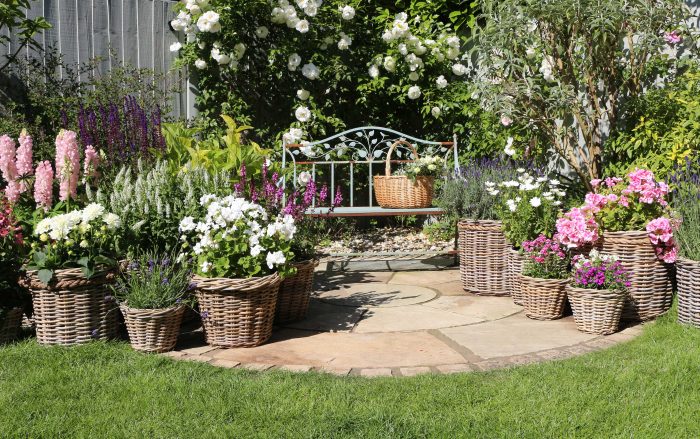
Healthy plants begin with healthy soil. For my garden, I focused on soil preparation before planting the new flowers and greenery:
- Soil Testing: I tested the soil pH and nutrient content. Most flowers thrive in slightly acidic to neutral soil (pH 6–7).
- Organic Compost: I mixed compost and organic matter into the soil to improve fertility, structure, and moisture retention.
- Mulching: Adding a layer of mulch around plants helps conserve moisture, suppress weeds, and regulate soil temperature.
Proper soil preparation ensures the plants establish quickly and thrive, even in challenging weather conditions.
5. Watering and Maintenance
Maintaining new plants and flowers is crucial for their survival and growth. Here’s my approach:
- Consistent Watering: Most flowers require regular watering, especially in the first few weeks after planting. I water in the morning to reduce evaporation and allow leaves to dry, preventing fungal infections.
- Fertilization: I use organic fertilizers such as compost tea and slow-release granular fertilizers to provide steady nutrients.
- Pruning: Deadheading spent flowers encourages new blooms, while pruning plants like roses maintains shape and health.
- Pest Management: Neem oil sprays and regular monitoring help prevent pests without harming beneficial insects.
Regular care ensures the garden looks lush and vibrant throughout the season.
6. Seasonal Updates
Gardens are dynamic and change with seasons. Here’s how I manage updates and seasonal planting:
- Spring: Ideal for planting annuals and bulbs, providing bright blooms for early color.
- Summer: Focus on watering, fertilization, and managing heat stress. Succulents and heat-tolerant plants thrive in summer.
- Autumn: Plant late-blooming flowers like chrysanthemums and prepare perennials for the next season.
- Winter: Protect sensitive plants and add indoor pots or greenhouse plants to maintain greenery.
Seasonal updates keep the garden alive and ever-changing, making it enjoyable all year round.
7. Attracting Pollinators and Beneficial Insects
New flowers in the garden attract bees, butterflies, and other pollinators, which are essential for healthy plants and high flower production. I planted:

- Lavender and Lantana: For bees and butterflies.
- Marigolds: To deter pests naturally.
- Borage and Nasturtium: Attract beneficial insects and improve overall garden health.
Creating a pollinator-friendly garden ensures flowers bloom abundantly and plants remain healthy without excessive chemical use.
8. Using Decorative Containers and Planters
Adding new flowers in containers adds flexibility and style:
- Hanging Baskets: Petunias and fuchsias cascade beautifully from hanging pots.
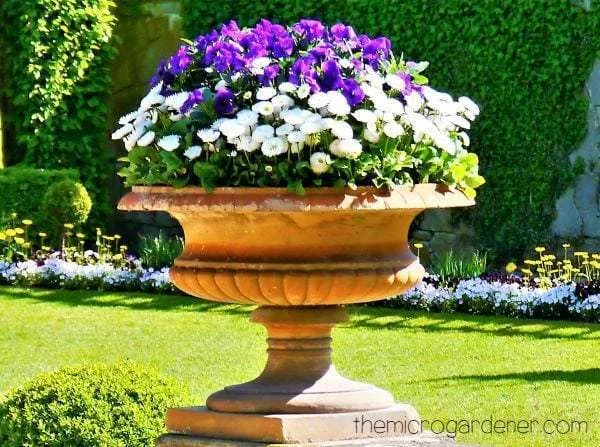
- Colorful Pots: Using bright pots complements the flowers and adds a decorative touch.
- Vertical Gardening: Wall-mounted planters allow growing more plants in limited space.
Containers allow for easy movement, seasonal updates, and creative display options in the garden.
9. Personal Touches and Garden Décor
Enhancing the garden with small details can make a big difference:
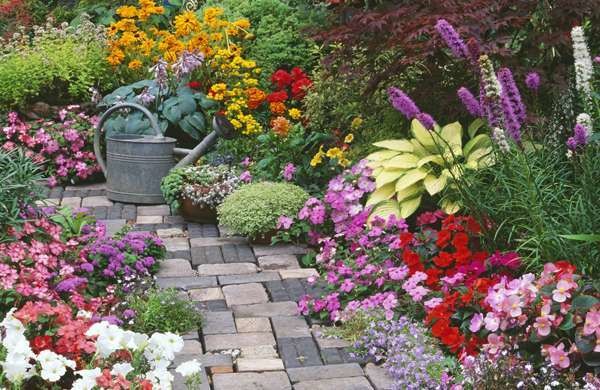
- Garden Pathways: Stone or brick paths guide visitors and add structure.
- Lighting: Solar lights illuminate the flowers in the evening, highlighting their colors.
- Decorative Stones and Figurines: Small accents add charm and personality.
A thoughtfully designed garden blends nature’s beauty with personal style, making it a relaxing retreat.

10. Tips for a Successful Flower and Plant Garden
- Start Small: Add a few new plants at a time and expand gradually.
- Observe and Learn: Monitor how each plant responds to sunlight, water, and soil.
- Combine Perennials and Annuals: Perennials provide structure, while annuals add seasonal color.
- Use Organic Care: Compost, mulch, and natural pest control ensure sustainable gardening.
- Record Updates: Keep a garden journal to track bloom times, fertilization, and maintenance schedules.
These tips help maintain a thriving, beautiful garden throughout the year.
Conclusion
Adding new beautiful flowers and plants has truly transformed my garden into a vibrant, colorful haven. From bright marigolds and cascading petunias to lush greenery and ornamental succulents, each plant contributes to the garden’s charm and vitality. Careful planning, proper soil preparation, consistent watering, fertilization, and pest management ensure that the garden remains healthy, lively, and visually appealing.
Whether you are a beginner or an experienced gardener, introducing new flowers and plants can refresh your garden, attract pollinators, and create a serene outdoor space. With attention to seasonal updates, layout, and plant care, anyone can create a garden that brings joy, beauty, and satisfaction year-round.
Start planting today, explore new varieties, and watch your garden bloom into a paradise of colors, scents, and textures!